2.0 TSI/TFSI (DNUE) 300 HP – Experiences, issues, fuel consumption and used-buying guide
Key points (TL;DR)
- Performance: This is a high‑performance engine that moves the car with ease. Not for beginners.
- Timing drive: Uses a timing chain, which in this generation (Gen 3b) is much more reliable than in older models, but it requires high‑quality oil.
- Water pump: The “Achilles’ heel” of this engine. The thermostat housing and pump are plastic and prone to leaks.
- GPF/OPF filter: The DNUE code indicates the presence of a gasoline particulate filter (Euro 6d‑TEMP), which affects oil choice and exhaust sound.
- Fuel consumption: Can be moderate on the open road, but is high in city driving.
- Maintenance: Requires strictly regular servicing, especially DSG gearbox and Haldex coupling (4x4 drivetrain) services.
- Recommendation: An excellent choice for enthusiasts who want a sporty car that can be used every day.
Contents
- Introduction and applications
- Technical specifications
- Reliability and maintenance
- Specific parts and costs
- Fuel consumption and performance
- Options and modifications
- Gearbox and drivetrain
- Buying used and conclusion
Introduction and applications
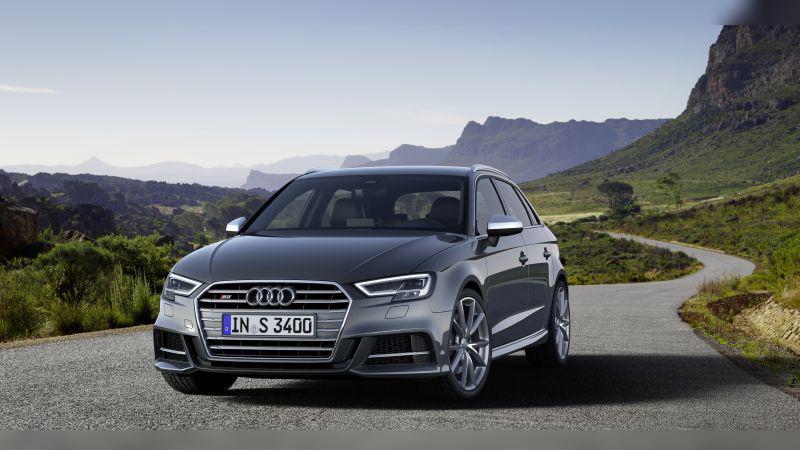
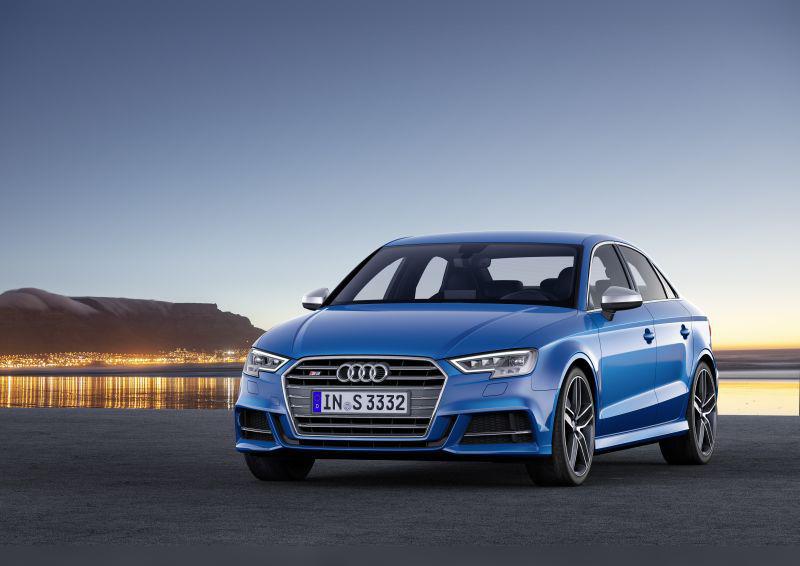
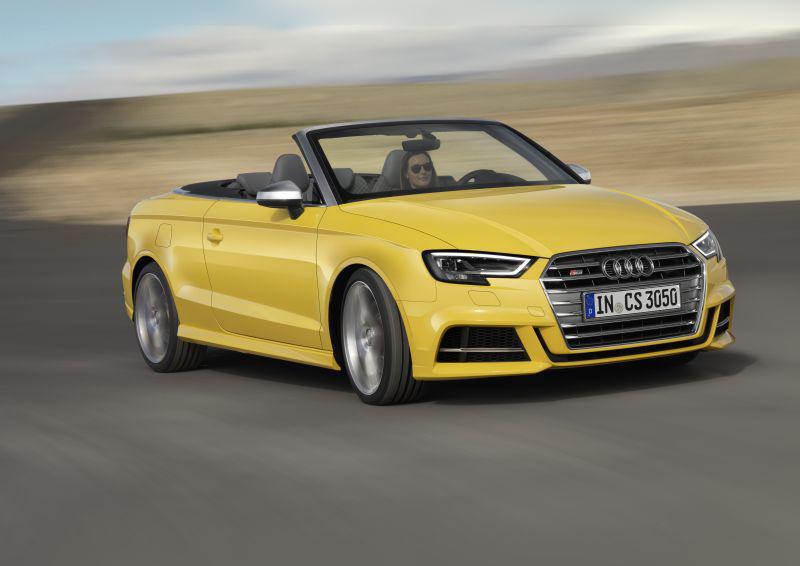
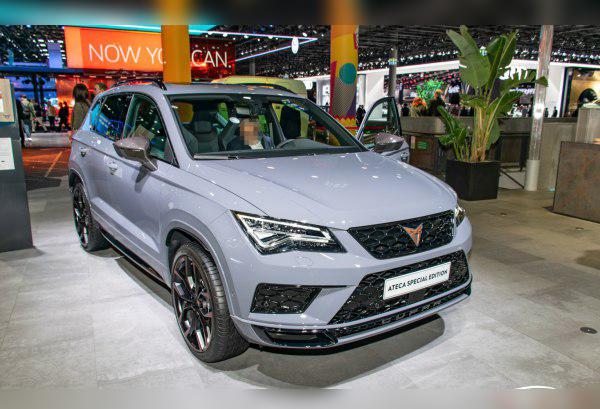
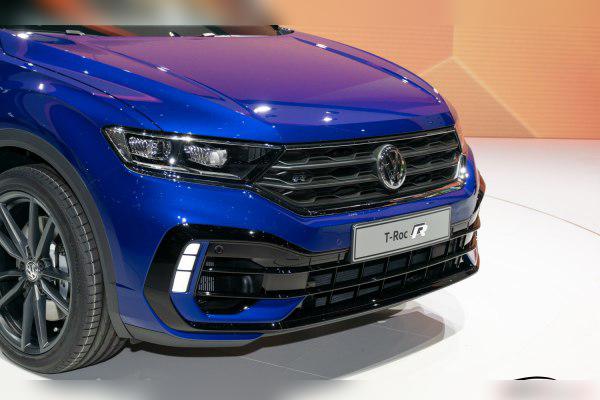
The engine with the code DNUE belongs to the famous EA888 family (Gen 3), more precisely to its evolution adapted to stricter emission standards (Euro 6d‑TEMP). It is the top‑of‑the‑range unit used in the Volkswagen Group’s “compact rockets”. It is installed in models such as the Audi S3, Volkswagen T‑Roc R and Cupra Ateca.
Unlike its predecessors (such as CJXC), the DNUE engine is equipped with an OPF/GPF filter (gasoline particulate filter), which reduces harmful emissions and slightly muffles the exhaust sound, while still delivering an impressive 300 horsepower. This engine bridges the gap between track‑level performance and everyday usability, but that comes at the cost of more complex maintenance.
Technical specifications
| Characteristic | Value |
|---|---|
| Engine displacement | 1984 cc (2.0 L) |
| Power | 221 kW (300 HP) |
| Torque | 400 Nm |
| Engine code | DNUE |
| Injection type | Direct injection (TSI/TFSI) |
| Forced induction | Turbocharger (IS38) + intercooler |
| Number of cylinders / valves | 4 / 16 |
Reliability and maintenance
Timing system: chain or belt?
This engine uses a timing chain. In this generation of EA888 engines, the chain‑stretch issues that plagued earlier versions have largely been resolved. The chain is robust and designed to last for most of the vehicle’s life, provided the oil is changed regularly. However, it is not eternal – at higher mileages (over 150,000–200,000 km) you should listen for rattling noises on cold start.
Most common failures and symptoms
Although mechanically very strong, the DNUE engine has several known weak points:
- Thermostat module and water pump: This is the most common issue. The housing is made of plastic that deforms over time due to heat cycles. Symptoms: Loss of coolant, smell of antifreeze under the hood, or engine overheating. Replacement is not cheap (depends on the market) due to poor access and the price of the OEM part.
- Oil leaks: Often occur at the valve cover or crankshaft seals, especially if the PCV valve is faulty.
- PCV valve (oil vapor separator): When this valve fails, excessive crankcase pressure builds up. Symptoms: Rough idle, whistling noise, increased oil consumption or oil leaks at gaskets.
Major and minor service
A traditional “major service” (timing belt replacement) does not exist here because of the chain. However, a thorough inspection of the chain, tensioner and auxiliary (serpentine) belt is recommended at around 100,000–120,000 km. The serpentine belt and its water pump (if driven on that circuit on the specific sub‑variant) are replaced preventively.
Oil: quantity, grade and consumption
The engine takes approximately 5.7 liters of engine oil. Due to the presence of the GPF filter, it is extremely important to use oil that meets VW 508.00 (0W‑20) or VW 504.00 (5W‑30 / 0W‑30) specifications. It is generally recommended to use 0W‑30 or 5W‑30 for better protection at high temperatures, but always check the sticker under the hood because GPF filters do not tolerate high‑ash oils.
Oil consumption: These engines tend to “drink” some oil, especially if driven hard. Consumption of up to 0.5 liters per 2,000–3,000 km can be considered acceptable for an engine with this level of performance. If it uses a liter per 1,000 km, that points to issues with piston rings, turbocharger or the PCV valve.
Spark plugs
Given the high specific output, the spark plugs are under heavy load. It is recommended to replace them every 40,000 to 60,000 km. If the engine is tuned (“chipped”), the interval should be reduced to 20,000–30,000 km.
Specific parts (costs)
Dual‑mass flywheel
Yes, in combination with the DSG gearbox this engine does have a dual‑mass flywheel. Its purpose is to dampen engine vibrations before they reach the gearbox. Its lifespan depends on driving style, and failure symptoms include metallic knocking at idle that disappears when you rev the engine, or vibrations when shutting the engine off. Replacement is expensive.
Fuel injection system and injectors
The DNUE uses an advanced high‑pressure direct‑injection system (often combined with port injection depending on the market, but DNUE is primarily direct due to the GPF). The injectors are generally reliable, but sensitive to poor fuel quality. Carbon buildup on the intake valves is possible because the fuel does not wash them, which requires mechanical cleaning (walnut‑shell blasting) at higher mileages (over 100,000 km).
Turbocharger
The engine uses a powerful IS38 turbocharger (IHI). Its lifespan is long if the engine is properly warmed up and cooled down. However, early IS38 units had cases of shaft failure under extreme abuse. The DNUE usually comes with revised, more reliable versions. Symptoms of issues include a “siren‑like” whine or a sudden loss of power.
GPF, EGR and AdBlue
This engine does not use AdBlue (that’s for diesels). However, it does have a GPF (Gasoline Particulate Filter). It is similar to a diesel DPF. It rarely clogs because exhaust gas temperatures on gasoline engines are higher, so passive regeneration occurs constantly. EGR functionality is usually handled internally via variable valve timing (VVT), so there is no classic EGR valve that clogs with soot like on older engines.
Fuel consumption and performance
City driving
Do not expect miracles. In heavy city traffic, real‑world consumption is between 11 and 14 liters per 100 km. If you have a heavy right foot (traffic‑light “drag races”), this figure easily goes above 15 liters.
Is the engine “lazy”?
Absolutely not. With 300 HP and 400 Nm available from relatively low revs, this engine makes models like the Cupra Ateca or T‑Roc R extremely agile. Throttle response is instant and turbo lag is minimal. The engine feels strong in every gear.
Motorway and cruising
On the motorway the engine shows its other side. Thanks to the 7th gear in the DSG gearbox, at 130 km/h it runs at relatively low revs (usually below 2,500–3,000 rpm). Fuel consumption then drops to a reasonable 8 to 9 liters per 100 km. Overtakes are lightning‑fast and require little effort from the engine.
Options and modifications
LPG conversion
Although technically possible, it is neither recommended nor cost‑effective for this type of engine. Due to direct injection, you need an expensive liquid‑injection LPG system or a system that uses both petrol and LPG at the same time to cool the injectors. Considering this is a high‑performance “R” / “S” model, LPG can complicate engine and sensor operation.
Chiptuning (Stage 1)
This is one of the best engines on the market for tuning. A Stage 1 remap (software only) safely raises power to 340–360 HP and torque to nearly 500 Nm. The engine can handle this increase without issues, provided it has been regularly maintained. However, keep in mind that tuning puts additional stress on the turbo and gearbox.
Gearbox
Types of gearboxes
The DNUE engine is almost exclusively paired with a DSG automatic gearbox (S tronic in Audi terminology). In these models (T‑Roc R, Cupra Ateca, S3 facelift) you most commonly find the DQ381 (7‑speed wet‑clutch) which is an evolution of the older DQ250, or the robust DQ500 in larger/heavier applications. Manual gearboxes are extremely rare or practically non‑existent in this engine and model‑year combination (the facelift S3 has almost completely switched to S tronic).
Gearbox failures
DSG gearboxes are quick, but complex. The most common automatic gearbox issues are:
- Mechatronics unit: The electronic‑hydraulic “brain” of the gearbox. Failure can cause harsh shifts, dropping out of gear or complete failure. Repair is very expensive.
- Clutch pack: Although wet clutches are durable, aggressive launches (Launch Control) drastically shorten their lifespan. Clutch replacement is also a major expense.
Gearbox servicing
For DQ381 and DQ500 gearboxes, oil and filter changes are mandatory. The factory interval is often 120,000 km, but any experienced mechanic will tell you to do it every 60,000 km, especially with such a powerful engine. Regular oil changes are the key to DSG longevity.
Buying used and conclusion
What to check before buying?
- Cold start: Listen for chain rattle during the first 3–5 seconds. If it lasts longer, the chain is due for replacement.
- Coolant leaks: Check the coolant level and look for white traces of leakage around the thermostat housing (at the front of the engine).
- Gearbox behavior: The gearbox should shift quickly and almost imperceptibly. Any jerking when moving off or coming to a stop is a sign of mechatronics issues.
- Launch Control history: Diagnostics can show how many times Launch Control has been used. If the number is high (e.g. hundreds of times), be cautious – the drivetrain (Haldex coupling, prop shaft, driveshafts) has been under heavy stress.
Conclusion:
The 2.0 TSI (DNUE) is a fantastic engine that offers the performance of a supercar from a decade ago in the body of a family hatchback or crossover. It is not the cheapest to maintain and it “likes a drink”, but in return it puts a smile on your face every time you press the throttle. It is intended for drivers who know what they are buying and are willing to pay for quality oil and regular servicing. If you are only looking for transport from point A to point B with minimal running costs – this is not the engine for you.