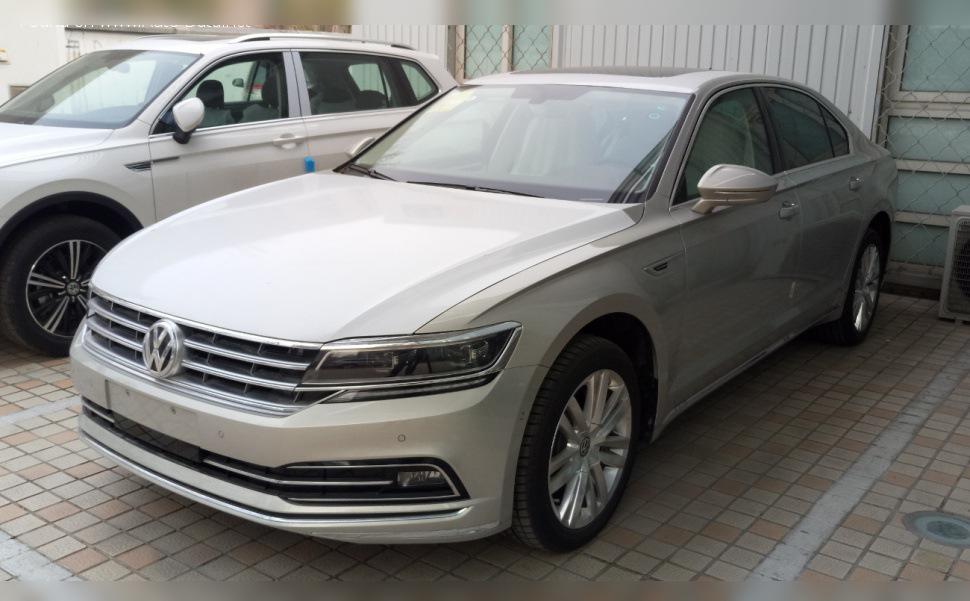
EA888 2.0 TSI (224 HP) in the VW Phideon – Experiences, problems, fuel consumption and buying used
Key points (TL;DR)
- Agile and powerful: With 224 HP and 350 Nm, this engine handles the weight of a large sedan like the Phideon very well.
- Cooling issues: The thermostat and water pump housing is made of plastic and prone to cracking and coolant leaks.
- Chain instead of belt: The timing drive uses a chain. Although this third generation (Gen 3) is much more reliable than the previous ones, the chain can stretch at higher mileage.
- DSG maintenance: The gearbox is excellent, but requires strict oil changes every 60,000 km. Neglect leads to expensive mechatronics failures.
- Oil consumption: Although it’s not an “oil burner” like older TSI engines, regular oil level checks are mandatory.
- Fuel consumption: In city driving, expect double‑digit consumption because of the vehicle’s weight.
- Recommendation: An excellent choice for those who want Audi A6 performance in a more discreet VW package, provided the service history is clean.
Contents
- Technical specifications
- Reliability and maintenance
- Specific parts and costs
- Consumption and performance
- Additional options and modifications
- Gearbox and drivetrain
- Buying used and conclusion
The VW Phideon is a very particular beast. As the successor to the Phaeton (primarily for the Asian market), it sits on the MLB platform, which means it shares its DNA with the Audi A6 rather than the Passat. The engine that powers it, the 2.0 TSI from the famous EA888 series (third generation) with 224 HP, represents the golden middle ground between performance and maintenance costs. This is not a regular Golf GTI engine, but a unit adapted for comfortable cruising in a heavy sedan. In this text, we dissect every part of it so you know exactly what to expect.
Technical specifications
| Characteristic | Data |
|---|---|
| Engine displacement | 1984 cc (2.0 L) |
| Power | 165 kW (224 HP) |
| Torque | 350 Nm at 1500–4500 rpm |
| Engine code (approximate) | EA888 Gen 3 (e.g. CHHB, DKZA – check by VIN) |
| Injection type | Direct (FSI) + indirect (MPI) – combined |
| Induction | Turbocharger (IHI IS20) + intercooler |
Reliability and maintenance
Timing system: chain or belt?
This engine uses a timing chain. Unlike the notorious second generation EA888 engines (where chains failed even before 100,000 km), this third generation used in the Phideon is significantly more robust. The chain tensioners have been revised and the system is more reliable. Still, the chain is not eternal. Expect it to stretch somewhere between 150,000 and 200,000 km. The symptom is a characteristic rattling noise on cold start that lasts a few seconds. If you hear that, replacement is urgent to avoid catastrophic failure.
Most common failures
The Achilles’ heel of this engine is the thermostat and water pump module. The housing is made of plastic that deforms over time due to heating and cooling cycles, which leads to coolant leaks. If you smell antifreeze or see the level in the expansion tank dropping, this is suspect number one. Also, the PCV valve (oil vapor separator) tends to fail, causing rough idle and increased oil consumption.
Service intervals and oil
Minor service should be done at a maximum of 10,000 to 15,000 km or once a year. There is no fixed interval for a major service in terms of chain replacement; it is done based on condition (checking chain stretch via diagnostics), but replacement of the auxiliary belt and rollers is done around 120,000 km.
The engine takes approximately 5.7 liters of oil. Recommended grades are 5W-30 or 0W-20 (VW 504.00/507.00 specification or newer VW 508.00 – check the owner’s manual). High‑quality synthetic oil is crucial for chain longevity.
Oil consumption
Does it consume oil? Yes, but within normal limits. The EA888 Gen 3 has different piston rings compared to older models, so the problem of excessive oil consumption is no longer as pronounced. Still, consumption of 0.5 to 1 liter per 5,000 to 7,000 km can be considered acceptable for this type of engine, especially if driven aggressively.
Spark plugs
Since this is a high‑performance turbo petrol engine, the spark plugs are under heavy load. Replacement is recommended every 60,000 km. Use only iridium or platinum plugs according to factory specification (NGK or Bosch).
Specific parts (costs)
Dual‑mass flywheel: Yes, this engine combined with the DSG gearbox uses a dual‑mass flywheel. Its lifespan is usually around 150,000–200,000 km, depending on driving style (city driving wears it out faster). Replacement is expensive (depends on the market, but think “very expensive”).
Injection system: The EA888 Gen 3 often uses dual injection (MPI + FSI). This means it has injectors in the intake manifold and directly in the cylinder. This is great because the port injectors wash the intake valves and prevent carbon buildup, which was a big problem on older TSI engines. The injectors are generally reliable, but sensitive to poor fuel quality.
Turbocharger: The engine has a single turbocharger (usually IHI IS20). It is very responsive and reliable. With regular oil changes and proper cooldown after spirited driving, the turbo can last as long as the engine. Wastegate actuator failure is possible, but it can often be repaired without replacing the entire turbo.
GPF/EGR/AdBlue: Petrol engines do not use AdBlue. As for filters, newer models (usually after 2018) have a GPF (Gasoline Particulate Filter), which is the petrol equivalent of a DPF. These rarely clog because petrol burns cleaner and exhaust gas temperatures are higher, so regeneration occurs passively. An EGR valve is present, but it is not as problematic as on diesels.
Consumption and performance
City driving: The Phideon is a large and heavy sedan. In heavy city traffic, don’t expect miracles. Real‑world consumption is between 11 and 14 liters per 100 km. The start‑stop system can help a bit, but physics is unforgiving.
Is the engine “lazy”? Absolutely not. With 350 Nm available from just 1500 rpm, the car pulls decisively. Thanks to the turbo, there is no feeling of lack of power when overtaking. The DSG gearbox masks the vehicle’s weight very well with fast shifts.
Highway: This is where the Phideon feels at home. At 130 km/h, the engine runs relaxed, usually below 2,500 rpm in top gear. Fuel consumption then drops to a reasonable 7 to 8.5 l/100 km. Sound insulation is excellent, so the engine is barely audible.
Additional options and modifications
LPG conversion: Technically possible, but economically questionable and complicated. Due to direct injection, a sophisticated system is required that either injects liquid gas (very expensive) or uses a mixture of petrol and gas (petrol is added to cool the injectors). Given the engine’s complexity and potential electronic issues, the recommendation is to avoid LPG on this model.
Chiptuning (Stage 1): This engine is a tuner’s dream. The EA888 Gen 3 has huge potential. A Stage 1 remap can safely raise power to around 290–300 HP and torque to over 420 Nm, without any mechanical changes. The engine handles this very well, but keep in mind it will put additional stress on the gearbox and shorten the turbo’s lifespan if driven at full throttle all the time.
Gearbox
The Phideon with this engine is equipped exclusively with a DSG automatic gearbox (S tronic in Audi terminology). Since the Phideon uses the MLB platform (longitudinal engine layout), this is the DL382 (7‑speed with wet clutch) gearbox, not the DQ series used in the Passat.
Most common DSG issues:
- Mechatronics: The brain of the gearbox. Failures are expensive and manifest as harsh shifts or inability to engage gears.
- Clutches: Although they are “wet” (bathed in oil) and last longer, aggressive driving wears them out. Replacing the clutch pack is (depending on the market) a very costly job.
Gearbox maintenance: This is the most important point. The oil and filter in the DSG gearbox must be changed every 60,000 km. No exceptions. If you buy a used car without proof of this service, you risk a failure that can cost up to a third of the car’s value.
Buying used and conclusion
When buying a VW Phideon with this engine, pay attention to the following:
- Cold start: Insist that the engine be completely cold. Listen to the chain noise during the first 3–5 seconds. Rattling means expense.
- Coolant leaks: Check the engine bay, especially around the intake manifold, looking for white residue (dried antifreeze).
- DSG test: Shift into D, then into R. The reaction must be quick, without metallic noises (dual‑mass flywheel clatter) and without strong jerks. While driving, gear changes should be seamless.
Conclusion: The VW Phideon 380TSI with the EA888 engine is a fantastic sedan for those who understand what they are buying. You get Audi A6 technology and comfort at a lower price (on the used market). The engine is powerful and, with proper maintenance (especially of the gearbox and cooling system), very reliable. However, if you are looking for cheap running costs and low city fuel consumption, this car is not for you. This is a car for long distances and comfortable travel.