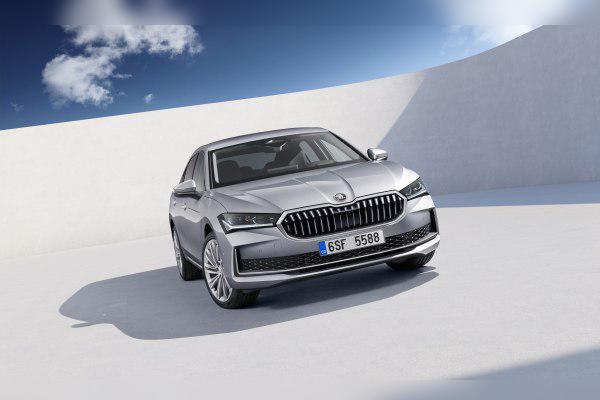
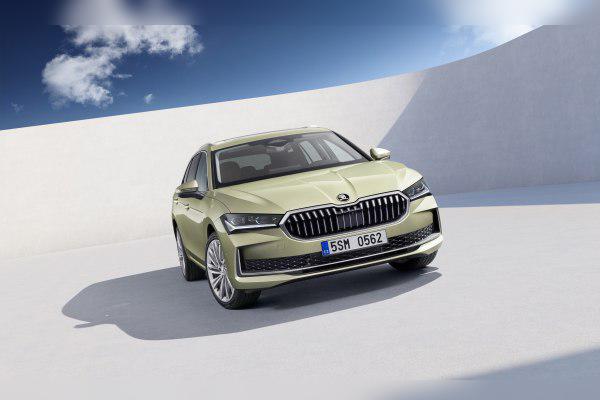
2.0 TSI EA888 evo4 (265 hp): Experiences, issues, fuel consumption and maintenance – Buying guide
1. The most important in short (TL;DR)
- Performance: With 265 hp and 400 Nm, this is a real “herd” under the hood. Anything but a lazy engine, it turns family estates into serious cruisers.
- Timing drive: Uses a chain. On this generation (evo4) the chain is significantly reinforced and is not as problematic as on older TSI engines.
- Gearbox: Comes exclusively with a DSG (DQ381) wet-clutch gearbox. Requires regular oil changes.
- Emissions: Equipped with a GPF (OPF) particulate filter. No AdBlue system, but it is sensitive to short city trips.
- Fuel consumption: Surprisingly economical on the open road, in the city it “likes to drink” (expect over 10–11 liters).
- Oil: Requires specific 0W-20 oil (VW 508.00). Do not experiment with viscosity!
- Recommendation: Ideal for drivers who cover a lot of highway mileage and want power in reserve for overtaking.
2. Contents
- Introduction: About the engine and models
- Technical specifications
- Reliability and maintenance
- Specific parts and costs
- Fuel consumption and performance
- Additional options and modifications
- Gearbox and drivetrain
- Buying used and conclusion
Introduction: About the engine and models
The EA888 evo4 engine (code DNPB) represents the pinnacle of development of Volkswagen’s four‑cylinder petrol units. This is not that old TSI that burned oil like fuel 15 years ago. This is a mature, technologically advanced machine designed to meet strict Euro 6 standards (and preparation for Euro 7), while still keeping its explosiveness.
It is installed in the latest generations of heavy cruisers such as the Škoda Superb IV and VW Passat B9. In these cars, it replaces the former V6 engines, offering similar performance with lower weight and reduced fuel consumption. It is paired exclusively with all‑wheel drive (4Motion) and an automatic gearbox, which makes it a premium choice.
Technical specifications
| Characteristic | Data |
|---|---|
| Displacement | 1984 cc (2.0 L) |
| Power | 195 kW (265 hp) |
| Torque | 400 Nm at 1650–4350 rpm |
| Engine code | DNPB (EA888 evo4 family) |
| Injection type | Direct injection (up to 350 bar) |
| Forced induction | Turbocharger (Continental) + intercooler |
| Timing drive | Chain |
Reliability and maintenance
Does this engine have a timing belt or a chain?
The engine uses a timing chain. Unlike the notorious EA888 Gen 2 engines (before 2012), this “evo4” generation has a significantly improved tensioner system and chain itself. There is no prescribed replacement interval (they say it’s “lifetime”), but in practice it is advisable to check chain condition (stretch) after 150,000–180,000 km. If you hear rattling on cold start that lasts longer than 2–3 seconds, that’s a sign you need urgent service.
What are the most common failures on this engine?
Although reliable, the evo4 has its weak points:
- Thermostat module and water pump: This is a plastic housing exposed to high temperatures. Coolant leaks or a stuck thermostat are common. Symptom: Loss of coolant or the engine not reaching operating temperature/overheating.
- Carbon buildup: Due to direct injection, the intake valves are not “washed” by fuel. Over time, carbon deposits build up, which can reduce power and cause rough running. Cleaning (walnut blasting or chemical) may be needed at higher mileage (100k+ km).
- PCV valve (crankcase ventilation): If it fails, it can cause increased oil consumption or a whistling noise from the engine.
Service intervals and spark plugs
Minor service (oil and filters) should be done every 10,000 km up to a maximum of 15,000 km. Forget about “Long Life” 30,000 km intervals if you want the engine to last.
Spark plugs should be replaced every 60,000 km. Since this is a high‑performance engine, quality spark plugs (NGK or Bosch as recommended by the manufacturer) are mandatory to avoid misfires and coil damage.
Oil: quantity, viscosity and consumption
The engine holds approximately 5.7 liters of oil. The most important thing with “evo4” engines is the specification. It is designed for low‑friction thin oil, most commonly 0W-20 with specification VW 508.00 / 509.00. Using thicker oil without approval can disrupt the operation of the variable oil pump.
Oil consumption: Modern TSI engines are much better than their predecessors, but they can still consume oil, especially if driven aggressively. Consumption up to 0.5 liters per 5,000 km is considered acceptable. If it burns a liter per 2,000 km, there is a problem (usually piston rings or turbo).
Specific parts (costs)
Does the engine have a dual‑mass flywheel?
Yes, it has a dual‑mass flywheel. Even though it’s an automatic, DSG gearboxes use a dual‑mass flywheel to dampen engine vibrations before they reach the gearbox. When it fails, you hear metallic knocking at idle (especially near the left wheel) and feel vibrations. Replacement is expensive (depends on the market).
Injection system and turbo
The engine uses advanced direct injection at very high pressure (up to 350 bar). The injectors are piezoelectric and extremely precise. They are not prone to frequent failures, but are sensitive to poor fuel quality. Replacing a set of injectors is very expensive.
It has a single Continental turbocharger with an electronically controlled wastegate valve. Turbo lifespan is usually over 200,000 km with regular oil changes and proper cooldown after spirited driving.
Emissions: GPF and EGR
This petrol engine does not have AdBlue (that’s for diesels). However, it does have a GPF (Gasoline Particulate Filter) – the petrol equivalent of a DPF filter.
The GPF rarely clogs compared to a diesel DPF because petrol burns at a higher temperature. Still, if the car is driven exclusively in stop‑and‑go city traffic, a warning light may come on. The usual solution is a 20‑minute drive on the open road at higher revs.
Fuel consumption and performance
Real‑world fuel consumption and city driving
This is a powerful engine in a heavy body (Superb/Passat estate + 4x4). Don’t expect miracles in the city.
- City driving: Realistically between 10 and 13 l/100 km, depending on traffic and how heavy your right foot is.
- Open road (secondary roads): Can go down to around 6.5–7.5 l/100 km.
- Motorway (130 km/h): Uses about 7.5–8.5 l/100 km.
Is the engine “lazy”?
Absolutely not. With 265 hp and 400 Nm available from as low as 1650 rpm, this engine moves the Superb or Passat body with incredible ease. 0–100 km/h times are often under 6 seconds. Overtaking is instant and safe.
At 130 km/h in 7th gear, the engine “cruises” at low revs (below 2,500 rpm), which contributes to cabin quietness.
Additional options and modifications
LPG conversion
LPG conversion is possible, but complex and expensive. Due to direct injection, you need a system that either injects liquid LPG directly through the petrol injectors (the most expensive but best option) or a system that periodically injects petrol to cool the injectors (for example, using 20% petrol and 80% LPG).
Given the installation cost and engine complexity, it only really pays off if you cover very high mileage.
Chip tuning (Stage 1)
EA888 engines are kings of tuning. This engine (DNPB) has huge potential.
Stage 1 (software only): It can safely be taken to 300–320 hp and around 450–470 Nm of torque. The engine and gearbox can handle this without issues, provided they are regularly maintained.
Gearbox: DSG DQ381
This engine comes as standard with a 7‑speed DSG gearbox designated DQ381. It is an improved version of the older DQ380, designed for all‑wheel‑drive vehicles (4Motion/4x4).
Gearbox maintenance and failures
- Clutch type: Wet clutch (the clutch packs are immersed in oil). This is a much more reliable solution than dry clutches.
- Service: The manufacturer often states 120,000 km, but any experienced mechanic will tell you: Change the gearbox oil and filter every 60,000 km. That is the key to long mechatronics life.
- Failures: The most common issue is the mechatronics unit (the brain of the gearbox) if the oil is not changed regularly. Symptoms include harsh shifts, delay when setting off, or the gearbox dropping into “N” while driving.
- Costs: The clutch pack is rarely replaced (it can last over 200,000 km with normal driving), but replacement is expensive.
Buying used and conclusion
When buying a used Superb or Passat with this engine, pay attention to:
- Cold start: Listen for chain rattle in the first few seconds.
- Signs of leaks: Check around the thermostat housing (on the side of the engine) for whitish/pinkish traces of coolant.
- DSG behavior: The gearbox should shift imperceptibly, and when starting uphill it must not “jerk” or hesitate.
- Exhaust tips: Even though it’s a petrol engine, the exhaust tips should not be excessively sooty (a sign of poor combustion or oil consumption), although a bit of soot is normal with direct injection.
Conclusion: The 2.0 TSI (265 hp) is a fantastic powertrain. It is intended for people who want the comfort and space of a Superb or Passat, but do not want to give up sporty performance. Although it uses more fuel than the 2.0 TDI diesel, it offers much greater refinement, quietness and driving fun. If you can afford slightly higher fuel consumption and more expensive registration, this is probably the best engine in its class.