3.0 V6 TDI EA897evo3 / DMGA Engine (286 hp): Real-world experience, issues, fuel consumption and used-buying tips
Key points (TL;DR):
- Powerful and refined: A massive 620 Nm of torque delivers top-tier performance with outstanding smoothness.
- Chain-driven timing: The engine uses a timing chain mounted at the rear of the engine; replacement is rare, but extremely expensive when it becomes necessary.
- Transmission: Paired exclusively with the excellent ZF 8-speed Tiptronic automatic gearbox (no manual or S tronic option).
- Emissions and AdBlue: The exhaust aftertreatment system (DPF, EGR, AdBlue) is the weakest point and the most common reason for workshop visits.
- Mild Hybrid (MHEV): The 48‑volt system helps efficiency, but adds complexity.
- Intended use: A superb long-distance cruiser; avoid it if most of your mileage is in stop‑and‑go city traffic.
Contents:
- Introduction: What does the EA897evo3 generation bring?
- Technical specifications
- Reliability and maintenance (service and oil)
- Specific components and most common failures
- Fuel consumption and performance
- Transmission: maintenance and failures
- Extras and modifications (chiptuning)
- Buying used and conclusion
Introduction: What does the EA897evo3 generation bring?
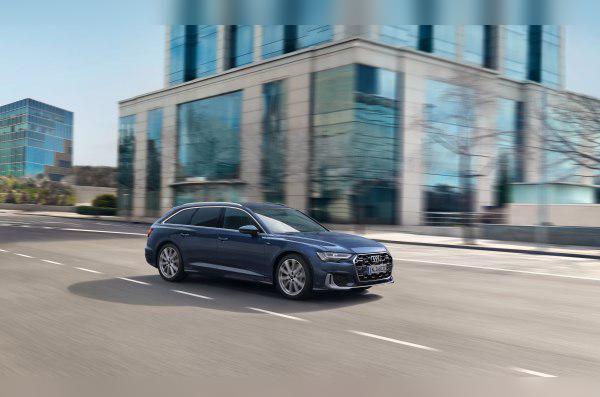
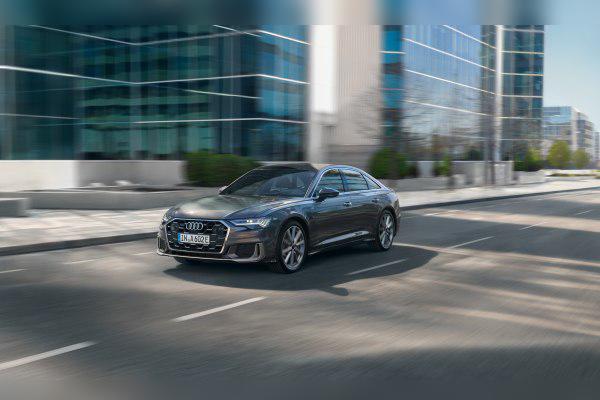
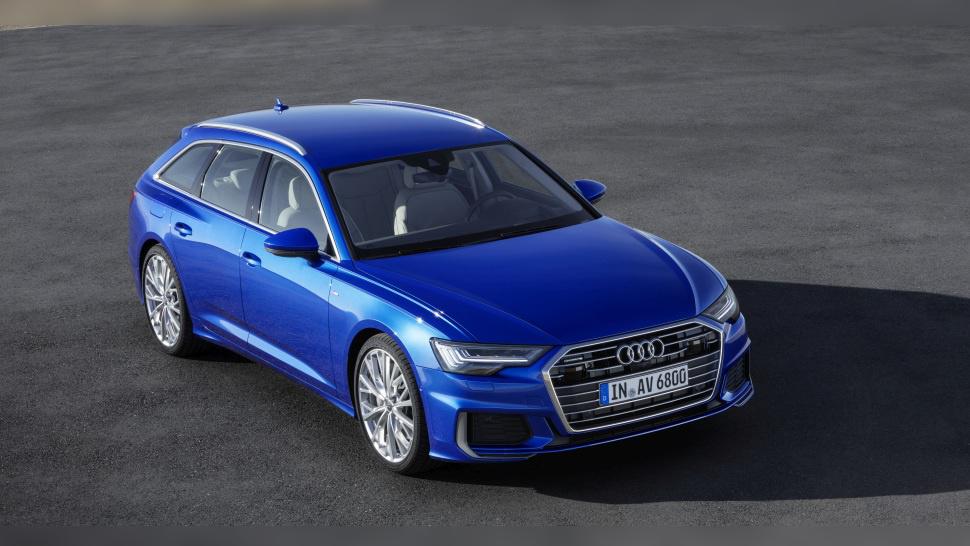
When it comes to premium diesel engines, Audi’s 3.0 V6 TDI has been the class benchmark for decades. The engine code EA897evo3 (with the specific code DMGA) represents the peak of this powerplant’s evolution. It is installed in Ingolstadt’s heavy hitters under the 50 TDI badge (Audi A6, A7, Q5). This generation delivers 286 hp, a monstrous 620 Nm of torque and mandatory support from a 48‑volt Mild Hybrid (MHEV) system. It is an engine designed to devour hundreds of motorway kilometres in near-total silence, while keeping fuel consumption within reasonable limits.
Technical specifications
| Specification | Data |
|---|---|
| Displacement | 2967 cc |
| Power | 210 kW (286 hp) |
| Torque | 620 Nm (from 2250 to 3000 rpm) |
| Engine code | EA897evo3 / DMGA |
| Injection type | Common Rail (piezo injectors) |
| Charging system | Single variable-geometry turbocharger (VGT) + intercooler |
| Hybrid system | 48V Mild Hybrid (MHEV) – BAS system |
Reliability and maintenance (service and oil)
The core of this engine block is built to last, but the peripheral systems require a deeper wallet and regular maintenance.
Timing: chain or belt?
This engine uses a timing chain. The chain is located at the rear of the engine (facing the cabin/gearbox). This means that when the time comes for a major timing service, the job requires removing the engine or lowering the entire front subframe with the gearbox, which is a very expensive procedure (depends on market). There is no strictly prescribed mileage interval for chain replacement. In practice, the major timing service is done only when the chain starts rattling on cold start (usually between 200,000 km and 250,000 km).
Oil capacity and grade
The sump of this V6 monster holds about 6.1 to 6.5 litres of oil (the exact amount depends on the VIN and filter size). A high-quality synthetic oil of 0W‑30 or 5W‑30 grade is recommended, which must strictly meet the VW 507.00 specification, essential for preserving the DPF. An oil service on this engine is recommended every 15,000 km (or once a year), ignoring the factory “LongLife” intervals of 30,000 km, which accelerate wear. The engine tends to consume very little oil between services. Consumption of up to 0.3 to 0.5 litres per 10,000 km is considered normal. If you notice a larger drop, the issue may be leaking seals or turbocharger wear.
Specific components and most common failures
Although mechanically robust, the EA897evo3 comes with very complex systems whose repair can be a real headache.
Injection system and turbocharger
It is equipped with an upgraded Bosch Common Rail system with piezo injectors. The injectors are generally excellent and, with quality fuel, can last for over 250,000 km. When they fail, refurbishment is often impossible or not cost-effective, so they are replaced as a set (which is expensive – depends on market). Symptoms of injector issues include rough idle, increased fuel consumption and white/black smoke under acceleration.
The engine has a single large turbocharger with variable geometry (VGT). It is very durable, but sensitive to oil quality. Recommendation: always let the engine idle for about 30 seconds before switching it off so the turbo can cool down, especially after spirited driving.
Emissions: DPF, EGR and the notorious AdBlue
This system is the most common cause of workshop visits. The engine is fitted with a complex exhaust aftertreatment system consisting of a DPF, EGR valve and SCR catalyst (AdBlue).
- EGR and DPF: If the car is driven mostly in the city, the EGR valve and intake manifold will inevitably clog up with soot. The DPF will start frequent regenerations, which can lead to diesel mixing with engine oil (the oil level on the dipstick rises).
- AdBlue system: This is a critical point of all modern diesels. Pumps in the AdBlue tank, the fluid injector or the NOx sensors (there are two of them) often fail due to fluid crystallisation. The symptom is a check engine light and the dreaded warning on the dashboard: "No engine start in 1000 km". Fixing these issues with replacement parts is very expensive (depends on market).
Gaskets and coolant leaks
As with previous generations of this block, the so‑called “V” space between the cylinder banks (where the EGR cooler and oil filter housing sit) can develop gasket failure over time. This manifests as a mysterious loss of coolant or traces of oil running down the rear of the engine.
Fuel consumption and performance
Performance is brutal, but the initial power delivery has been the subject of much debate.
“Laziness” and turbo lag (throttle lag)
This is the most common complaint from drivers of pre‑facelift A6 and A7 50 TDI models (from 2018 to 2020). When you floor the throttle from a standstill or during a sudden overtaking manoeuvre, the engine and gearbox show a pronounced delay (“lag”) of almost a full second before the car takes off. This is not a mechanical fault, but a software issue caused by strict WLTP regulations and gearbox calibration. Over time, Audi has released software updates that mitigate this problem. Once the revs climb above 2000 rpm, the engine pulls ferociously.
Real-world consumption and cruising
In stop‑and‑go city driving, due to the heavy body (almost 2 tonnes in the A6/Q5) and all‑wheel drive, real fuel consumption is between 9 and 11 l/100 km, regardless of the Mild Hybrid assistance.
Its true home is the motorway. At 130 km/h in 8th gear, the engine cruises relaxed at an incredible 1,600 to 1,700 rpm. There, consumption is around 6.0 to 7.0 l/100 km, which is a fantastic result for this level of power and weight.
Transmission: maintenance and failures
Because of the colossal 620 Nm of torque, Audi could not use its S tronic (dual‑clutch) gearbox here. The engine is paired exclusively with ZF’s 8‑speed Tiptronic automatic gearbox (hydrodynamic torque converter).
Dual-mass flywheel and clutch?
This type of gearbox does not have a conventional clutch; it uses a torque converter instead. Technically, the car does have a flexible (dual‑mass) flywheel to dampen vibrations, but thanks to the torque converter it is under far less stress than in manual gearboxes or S tronic units. Flywheel failures with this engine/gearbox combination are extremely rare and typically occur only at very high mileages.
Gearbox failures and maintenance
The ZF 8HP Tiptronic is one of the best and most reliable gearboxes in the world. However, Audi often claims that the gearbox oil is “lifetime”. From the standpoint of vehicle longevity, this is not true. Reputable automatic transmission specialists, as well as ZF itself, strongly recommend changing the gearbox oil and filter every 80,000 to 100,000 km. If the oil is changed regularly, the gearbox will outlive the bodywork. Otherwise, you may experience harsh shifts, jerks (especially when downshifting from 3rd to 2nd), which then require mechatronics refurbishment.
Extras and modifications (chiptuning)
The EA897evo3 engine responds extremely well to software power increases (Stage 1). Since the turbo and block are over‑engineered, simply loading a new map (with no physical engine modifications) safely and reliably raises power to about 330–340 hp, while torque climbs to around 720 Nm.
Warning: To avoid issues with power delivery and to keep the car driving smoothly, it is strongly recommended to remap the gearbox control unit (TCU remap) along with the engine “chip”.
Buying used and conclusion
What must you check before buying?
- Cold-start sound test: Let the car sit overnight. At the first morning start, listen to the rear of the engine. A metallic knocking sound for 2–3 seconds indicates that the chain tensioners have weakened and that an extremely expensive major timing service is ahead.
- Diagnostic scan (VCDS/ODIS): Be sure to read the ash and soot load values in the DPF. Check the fault history – communication errors with the NOx sensor or low pressure from the tank pump are a clear sign of AdBlue system issues.
- Visual engine inspection: Take a torch and look into the “V” space under the plastic cover. If you see traces of pink or purple fluid in the valley, the EGR cooler gaskets are leaking.
- Gearbox test drive: The gearbox must shift completely imperceptibly. Any thump when engaging “D” or “R” is a reason to walk away from the deal.
Who is this engine for?
The 3.0 V6 TDI 50 TDI (286 hp) engine is made for managers, families and drivers who cover hundreds of motorway kilometres every month. If you need a car that feels rock‑solid on open roads and overtakes long lines of traffic on country roads with ease, very few engines on the market offer this level of confidence.
On the other hand, if you need a car for a 5‑kilometre house‑to‑work commute through city congestion, buying this engine will be an expensive mistake. You will quickly clog the DPF, ruin the EGR, and fuel consumption of over 10 litres plus expensive maintenance (depends on market) will drive you mad.