BMW B58B30A (3.0 326 hp): Experiences, issues, fuel consumption and used-car buying tips
Key points (TL;DR)
- Architecture: One of the most reliable modern BMW engines (inline-six, closed-deck block).
- Timing drive: Uses a timing chain located at the rear of the engine (towards the cabin), which makes replacement more difficult if needed.
- Most common issues: Coolant loss (water pump or expansion tank cap) and PCV valve diaphragm failure.
- Performance: Brutal power and torque delivery from very low revs; not “lazy” at all for 3 and 4 Series bodies.
- Tuning potential: Often called the “German 2JZ” because it can handle huge power increases with software tuning alone (Stage 1).
- Gearbox: The ZF 8-speed automatic is absolute perfection, but requires regular oil changes.
Contents
- Introduction: A successor that made history
- Technical specifications
- Reliability and maintenance: Chain, oil and servicing
- Specific components: Turbo, injection and emissions
- Real-world fuel consumption and performance
- Extras: LPG and remapping
- Gearbox: Manual and automatic (ZF8)
- Buying used and conclusion
Introduction: A successor that made history
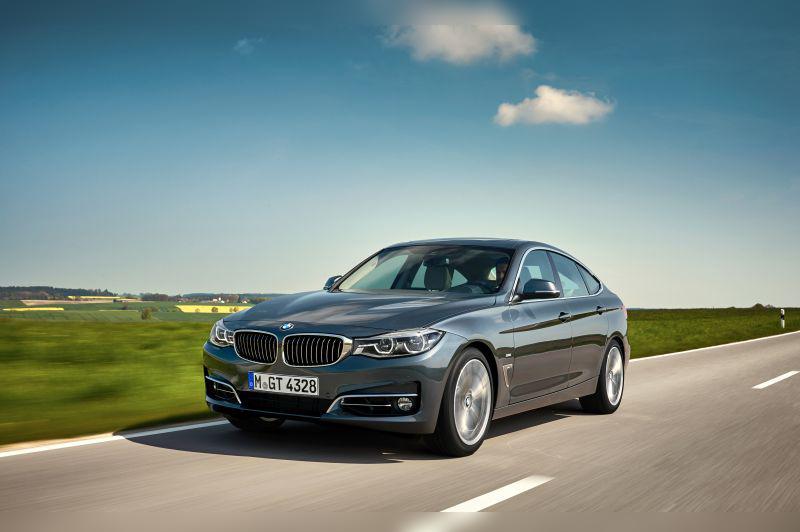
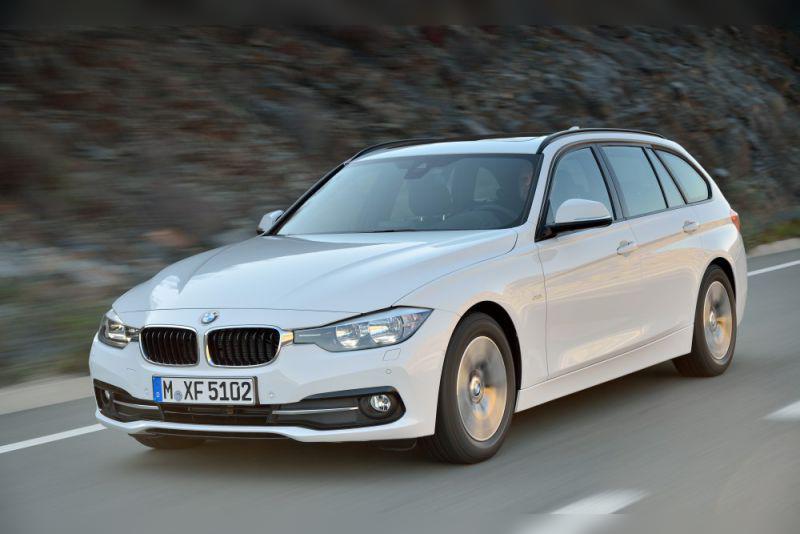
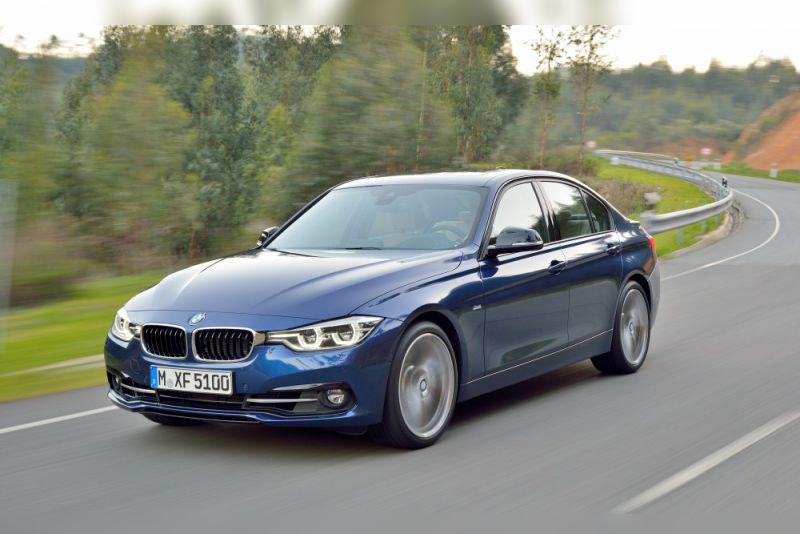
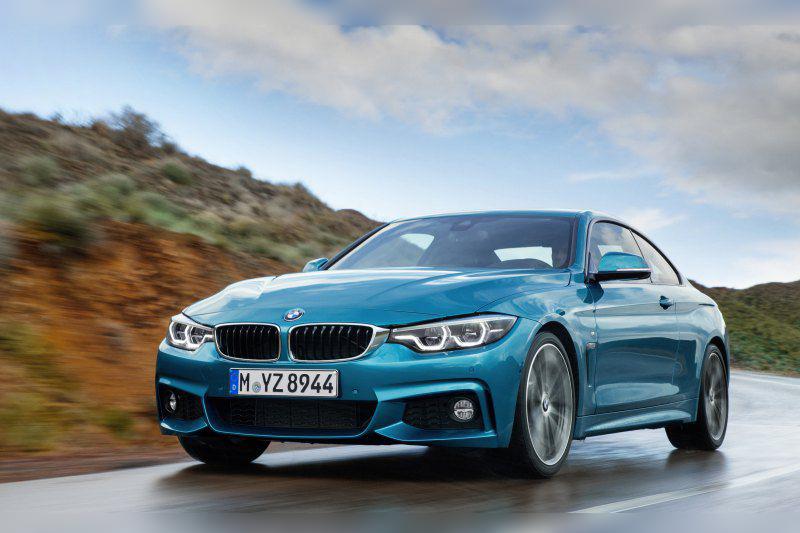
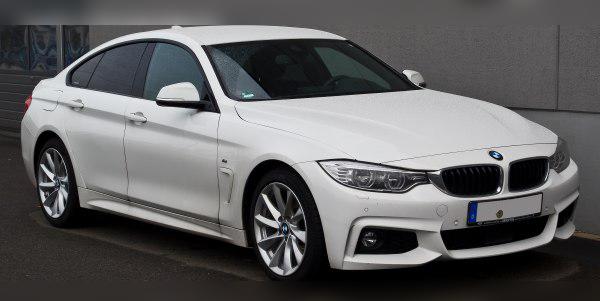
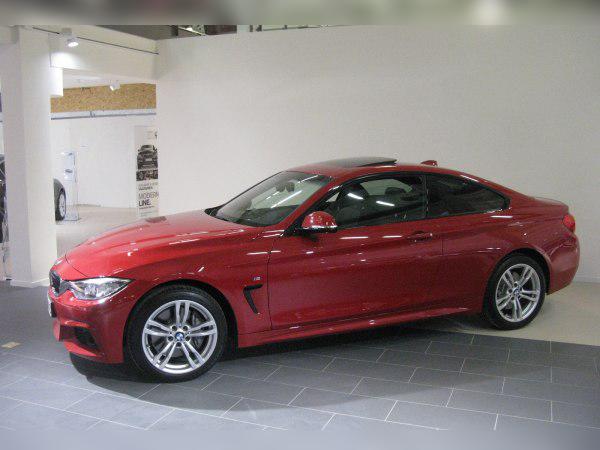
When BMW introduced the B58B30A engine as a replacement for the older N55, the automotive industry got a true engineering masterpiece. This 3.0-liter inline-six with 326 hp started appearing in facelifted (LCI) 3 Series (F30, F31, F34) and 4 Series (F32, F33, F36) models under the 340i and 440i badges. Thanks to its closed-deck block design, the B58 brought a robustness reminiscent of the golden age of mechanical engineering, and it also became the basis for the Toyota Supra. If you’re looking for a civilized yet incredibly powerful engine, you’re in the right place.
Technical specifications
| Parameter | Value |
|---|---|
| Engine code | B58B30A |
| Displacement | 2998 cc |
| Power | 240 kW (326 hp) @ 5500–6500 rpm |
| Torque | 450 Nm @ 1380–5000 rpm |
| Injection type | Direct injection (High Precision Injection) |
| Charging system | TwinPower Turbo (single turbo with twin-scroll technology) + intercooler |
Reliability and maintenance: Chain, oil and servicing
This engine uses a timing chain for the valve train. From an engineering standpoint, BMW placed it at the rear of the engine (towards the firewall and gearbox). The good news is that this chain is significantly thicker and more durable than on the notorious N47 diesels, and it rarely snaps or stretches before 250,000 km. A “major service” in the classic sense is not done at a fixed mileage; instead, chain condition is monitored via diagnostics and by listening to the engine on a cold start. However, if the chain does need to be replaced, the engine has to be removed from the car, which makes the job very expensive (depends on the market).
When it comes to the most common failures, the B58 has a few “childhood diseases”:
- Coolant (antifreeze) loss: This is the best-known weakness. The cap on the expansion tank often leaks (it doesn’t hold pressure properly), or the seals on the mechanical water pump fail. The driver will see a low coolant level warning on the instrument cluster. It’s important to check the level regularly and fix any leaks to avoid overheating.
- PCV valve (oil separator): The diaphragm inside the valve cover tends to crack due to age and heat. Symptoms include rough idle, a hissing/whistling noise from the engine bay, and increased oil consumption. Officially, the entire valve cover is replaced, which is not cheap, but there are aftermarket solutions for the diaphragm alone.
- VANOS actuators: The solenoid valves that control variable valve timing can fail, causing rough running, loss of power and a Check Engine light.
For a regular oil service, the B58B30A takes about 6.5 liters of engine oil. The factory recommends 0W-20 for emissions reasons, but any experienced mechanic will suggest a quality 5W-30 or even 5W-40 oil that meets BMW LL-01 or LL-04 specs for this engine (especially in summer and with spirited driving). This engine is not known as an “oil burner” like older V8 petrols; consumption of 0.5 to 1 liter between services (over 10,000 to 15,000 km) is considered completely normal. Do not wait for the factory’s 30,000 km interval for an oil change!
Since this is a powerful turbocharged petrol engine with direct injection, spark plugs must be replaced every 50,000 to 60,000 km. If the engine is remapped (chipped), the spark plug replacement interval drops to 25,000 to 30,000 km.
Specific components: Turbo, injection and emissions
This model, regardless of whether it has a manual or automatic gearbox, is equipped with a dual-mass flywheel. In automatic cars it dampens torsional vibrations and rarely fails, while in the rare manuals it is more prone to wear and its replacement is expensive (depends on the market).
The engine uses a high-pressure direct injection system. The petrol injectors themselves are reliable but require good-quality fuel. If you notice pronounced “stuttering” or hesitation under acceleration at high revs, it’s possible that one of the injectors is dirty or damaged. Also, due to direct injection, carbon builds up on the intake valves over time, so after around 150,000 km it’s advisable to perform so-called walnut blasting with crushed walnut shells.
Although the spec sheet says “TwinPower Turbo”, it’s important to clarify: the B58 has a single turbocharger with twin-scroll technology (two scrolls in the housing for faster response). The lifespan of this turbo is excellent; with regular oil changes it can easily exceed 200,000 km. Interestingly, the intercooler is not a classic air-to-air unit in the bumper, but an air-to-water unit integrated into the intake manifold, which dramatically reduces turbo lag.
As for emissions, since this is a thoroughbred petrol engine, it has no DPF filter and no AdBlue system (saving you the major headaches diesel owners face). It has catalytic converters and a standard fuel evaporation system, and models produced before July 2018 (which covers most 326 hp versions) in many cases don’t have a GPF/OPF (gasoline particulate filter) either, which gives them a beautiful, natural exhaust note.
Real-world fuel consumption and performance
Is this engine “lazy” for a 3 or 4 Series body? Absolutely not. With 450 Nm of torque available from an incredibly low 1380 rpm, this engine pulls linearly and brutally like a strong diesel, yet happily revs to 7000 rpm with that unmistakable straight-six growl.
Despite its power, BMW has calibrated fuel consumption very well. Real-world city driving is between 11 and 14 l/100 km, depending on how heavy your right foot is and how bad the traffic is. xDrive (all-wheel drive) usually adds about 1 liter to overall consumption due to the extra weight.
On the motorway, the B58 shows its cruising character. Paired with the 8-speed automatic, in top gear at 130 km/h the engine hums along at a relaxed ~2000 to 2100 rpm. Consumption in these conditions is an impressive 7.5 to 8.5 l/100 km. The driving feel is sovereign – you always have a reserve of power for safe overtakes without the gearbox needing to drop two gears.
Extras: LPG and remapping
If you’re considering installing an LPG system – forget it. Because of the direct fuel injection system, extremely high pressures and complex electronics, fitting LPG to a B58 is a technical nightmare, prohibitively expensive, and completely defeats the purpose of buying such a performance engine. If you want to save money at the pump, avoid the 340i/440i.
On the other hand, for tuning enthusiasts, the B58 is the “holy grail”. Its closed-deck block can withstand enormous loads. A safe remap (Stage 1 tune) without any mechanical modifications raises power from the stock 326 hp to around 400–420 hp, and torque goes beyond 550 Nm. The car then becomes a serious supercar killer, while engine reliability remains intact, provided you strictly follow shortened oil service intervals and use only premium 98 or 100 octane petrol.
Gearbox: Manual and automatic (ZF8)
Two gearboxes were offered with this engine: the rare 6-speed manual and the fantastic 8-speed automatic ZF 8HP50 (Steptronic).
The vast majority of cars (over 90%) on the market are automatics. Common failures on the ZF 8-speed are almost non-existent, under one condition – that it has been regularly maintained. BMW officially claims that the gearbox oil is “lifetime”, which is an engineering fallacy. The gearbox manufacturer (ZF) categorically states that the oil and filter (gearbox pan) must be replaced every 80,000 to 100,000 km. Symptoms of a neglected gearbox include jerks when shifting from “P” to “D” or “R”, as well as hesitation when you suddenly floor the throttle.
If you do find a manual gearbox, it is robust, but the second-gear synchros can suffer from aggressive shifting. In addition, you should factor in regular clutch wear and the aforementioned dual-mass flywheel. Replacing the complete clutch kit with the flywheel is expensive (depends on the market).
Buying used and conclusion
What exactly should you check before buying?
When looking at a used BMW 340i or 440i with the B58 engine, insist on a completely cold start. Put your ear close and listen to the sound in the first few seconds – if you hear metallic rattling from the rear of the engine, it’s a sign of a stretched chain or a worn tensioner. Also listen for a high-pitched whistling sound from the top of the engine, which indicates a torn PCV diaphragm.
Be sure to inspect the engine bay with a flashlight: look for white traces of dried coolant around the water pump area and around the black plastic expansion tank cap. Plugging into OBD diagnostics is a must – check injector corrections and misfires on individual cylinders. Check the service history – a car that has been thrashed on track and had its oil changed every 30,000 km is a money pit.
Final conclusion
The 326 hp BMW B58B30A in F-generation models represents the pinnacle of modern engineering from Munich. This is not a car for everyone and definitely not a budget-friendly vehicle to maintain. It is aimed at serious enthusiasts who want refinement in everyday driving and pure, raw power when they press the accelerator, accompanied by the soundscape that only inline-sixes can offer. If you find a car with a proper service history and documented oil changes in the ZF gearbox – buy it; this is an engine that will put a smile on your face every time you touch the throttle.