BMW B58B30A (340 hp): Experiences, issues, fuel consumption and used car buying tips
Key points in short (TL;DR)
- Top-tier engineering: Considered one of the most reliable modern inline-sixes on the market, with an exceptionally strong closed-deck engine block.
- Timing system: Uses a chain positioned at the rear of the engine (towards the cabin), which makes work more difficult and expensive, but it rarely fails.
- Most common issues: Coolant loss (water pump and oil filter housing) and failure of the PCV valve membrane.
- Fuel consumption: Extremely efficient on the highway (around 8 l/100 km), but in the city it easily goes over 13–14 l/100 km.
- Tuning potential: The engine is “factory detuned” – with a basic software remap (Stage 1) it easily exceeds 400 hp on stock hardware.
- Maintenance: Regular oil changes every 10,000 to 15,000 km at most are crucial for the longevity of the turbo and timing system.
Contents
- Introduction: More than just an inline-six
- Technical specifications
- Reliability and maintenance
- Specific components and costs
- Fuel consumption and performance
- Additional options and modifications
- Transmission and drivetrain
- Buying used and conclusion
Introduction: More than just an inline-six
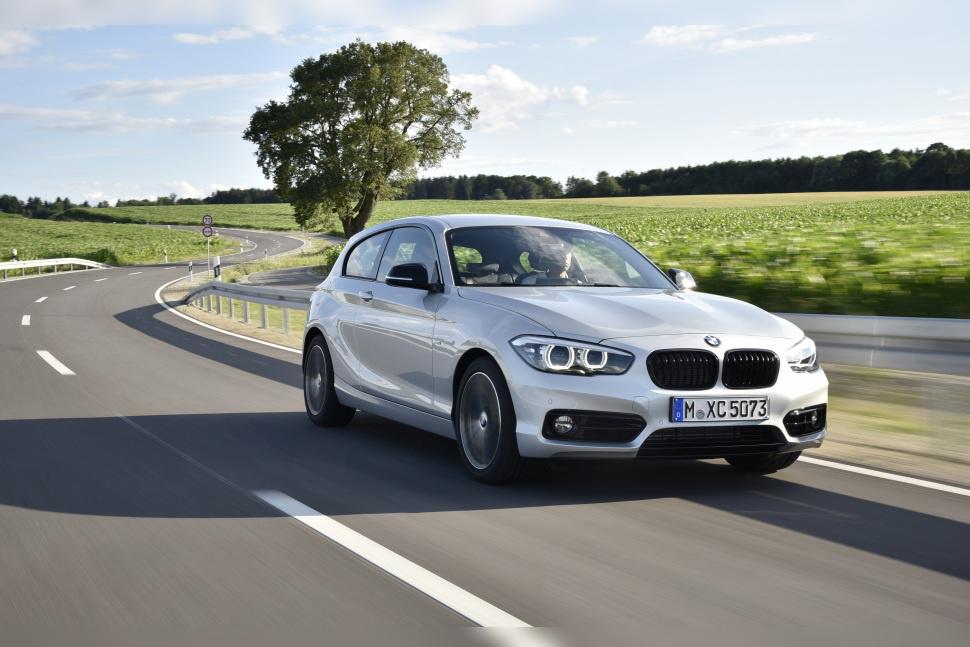
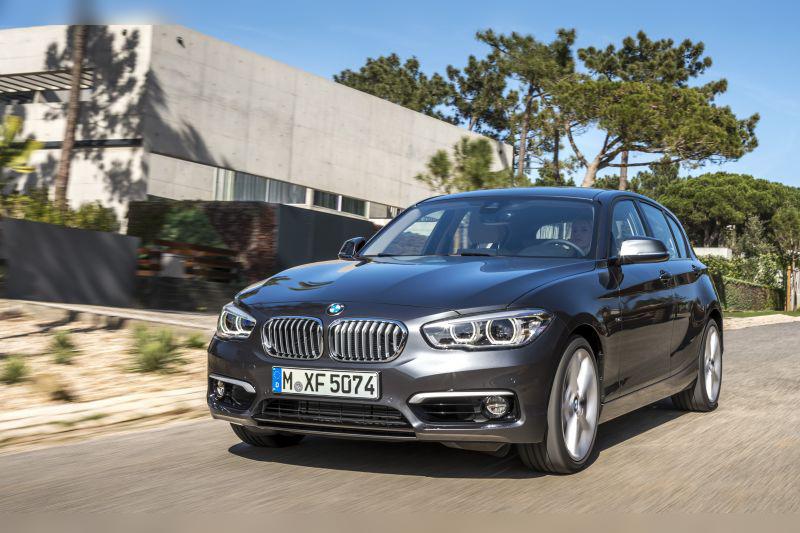
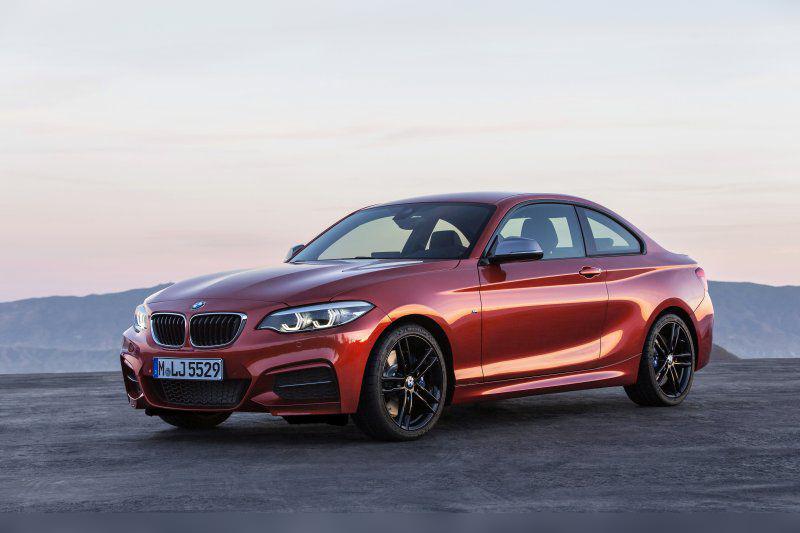
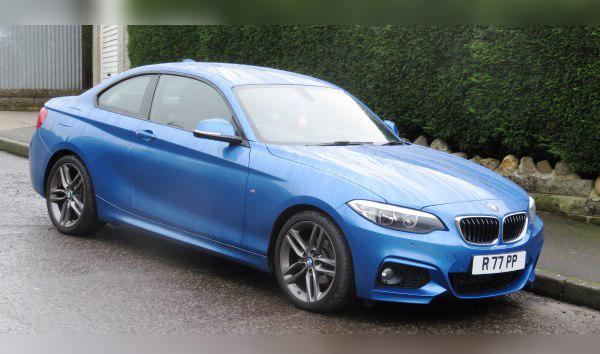
When BMW introduced the B58 engine generation as the successor to the somewhat problematic N55, the automotive industry got a powerplant that is now considered a modern classic. The designation B58B30A refers to the first iteration of this three‑liter inline-six that debuted with 340 hp. It was installed in top compact models such as the BMW 1 Series (M140i F20/F21 LCI) and 2 Series (M240i F22/F23), turning these cars into true street missiles.
What sets this engine apart is the return to a so‑called closed‑deck architecture, which gives it incredible structural rigidity, similar to legendary old Japanese or early German engines. Whether you choose rear‑wheel drive or xDrive, the B58 is the heart that fundamentally changes the character of the car.
Technical specifications
| Parameter | Value |
|---|---|
| Engine code | B58B30A |
| Displacement | 2998 cc |
| Power | 250 kW (340 hp) |
| Torque | 500 Nm (from 1520 to 4500 rpm) |
| Fuel type | Petrol |
| Injection type | Direct injection |
| Forced induction | Twin‑scroll turbo (TwinPower), water‑to‑air intercooler |
Reliability and maintenance
Timing system and major service
Unlike older generations, the B58 uses a chain to drive the camshafts. What’s specific to the B‑series engines is that the timing system is located at the rear of the engine, right next to the firewall. Fortunately for owners, BMW learned its lesson here. The chain is massive, robust, and on this engine it is not considered a consumable. A classic “major service” (in the sense of chain replacement) is not done at a fixed interval, but only when diagnostics or noise indicate stretching, which on stock engines is rare before 250,000 km. Chain replacement work is very expensive (depends on the market) because it requires removing the engine or transmission.
What is replaced as part of a “larger” service around 100,000 km are the auxiliary belt, idler pulleys, tensioners and, often preventively, the water pump.
Oil and service intervals
The sump of this engine holds exactly 6.5 liters of oil. Although the factory, for ecological reasons, often recommends very thin 0W‑20 oil, for sporty models and spirited driving experienced mechanics in Europe advise switching to 5W‑30 or 5W‑40 (with the appropriate BMW Longlife‑04 or LL‑01 specification, depending on the presence of a particulate filter). Change the oil strictly every 10,000 to 15,000 km, never at the factory‑stated 30,000 km.
As for oil consumption, the B58 is not known as an “oil drinker”. Normal consumption means up to 0.5 liters per 5,000 km, especially if driven at high revs. Anything above that requires inspection.
Spark plugs and ignition
Since the B58 is a powerful turbocharged petrol engine, the spark plugs are under heavy load. The factory replacement interval is around 60,000 km, but if you have a heavy right foot, it is advisable to shorten the interval to 40,000 km. Symptoms of worn spark plugs include slight hesitation under acceleration at high revs and rough idle (misfire).
Most common failures
The B58B30A is extremely reliable, but it does have a few known “teething problems”:
- PCV valve (crankcase ventilation system): The membrane inside the valve cover can tear. The driver will notice this as a loud, high‑pitched whistling sound from the engine bay (similar to a slipping belt), increased oil consumption and bluish smoke from the exhaust at idle. Replacement is not too expensive (depends on the market) if only the membrane is changed, but the official procedure often requires replacing the entire cover.
- Coolant loss: This is the most common issue. Coolant usually leaks from the mechanical water pump or the heat management module. The expansion tank cap can also weaken and let vapors escape. Always check the coolant level.
- Oil filter housing: The plastic housing can degrade over time due to heat cycles, which can lead to minor mixing of oil and coolant or external leaks. Replacement is necessary at the first signs of dampness.
Specific components and costs
Turbo system
This engine uses a single large twin‑scroll turbocharger (hence the name TwinPower, meaning two exhaust gas streams feeding one turbine, not two separate turbos). The turbo is very durable, water‑ and oil‑cooled, and its lifespan often matches that of the engine itself, provided oil is changed on time and the engine is allowed to idle for a couple of minutes after hard driving.
Injection and emissions
The B58 uses high‑pressure direct fuel injection. The injectors themselves are reliable, but very sensitive to poor fuel quality. If they fail, the engine will run unevenly, be harder to start, and replacement is expensive (depends on the market). The high‑pressure fuel pump (HPFP) handles stock power without issues.
Since this is a petrol engine, it does not have a DPF filter, nor does it use AdBlue. It also does not have a traditional soot‑clogging EGR valve; exhaust gas recirculation is controlled by variable valve timing and lift via the VANOS and Valvetronic systems. Note: Later models (built from late 2018 due to the Euro 6d‑Temp standard) may have an OPF/GPF (gasoline particulate filter) in the exhaust, which slightly muffles the engine sound but rarely causes problems like a diesel DPF.
Fuel consumption and performance
In models such as the M140i and M240i, which weigh around 1,500 to 1,600 kg, this engine delivers performance on par with former supercars (0–100 km/h in under 4.5 seconds, especially with xDrive). Is the engine “lazy”? Absolutely not – throttle response is brutal thanks to the twin‑scroll turbo that delivers 500 Nm as early as 1,520 rpm.
Regarding fuel consumption:
- City driving: Expect a realistic 12 to 15 l/100 km. In heavy stop‑and‑go traffic there is no magic that will make a 3.0‑liter six‑cylinder sip fuel.
- Highway: This is where the B58 shines. Paired with the 8‑speed automatic, at 130 km/h the engine turns barely 2,000 rpm. Fuel consumption then drops dramatically to around 7.5 to 8.5 l/100 km, making it an excellent GT cruiser.
Additional options and modifications
Chiptuning (remap)
In the tuning world, the B58 has earned the status of a “modern 2JZ engine”. Thanks to the extremely strong engine base, a Stage 1 software tune (with no mechanical changes) safely raises power from 340 hp to 400–420 hp, with torque close to 600 Nm. The engine can handle this without any issues, provided it is serviced regularly and high‑octane quality fuel (100 RON) is used.
LPG conversion
Although it is technically possible to install complex LPG systems for direct injection engines, in practice this is strongly discouraged on this engine. Performance would suffer, the valves (which are otherwise cooled only by evaporated petrol) would be more prone to overheating, and calibrating such a system is extremely difficult. For this type of vehicle, an LPG conversion is mechanically and economically unjustifiable.
Transmission and drivetrain
In 1 and 2 Series models, the B58B30A was paired with two transmission options:
Automatic transmission (Steptronic)
The most common and by far the most desirable option is the ZF 8HP50 8‑speed automatic. The gearbox is a masterpiece of engineering. It does not use a dual‑mass flywheel, but a torque converter. Failures are extremely rare if it is not abused before the oil warms up. Important: BMW claims the transmission oil is “lifetime”, but the gearbox manufacturer ZF strictly prescribes changing the oil and pan‑filter every 80,000 to 120,000 km or at most every 8 years. The service is expensive (depends on the market), but far cheaper than repairing the transmission itself.
Manual transmission
Although rare, the 6‑speed manual offers purist driving pleasure. If you choose a manual, be aware that it has a dual‑mass flywheel. With this much power and 500 Nm of torque, especially with inexperienced drivers who launch the car harshly, the clutch and flywheel are under enormous stress. The most common issues include worn clutches and damaged synchros if gears are forced aggressively. Replacing the complete clutch kit and dual‑mass flywheel is very expensive (depends on the market).
Buying used and conclusion
What to check when buying?
When looking at an M140i or M240i with this engine, pay attention to the following:
- Cold start: The engine should start without any metallic rattling from the rear (chain) and without stumbling. Idle should stabilize smoothly.
- Smell under the hood: Once the engine is warm, open the hood. If you notice a sweet smell, coolant (antifreeze) is leaking somewhere. Inspect the oil filter housing and the front of the engine carefully.
- Exhaust smoke: Bluish or thick white smoke at idle or when blipping the throttle may indicate a PCV valve problem or, more rarely, a turbo issue.
- Diagnostics: ALWAYS connect proper BMW diagnostics. Check boost pressure values, injector opening times and misfire codes. Also check whether the engine is losing pressure in the intake manifold.
- Service history: Given the nature of these cars (spirited driving, drifting), check the condition of the rear suspension, differential, and whether the car has already been tuned (which can be seen from the ECU flash counter).
Final verdict
In compact models such as the 1 and 2 Series, the BMW B58B30A represents the pinnacle of engineering and one of the best cars for driving enthusiasts. It is powerful, surprisingly reliable, and offers an exhaust note rarely heard in the modern era. It is intended for drivers who know what they want, who understand how to properly warm up and cool down a turbo engine, and who are willing to follow strict maintenance intervals. Buying a car with a well‑documented service history means you are getting a machine that will put a smile on your face every time you press the throttle.