BMW B58 (B58B30C) 340 hp: Ownership impressions, issues, fuel consumption and used-buying guide
Key points (TL;DR)
- Performance and reliability: The B58 is one of the best modern inline-sixes. Extremely reliable, flexible and powerful.
- Timing drive: Uses a timing chain mounted at the rear of the engine. It has proven to be significantly more durable than previous generations.
- Critical points: Coolant loss (water pump, oil filter housing) and the PCV valve membrane are the most common issues.
- Gearbox: Almost exclusively paired with the fantastic ZF 8HP automatic transmission, which requires regular oil changes.
- Tuning potential: The closed-deck block can handle serious power increases. A Stage 1 tune easily delivers over 400 hp.
- Fuel consumption: For a 3.0-liter, 340 hp engine it is surprisingly economical on the open road, while city consumption is understandably higher.
- Maintenance: Not cheap. Requires premium oil and regular servicing to remain reliable in the long run.
Contents
- Introduction: A gem from Munich
- Engine technical specifications
- Reliability, maintenance and common failures
- Specific components, turbo and emission systems
- Real-world fuel consumption and performance
- LPG and tuning (Stage 1)
- Transmissions, torque converter and servicing
- Buying used and final verdict
Introduction: A gem from Munich
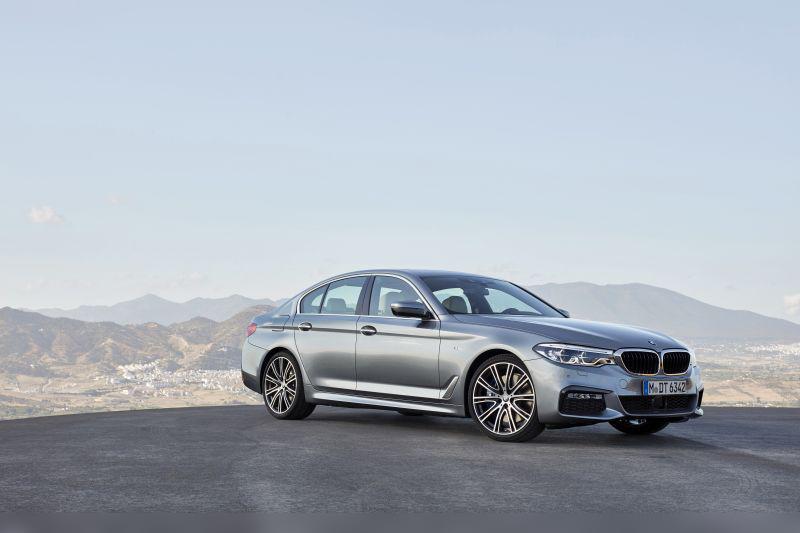
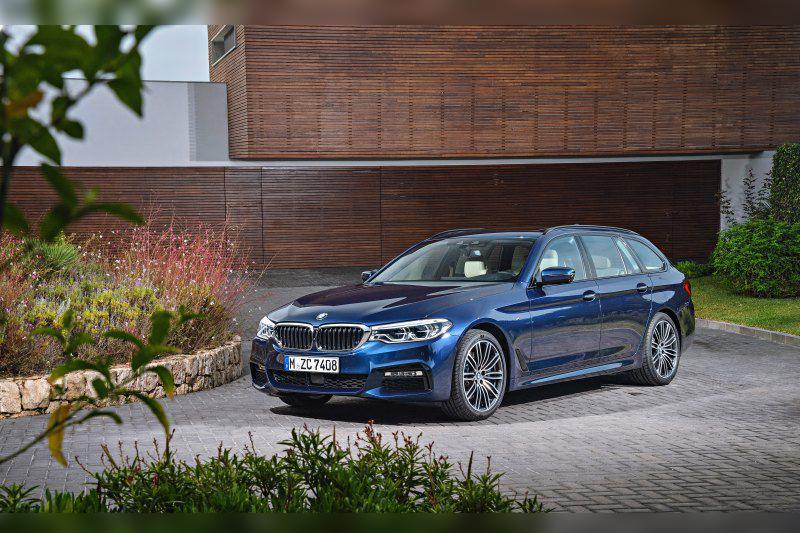
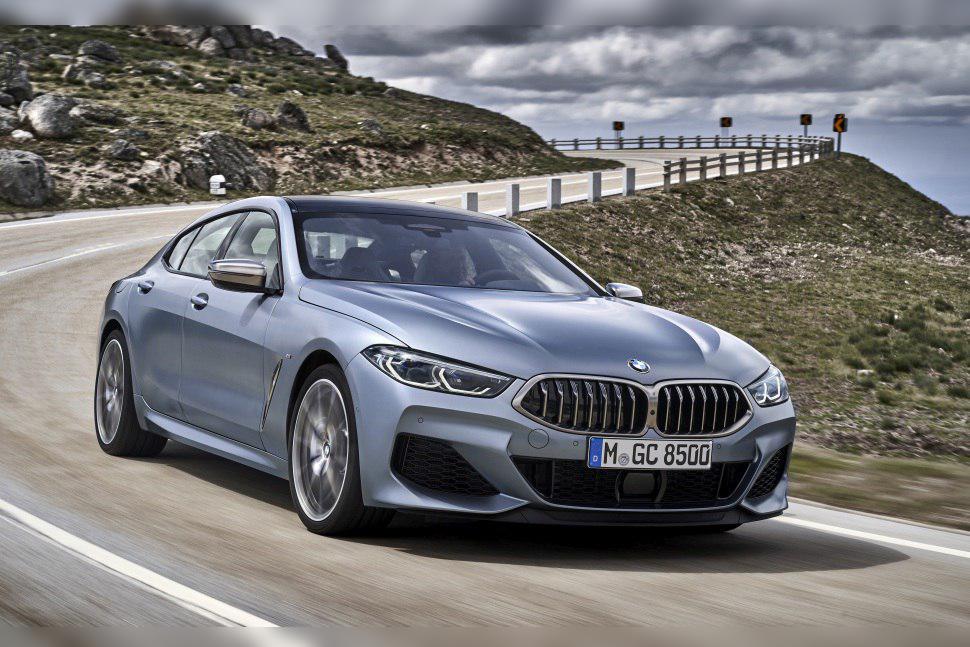
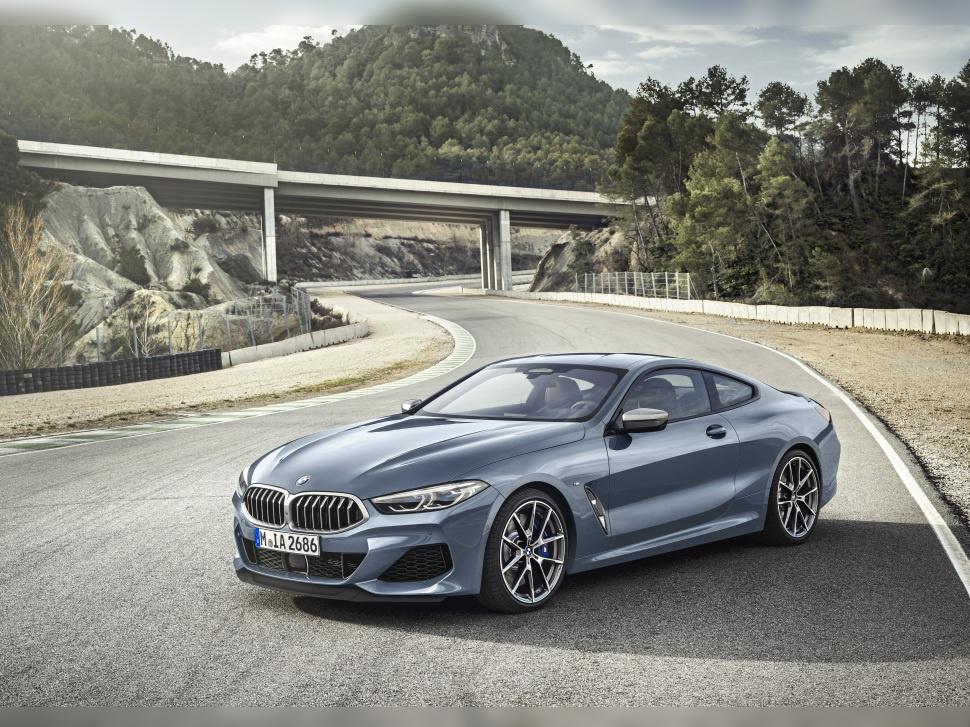
When talking about modern car engines that have already achieved cult status, BMW’s B58 inline-six sits right at the top. The variant designated B58B30C delivers 250 kW (340 hp) and a hefty 500 Nm of torque. This engine is the successor to the N55 unit and has corrected most of its predecessor’s teething problems. It is installed in a wide range of vehicles, from business saloons like the 5 Series (G30), through luxury cruisers like the 8 Series (G16), all the way to heavyweights from the X range (X5 G05, X7 G07) and the sporty Z4 (G29).
Engine technical specifications
| Specification | Value |
|---|---|
| Displacement | 2998 cc |
| Engine power | 250 kW (340 hp) |
| Torque | 500 Nm |
| Configuration / Block | Inline 6 (I6) / Closed-deck block |
| Engine code | B58B30C |
| Injection type | Direct fuel injection |
| Intake / Forced induction | Twin-scroll turbocharger, water-cooled intercooler |
Reliability, maintenance and common failures
Timing system (chain) and major service
The B58 uses a timing chain located at the rear of the engine (next to the gearbox). Unlike older, problematic series, the timing chain on the B58 is extremely durable. A classic “major service” in the sense of preventive replacement at 100,000 km is not performed. Intervention is only recommended once the chain becomes audible (usually on cold start) or diagnostics report timing deviations, which is rare before 200,000 to 250,000 km. Due to the chain’s position, replacement requires removal of the engine or gearbox, which makes this job quite expensive (cost depends on the market).
Minor service: Oil, filters and spark plugs
This inline-six takes about 6.5 liters of engine oil. The recommended viscosity is 0W-20, 0W-30 or 5W-30 with BMW LL-01 or LL-04 approval (depending on production year and presence of an OPF filter). Although the manufacturer specifies service intervals of 25,000 to 30,000 km, my strong recommendation is to change the oil every 10,000 to 15,000 km to protect the turbo and VANOS system. Since this is a powerful petrol engine, spark plugs should be replaced every 60,000 km. Skipping spark plug replacement can lead to coil failure, resulting in hesitation under acceleration.
As for oil consumption, the B58 is quite moderate. Consumption of up to 0.5 liters per 10,000 km is considered normal. If you notice that the engine uses a liter of oil every 2,000 km, that indicates a problem.
Most common engine issues
Although reliable, the B58 is not indestructible. The most important issues to watch out for are:
- Coolant loss: The B58 has two cooling systems (main and one for the intercooler/turbo). Micro-leaks often occur at the main water pump or radiator, so you may need to top up coolant from time to time. If you ignore this, serious overheating can occur.
- PCV valve (crankcase ventilation system): The membrane in this valve eventually fails. Symptoms include a whistling noise from the engine under load, increased oil consumption and smoke from the exhaust. The problem is that the PCV is integrated into the valve cover, so it is replaced as a complete unit, which is expensive (cost depends on the market).
- Oil filter housing: It often fails due to over-tightening during minor services or due to material aging, which leads to oil leaking down the engine block. This is why minor services must be done exclusively by a professional using a torque wrench.
Specific components, turbo and emission systems
Fuel injection system and turbocharger
The B58 uses high-precision direct fuel injection. The injectors are generally very reliable but require high-quality fuel. The high-pressure fuel pump (HPFP) is robust, but if pressure drops inside it (due to poor fuel or aggressive tuning), the car loses power and goes into limp mode.
The engine has a single twin-scroll turbocharger (often marketed as TwinPower, which leads laypeople to think it has two turbos). The turbo is water-cooled and extremely durable. With regular changes of high-quality oil, its service life easily exceeds 200,000 km.
Emission systems (OPF and EGR)
Since this is a petrol engine, it does not have a DPF filter or AdBlue system. However, newer versions of this engine for the European market (from mid-2018 onwards) are equipped with an OPF filter (Otto Particulate Filter). The OPF tends to mute the engine sound compared to older versions, but it rarely clogs unless you drive exclusively in heavy traffic on very short trips. Regeneration in petrol engines is much easier than in diesels thanks to the higher exhaust gas temperatures.
Real-world fuel consumption and performance
The answer to the question “Is this engine sluggish?” is simple – absolutely not. With 500 Nm of torque available from around 1,500 rpm, the B58 catapults even the heaviest chassis. In the 5 Series (G30), this engine offers sports-car performance, while in a giant like the X7 (G07) it provides convincing, seamless acceleration without any strain.
Fuel consumption:
- City driving: Expect a realistic 11 to 14 l/100 km. In heavy SUV models (X5, X7) this can easily reach 15 l/100 km in rush hour.
- Country roads: This is where the B58 shines; consumption can drop to an impressive 7.5 to 8.5 l/100 km.
- Motorway: Paired with the excellent automatic, at 130 km/h the engine cruises at a very relaxed 1,800–2,000 rpm (depending on the final drive ratio of the specific model). Consumption at that speed is between 8.5 and 10 l/100 km.
LPG and tuning (Stage 1)
LPG conversion
Due to the advanced high-pressure direct injection system, LPG conversion on this engine is strongly discouraged. Conventional sequential systems will not work, while liquid-phase LPG injection systems (LPI) are extremely expensive and compromise factory reliability and cooling of the petrol injectors. If you are planning to drive on LPG to save money, the B58 is not the engine for you.
Remapping (Stage 1)
The B58 is a legendary “tuner’s dream”. Thanks to its closed-deck block architecture, it handles power increases exceptionally well without opening the engine. A simple ECU remap, the so-called Stage 1, safely raises power to around 400–420 hp, with torque exceeding 580 Nm. Naturally, if you decide to take this step, shorten your oil change intervals to a maximum of 10,000 km and use higher-quality spark plugs.
Transmissions, torque converter and servicing
A manual gearbox on these modern 340 hp platforms is a statistical anomaly (you might find it on some rare Z4 versions). Almost 99% of vehicles with the B58 engine come exclusively with the phenomenal ZF 8HP automatic transmission (8-speed).
Maintaining the ZF automatic and the “dual-mass flywheel”
A conventional dual-mass flywheel and clutch disc do not exist here, as the automatic uses a hydrodynamic torque converter (wandler). This means there is no cost for replacing a clutch and dual-mass flywheel set, which is a relief for your wallet.
However, the ZF gearbox does require care. The most common issues, such as harsh shifting or “thumping” in lower gears, arise due to irregular maintenance. The gearbox manufacturer (ZF) strictly prescribes oil, pan and integrated filter replacement every 80,000 to 100,000 km. Although authorised dealers often claim that the transmission oil lasts “for the lifetime of the vehicle” (lifetime fill), this is a marketing myth that directly leads to mechatronic failure. Servicing the gearbox falls into the “expensive but mandatory” category (cost depends on the market).
Buying used and final verdict
What to check when buying?
When buying a used BMW with the B58 engine, here is what your mechanic needs to pay attention to:
- Cold start: Listen to the engine after it has been parked overnight. A rattling noise from the rear of the engine in the first few seconds means it’s time for an expensive intervention. A “clattering” sound from the engine bay can be a symptom of turbo actuator issues.
- Coolant inspection: Check whether there are traces of oil in the coolant reservoirs and inspect the engine bay from underneath for white/pink traces of dried coolant (a symptom of a leaking water pump).
- Oil smell and smoke: If you smell burnt oil under the bonnet, the valve cover is most likely leaking. Bluish smoke from the exhaust under load indicates a failed PCV membrane or a turbocharger problem.
- Engine and gearbox software: The B58 is widely tuned. Ask for a diagnostic check to determine whether the engine has been pushed to its limits and whether there are any fault codes related to fuel pressure drop.
Conclusion
The BMW B58B30C (340 hp) engine is a masterpiece of modern engineering. It is aimed at drivers who want a fantastic balance between everyday refinement, flawless motorway performance and sharp, sporty character when the throttle is pressed to the floor. It is not intended for those seeking cheap maintenance or hoping to run it on low-cost alternative fuels. If you find a car with a complete service history, where the oil has been changed on time and the gearbox regularly serviced, you will own one of the most reliable and exciting powertrains on the market today.