BMW M54B22 (170 HP): Experiences, problems, fuel consumption and used car buying tips
- Inline six-cylinder (R6): Iconic naturally aspirated petrol engine known for its silky smooth operation and fantastic sound.
- Oil consumption is standard: Be prepared to top up oil regularly; it’s a factory weak point due to specific piston rings and the oil separator.
- Sensitive cooling system: Plastic components of the cooling system crack after 100,000 km; preventive replacement is necessary to avoid overheating.
- No expensive “modern” problems: No turbocharger, high-pressure injectors, DPF filter or complex emission systems.
- Excellent for LPG: The indirect injection system allows easy and safe LPG installation without loss of performance.
- Performance depends on chassis: In smaller models (3 Series E46, Z3, Z4) it’s very lively, while in heavier bodies (5 Series E39 and E60) it can feel quite “lazy”.
Contents
- Introduction and basic information
- Technical specifications
- Reliability and maintenance
- Specific parts (Costs)
- Fuel consumption and performance
- Additional options and modifications
- Gearbox and drivetrain
- Buying used and conclusion
Introduction and basic information
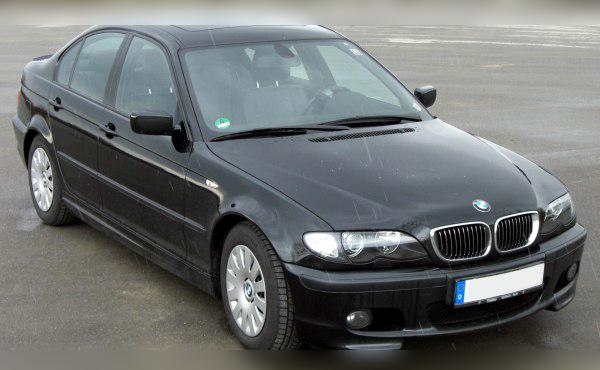
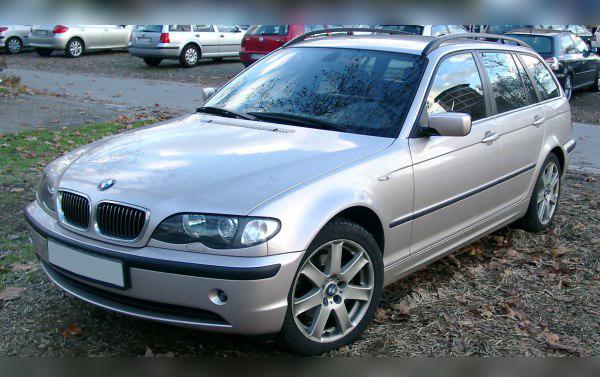
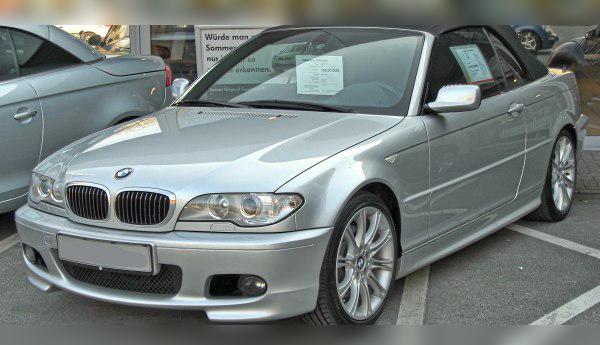
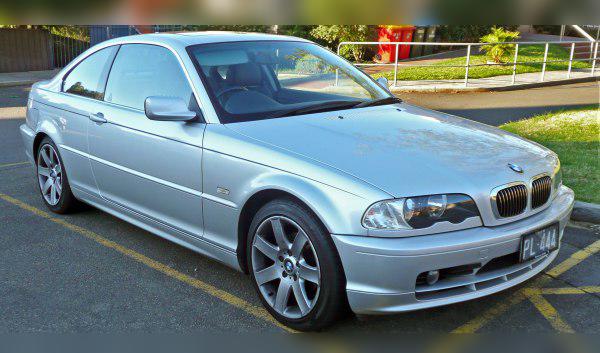
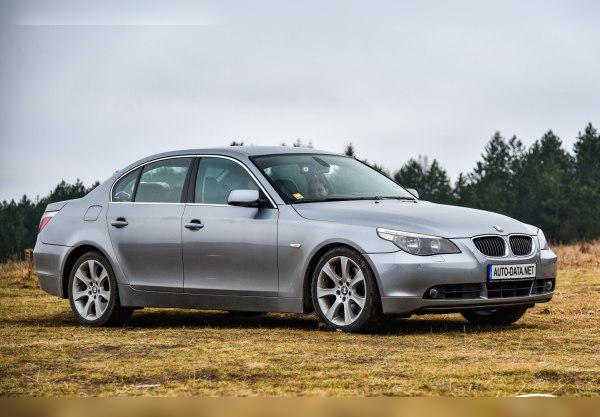
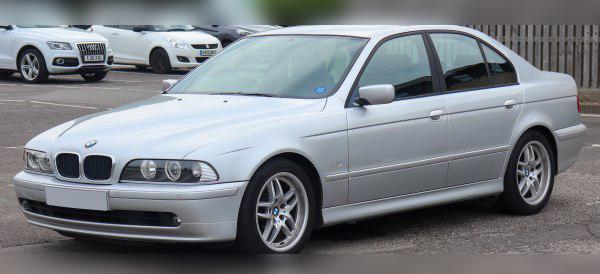
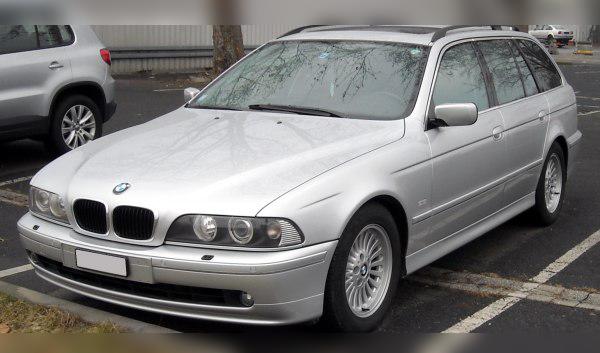
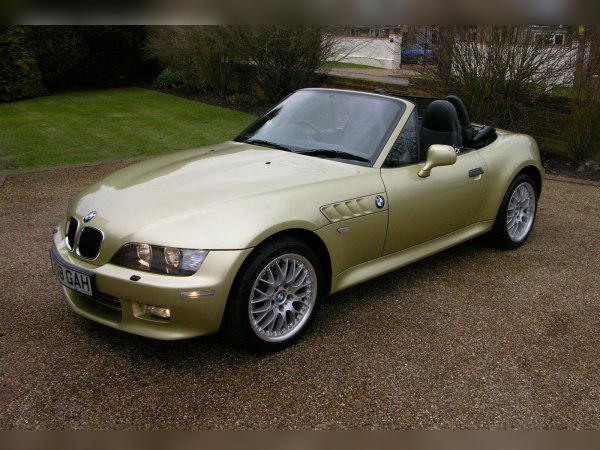
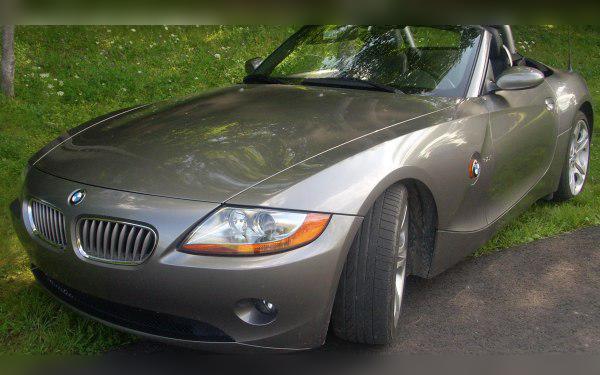
The M54B22 engine is one of the most recognizable BMW naturally aspirated inline sixes from the early 2000s. As a successor to the M52TU generation, it brought an electronic throttle body, an improved Double VANOS system and smoother operation. It was fitted mainly in facelifted 3 Series (E46) models, the last years of the 5 Series (E39), early 5 Series (E60) models, as well as in the Z3 and Z4 roadsters. Although it now belongs to an older engine generation, its engineering and durability (with proper maintenance) make it highly sought after among classic BMW enthusiasts.
Technical specifications
| Specification | Data |
|---|---|
| Engine code | M54B22 |
| Displacement | 2171 cc |
| Power | 125 kW (170 HP) at 6100 rpm |
| Torque | 210 Nm at 3500 rpm |
| Number and layout of cylinders | 6, inline (R6) |
| Induction type | Naturally aspirated |
| Injection system | Indirect injection (Multi-point/Port injection) |
| Camshaft drive | Chain (Double VANOS) |
| Fuel type | Petrol (Gasoline) |
Reliability and maintenance
Timing mechanism: Chain instead of belt
This engine uses a timing chain instead of a timing belt. On the M54 series the chain is extremely robust and in practice rarely needs replacement before 300,000 km. There is no fixed replacement interval; the chain is replaced only if diagnostics show a large timing deviation, or if a mechanic can physically hear rattling on cold start and notices stretching.
Major and minor service, oil capacity
A classic “major service” (as on belt-driven engines) does not exist, but at 100,000 to 150,000 km you MUST perform an extensive service of the cooling and accessory systems (water pump, thermostat, tensioners, idler pulleys and auxiliary belt). The radiator and expansion tank are made of plastic which becomes brittle and cracks over time, and this is the main cause of overheating and blown head gaskets on this engine.
The engine holds an impressive 6.5 liters of oil. It is recommended to use high-quality synthetic oil of grade 5W-30 or 5W-40 that meets the BMW LL-01 specification. Avoid thin oils if the engine has higher mileage.
Oil consumption (Main weak point)
By far the biggest issue of M54 engines is oil consumption. The design problem lies in the oil control rings on the pistons (which easily get stuck due to long oil change intervals) and the sensitive CCV system (crankcase ventilation/oil separator). Yes, it will consume oil between services. The manufacturer states that up to 1 liter per 1000 km is “within normal limits”, but in practice a healthy engine uses about 1 to 1.5 liters per 5000 km. If the engine consumes more than 1 liter per 1000 km, it’s time for a serious overhaul (often replacement of piston rings and valve stem seals).
Spark plugs and most common failures
Spark plugs are replaced roughly every 60,000 km to 80,000 km (preferably NGK or Bosch iridium). Ignition coils (one per cylinder) often fail due to age, causing the engine to jerk and report a misfire.
The most common failures, besides the cooling system, include:
- CCV valve (Crankcase ventilation/oil separator): the membranes crack, causing unrealistic oil consumption, exhaust smoke and rough idle.
- DISA valve: the flap in the intake manifold regulates intake runner length. Over time the shaft develops play, the valve starts to rattle (like marbles in a plastic jar), and in the worst case plastic pieces can fall into a cylinder and destroy the engine.
- VANOS system: the O-rings in the Double VANOS system deteriorate due to heat and oil. Symptoms: loss of low-end power, sluggishness, hesitation when pressing the throttle and rough idle.
- Vacuum leaks: Rubber intake hoses crack after so many years, letting in unmetered air and triggering the “Check Engine” light (lean mixture codes).
Specific parts (Costs)
Injection system and emissions
Fortunately, the M54B22 is old-school. It uses port injection (indirect injection). The injectors are extremely durable, rarely fail, and even when they get dirty, they can be cleaned cheaply in an ultrasonic bath. There are no expensive high-pressure fuel pumps (HPFP) like on more modern petrol engines.
Since this is a naturally aspirated petrol engine of an older generation, it has no turbocharger, no DPF filter, and no AdBlue system. It also does not have a conventional EGR valve; on this engine BMW handles exhaust gas recirculation with “internal EGR” by adjusting valve overlap via the VANOS system. Because of this, the intake manifolds are much cleaner than on modern engines.
Dual mass flywheel
Yes, manual versions are equipped with a dual mass flywheel. Its job is to absorb vibrations from the engine. The cost of a new dual mass flywheel together with the clutch and release bearing varies from 500 to 800 EUR (depending on the market). However, on petrol engines the flywheel is subjected to much less torque than on diesels (only 210 Nm), so its service life often exceeds 250,000 km.
Fuel consumption and performance
Is this engine “lazy”?
The answer depends mostly on the body style. In smaller models such as the Z3, Z4 and 3 Series (E46 Sedan/Coupe), 170 HP and 210 Nm are quite sufficient for decent and dynamic driving (0–100 km/h in about 8–8.5 seconds). However, in heavier models such as the 5 Series E39 or E60, this engine is noticeably “lazy”. It will require plenty of revs for you to feel proper acceleration, especially when overtaking on country roads.
Real-world fuel consumption
Do not expect the fuel economy of modern 3-cylinder engines. This is a heavy straight-six.
- City driving: Expect between 11.5 and 14 l/100 km, depending on vehicle weight and whether it has a manual or automatic gearbox (automatics use about one liter more).
- Highway / open road: Consumption drops to a reasonable 7 to 8 l/100 km.
Highway driving
The M54B22 behaves fantastically on the highway. The engine is extremely well balanced, quiet and well isolated. At 130 km/h, revs are usually around 3200 to 3500 rpm depending on the differential ratio and gearbox type (5-speed automatics can run slightly lower). Engine noise in the cabin is minimal; you only hear a moderate “growl” characteristic of BMW inline-six engines.
Additional options and modifications
LPG conversion
Yes, this engine is an excellent candidate for LPG. Thanks to indirect injection, installing a sequential LPG system is relatively straightforward. It is only important that the mechanic carefully removes the intake manifold when drilling (so that metal shavings do not enter the valves) and positions the gas nozzles at the correct angle. A well-tuned LPG system on an M54 engine reduces running costs to the level of a modern diesel without any loss of performance. Fast LPG injectors are recommended.
“Chipping” (Chiptuning / Stage 1)
Short answer: Don’t waste your money. The M54B22 is a naturally aspirated engine. The maximum you can gain with software “chiptuning” (Stage 1) is about 10 to 15 HP and roughly 15 Nm of torque. Some tuners raise the rev limiter and sharpen throttle response, so the car feels livelier, but the actual improvement in acceleration is barely noticeable on a stopwatch.
Gearbox
The M54B22 was paired with two types of manual and two types of automatic gearboxes (depending on year and model):
- Manual: 5-speed and later 6-speed gearboxes (Getrag and ZF).
- Automatic: 5-speed Steptronic, most often made by ZF (e.g. ZF 5HP19) in smaller models, or GM transmissions (often used in E46/E39 due to supply contracts).
Gearbox failures and maintenance
Manual gearboxes are mechanically almost indestructible. Occasionally the shift pin (gear lever detent) fails, making it hard for the shifter to return to center in cold weather (between 3rd and 4th gear) or harder to engage first gear. An oil change in the manual gearbox is recommended every 80,000 to 100,000 km. The price of the clutch and dual mass flywheel set was mentioned earlier (expensive to very expensive, depending on the market).
Automatic gearboxes are a different story. If you are looking at a GM automatic, the valve body/torque converter most often fails (torque converter slip), which shows up as slipping revs and jerking. On ZF gearboxes, solenoids often fail. Although BMW marketed them as “lifetime fluid”, that is a myth. The oil in the automatic (together with the pan and filter) must be changed every 60,000 to 80,000 km if you want to preserve it.
Buying used and conclusion
What MUST you check before buying?
Considering that in these models you are looking at a car that is around 20 years old, attention is crucial:
- Cold start noise: Let the car sit overnight and start it yourself. Rattling from the front of the valve cover means the VANOS seals are dead. A sound like “marbles in plastic” from the intake manifold area indicates a failed DISA valve.
- Smoke test: Let the car idle for 5–10 minutes when fully warmed up. Then press the throttle halfway. If it blows a cloud of blue smoke, the engine is crying out for an overhaul or replacement of valve stem seals / piston rings / CCV.
- Cooling system: Inspect the expansion tank (especially the lower part) for white traces of coolant. Squeeze the thick rubber hoses (upper and lower) – if they are hard as a rock while the engine is running, the engine is pushing compression into the cooling system.
- Diagnostics (INPA/ISTA): Always connect the car to proper BMW diagnostics and monitor fuel trims. If the short term fuel trim is high on the positive side (e.g. > +8%), the engine is drawing false air somewhere and has a cracked hose or failed CCV.
Who is this engine for?
The BMW M54B22 is not for someone who just wants to change oil every 15,000 km and fill up with fuel. It requires an enthusiast who appreciates the character of an old straight-six, who regularly opens the bonnet, checks the dipstick and understands that rubber and plastic hoses have long passed their shelf life. If you are ready to sort out the cooling system and vacuum hoses in time, this is an engine that will reward you every day with superb, analog and refined driving pleasure that you no longer find in the modern era. If you are aiming for an E46, the M54B22 is one of the best compromises – not too sluggish, and not too expensive to maintain.