BMW M54B25 (192 hp): Experiences, problems, fuel consumption and used car buying tips
Key points in short (TL;DR)
- Great sound and smoothness: One of BMW’s most famous inline-sixes, known for its incredibly smooth operation.
- Oil consumption is common: Almost every M54B25 burns oil due to piston ring design or a faulty crankcase ventilation system (CCV).
- Sensitive cooling system: The expansion tank, water pump and thermostat are critical points that require preventive replacement.
- Timing chain drive: No timing belt; the chain is very durable and rarely causes problems before 300,000 km.
- Excellent for LPG: Thanks to the engine’s port fuel injection, it works very well on LPG conversions.
- Expensive specific maintenance: Overhauling the VANOS system and replacing the DISA valve are must-do jobs for peace of mind.
Contents
- Introduction: BMW’s legendary inline-six
- Technical specifications
- Reliability and maintenance
- Specific parts (costs)
- Fuel consumption and performance
- Additional options and modifications
- Gearbox and drivetrain
- Buying used and conclusion
Introduction: BMW’s legendary inline-six
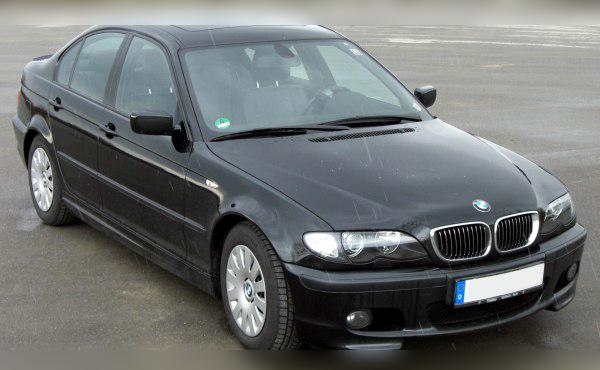
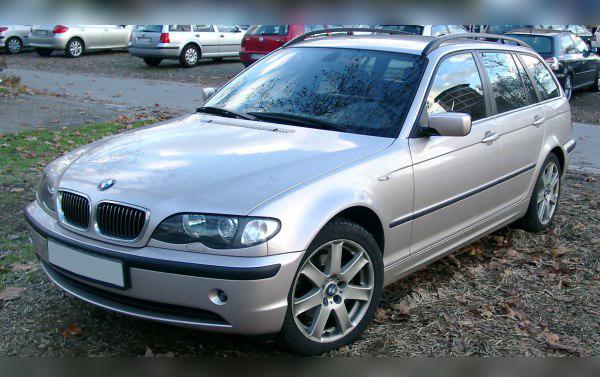
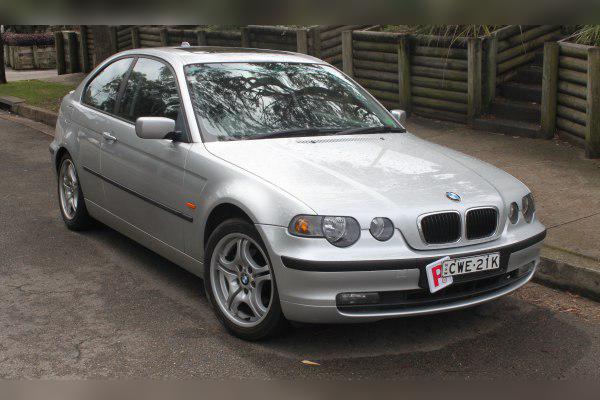
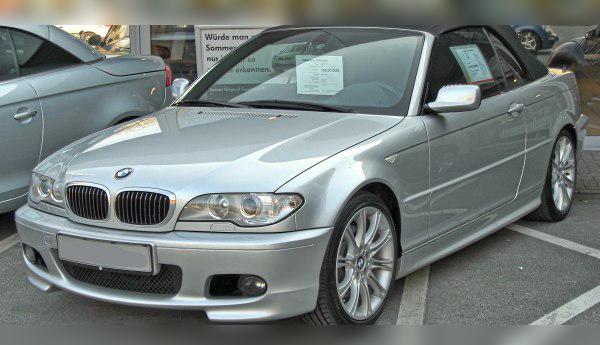
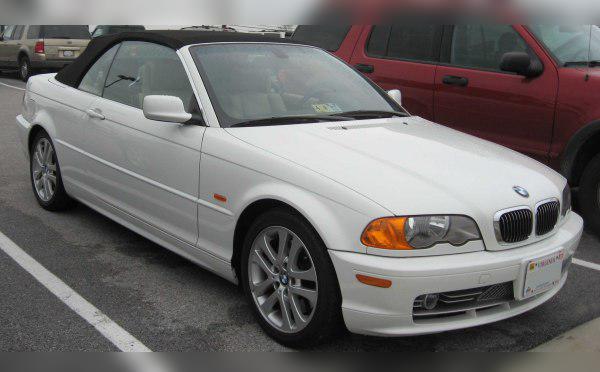
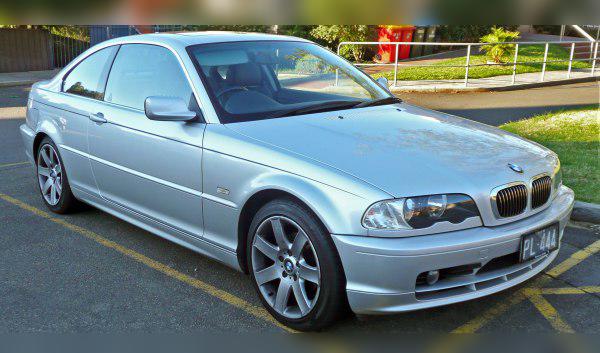
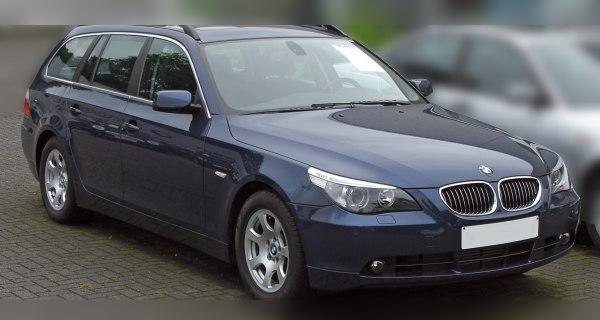
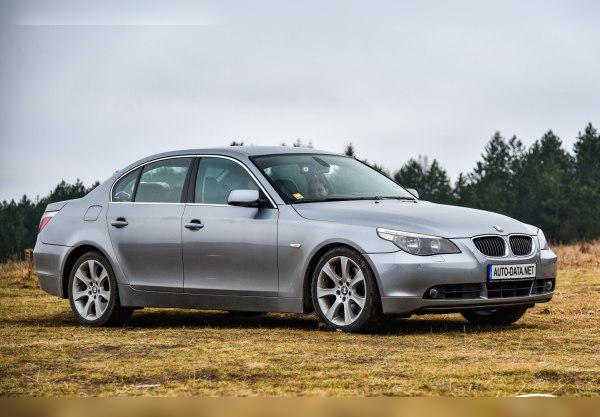
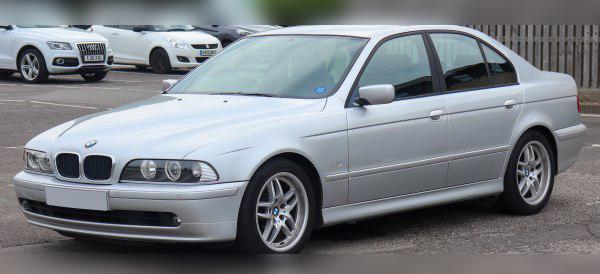
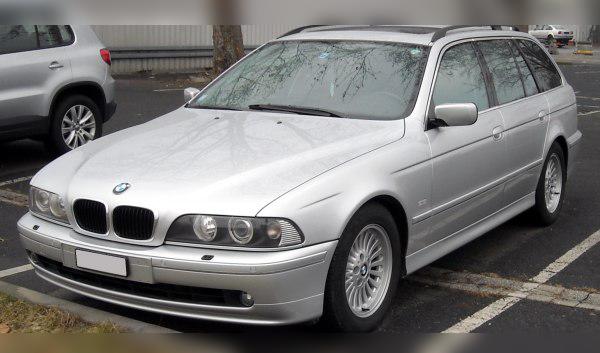
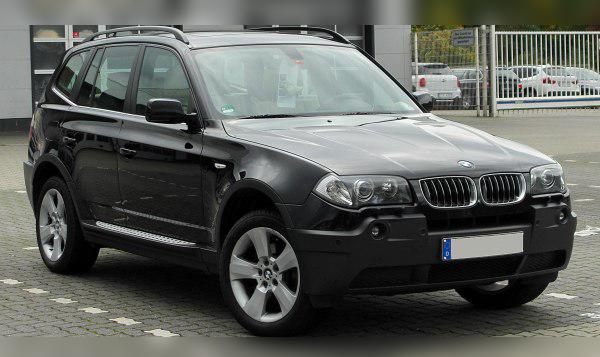
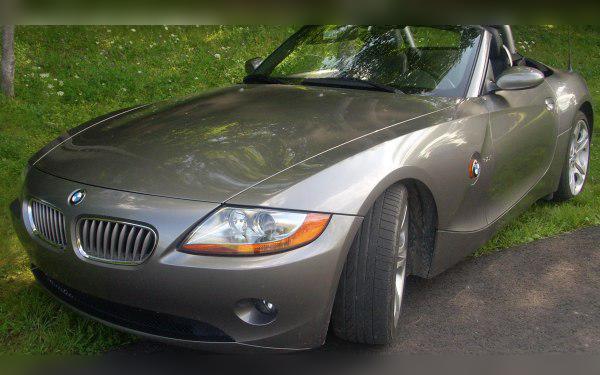
The engine designated M54B25 is one of the most famous naturally aspirated inline six-cylinder petrol engines to come out of Munich. Launched around the turn of the millennium, it was fitted to icons such as the 3 Series (E46), 5 Series (E39 and E60), as well as models like the X3 (E83) and Z4 (E85). It features an aluminum block with cast-iron liners, a Double VANOS system and fantastic throttle response. This engine offers an ideal compromise between performance and everyday usability, but like every older BMW powerplant, it demands a meticulous owner who does not skimp on preventive maintenance.
Technical specifications
| Specification | Data |
|---|---|
| Displacement | 2494 cc |
| Engine power | 141 kW (192 hp) at 6000 rpm |
| Torque | 245 Nm at 3500 rpm |
| Engine code | M54B25 |
| Injection type | Port injection (Multipoint Port Injection) |
| Induction system | Naturally aspirated |
Reliability and maintenance
Timing chain or timing belt?
This engine uses a timing chain instead of a timing belt. The chain is robust, double-row and in practice extremely durable. A classic “major service” in the sense of belt replacement is not done. Inspection of the chain, guides and tensioner is recommended only around 250,000 to 300,000 km. However, the accessory belt (serpentine belt), rollers and tensioners that drive the alternator, water pump and A/C compressor must be replaced regularly every 60,000 to 80,000 km.
Most common faults and weak points
The M54 is fundamentally reliable (block, crankshaft, pistons), but the engine’s peripheral components require attention:
- Radiator and cooling system: The Achilles’ heel of this engine. The water pump has plastic impellers that can crack. The thermostat can stick, and the expansion tank tends to crack from pressure and aged plastic. It is recommended to replace these parts preventively every 80,000 to 100,000 km to avoid catastrophic overheating.
- DISA valve: Located on the intake manifold, it changes its length for better torque. Due to wear, the flap inside the valve develops play, causing a characteristic rattling noise (often mistaken for faulty lifters), and in the worst case the small metal pin can fall into a cylinder and destroy the engine.
- Double VANOS: The variable valve timing system suffers from degradation of the rubber O-ring seals. Symptoms are rougher idle, loss of low-end power and slightly increased fuel consumption. There are rebuild kits that solve this problem permanently.
- Gaskets and oil leaks: The valve cover gasket and oil filter housing gasket eventually become hard like plastic and start leaking oil. You will often smell burning oil in the cabin because it drips directly onto the exhaust manifold.
Engine oil, capacity and consumption
The engine takes about 6.5 liters of oil (including filter change). The manufacturer recommends fully synthetic oil of grade 5W-30 or 5W-40 (BMW LL-01 specification). Oil should be changed at least every 10,000 to 15,000 km; ignoring the “LongLife” 25,000 km interval is mandatory if you want the engine to last.
Does it burn oil? Yes, and very often. BMW tolerates consumption of up to 1 liter per 1000 km in extreme conditions, but in practice, a healthy engine will use about 1 liter per 3,000 to 5,000 km. The cause is the factory’s relatively loose oil control rings that eventually seize up due to poor combustion and infrequent oil changes. The other main culprit is the CCV valve (crankcase ventilation/oil separator); when it fails, the engine starts drawing more oil into the combustion chambers.
Spark plugs
As a petrol engine, the M54B25 requires quality spark plugs (NGK or Bosch). The recommended replacement interval is every 60,000 to 80,000 km. Worn spark plugs directly affect the ignition coils – there are six of them (one per cylinder) – which are also prone to failure, especially due to age and heat.
Specific parts (costs)
Fuel injection system
The injection system is multipoint (port injection), where the injectors spray fuel before the intake valves. This system is extremely reliable; injectors rarely fail and are easy to clean in an ultrasonic bath if they get dirty due to poor fuel quality. There are no expensive high-pressure pumps like on later direct-injection engines.
Dual-mass flywheel and emissions
Versions with a manual gearbox have a dual-mass flywheel (DMF). Its job is to absorb the inline-six’s vibrations and ensure smooth gear changes. The cost of replacing the clutch and dual-mass flywheel together is considered high (depends on the market), but this part usually lasts a very long time, often exceeding 200,000 km on highway use.
Since this is a naturally aspirated petrol engine, there is no turbocharger, no DPF filter and no AdBlue system. Emissions are handled by conventional catalytic converters integrated into the exhaust manifold. There is also no typical EGR valve that clogs up, but rather the aforementioned CCV system for crankcase ventilation.
Fuel consumption and performance
Fuel consumption
This is not a frugal engine. Real-world consumption in city driving is between 12 and 14 l/100 km. If you drive in heavy traffic with an automatic gearbox (especially in heavier cars like the X3 or E60), it can go up to 15 l/100 km. On the open road (single carriageway), consumption drops to a reasonable 7.5 to 8.5 l/100 km.
Driving dynamics and on-road behavior
Is the engine “lazy”? The answer depends on the car it’s in. In lighter models such as the BMW E46 Compact, Coupe or Z4 Roadster, 192 hp delivers genuinely strong performance and very sharp throttle response. In heavier vehicles like the 5 Series (E39 Touring, E60) or X3, the engine feels sluggish at low revs below 3000 rpm, so you have to keep it in the higher rev range for brisk acceleration.
The motorway is its natural habitat: Cruising at 130 km/h is quiet and effortless. Depending on the gear ratios (manual/automatic), at 130 km/h in top gear the rev counter sits between 2800 and 3200 rpm. There is plenty of power in reserve for safe and quick overtakes without necessarily having to downshift.
Additional options and modifications
LPG conversion
The M54B25 is a perfect candidate for LPG. Port injection allows the installation of a standard sequential LPG system without expensive modifications. Due to the high urban fuel consumption, many owners opt for this. It is only important to install high-quality, fast LPG injectors and a vaporizer capable of supplying up to 200 hp (often a vaporizer rated for over 250 hp is used to avoid pressure drops at full throttle).
Remapping (Stage 1)
Since this is a naturally aspirated engine without a turbo, remapping is not cost-effective. A “Stage 1” tune will give you at most 10 to 15 hp and about 15 Nm of torque. The driver will notice only a slightly sharper throttle response, but no dramatic change in acceleration.
Gearbox and drivetrain
Types of gearboxes
This engine was paired with reliable 5-speed manual gearboxes (Getrag or ZF), while towards the end of production some models were offered with 6-speed manuals. As for automatics, there is BMW’s well-known 5-speed Steptronic (most often the ZF 5HP19, and in some variants GM automatics).
Gearbox failures and maintenance
With manual gearboxes, failures are rare – usually wear of the gear selector (the gear lever develops a lot of play) or worn synchros for first and second gear if the car has been driven aggressively. It is recommended to change the oil in the manual gearbox every 80,000 to 100,000 km even though BMW claims the oil is “lifetime”.
Automatic gearboxes suffer from the classic issues of older automatics – worn clutch packs, a dirty valve body and a worn torque converter. Symptoms of automatic transmission problems include jolts when shifting from 2nd to 3rd gear, delayed engagement into ‘D’ (Drive) or ‘R’ (Reverse) when cold. To make an automatic last, changing the oil, filter and pan is absolutely mandatory every 60,000 to 80,000 km. Rebuilding an automatic is considered very expensive (depending on the market).
Buying used and conclusion
What to check before buying?
- Condition of the cooling system: Check whether the hoses are “swollen” while the engine is at operating temperature, look for traces of coolant around the expansion tank or white “sludge” under the oil filler cap (which may indicate a blown head gasket due to previous overheating).
- Noise from the top of the engine: Any knocking from the front of the engine when revving points to a worn VANOS system or a failed DISA valve.
- Blue smoke from the exhaust: Ask the owner to let the car idle for 5–10 minutes and then blip the throttle. If it emits a cloud of blue smoke, the engine is crying out for new valve stem seals and a new crankcase ventilation/oil separator, and probably piston rings as well.
- Diagnostic scan: Read the so-called fuel trim values. If they are heavily positive or negative, the engine is drawing unmetered air through one of the many rubber intake hoses.
Who is this engine for?
The BMW M54B25 is aimed at enthusiasts of traditional BMW values – drivers who appreciate smooth operation and linear power delivery combined with a fantastic exhaust note. It is not intended for those seeking cheap maintenance or for drivers who do only short city trips, where this engine will consume a lot of fuel. If you take care of preventive cooling system maintenance and address the oil consumption issues, this is one of the most long-lived inline-sixes on the used car market.