BMW M54B30 (3.0i) 170 kW (231 hp) – Experiences, problems, fuel consumption and used-car buying guide
Key points in short (TL;DR)
- Inline-six (R6): One of the best naturally aspirated engines of its era, known for its exceptional smoothness and linear power delivery.
- Oil consumption: The Achilles’ heel of this engine. Almost all of them consume oil due to specific piston rings and the oil separator (CCV).
- Cooling system: Requires regular inspection. The expansion tank and water pump are prone to cracking.
- DISA valve and VANOS: The most common weak points that require attention, but can be fixed relatively easily and permanently.
- LPG (Autogas): An ideal engine for a sequential LPG system due to port (indirect) fuel injection.
- Maintenance: Not cheap at the fuel pump, but the mechanicals are durable and free of modern eco-complications (no turbo, DPF, AdBlue).
Contents
- Introduction
- Technical specifications
- Reliability and maintenance
- Specific parts (Costs)
- Fuel consumption and performance
- Additional options and modifications
- Gearbox
- Buying used and conclusion
Introduction
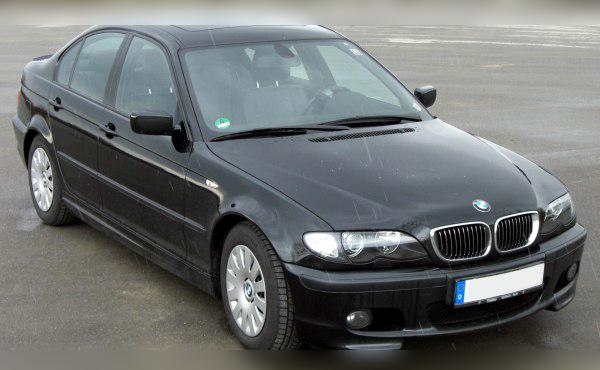
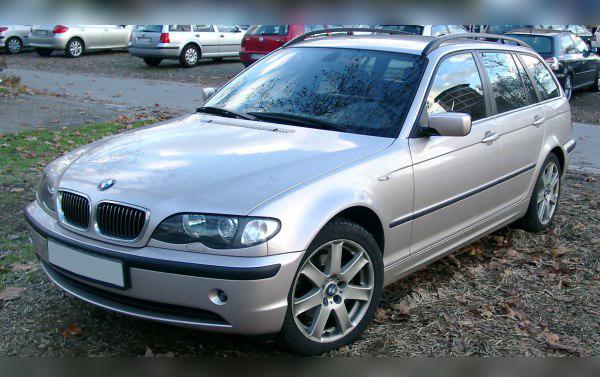
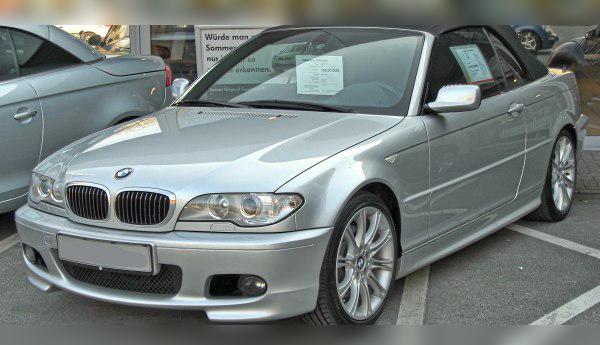
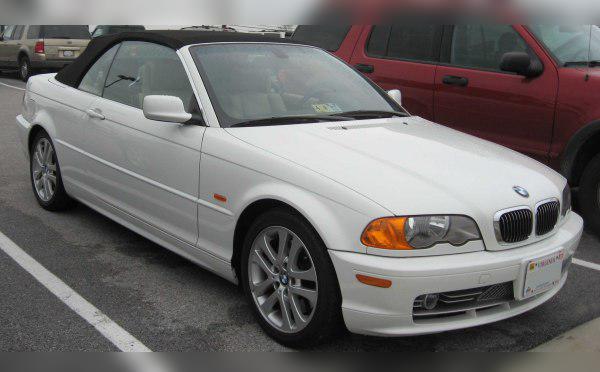
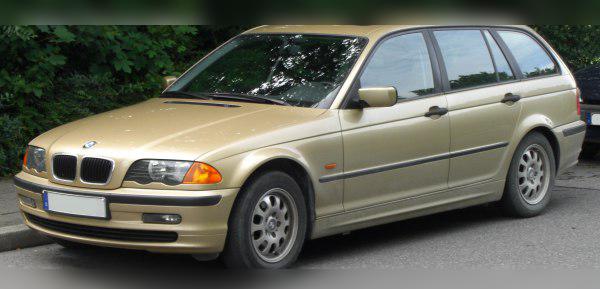
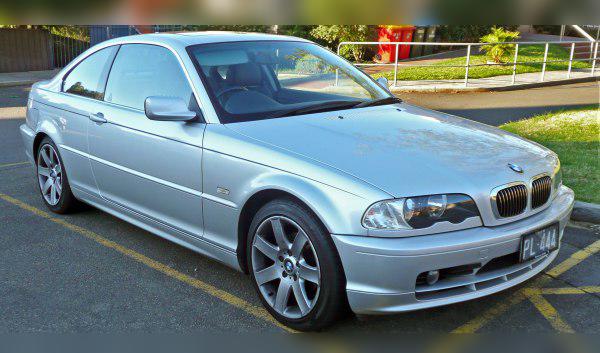
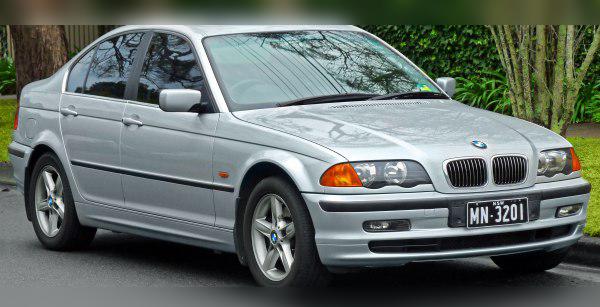
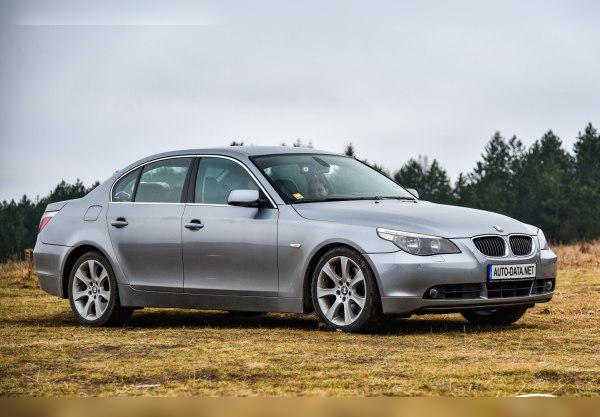
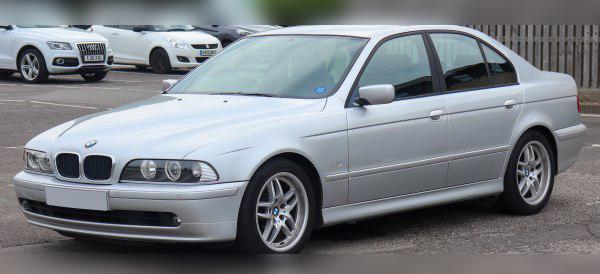
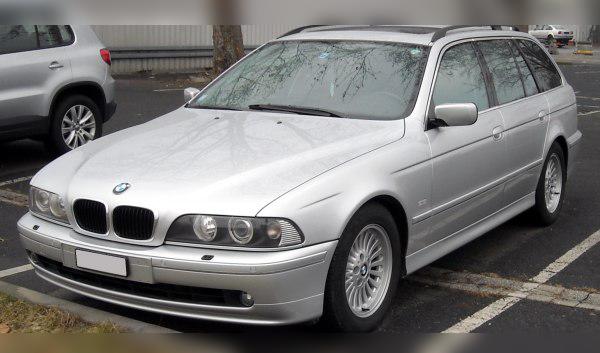
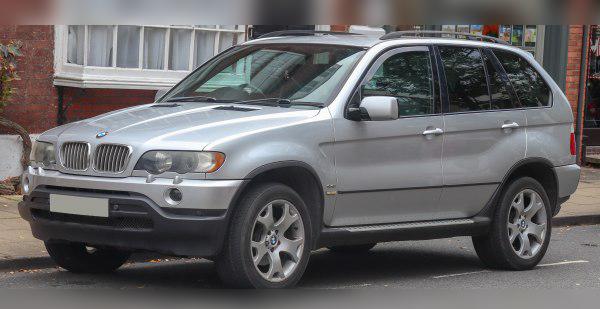
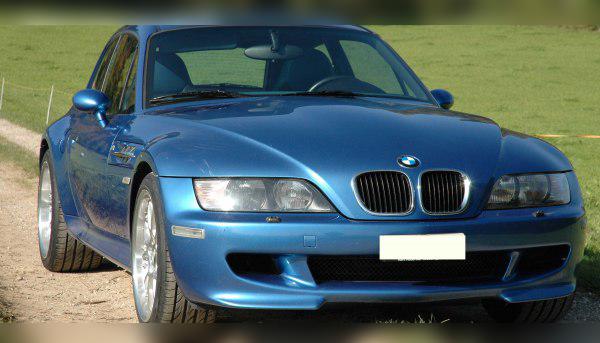
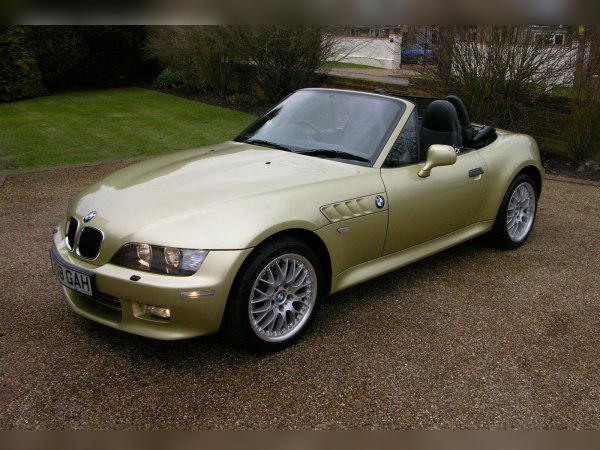
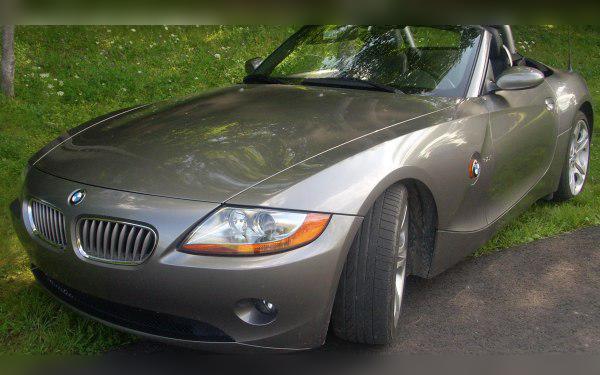
The M54B30 engine represents the very peak of BMW’s era of naturally aspirated inline-six engines with port fuel injection. It was installed in a wide range of models in the early 2000s, including the legendary 3 Series (E46), 5 Series (E39, E60), the cruising 7 Series (E65), as well as SUVs (X3, X5) and roadsters (Z3, Z4). Drivers value it for its fantastic sound, throttle response, and the fact that it delivers a truly old-school driving feel from before the era of mass “downsizing” and turbochargers. Still, like any complex mechanism, it requires a meticulous owner and a mechanic who understands its specific quirks.
Technical specifications
| Engine displacement | 2979 cc |
|---|---|
| Engine power | 170 kW (231 hp) |
| Torque | 300 Nm |
| Engine codes | M54B30 |
| Injection type | Port injection (indirect) |
| Induction | Naturally aspirated |
Reliability and maintenance
Timing belt or chain?
This engine uses a timing chain. On M54 engines the timing chain is extremely robust and rarely causes problems. There is no classic “major service” in the sense of mandatory replacement at a certain mileage. The chain is replaced only if it starts rattling on cold start or if diagnostics show a mismatch between the camshaft and crankshaft sensors, which usually happens only after 300,000 to 400,000 km. That’s why this engine is considered long-lived when it comes to the timing system.
Most common failures
The M54B30 is generally very reliable, but it has a few well-known design flaws:
- Cooling system: The water pump has plastic impellers that become brittle over time and can break, causing instant overheating. The expansion tank and plastic thermostat housings often crack under pressure. Preventive replacement of these parts is mandatory every 100,000 km.
- DISA valve: A valve that changes the intake manifold runner length. Over time, the plastic flap becomes loose and, in the worst case, can break off and get sucked directly into the cylinders, causing catastrophic engine damage. The driver will notice a slight rattling from the intake manifold and a loss of torque at low revs.
- VANOS system: The variable valve timing system. The factory rubber seals in the VANOS degrade due to heat, resulting in loss of low-end power, rough idle, and increased fuel consumption. A proper rebuild solves the problem long-term.
- CCV system (crankcase ventilation / oil separator): Often clogs up, especially in colder climates or with frequent short trips. Symptoms include a whistling noise at idle, high oil consumption, and in extreme cases, hydrolock if too much oil is drawn into the intake.
Engine oil and service intervals
The engine takes about 6.5 liters of oil. High-quality synthetic oil with a viscosity of 5W-30 or 5W-40 (with BMW LL-01 approval) is recommended. Minor services (oil changes) should be done every 10,000 to 15,000 km, definitely not at 25,000 km as the factory optimistically suggested at the time.
Oil consumption
This is the sorest point. The M54B30 is known to consume oil between services. Due to specifically designed low-tension oil control rings (to reduce friction) and issues with the CCV separator, consumption of 0.5 to 1 liter per 1,000 km is, according to the manufacturer itself, considered “normal”. In practice, a healthy engine with a sorted CCV system will use about 1 liter per 3,000 to 5,000 km. Drivers must keep a constant eye on the dipstick.
Spark plugs
Since this is a pure petrol engine, spark plugs should be replaced every 60,000 to 80,000 km. If the engine starts to misfire when cold or loses performance, ignition coils are also a common culprit and should be inspected.
Specific parts (Costs)
Dual-mass flywheel
All versions equipped with a manual gearbox have a dual-mass flywheel. It wears out over time, with symptoms such as strong vibrations when taking off and metallic knocks when switching the engine off. The cost of replacing the complete set (clutch + dual-mass flywheel) is high (depends on the market), but it will provide peace of mind for the next 150,000+ km.
Fuel injection system
The engine uses classic port fuel injection. The injectors are extremely reliable and rarely cause problems, unlike more modern direct injection systems. Ultrasonic cleaning at higher mileages is usually all they need.
Turbo, DPF, EGR and AdBlue
One of the biggest maintenance advantages of this engine is the fact that it is naturally aspirated. It has no turbocharger (or two), no DPF filter, no EGR valve that gets dirty and clogged, and of course, no AdBlue system. This drastically reduces ownership costs compared to diesel engines from the same era.
Fuel consumption and performance
Fuel consumption
Real-world city fuel consumption is high. In lighter bodies such as the 3 Series (E46) or Z4, it is around 13 to 15 l/100 km. However, if the engine is paired with an automatic gearbox and a heavy body (X5 E53 or 7 Series E65), city consumption easily exceeds 17 to 18 l/100 km.
Power-to-weight ratio (“Is it sluggish?”)
How the engine feels depends on the car:
- In the 3 Series (E46) and Z models: The engine is fantastic, sharp, quick, and sounds aggressive. Far from sluggish.
- In the 5 Series (E39, E60): It offers an excellent compromise between comfort and performance, with very solid in-gear acceleration.
- In the X5 (E53) and X3 (E83): Due to permanent all-wheel drive and the car’s high weight (over 2 tons for the X5), the engine feels “lazy” off the line and has to be kept at higher revs to show its full 231 hp potential.
Highway driving
The M54B30 was made for the highway. Thanks to its strong low-end torque for a naturally aspirated engine, it easily maintains high speeds. At 130 km/h in top gear (depending on whether it’s a 5- or 6-speed), the crankshaft spins at about 2,800 to 3,200 rpm. The cabin is very quiet, and the characteristic six-cylinder sound only really comes through under full throttle.
Additional options and modifications
LPG conversion (Autogas)
This engine is absolutely fantastic for LPG conversion. Thanks to its classic port injection, installing a sequential LPG system is straightforward, not too expensive, and the engine tolerates LPG without any issues with valves or injectors. Given the high petrol consumption, LPG pays for itself very quickly, making the ownership of a luxurious six-cylinder much more affordable.
Remapping (Stage 1)
Since this is a naturally aspirated engine without a turbo, a “remap” or Stage 1 tune on the M54B30 doesn’t make much sense. The expected gain is at most 10 to 15 hp and a slightly raised rev limiter. In practice, the difference in driving is barely noticeable. It’s much wiser to invest that money in a proper VANOS rebuild and a full refresh of the cooling system.
Gearbox
Types of gearboxes and failures
The following gearboxes were fitted with this engine:
- Manual gearboxes (5- and 6-speed): Very durable and reliable. The most common issues are purely wear items (clutch, dual-mass flywheel) or minor oil leaks from the gear selector shaft seals.
- Automatic gearboxes (ZF 5HP/6HP and GM 5L40-E): Here the situation varies. Rear-wheel-drive models (E46, E39, E60) mostly use reliable ZF gearboxes which, with regular oil changes, work perfectly. However, all-wheel-drive models (X5, X3, 330xi) often used automatic gearboxes made by GM (General Motors). The GM automatic is known for struggling with this engine’s torque; the oil pump and clutch packs in the gearbox often wear out, resulting in slipping and harsh shifts. Rebuilding a GM gearbox is very expensive (depends on the market).
Gearbox servicing
Even though many gearboxes were labeled “lifetime oil”, any experienced mechanic will tell you that this is not true. The recommended interval for changing the oil in an automatic gearbox (including filter and pan) is every 60,000 to 80,000 km. The oil in the manual gearbox and differential should also be changed at similar mileage for longevity.
Buying used and conclusion
What to check before buying?
If you are buying a car with the M54B30 engine, you absolutely must pay attention to the following:
- Cold start: Listen carefully. If you hear loud rattling at the top of the engine in the first few seconds, the VANOS or hydraulic lifters will need attention.
- Cooling system: Check the color of the coolant and whether there are signs of swollen hoses (an indicator of combustion pressure entering the system). Inspect the expansion tank for any signs of leaks (white limescale marks).
- Exhaust smoke: Have someone drive behind you while you accelerate hard and then suddenly lift off the throttle (engine braking). If it throws out a cloud of blue smoke, the engine is burning a lot of oil (rings or valve stem seals).
- Smell of oil in the cabin: Oil often drips from the valve cover gasket directly onto the hot exhaust manifold, which is a classic “issue” that is cheap to fix but very annoying.
- Diagnostics: Reading out misfire codes or poor “Long Term Fuel Trim” values can point to unmetered air due to cracked intake boots, which is a common and cheap fault but makes the engine run poorly.
Conclusion
The BMW M54B30 engine is a true classic. It is aimed at car enthusiasts who want a top-notch driving feel, silky-smooth engine operation, and power that builds linearly all the way to the redline. This is not an engine for someone expecting 5 liters per 100 km, nor for someone who neglects maintenance. Thanks to the absence of complex technologies such as turbocharging, direct injection, and a DPF, it is actually quite predictable in terms of upkeep. If you can live with regularly topping up engine oil, install a quality LPG system, and give proper attention to the cooling system, this three-liter straight-six will reward you with a smile on your face every time you press the accelerator pedal.