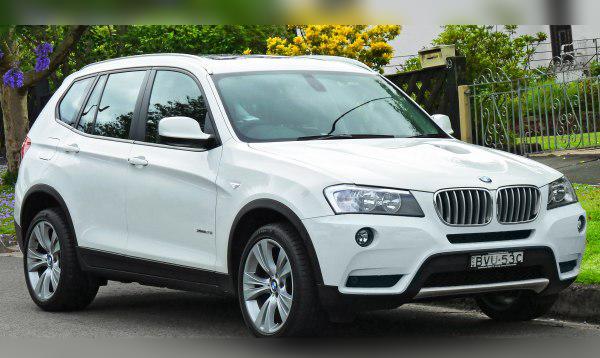
BMW N47D20C 184 HP Engine: Experiences, Problems, Fuel Consumption and Used-Car Buying Tips
- Excellent balance between strong performance and very low fuel consumption.
- The timing chain is located at the rear of the engine and its preventive inspection or replacement is the most important maintenance item.
- The sensitive Bosch CP4 high-pressure fuel pump can cause serious damage to the injection system.
- Paired with the fantastic ZF 8HP automatic transmission, it provides a top-notch driving experience.
- The DPF filter and EGR valve are prone to clogging and fouling if the car is driven mostly in city conditions.
- When buying used, a thorough diagnostics check, service history verification and listening to the engine on a “cold start” are mandatory.
Contents
- Introduction: About the N47D20C Engine
- Technical Specifications
- Reliability and Maintenance
- Specific Components (Costs)
- Fuel Consumption and Performance
- Additional Options and Modifications
- Transmission and Drivetrain
- Buying Used and Conclusion
Introduction: About the N47D20C Engine
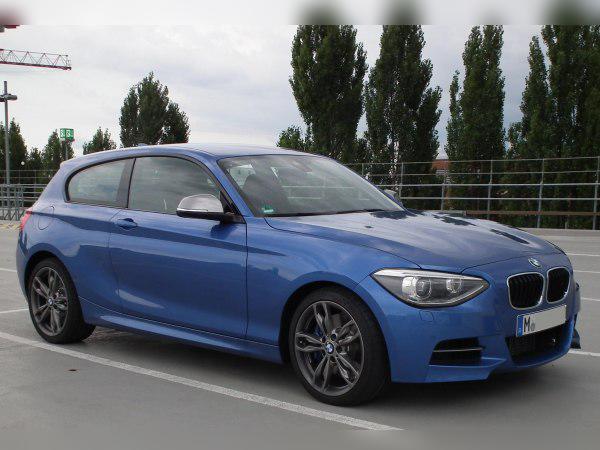
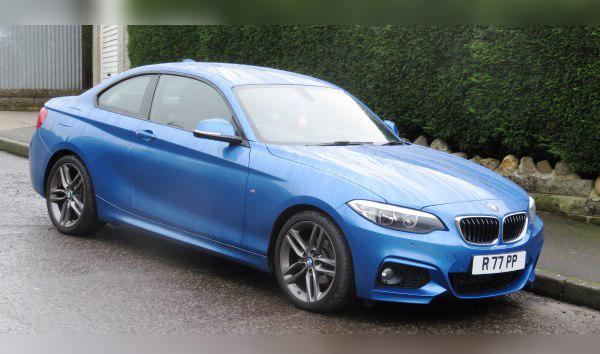
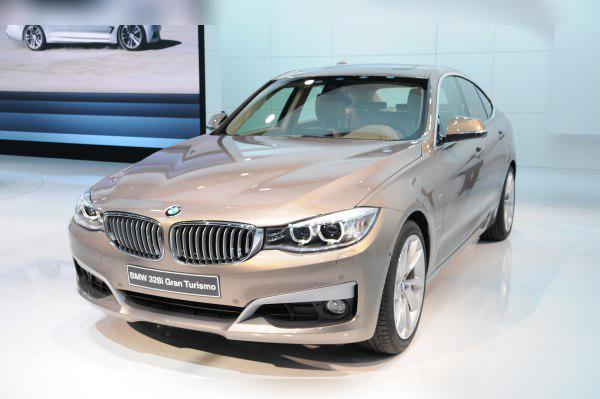
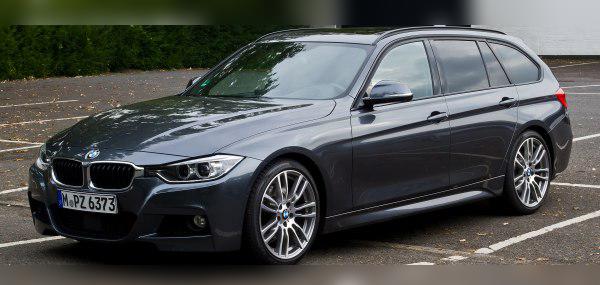
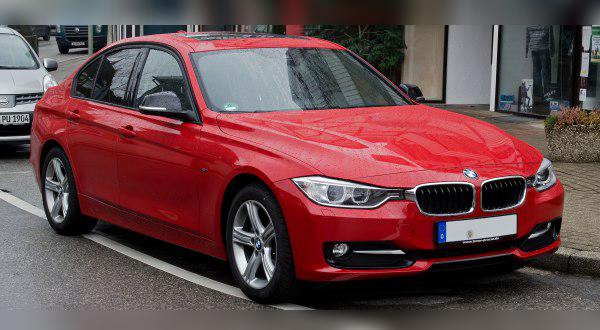
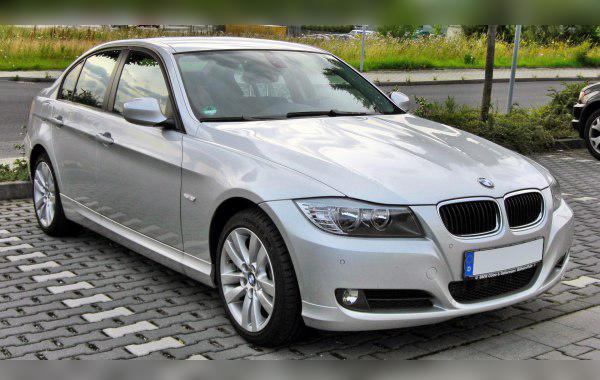
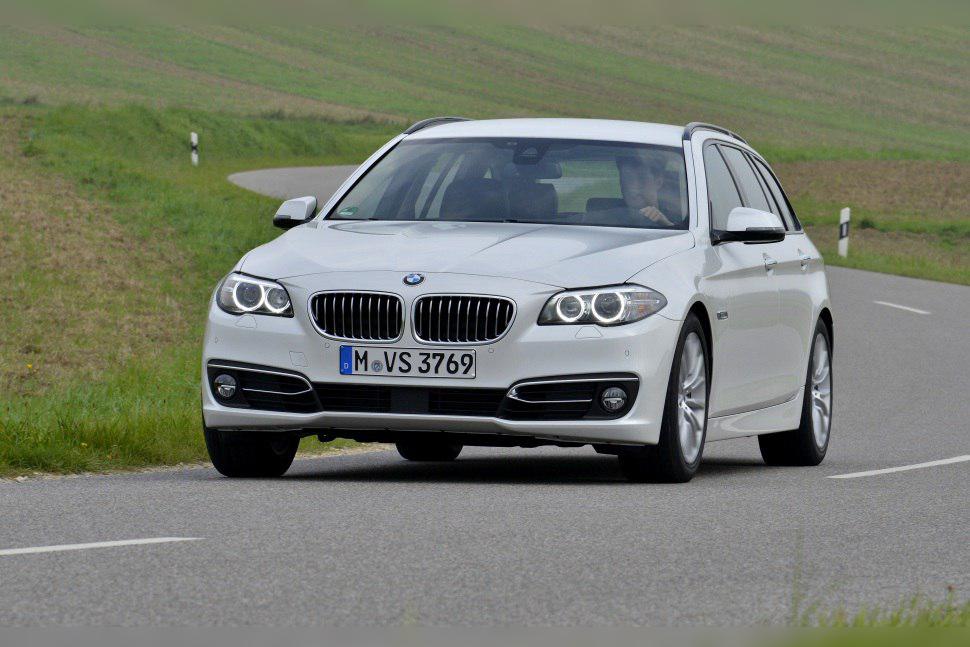
Probably the most famous and most discussed diesel engine of the modern BMW era on the internet is the legendary N47. The specific version we’re covering today is the N47D20C, which delivers a respectable 135 kW (184 HP) and 380 Nm of torque. This “C” revision was installed from around 2010 until the arrival of the B47 engine and represents a significant improvement over the earlier 177 HP versions, but it still carries some specific “childhood diseases”. This engine is a sales workhorse and was installed in almost the entire range: from the 1 Series (F20), 3 Series (E90 LCI, F30), 5 Series (F10), all the way to the X1 and X3 models. Speaking as a mechanic, I can tell you one thing: this is a brilliant engine to drive, but it does not forgive neglect and skipped services.
Technical Specifications
| Characteristic | Data |
|---|---|
| Displacement | 1995 cc |
| Power | 135 kW (184 HP) |
| Torque | 380 Nm |
| Engine code | N47D20C |
| Injection type | Common Rail (Bosch piezo injectors) |
| Forced induction | Turbocharger (VGT), Intercooler |
Reliability and Maintenance
Timing belt or chain?
This engine uses a timing chain to drive the camshafts. What makes it a nightmare for some mechanics is the fact that the chain system (there are three of them) is located at the rear of the engine, right next to the gearbox. This means that to replace the chain, the entire engine has to be removed or the gearbox dropped, which drastically increases labor costs.
Most common failures
The biggest weakness of this engine is precisely the aforementioned timing chain, which is prone to stretching and, in the worst-case scenario, breaking, which leads to piston-to-valve contact (catastrophic engine failure). Symptoms of chain stretch are rhythmic scraping, rattling and rustling noises from the rear of the engine, especially noticeable on cold start and around 1500–2000 rpm.
The second serious issue is the Bosch CP4 high-pressure fuel pump. Due to poorer diesel quality (less lubrication), it can start to wear internally. It then produces fine metal shavings that travel with the fuel to the injectors and completely destroy them. Repairing this failure involves replacing the pump, all injectors and thoroughly flushing the entire fuel system, including removing the fuel tank. Also, the EGR cooler was part of a major factory recall because over time it allowed coolant to leak into the intake manifold, which in some cases led to the intake manifold melting and even fires.
Major service and intervals
BMW has never officially specified an interval for the “major service” (chain replacement). However, practice and experience say that the entire timing system must be inspected and preventively replaced between 150,000 and 200,000 km. The cost of this job falls into the category: expensive (depends on the market).
Oil and oil consumption
The N47D20C engine takes about 5.2 liters of oil. You must use 5W-30 or 5W-40 with the BMW LL-04 specification, designed for engines with a DPF filter. The factory recommends an oil change interval of about 30,000 km, but you should immediately cut that in half. Change the oil strictly every 10,000 to a maximum of 15,000 km. Because of the long factory intervals, the chain suffers the most. A healthy engine will not consume oil, or consumption will be minimal, up to 0.5 L between two services, which is completely normal due to evaporation and turbo lubrication.
Injector longevity
As mentioned, the injectors are Bosch piezo-electric. They are very precise and durable and can easily last over 250,000 km, provided you use quality fuel, regularly change the fuel filter and, of course, that the CP4 pump does not send metal shavings into them.
Specific Components (Costs)
Injection system and CP4 pump
The injection system is a latest-generation Common Rail. The injectors themselves rarely fail on their own. The advice of experienced drivers is to occasionally visually inspect the fuel filter; if, when replacing the filter, you notice shiny metal particles in the housing, the pump is in its terminal phase.
Turbocharger
The 184 HP N47D20C uses a single turbocharger with variable geometry (VGT). The turbo’s lifespan mainly depends on oil quality and driving style (cooling the turbo after spirited driving). It usually lasts over 200,000 km. Failure symptoms are a loud “whistling” or “howling” siren-like sound, excessive smoke and a loss of engine power. Turbo overhaul or replacement is considered: very expensive (depends on the market).
DPF filter, EGR and AdBlue
Every engine with this code has a DPF (diesel particulate filter) and an EGR valve. If you use the car exclusively in the city, the EGR will get clogged with soot, the intake manifold will narrow, and the DPF will not be able to regenerate. This leads to the “Check Engine” light coming on and the car going into limp mode (emergency operating mode). As for the AdBlue (SCR) system, the situation is as follows: many models with this engine meet the Euro 5 standard and do not have AdBlue. However, towards the end of production, especially in the “BluePerformance” versions to meet the Euro 6 standard, an AdBlue system was installed. On those cars, the heater or pump in the AdBlue tank occasionally fails, which is very expensive to replace (depends on the market).
Fuel Consumption and Performance
Real-world fuel consumption
This is one of the brightest points of the N47 engine. Real-world city consumption varies depending on the chassis it’s installed in. In the 1 Series (F20) or 3 Series (F30), it uses about 6.5 to 7.5 l/100 km in the city. If it’s in the heavier 5 Series (F10) or X3 (F25) with xDrive, city consumption rises to about 8.0 to 9.0 l/100 km.
Driving behavior and highway use
There is no talk of it being “lazy”. With 380 Nm of torque available from as low as 1750 rpm, the engine pulls linearly and strongly. In the 3 Series (320d), performance is almost sporty, while in the larger 5 Series (520d) it handles the body weight without any problems, making it an ideal choice for a business sedan. On the highway, aerodynamics and the gearbox play the main role. Paired with the 8-speed automatic, at 130 km/h the engine cruises at a very relaxed ~1900 rpm, while fuel consumption on the open road can drop to a remarkable 5.0 to 5.5 l/100 km.
Additional Options and Modifications
Remapping (Stage 1)
The N47D20C responds extremely well to remapping (chiptuning). A standard Stage 1 tune safely raises this engine to about 215 to 220 HP, with torque increasing to 430 to 450 Nm. The difference in driving is dramatic. However, a warning: before any remap, the engine must be in perfect condition. If you haven’t replaced a stretched chain, the increase in power and torque shock will almost certainly cause it to fail.
Transmission and Drivetrain
Types of transmissions
This engine was offered with a 6-speed manual gearbox and automatic transmissions. In older models (such as the E90 LCI 3 Series), the automatic was a 6-speed Steptronic. However, in the newer “F” generations (F20, F30, F10), the engine was paired with the legendary ZF 8HP automatic transmission with 8 gears, considered one of the best automatic transmissions ever made.
Transmission failures and dual-mass flywheel
Models with a manual gearbox ALWAYS have a dual-mass flywheel. Manual gearbox issues boil down to a worn clutch kit and a worn dual-mass flywheel, which takes heavy hits from the 380 Nm of torque. Symptoms of a worn flywheel are strong vibrations when taking off, knocks and jerks when switching the engine off. The price of a complete clutch kit with dual-mass flywheel is: expensive to very expensive (depends on the market).
As for the automatic transmissions, the ZF 8HP uses a torque converter rather than a classic dual-mass flywheel. Failures are extremely rare, but problems with the mechatronics (jerking when shifting between gears) can occur if maintenance is neglected.
Transmission service
BMW’s official stance is that the oil in the ZF gearbox lasts for the entire service life (“lifetime” oil). That is a marketing trick. The gearbox manufacturer (ZF) and all serious mechanics require an oil and pan-filter change every 80,000 to 100,000 km if you want the transmission to last.
Buying Used and Conclusion
What to check before buying?
Buying a used BMW with the N47D20C engine must not be done blindly. Here’s what you absolutely need to pay attention to:
- Cold-start sound check: Ask the seller not to start the car before you arrive. On the first start (cold), listen carefully in the area between the windshield and the engine. If you hear scraping or a metallic “sh-sh-sh” sound, the chain needs immediate replacement.
- Service documentation: If the car has over 150,000 km and there is no proof (invoice) of chain replacement, factor that major service into the starting price of the car.
- DPF and EGR diagnostics: Connect the car to a quality diagnostic tool and check the DPF saturation level, as well as whether there are any fault codes related to fuel pressure.
- Recalls: Check with an authorized dealer using the VIN whether the recall for the EGR cooler has been carried out, because it is free and can save you from a fire.
Conclusion: Who is this engine for?
The N47D20C (184 HP) engine is a fantastic piece of engineering, with great performance and impressively low fuel consumption, providing the driver with an authentic BMW driving experience. However, it is not for people looking for cheap maintenance. It is intended for buyers who know what they are purchasing and who are ready to invest money in preventive chain replacement and regular services every 10–15 thousand kilometers. If you buy a well-maintained example and sort out the timing in time, this engine will give you hundreds of thousands of kilometers of carefree and dynamic driving, especially in combination with the brilliant ZF automatic transmission.