BMW N52B30A (258 HP) – Experiences, Problems, Fuel Consumption and Used Car Buying Tips
Key points in short (TL;DR)
- Golden era of naturally aspirated engines: This is the last and one of the best inline six naturally aspirated engines BMW made before switching to turbo technology.
- No direct injection: Port injection makes it extremely durable and ideal for LPG (autogas) conversion. There is no expensive high-pressure fuel pump or problematic piezo injectors.
- Weak spots of the engine: The electric water pump and the DISA valves on the intake manifold are the main potential causes of serious failures.
- Oil leaks: Valve cover, oil pan and oil filter housing gaskets are consumable items. Some oil consumption is normal.
- Drivetrain and maintenance: Uses a reliable timing chain. Automatic gearboxes require regular servicing, while manuals come with costly dual-mass flywheel replacements.
- Who it’s for: For true driving enthusiasts who value great sound, linear power delivery and reliability, and are willing to accept higher fuel consumption in city driving.
Contents
- Introduction: A Bavarian Icon
- Technical Specifications
- Reliability and Maintenance
- Specific Components and Systems
- Fuel Consumption and Performance
- Additional Options and Modifications
- Gearbox and Drivetrain
- Buying Used and Conclusion
Introduction: A Bavarian Icon
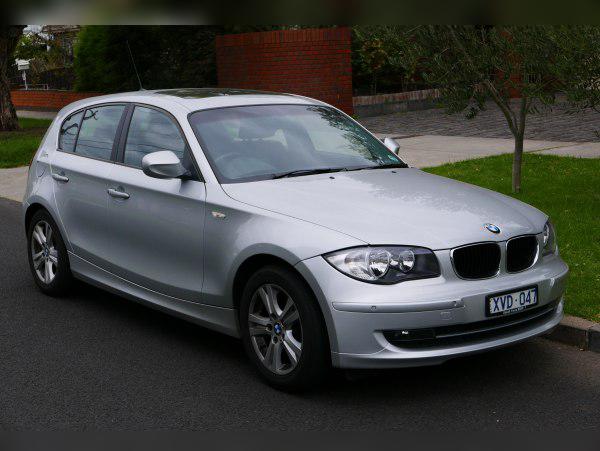
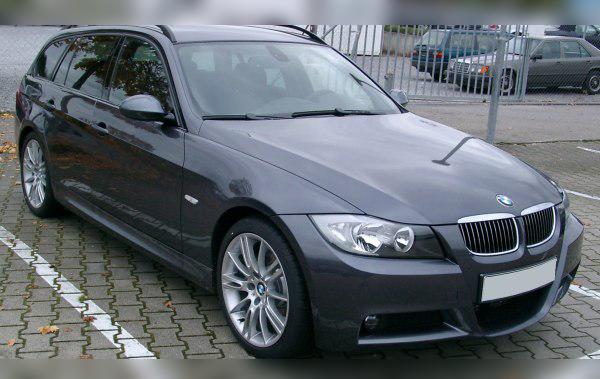
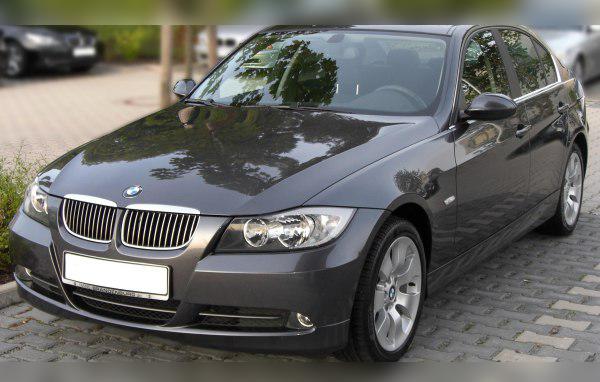
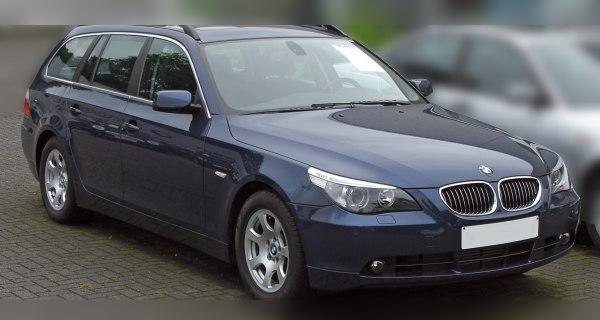
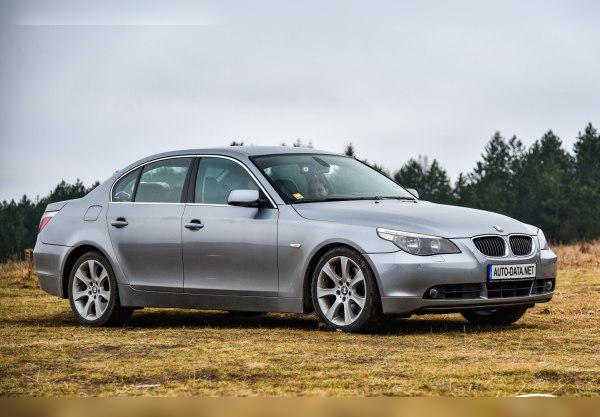
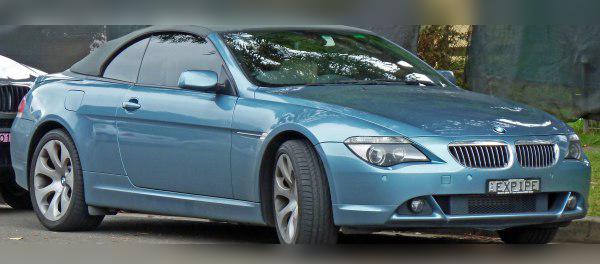
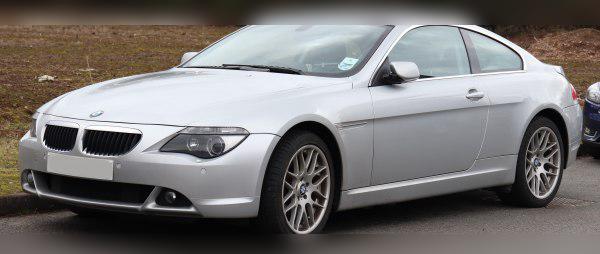
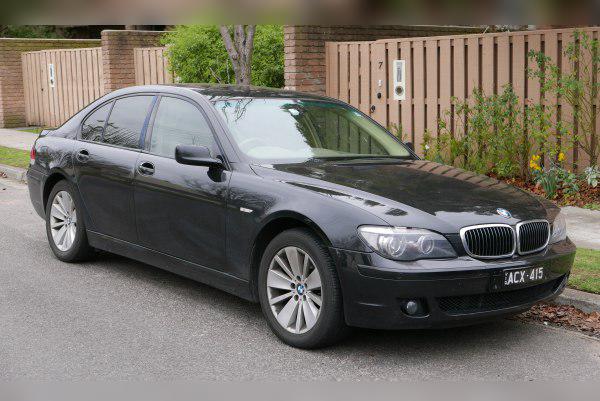
The engine designated N52B30A is a masterpiece of Munich engineering and for many represents the “swan song” of classic BMW naturally aspirated engines. The engine block made from an innovative magnesium–aluminum alloy made it one of the lightest six‑cylinder engines of its time. It was installed in a very wide range of vehicles – from the small and aggressive 1 Series hatchback (130i), through the popular 3 Series (E90) and business‑oriented 5 Series (E60), all the way to heavyweights like the 7 Series (E65) and SUV models X1 and X3. Its 258 HP output offers a top‑tier driving experience, but it requires a mechanic who really knows what they’re doing.
Technical Specifications
| Parameter | Value |
|---|---|
| Displacement | 2996 cc |
| Power | 190 kW (258 HP) |
| Torque | 315 Nm |
| Engine code | N52B30A |
| Injection type | Port (Multi-point/Port injection) |
| Aspiration | Naturally aspirated engine |
| Fuel type | Petrol (Gasoline) |
Reliability and Maintenance
Timing chain instead of belt and service intervals
This engine uses a timing chain rather than a timing belt. For that reason, there is no classic “major service” at a prescribed mileage (e.g. at 100,000 km). The chain on the N52 has generally proven to be quite robust, significantly better than on newer N20 or N47 engines. Still, it is not eternal – chain stretch or wear of the plastic guides usually appears only after 200,000 to 250,000 km. The symptoms are a distinct metallic rattling noise on cold start. Replacing the chain is a relatively expensive job (depends on the market).
Most common failures: Where does the N52 hurt?
Although mechanically strong, the unit has several known peripheral issues that every owner needs to stay ahead of:
- Electric water pump: This is the most critical component. It most often fails suddenly between 100,000 and 150,000 km. Symptom: the car suddenly shows a yellow, then red temperature warning light above 120 °C on the instrument cluster, while the radiator fan runs at full speed. Replacing the pump and thermostat is an expensive investment (depends on the market), but it is mandatory as soon as you buy a used car if there is no proof of replacement.
- DISA valves on the intake manifold: The engine has two flaps (DISA) that change the intake runner length for better torque. Over time, the plastic flaps become brittle, the shaft loosens, and in the worst case a piece of the flap can fall into a cylinder and destroy the engine. Symptoms are weaker pull from low revs and plastic rattling at the top of the engine.
- Valvetronic system and Vanos: The variable valve lift and timing system sometimes suffers from dirty solenoids (Vanos valves). The car then loses power and may trigger the “Check Engine” light. Often, cleaning them is all that’s needed.
- CCV valve (crankcase ventilation/oil separator): Due to pressure and temperature, the separator membranes crack, which leads to increased oil consumption, blue smoke and rough idle.
Oil and spark plugs
The engine takes about 6.5 liters of engine oil. Due to the sensitive Vanos system and timing chain, high‑quality fully synthetic oil of grade 5W‑30 or 5W‑40 (BMW LL‑01 specification required) is strongly recommended. Oil must be changed at a maximum of 10,000 to 12,000 km; ignoring the factory “LongLife” interval of 25,000+ km will literally save your engine.
Does it burn oil? Yes. This engine is known for that. Due to piston ring design and the way the Valvetronic system operates, the factory tolerates up to 1 liter per 1000 km, but in practice a healthy N52 in normal driving uses around 1 liter per 3000 to 5000 km. If consumption exceeds 1 liter per 2000 km, the valve stem seals, CCV separator or some gasket on the block are likely failing. Spark plugs are typically replaced every 60,000 to 80,000 km, and it is advisable to use quality NGK or Bosch iridium plugs.
Specific Components and Systems
One of the biggest advantages of the N52 engine is what it doesn’t have. Unlike modern petrol and diesel engines:
- Turbocharger: It doesn’t have one. The N52 is a pure naturally aspirated engine, which means you won’t be dealing with expensive turbo, intercooler and boost hose repairs.
- DPF, EGR and AdBlue: As this is an older‑generation petrol engine, it absolutely does not have a DPF filter or AdBlue system. It also doesn’t have a typical troublesome EGR valve (exhaust gas recirculation is controlled internally via the Vanos system).
- Fuel injection system: This is crucial – the N52 uses conventional port injection into the intake manifold. The injectors are extremely reliable, inexpensive and rarely fail. There is no expensive high‑pressure fuel pump (HPFP), which is a nightmare on its successor, the N53 engine.
Fuel Consumption and Performance
Real‑world fuel consumption
This is a 3.0‑liter six‑cylinder engine, so physics does its thing. In city driving, especially in stop‑and‑go traffic and with heavier bodies (such as the 5 Series Touring E61 or X3 F25 SUV), consumption rarely drops below 13 to 16 l/100 km. In lighter models like the BMW 130i, it can use around 12–13 l/100 km in town.
On open roads and highways the engine shines, where consumption drops to a very acceptable 7.5 to 9 l/100 km.
Performance, revs and cruising
With 258 HP and 315 Nm of torque, power delivery is perfectly linear. But is it “lazy”?
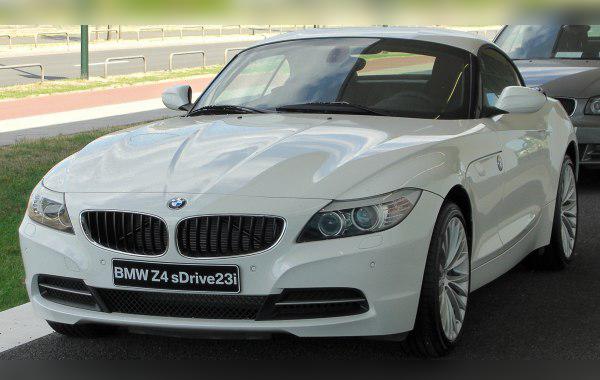
- In light models (1 Series E87, Z4 E89): The engine is brutal. It responds to the slightest touch of the throttle and turns these cars into real rockets.
- In heavy models (7 Series E65, X3, 5 Series xDrive): Here, 315 Nm of torque at lower revs can feel slightly anemic compared to, say, a 3‑liter diesel. Due to the lack of a turbo, to overtake another vehicle on an uphill you’ll have to shift down and rev the engine above 4000 rpm. Fortunately, the sound it produces then is fantastic.
On the motorway, at 130 km/h, depending on the differential and gearbox ratios, the engine usually cruises at a very relaxed 2500 to 2800 rpm, which keeps the cabin very quiet and comfortable for long journeys.
Additional Options and Modifications
LPG (autogas) conversion
Absolutely YES! Thanks to port injection (MPI), this engine is one of the best BMW units for LPG systems. The valves and cylinder head are extremely robust, and there are no issues with cooling petrol injectors (a common problem with direct injection). The cost of installing a quality sequential LPG system is quite reasonable and usually not an extremely expensive investment (depends on the market), and it pays for itself many times over through huge fuel savings.
Chiptuning (Stage 1)
Should you “chip” it? Honestly – no. Because it is a naturally aspirated engine and is already pushed close to its limits from the factory (there is no turbo to simply turn up), an optimal Stage 1 remap will give you at most about 10 to 15 HP and maybe 15–20 Nm of torque. The driver can barely feel that difference at the pedal, while the cost of remapping is not negligible. It’s better to invest that money in a new water pump.
Gearbox and Drivetrain
The N52B30A usually comes paired with two types of gearboxes: a six‑speed manual and a six‑speed ZF automatic (code 6HP). In some of the last applications (such as the X3 F25) it could also be found with the more advanced eight‑speed ZF (8HP).
Manual gearbox
The gearbox itself is almost indestructible; however, every manual N52 has a dual‑mass flywheel. Its lifespan is usually around 200,000 km. If, when setting off at low revs, you feel vibrations through the seat and the clutch judders, or you hear knocks when switching the engine off, it’s time for replacement. A clutch kit together with a dual‑mass flywheel is an expensive repair (depends on the market).
Automatic gearbox (ZF 6HP)
These are excellent and comfortable gearboxes, but they do require maintenance. The oil in the gearbox is absolutely NOT lifetime as BMW once claimed. The recommended interval for changing the oil, filter (integrated into the plastic pan) and mechatronic rubber seals is 80,000 to 100,000 km.
Most common issues: The plastic gearbox pan tends to warp due to heat, which leads to oil leaks. Also, the “sleeve” on the gearbox electronics connector often fails and leaks oil. If the oil is not changed on time, the mechatronic solenoids wear out, and the gearbox starts to shift harshly, especially when downshifting from 2nd to 1st gear while coming to a stop.
Buying Used and Conclusion
What to check before buying?
- Oil leaks: Inspect the front of the engine block (below the oil filter) and around the valve cover above the exhaust manifold. If oil drips onto the hot exhaust, you will notice a strong burning smell in the cabin. Replacing the valve cover gasket and oil filter housing gasket is not cheap due to the high labor time, not the parts themselves (depends on the market).
- Noise from lifters and timing chain: Always insist on a cold start. Any ticking from the top of the engine may indicate dry hydraulic lifters (which is somewhat benign but annoying on N52 engines) or a stretched chain.
- Blue smoke from the exhaust: After idling for a longer period (e.g. 5 minutes), blip the throttle sharply. If a cloud of blue smoke comes out of the exhaust, the engine is crying out for new valve stem seals, which is an extremely expensive and complex procedure.
- Diagnostics: ALWAYS read fault codes with a diagnostic tool. Check the operation of the Valvetronic motor and the fault history of the water pump.
Who is it for?
The 258 HP BMW N52B30A is a gem for traditionalists. By buying a car with this engine you consciously give up some of the low‑end torque of modern diesels in exchange for a fantastic sound, immediate throttle response and mechanics spared from turbo lag and DPF issues. It is an excellent car for someone who covers a reasonable annual mileage and values quality driving, and even a great choice for those planning a top‑notch LPG setup to soften the blow of higher city fuel consumption. Just be prepared in advance for the inevitable water pump replacement and fixing minor oil leaks, and it will serve you flawlessly for hundreds of thousands of kilometers.