BMW N54B30 engine: Experiences, problems, fuel consumption and buying used
Key points (TL;DR)
- Incredible tuning potential: The N54 is known as the "modern German 2JZ" because with a basic tune it easily exceeds 380 hp.
- Expensive maintenance: Piezo injectors, the high-pressure fuel pump (HPFP) and the electric water pump are the most common and most expensive failures.
- Turbine rattle (wastegate rattle): Almost every N54 suffers from loose linkage on the turbo actuator arms.
- Fuel consumption: In the city expect between 13 and 16 l/100 km, while on the highway it drops below 10 liters.
- Oil leaks: The oil filter housing and valve cover regularly leak, and oil leaking onto the belt can lead to engine destruction.
- Not for beginners: This is an engine for enthusiasts with a serious maintenance budget, not for everyday economical driving.
Contents
- Introduction: BMW’s return to turbocharging
- Technical specifications
- Reliability and maintenance
- Specific components (Costs and failures)
- Fuel consumption and performance
- Additional options and modifications
- Transmission and drivetrain
- Buying used and conclusion
Introduction: BMW’s return to turbocharging
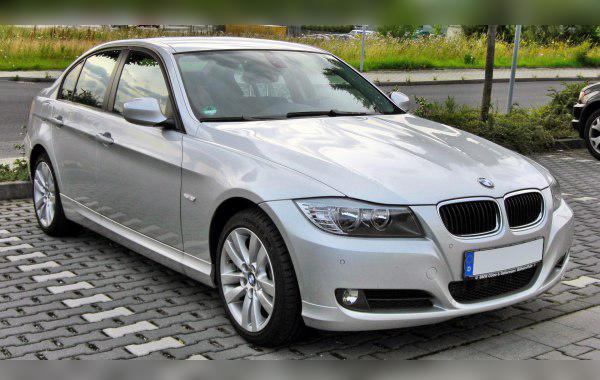
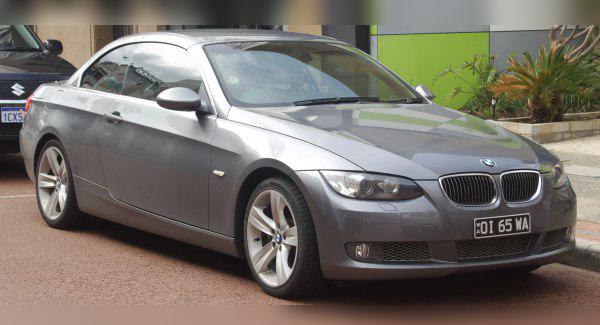
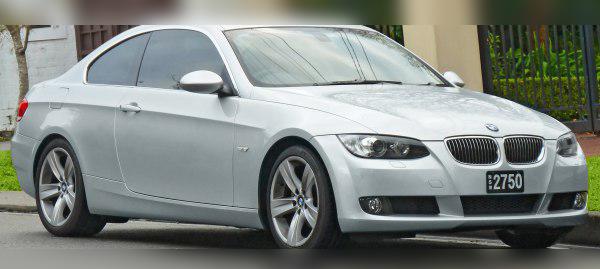
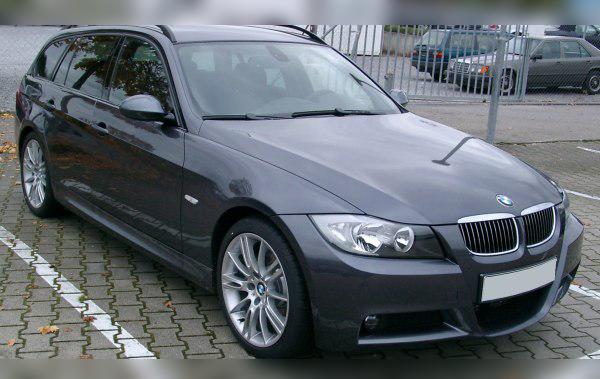
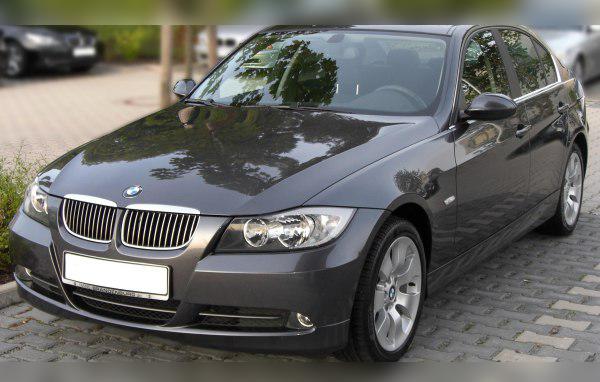
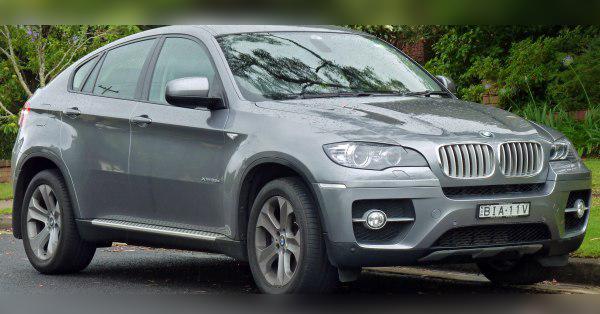
The N54B30 engine marked a new era for BMW, representing a return to petrol turbo engines after several decades. It was introduced in 2006 and was widely used in 3 Series models (E90/E91/E92/E93, including the facelift LCI versions badged 335i) and in the early production of the X6 (E71 35i). This 3.0‑liter inline-six with two turbochargers delivers power in a way that feels like a naturally aspirated V8, with massive torque available from very low revs. Although it is a multiple Engine of the Year award winner, its reputation among mechanics is mixed – they love it for its performance and hate it for its tendency toward specific, expensive failures.
Technical specifications
| Specification | Data |
|---|---|
| Engine code | N54B30 |
| Displacement | 2979 cc |
| Power | 225 kW (306 hp) at 5800 rpm |
| Torque | 400 Nm at 1300 - 5000 rpm |
| Fuel type | Petrol (Gasoline) |
| Injection type | Direct injection (Piezo injectors) |
| Induction | Twin-turbo (Two turbochargers) + intercooler |
Reliability and maintenance
When it comes to the timing drive, the N54 uses a chain instead of a timing belt. The chain on this engine is not chronically problematic like on some newer generations (e.g. N20), but a visual inspection and tensioner check is recommended at around 200,000 km. There is no classic “major service” with belt replacement, but at around 100,000 km it is advisable to replace the pulleys, accessory belt and – most importantly – the electric water pump and thermostat. Water pump failure is sudden and leaves the driver stranded, so timely replacement is absolutely essential.
The sump capacity is exactly 6.5 liters of oil, and the recommended viscosity is generally 5W-30 or 5W-40 with BMW LL-01 approval. As for oil consumption, these engines do like to use some. BMW tolerates consumption of up to 1 liter per 1000 km, but in practice a healthy N54 uses about 1 liter per 3,000 to 5,000 km. If it uses more, the problem usually lies in a worn crankcase ventilation system (PCV valve), valve stem seals or turbocharger seals.
Since this is a turbocharged petrol engine with direct injection that runs at fairly high temperatures, spark plugs are replaced more often than on naturally aspirated engines – the recommendation is every 40,000 to 60,000 km. Due to the sensitivity of the system, always choose only genuine (OEM) or NGK spark plugs specific to the N54. Ignition coils also fail frequently and manifest as jerking under hard acceleration (misfire).
Specific components (Costs and failures)
The biggest weak point of the N54 engine is its fuel injection system. It uses direct injection with the notorious high-pressure fuel pump (HPFP). Symptoms of pump failure include extended cranking on cold start (long crank), loss of power and an “Engine Fault, Reduced Power” message on the display. In addition to the pump, the Piezo injectors are a story of their own. They often leak, filling the cylinders with fuel, washing oil off the cylinder walls and causing catastrophic engine damage. BMW released more than ten revisions of these injectors, and only the so‑called “Index 12” version finally solved the problem. Replacing all six injectors is very expensive (Depends on the market).
As for the turbochargers, the N54 is equipped with two small MHI (Mitsubishi) turbochargers. The service life of the compressor section itself is good (around 150,000 - 200,000 km with regular oil changes), but the problem is the wastegate rattle. The shafts of the wastegate flaps wear out over time, causing an irritating rattle when lifting off the throttle at around 2000-3000 rpm. The solution involves removing the turbos and overhauling that mechanism, which requires a lot of labor hours and is expensive (Depends on the market).
Since this is a petrol engine, it does not have a DPF filter or AdBlue system. However, it does have multiple catalytic converters that can melt and clog if the injectors leak and dump raw fuel into the exhaust, which is yet another reason why the injectors must be in perfect condition. There is also no classic EGR valve; the vapor recirculation system is integrated into the valve cover.
Fuel consumption and performance
The idea of low fuel consumption from a 306 hp engine in heavy vehicles (especially the X6 or 3 Series with xDrive) is a myth. In city driving, real-world consumption ranges from 13 to 16 l/100 km, depending on how heavy your right foot is and on traffic conditions. In a heavier model such as the BMW X6 (E71), this figure can easily climb close to 18 liters.
In terms of performance, this engine is anything but “lazy”. With 400 Nm of torque available from an incredible 1300 rpm, the N54 behaves like a big V8. It hauls even the heavy X6 body with astonishing ease. In the 3 Series (E90/E92), acceleration is brutal, and turbo lag is reduced to an absolute minimum thanks to the two small turbochargers that spool up quickly.
On the motorway, the N54 is in its natural habitat. At 130 km/h the engine cruises at a very relaxed 2300 to 2600 rpm (depending on the gearbox and differential ratio). Fuel consumption on the open road is much more acceptable, at around 8.5 to 10 l/100 km.
Additional options and modifications
If you are thinking about LPG (autogas) conversion, forget it right away. Because of the direct injection system and piezo injectors located directly in the combustion chamber, conventional sequential LPG systems are not applicable, as the injectors would overheat and melt without petrol flow. There are liquid gas injection systems, but they are disproportionately very expensive (Depends on the market), complex to map on a twin‑turbo setup and in the long run cause more harm than good.
However, the N54 is an absolute king when it comes to tuning (remapping). The stock engine block, crankshaft and connecting rods are forged and can withstand huge loads. A simple “Stage 1” (software-only tune using popular platforms such as MHD or JB4) raises power from 306 hp to about 360 to 380 hp, while with minimal modifications (a higher‑flow intercooler and downpipes) power easily breaks the 400 hp and 550 Nm barrier. That is why this is the most beloved engine among tuners.
Transmission and drivetrain
The N54B30 was paired with two main transmission options: a conventional 6‑speed manual gearbox and the well‑known ZF6HP 6‑speed automatic gearbox (Steptronic). In rarer and later versions (such as the 335is Coupe) a 7‑speed DCT gearbox was also available, but in the mainstream models listed above you will most often encounter the ZF automatic.
The manual gearbox is mechanically almost indestructible, but it requires a clutch assembly that can handle 400+ Nm. It uses a dual‑mass flywheel which, when worn, causes vibrations on take‑off and rattling at idle. A clutch kit with dual‑mass flywheel for this engine is expensive (Depends on the market).
With the ZF automatic gearbox, the most common issues include oil leaks from the plastic oil pan (which has an integrated filter) and damage to the “mechatronics” unit (seals and valves inside the valve body), which leads to jerks when shifting from first to second gear or delays when engaging reverse. BMW once claimed that the transmission oil is “lifetime” and does not need to be changed, but this is a misconception that destroys gearboxes. The oil, pan (with integrated filter) and mechatronic seals must be replaced every 80,000 to 100,000 km.
Buying used and conclusion
Buying a used BMW with an N54 engine is a minefield if you are not careful. What exactly should you check during inspection?
- Cold start: The engine must be completely cold before you arrive. Pay attention to how long it cranks. If it cranks for more than 2–3 seconds, the HPFP is probably on its last legs.
- Turbo rattle: As soon as the engine starts and the revs settle, gently blip the throttle and release it quickly. A metallic rattle from below means the turbo actuators (wastegates) are worn.
- Oil leaks at the filter housing: Open the bonnet and check around the oil filter housing and oil cooler. If oil is dripping onto the accessory belt, this is critical! The belt can slip off, wrap around the crankshaft pulley, damage the front crank seal and get into the sump, which can lead to complete engine seizure.
- Diagnostics (misfires): Connect a proper diagnostic tool and look for misfire codes under load or fuel pressure errors. Check which “Index” number the injectors have (it is printed directly on them). If they are below Index 12, plan on replacing them soon.
Conclusion: The N54B30 is not an engine for everyone. It is intended for serious enthusiasts who are willing to accept high maintenance costs in exchange for top‑tier performance and driving feel. If you are looking for an economical and reliable car to get from point A to point B, give the N54 a wide berth. If, on the other hand, you want a fantastic “driver’s” engine that can easily be tuned into a supercar killer, the N54 is probably the best engine BMW has made in the 21st century – provided your wallet can forgive all of its engineering flaws.