BMW N54B30A (3.0 Twin-Turbo): Experiences, problems, fuel consumption and used car buying tips
Key points (TL;DR)
- Performance: One of the most beloved BMW engines among enthusiasts, it offers massive torque and behaves like a naturally aspirated V8 thanks to its twin-turbo system.
- Tuning potential: Often called the “German 2JZ” because the internals can handle huge power increases.
- Fuel system issues: The high-pressure fuel pump (HPFP) and piezo injectors are the most expensive and most common pain points of this engine.
- Turbochargers: Wastegate rattle is a regular occurrence, and replacing or rebuilding the turbos is a significant financial expense.
- Maintenance: This is not an engine for a shallow pocket. It requires rigorous maintenance, and parts are very expensive (Depends on the market).
- Fuel consumption: Expect high fuel consumption in city driving, easily exceeding 14 liters per 100 km.
Contents
- Introduction: The return of turbocharging to BMW
- Technical specifications
- Reliability and maintenance
- Specific parts and costs
- Fuel consumption and performance
- Additional options and modifications
- Transmission and power delivery
- Buying used and conclusion
Introduction: The return of turbocharging to BMW
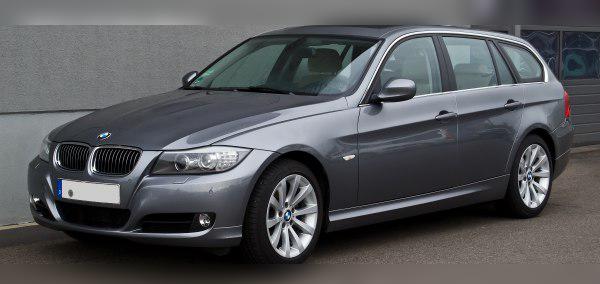
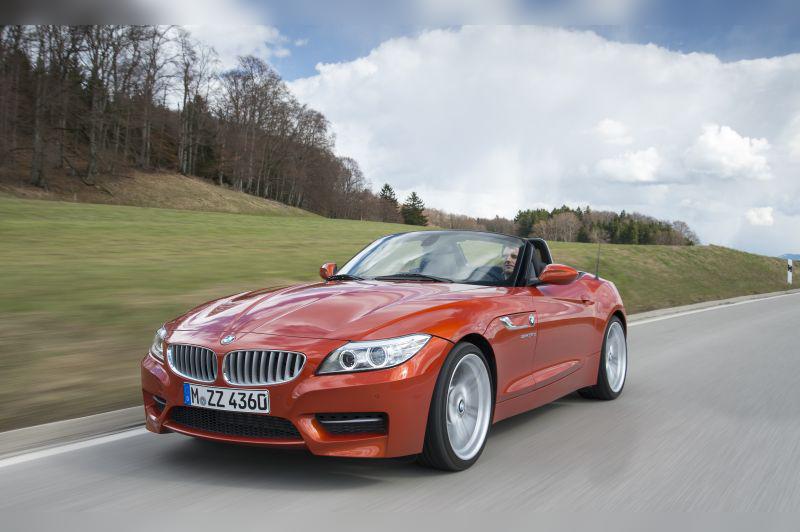
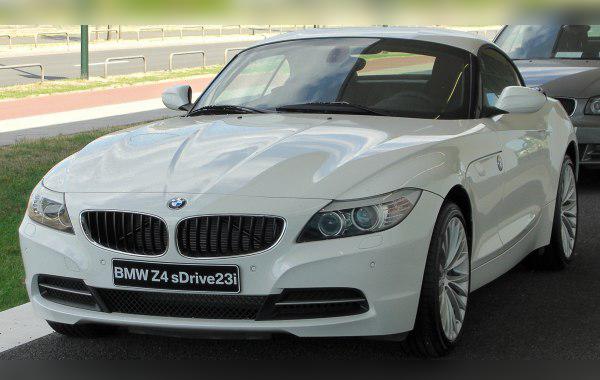
When BMW introduced the N54B30A engine, the automotive world paused for a moment. After decades of perfecting naturally aspirated inline-sixes, the Bavarians decided to bring turbo technology back to their petrol engines. This 3.0-liter engine with two turbochargers found its way under the hood of top models such as the 3 Series (E91 335i) and the Z4 roadster (E89 35i). Its task was to deliver V8 power with the weight and dimensions of an inline-six. Although it is an engineering masterpiece that delivers an incredible dose of adrenaline, over the years the N54 has gained a reputation as an engine that gives the driver the biggest smiles, but also the worst headaches when it’s time to visit the mechanic.
Technical specifications
| Parameter | Value |
|---|---|
| Displacement | 2979 cc |
| Engine power | 225 kW (306 hp) at 5800 rpm |
| Torque | 400 Nm at 1300 - 5000 rpm |
| Engine code | N54B30A |
| Injection type | Direct injection (Piezo) |
| Charging system | Twin-turbo (two turbochargers) with intercooler |
Reliability and maintenance
Timing system: Chain or belt?
This engine uses a chain to drive the camshafts. Unlike some infamous BMW four-cylinders from that period, the chain on the N54 is extremely robust and rarely the primary issue. A “major service” in the classic sense (timing set replacement) has no prescribed interval, but experienced mechanics recommend checking chain tension and guide condition at around 200,000 km. In most cases, peripheral components will fail before the timing mechanism itself.
Most common failures and weak points
Maintaining an N54 engine comes down to dealing with several well-known factory flaws. First in line is the electric water pump. It usually doesn’t give any warning before failing – it simply stops, which leads to immediate overheating (symptom: red temperature warning light and loss of power). It is replaced together with the thermostat.
The second major problem is oil leaks. The most common culprits are the valve cover gasket, oil pan gasket and the oil filter housing. If you notice the smell of burning oil in the cabin while idling at a traffic light, oil is dripping onto the hot exhaust manifold.
Oil and spark plugs
The engine takes 6.5 liters of oil, and the recommended grade is 5W-30 or 5W-40 (must meet BMW LL-01 specification). Does it consume oil? Absolutely. With high performance and two turbos, consumption of about 1 liter per 3,000 to 5,000 km is considered normal, provided the engine isn’t leaking anywhere. Due to direct injection and high boost pressure, the spark plugs are under heavy load and should be replaced every 40,000 to 60,000 km, and often the ignition coils fail along with them (symptom: misfires or hesitation under full throttle).
Specific parts and costs
Fuel injection system: An owner’s nightmare
This is the area that requires the most attention. The N54 uses direct injection with piezo injectors and a high-pressure fuel pump (HPFP). The high-pressure pump is known for its short lifespan; symptoms of failure are long cranking on cold start and loss of power (limp mode). As for the injectors, they are prone to leaking. If an injector does not seal properly, fuel washes the oil film off the cylinder walls and mixes with the engine oil, which can destroy the crankshaft and bearings. The injector revision marked “Index 12” is the only long-term solution. Replacing all six injectors is very expensive (Depends on the market).
Turbochargers and wastegate rattle
The engine is equipped with two small Mitsubishi turbochargers. Their lifespan is around 150,000 km, but their most notorious flaw is wear of the wastegate actuator arms. The symptom is a distinct metallic rattle when the revs drop (sounds like a tin can rattling under the hood). The repair requires removing both turbos, which is very labor-intensive and expensive (Depends on the market).
Since this is a pure petrol engine, there is no DPF filter or AdBlue system, so you are spared the usual soot-related exhaust issues in that regard. However, due to direct injection, the intake valves do get clogged with carbon deposits, so every 80,000 km or so it is necessary to perform walnut blasting of the intake ports to restore a smooth idle.
Fuel consumption and performance
City and highway
Let’s be honest – anyone buying an N54 engine doesn’t care much about fuel economy. In stop-and-go city driving with a heavy E91 wagon or a Z4, real-world consumption rarely drops below 13–15 l/100 km. If you have a heavy right foot, the figure will be significantly higher.
However, things improve on open roads and highways. At 130 km/h the engine cruises at very low revs (around 2,200 to 2,500 rpm, depending on the gearbox and differential ratios), and fuel consumption can drop to a respectable 8.5 to 9 l/100 km.
Is the engine “lazy”?
Not at all. Thanks to the twin-turbo setup, the N54 virtually eliminates turbo lag. The maximum torque of 400 Nm is available from an incredible 1,300 rpm. This means the engine pulls hard from very low revs without any effort, easily coping with the weight of the xDrive system or a heavy wagon body.
Additional options and modifications
LPG conversion
On the N54 engine, an LPG conversion is extremely complex and most experienced mechanics do not recommend it. Because of the highly precise direct injection system, conventional sequential LPG systems are not suitable. Specialized systems that inject LPG in liquid phase or those that use petrol in parallel to cool the injectors are required. The cost of such an installation is enormous, and the reliability of the entire system is questionable on such a sensitive engine.
Chip tuning (Stage 1)
This is where the N54 shines. Thanks to its forged crankshaft and very strong engine block, this unit is made for tuning. A simple software “Stage 1” tune raises power from the stock 306 hp to a safe 360–380 hp, and torque goes beyond 500 Nm. However, a warning: before any remapping, the injectors, coils, spark plugs and high-pressure fuel pump must be in perfect condition, otherwise the increased boost will immediately expose all weaknesses.
Transmission and power delivery
The N54B30A was paired with several types of transmissions. Available options included a classic 6-speed manual gearbox, the robust 6-speed Steptronic (torque-converter automatic made by ZF), as well as the fast 7-speed DCT (dual-clutch transmission, most commonly fitted to Z4 models).
- Manual gearbox: Very durable. It uses a dual-mass flywheel to smooth out the massive torque. When the time comes to replace the clutch kit together with the flywheel, the cost is high (Depends on the market), but after that you are set for years.
- Steptronic (ZF6HP): A reliable automatic. The most common issues include oil leaks from the transmission pan and wear of sealing rings inside the mechatronics unit, which results in harsh gear changes.
- DCT (Z4): Incredibly fast, but prone to oil leaks from the side covers. It requires special and expensive oil.
For all automatic transmissions (both Steptronic and DCT), a full service with oil and filter (pan) replacement is recommended every 80,000 to 100,000 km, even though BMW initially claimed the oil was “lifetime fill” – real-world experience has proven otherwise.
Buying used and conclusion
What to check before buying?
Buying a used car with an N54 engine can be the best or the worst decision, depending on its maintenance history. Be sure to check the following:
- Cold start: The car must be completely cold when you inspect it. Listen for long cranking (sign of a failing HPFP) and whether you can hear rattling from the turbo area immediately after start-up (wastegate). Idle must be absolutely smooth; any vibrations or fluctuating revs indicate problematic piezo injectors.
- Oil smell: Pull out the dipstick (or open the filler cap). If the oil strongly smells of petrol, walk away from that car – the injectors are leaking fuel into the crankcase.
- Visual inspection for leaks: Check the oil filter housing at the front of the engine. If oil is leaking there, it can drip directly onto the accessory belt, which can slip off, get pulled through the crank seal into the engine and cause total engine failure.
- Diagnostics: A full fault code scan is mandatory (including codes that do not trigger the “Check Engine” light) using professional equipment. Check fuel pressure at idle and under load.
Final verdict
The BMW N54B30A is an engine for true car enthusiasts. If you are looking for an economical family wagon, an E91 335i with this engine will ruin you financially. This is a powerplant that demands dedication, preventive maintenance and a constant budget for unexpected failures (injectors, pumps, turbos). On the other hand, for drivers who appreciate brutal acceleration, an incredible sound with the right exhaust and huge tuning potential, the N54 is one of the best engines BMW has ever made. The driving experience is worth every penny – as long as you know what you are buying.