BMW N55B30A (306 HP) – Experiences, problems, fuel consumption and used-buying tips
Key points in short (TL;DR)
- Significantly more reliable than its predecessor (N54): Switching from two turbos to a single twin-scroll turbo solved many headaches.
- Water pump and thermostat: The most critical point. The electric pump usually fails without warning at around 100,000 km.
- Direct injection: Carbon buildup on intake valves is inevitable and requires walnut blasting every 80,000 to 100,000 km.
- Oil leaks: Valve cover gasket and oil filter housing are common weak spots. A leak at the filter housing can destroy the engine if oil gets on the accessory belt.
- Fuel consumption: Expect 12–15 l/100 km in the city, but on the highway it can be surprisingly economical.
- Tuning: A fantastic engine for modifications. A simple Stage 1 tune easily pushes it beyond 360 HP.
Contents
- Introduction and engine history
- Technical specifications
- Reliability, maintenance and failures
- Specific parts and costs
- Fuel consumption and performance
- Additional options and modifications
- Gearbox and drivetrain
- Buying used and conclusion
Introduction and engine history
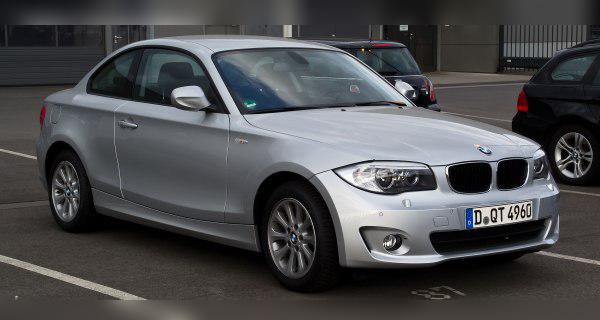
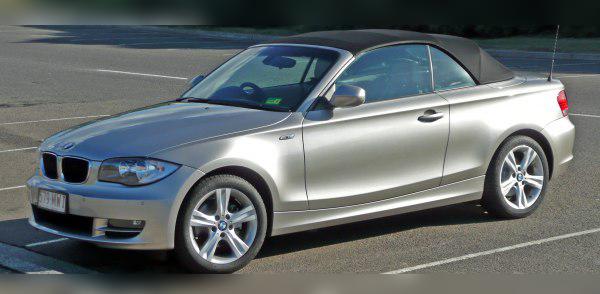
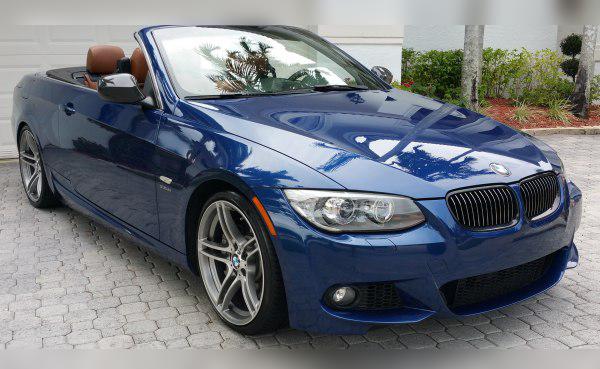
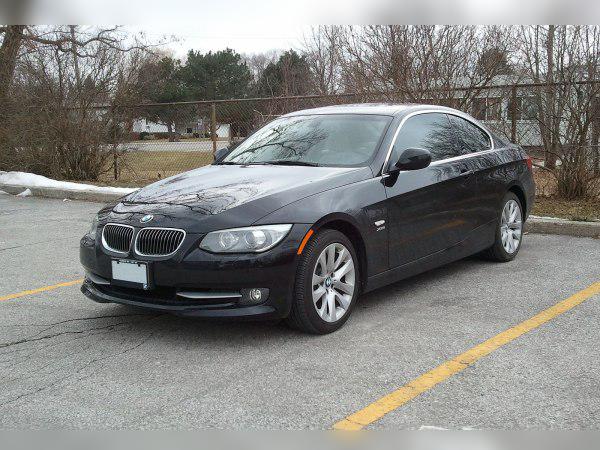
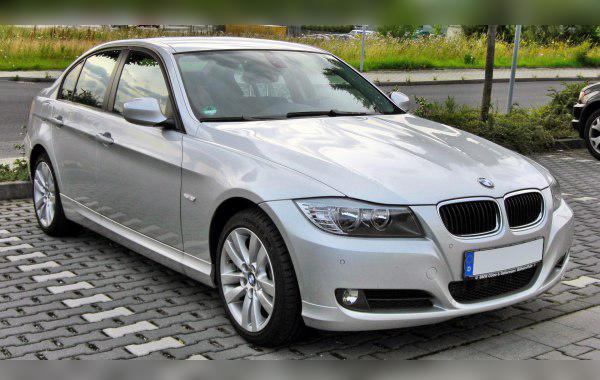
The N55B30A engine is BMW’s legendary 3.0-liter inline-six that marked a new era for the Bavarian manufacturer. It replaced the N54, moving from a complex twin-turbo setup to a single twin-scroll turbocharger (which BMW markets as TwinPower Turbo). It was installed in a huge number of models, from the small 1 Series (E82, E88), through the popular 3 Series (E90/E92 and F30 generations), all the way to heavy SUVs like the X5 (F15) and X6. It features the Valvetronic system (variable valve lift), which improved throttle response and reduced fuel consumption, making it an excellent balance between raw performance and everyday usability in Europe.
Technical specifications
| Specification | Value |
|---|---|
| Displacement | 2979 cc |
| Power | 225 kW (306 HP) |
| Torque | 400 Nm |
| Engine code | N55B30A |
| Injection type | Direct injection (Solenoid) |
| Forced induction | TwinPower Turbo (1 twin-scroll turbo), intercooler |
| Fuel | Petrol (Recommended 98+ octane) |
Reliability, maintenance and failures
Timing system and servicing
This engine uses a timing chain to drive the camshafts. Unlike the notorious N47 diesels, the chain on the N55 is quite robust and rarely fails. There is no fixed replacement interval for the chain (no classic “major service” based on mileage); it is replaced when you start hearing rattling on cold start, which typically happens well past 200,000 km.
However, the N55 has its own version of a “major service”, namely the electric water pump and thermostat. The pump is cooled and lubricated by coolant itself, and the electronics inside it gradually give up due to heat. Failure usually occurs around 100,000–120,000 km, without any warning. The engine suddenly loses cooling, the car goes into limp mode and must be stopped. Preventive replacement of both parts is recommended.
Oil and leaks
The engine takes about 6.5 liters of oil, and the recommended viscosity is 5W-30 or 5W-40 that meets the BMW LL-01 specification. The factory oil change interval of 25,000 km is far too long for a turbo engine; you should change the oil every 10,000 km. The N55 tends to consume a bit of oil due to evaporation and the PCV system (oil vapor separator). Consumption of up to 1 liter per 5,000 km is considered normal. If it uses more, the usual culprits are valve stem seals, a worn PCV (integrated into the valve cover), or the turbo.
The most common mechanical issue is oil leaks. The valve cover gasket regularly starts leaking, causing oil to drip onto the hot exhaust manifold and a burning smell in the cabin. A much more dangerous problem is leakage at the oil filter housing gasket (OFHG). If oil from there drips onto the accessory (serpentine) belt, the belt can slip off, wrap around the crankshaft pulley, get pulled through the front crank seal straight into the oil pan and completely destroy the engine. Fixing this leak is mandatory as soon as it is noticed.
Spark plugs and ignition coils
Since this is a high-performance turbo petrol engine, spark plugs should be replaced every 40,000–60,000 km. Ignition coils are also consumable items and often fail. Symptoms of bad coils or plugs are engine misfires or “stumbling” under hard acceleration, especially at lower revs.
Specific parts and costs
Fuel injection system and carbon buildup
The N55 uses high-pressure direct fuel injection. Fortunately, BMW abandoned the sensitive piezo injectors from the N54 and switched to more reliable Bosch solenoid injectors. Injector failures are much rarer, but the fundamental problem of direct injection remains: carbon buildup on intake valves. Since petrol does not wash over the valves (it is injected directly into the cylinder), oil vapors from the PCV system stick to the hot valves. Every 80,000–100,000 km, the valves need to be cleaned with walnut shell blasting. Symptoms of clogged valves are an uneven idle (idle speed fluctuates) and a slight loss of power.
Turbocharger and emissions
The engine has a single BorgWarner twin-scroll turbocharger with two scrolls that use exhaust gases from different cylinders for quicker spool. Its lifespan is excellent; with regular oil changes it can easily go beyond 200,000 km. Sometimes you may hear wastegate rattle, although it is less common than on N54 engines. Rebuilding or replacing the turbo is expensive (varies by market).
Since this is a petrol engine, it does not have a DPF filter or AdBlue system that plague modern diesels. It does have catalytic converters, which are long-lasting unless the car is driven for a long time with failing coils (unburnt fuel enters the exhaust and melts the catalyst substrate). It also does not have a conventional EGR valve that clogs with soot like on diesels; internal exhaust gas recirculation is handled via variable valve timing and lift (VANOS and Valvetronic).
Fuel consumption and performance
City driving and performance
Real-world fuel consumption in city driving is between 12 and 15 l/100 km, depending on vehicle weight and how heavy your right foot is. In lighter models (1 and 3 Series) it can be at the lower end, while in X5 and X6 models you should expect 15+ liters.
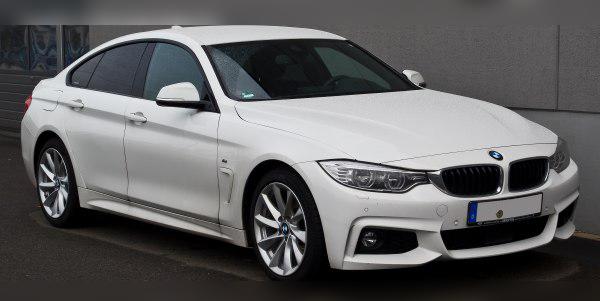
Is the engine sluggish? Absolutely not! With 400 Nm of torque available from just 1,200 rpm, the N55 behaves like a strong diesel when pulling away from a stop, while at high revs it delivers the power of a proper petrol engine. It has no trouble hauling massive bodies like the X5, and in the 3 and 4 Series (335i, 435i) it offers sports-car performance.
Highway driving
On the motorway it is a fantastic cruiser. When paired with the 8-speed automatic gearbox, at 130 km/h in eighth gear the engine speed stays very low (around 2,000–2,200 rpm), making for a very quiet ride. Thanks to this, highway fuel consumption can drop to a surprisingly low 7.5 to 9 l/100 km.
Additional options and modifications
LPG (autogas) conversion
Should you install LPG on an N55? Strongly not recommended. Due to direct injection, a classic sequential LPG system cannot be used. You need expensive systems that simulate injector operation and use a mixture of petrol and gas at the same time to keep the injectors cool. The conversion is not cost-effective, is complicated, and often results in power loss and engine management issues.
Tuning (remapping)
This engine is a dream for the tuning scene. With no mechanical changes (software only – Stage 1), power can be safely raised from 306 HP to about 360–380 HP, while torque goes beyond 500 Nm. The one thing you must replace before tuning is the plastic intercooler charge pipe. The factory plastic becomes brittle over time and cracks even at stock boost levels, and with a Stage 1 map it will almost certainly explode. Replacing it with an aluminum pipe is mandatory.
Gearbox and drivetrain
Several gearboxes were paired with the N55 engine, depending on model and production year:
- 6-speed manual: Reliable, but rarely found on heavier models.
- 6-speed automatic (Steptronic – ZF6): Mostly in early E-series cars. Solid, but a bit slower.
- 7-speed DCT (dual-clutch gearbox): Installed in early E82/E92 coupes and convertibles (2010–2012). Extremely fast, but can suffer from oil leaks at the mechatronics unit.
- 8-speed automatic (ZF8HP): Used in F-generation cars (F30, F10, F15, etc.). The best option! Phenomenally quick and extremely reliable.
Failures, dual-mass flywheel and servicing
All models with a manual gearbox have a dual-mass flywheel. Due to the high torque, the flywheel is heavily stressed and after 150,000+ km it can develop play (symptoms are vibrations when taking off and knocking when switching the engine off). The price of a clutch and dual-mass flywheel kit for this engine is very high (varies by market).
As for automatic gearboxes (especially the ZF8), they do not have a dual-mass flywheel (they use a torque converter). The biggest mistake owners make is believing BMW’s claim that “lifetime fill” oil never needs changing. To prevent harsh shifts and wear of the internal clutch packs, the oil and filter in the automatic gearbox must be changed every 80,000–100,000 km. On ZF gearboxes, the filter is integrated into the plastic transmission oil pan and is replaced as a complete unit.
Buying used and conclusion
What to check before buying?
When looking at a used car with an N55 engine, the following checks are mandatory:
- Cold start: Listen for timing chain rattle in the first 2–3 seconds. Also listen around the turbo area – metallic rattling indicates play in the wastegate.
- Idle: The engine should idle perfectly smoothly. Any shaking can mean it needs new coils, spark plugs, injectors, or walnut blasting (valve cleaning).
- Visual inspection: Use a flashlight and inspect the area around the oil filter housing (look for fresh oil “sweating” towards the belts) and the joint between the valve cover and the cylinder head.
- Diagnostics: ALWAYS connect the car to a specialized BMW diagnostic tool (ISTA). Before complete failure, the water pump logs so-called “shadow” errors due to deviations in impeller speed.
Conclusion
The BMW N55B30A is an outstanding engine for enthusiasts who want a powerful, great-sounding and very fast car, and at the same time one that is far more reliable for daily driving than the previous N54. It is not intended for those seeking cheap maintenance – suspension, brakes and specific parts are sized for over 300 HP. If you find a car with a well-documented service history, immediately replace the plastic turbo charge pipe, fix any oil leaks and change high-quality oil regularly. In that case, the N55 will reward you with top-tier performance and one of the best-sounding inline-sixes on the market.