SQRH4J15 (1.5T PHEV) – Experiences, issues, fuel consumption and maintenance of the hybrid heart
Key points in short (TL;DR)
- Purpose-built hybrid engine: This is not just a random petrol engine dropped into a chassis, but a power unit optimized for operation in a Plug-in Hybrid system (Miller cycle).
- Timing system: Uses a chain, which reduces regular maintenance costs, but requires high-quality oil.
- Power and response: The petrol engine alone has 156 hp, but in synergy with the electric motors (around 360 hp total) the performance is sporty.
- Sensitivity: As a GDI engine with direct injection, it is sensitive to fuel quality and carbon deposits on the valves.
- Transmission complexity: The DHT gearbox is a technological marvel, but repairs can be very expensive (depends on the market).
- Fuel consumption: Phenomenal if you charge the battery regularly, average if you drive only on petrol.
Contents
- Technical specifications
- Reliability and maintenance
- Specific parts and costs
- Fuel consumption and performance
- Additional options and modifications
- Transmission and drivetrain
- Buying used and conclusion
Introduction
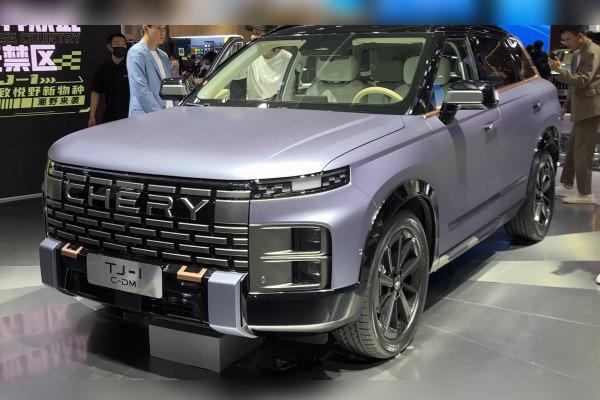
The engine with the code SQRH4J15 represents the fifth generation of Chery ACTECO engines, specifically developed for their advanced hybrid platform (C-DM). It is installed in the Chery Tansuo 06 model (also known as Jaecoo J7 in certain markets) in the Plug-in Hybrid version. Unlike older Chinese engines that were copies of Japanese ones, this is a modern power unit with high thermal efficiency (over 44.5%), designed to work in tandem with powerful electric motors. Its role is not only to drive the wheels, but also to efficiently charge the battery as a generator.
Technical specifications
| Parameter | Value |
| Engine code | SQRH4J15 |
| Displacement | 1499 cc (1.5 L) |
| Power (petrol engine) | 115 kW (156 hp) |
| Torque (petrol engine) | 220 Nm |
| Total system power (PHEV) | ~265 kW (360 hp) – varies depending on market |
| Injection type | Direct injection (GDI) |
| Induction | Turbocharger + intercooler |
| Operating cycle | Miller cycle (high efficiency) |
Reliability and maintenance
Timing drive: Chain or belt?
The SQRH4J15 engine uses a timing chain to drive the valves. Here, Chery opted for longevity. The chain is designed to last as long as the engine itself, but in practice it is recommended to check it (listen for rattling noise at cold start) after around 200,000 km. Chain tensioners can be a weak point if the oil is not changed regularly.
Most common issues
Although this is a relatively new engine, there are a few things to keep in mind:
- Carbon buildup: Due to direct injection (GDI), fuel does not "wash" the intake valves. Over time, deposits form that can lead to rough running and loss of power. Intake cleaning is recommended at higher mileages.
- Sensors and electronics: Given the complexity of the hybrid system, problems with temperature sensors, lambda sensors or software glitches that trigger the "Check Engine" light are more common than mechanical failures of the engine block itself.
- PCV valve: The crankcase ventilation system can clog, which leads to increased oil consumption.
Major and minor service
Minor service (oil and filter change) is done every 10,000 km to 15,000 km or once a year. Since this is a PHEV vehicle, the internal combustion engine runs fewer hours than in a regular petrol car, but it has many more start-stop cycles (cold starts), which degrades the oil. The major service (chain inspection, replacement of the auxiliary drive belt, water pump) is usually planned around 100,000 – 120,000 km.
Oil: Quantity and grade
The sump holds approximately 4.5 to 4.8 litres of engine oil (always check the dipstick or digital gauge). The recommended grade is strictly 0W-20 with specifications for hybrid vehicles (API SP or ILSAC GF-6A). This low-viscosity oil is necessary due to tight tolerances and the need for rapid lubrication during frequent engine starts while driving.
Oil consumption
For modern turbo engines, consumption of up to 0.5 litres per 5,000 km is considered acceptable, especially with aggressive driving. However, this engine should not consume noticeable amounts of oil between services. If you have to top up a litre every 1,000 km, that points to an issue with the piston rings or the turbocharger.
Spark plugs
Due to direct injection and high pressure in the combustion chamber, the spark plugs are under higher stress. Only iridium or platinum spark plugs are used. It is recommended to replace them every 40,000 to 60,000 km in order to protect the ignition coils.
Specific parts (costs)
Dual-mass flywheel
This model does not have a classic dual-mass flywheel like diesels with a manual gearbox. However, it does have a dual torsional vibration damper integrated in the connection between the engine and the DHT gearbox. It serves the same purpose – to smooth out the operation of the three- or four-cylinder engine at low revs. Failures are less common than on diesels, but if play develops, replacement is expensive (depends on the market) because the hybrid transmission has to be removed.
Injection system and injectors
The system is a high-pressure GDI (Gasoline Direct Injection) setup (often 350 bar on newer generations). The injectors are precise but sensitive to poor fuel quality. Symptoms of problems include hard starting and uneven running. Refurbishing these injectors is difficult; they are usually replaced with new ones, which puts them in the category of moderately expensive parts.
Turbocharger
The engine has a single turbocharger with variable geometry (VGT) for better response at low revs. The turbo is both water- and oil-cooled. Its service life is long (over 200,000 km) with regular oil changes and proper cooldown of the engine after spirited driving.
DPF / GPF and EGR
Yes, this engine is equipped with a GPF (Gasoline Particulate Filter) in order to meet Euro 6 standards. Unlike diesel DPFs, GPFs regenerate much more easily and quickly due to the higher exhaust gas temperatures of petrol engines and rarely cause problems in city driving. The EGR valve is also present and is crucial for the efficiency of the Miller cycle. It can become clogged with soot, which causes "jerking" while driving.
AdBlue
No, this engine does not have an AdBlue system. AdBlue is reserved for diesel engines (SCR catalysts).
Fuel consumption and performance
Real-world city consumption
Here the story has two sides.
1. With a full battery: Fuel consumption is 0 l/100 km as long as there is charge (real-world range is usually around 80–100 km).
2. With an empty battery (HEV mode): When the battery is depleted, the engine operates as a hybrid. In the heavy body of the Tansuo 06, real city consumption is around 6.5 to 8.0 litres per 100 km. This is an excellent result for a vehicle of this power and weight.
Is the engine "lazy"?
Absolutely not. Although 1.5 litres sounds small for a large SUV, don’t forget the electric motors. The system output of 360 hp and the huge torque of the electric motors are available instantly. The car launches hard from a standstill and overtakes effortlessly. Even when the battery is "empty", the system always keeps a buffer in reserve for sudden acceleration.
Behaviour on the motorway
At 130 km/h, thanks to the DHT gearbox which has several gear ratios (usually 3 gears for the engine), the engine runs at relatively low revs (around 2,400–2,600 rpm), which reduces noise. Motorway fuel consumption is the weakest point of hybrids and is around 7.5 to 9.0 l/100 km, depending on aerodynamics and wind.
Additional options and modifications
LPG conversion
Not recommended. Although technically possible (systems for direct injection), installation is very expensive (over 1,000 EUR), and the cost-effectiveness is questionable because the engine still uses petrol while running on LPG (to cool the injectors). You also lose boot space, which is already reduced by the hybrid system batteries, and you risk causing issues with the complex hybrid electronics.
Chip tuning (Stage 1)
This engine is not recommended for chip tuning. The reason is not the engine itself, but the complex integration of the petrol and electric drive. The software manages three motors (one petrol + two electric) and the gearbox. Tampering with the petrol engine maps can confuse the main hybrid system controller, cause jerks, gearbox errors and void the warranty. There is more than enough power as it is.
Transmission
Type of gearbox
With this engine in the Tansuo 06 C-DM model you only get the DHT (Dedicated Hybrid Transmission). It is a 3-speed gearbox (specific to the Chery Kunpeng hybrid system) that allows the engine to drive the wheels directly in certain modes, or to operate solely as a generator. There is no manual option.
Gearbox failures
This is a very advanced piece of technology. The most common problems are not mechanical gear failures, but software mismatches (jerking when switching from electric to petrol drive) or issues with the electric oil pumps inside the gearbox. Repairing this gearbox is very expensive and often requires replacement of the entire unit or a visit to an authorised service centre with special tools.
Gearbox servicing
The oil in the DHT gearbox is replaceable. It is recommended to change it every 60,000 km (or earlier if the vehicle is used in severe conditions). A specific low-viscosity oil for hybrid transmissions is used.
Buying used and conclusion
Before buying a used Tansuo 06 with this engine, pay attention to the following:
- Battery condition (SoH): The most expensive part of the car. Ask for a diagnostic report on the battery health.
- Mode transitions: Accelerate gently, then suddenly. The transition from electric to petrol drive should be almost imperceptible. Any strong jerk or thump indicates a problem with the DHT gearbox or engine mounts.
- Cold start: Listen to the chain during the first 5 seconds. Rattling means expense.
- Service history: Due to the warranty (often long, 5–7 years), it is important that services have been carried out on time.
Conclusion: The SQRH4J15 is a powerful and technologically superior engine compared to the old "Chinese" units. It is ideal for those who can charge the car at home and drive up to 100 km per day (in which case driving is almost free). For those who cover large mileages exclusively on the motorway, diesel is still a simpler option, but this hybrid offers performance that a diesel cannot match.