15E4E Engine
- Engine
- 1490 cm3
- Aspiration
- Turbocharger
- Fuel
- Petrol / electricity
- Fuel injection system
- Direct injection
- Power
- 169 hp @ 5500 rpm
- Torque
- 250 Nm
- Cylinders
- 4
- Valves
- 16, 4 per cylinder
- Cylinders position
- Inline
- Valvetrain
- DOHC
- Oil capacity
- 4 l
- Coolant
- 5 l
- Systems
- Start & Stop System
# Vehicles powered by this engine
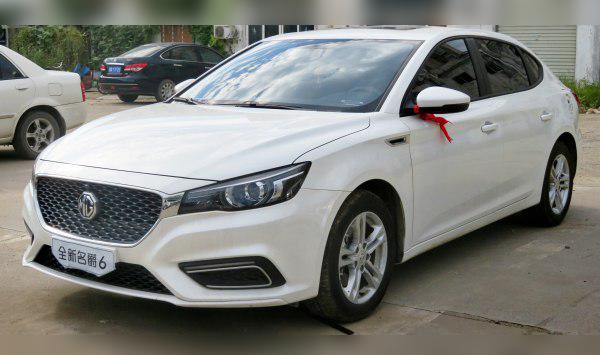

15E4E (1.5 TGI/T-GDI): Experiences, issues, fuel consumption and used car buying guide
Key points (TL;DR)
- Origin: The engine is part of SAIC’s "NetBlue" family, developed in cooperation with General Motors (SGE architecture), which means it shares DNA with some Opel engines, but is not identical.
- Direct injection: Modern and efficient, but prone to carbon buildup on intake valves.
- Timing chain: Uses a timing chain, which is generally durable but requires high-quality oil to avoid stretching.
- Gearbox (DCT): Often paired with a 7-speed dual-clutch transmission that can be jerky in city driving and requires regular maintenance.
- PHEV variants: In hybrid models (such as the MG Pilot/eHS), the engine is less stressed, but the overall system becomes significantly more complex.
- Parts: Consumables are available, but specific body and engine parts may require waiting or ordering from specialized suppliers (UK/China).
- Recommendation: Good price-to-power ratio, but requires strict maintenance, especially due to the turbocharger and sensitive injection system.
Contents
- Introduction and applications
- Technical specifications
- Reliability and maintenance
- Specific parts and costs
- Fuel consumption and performance
- Additional options (LPG and tuning)
- Gearbox (manual and DCT)
- Buying used and conclusion
Introduction and applications
The engine with the code 15E4E is a 1.5‑liter four‑cylinder turbo petrol unit that forms the heart of MG’s modern lineup (under the umbrella of Chinese giant SAIC). This powerplant is crucial because it powers popular models such as the second‑generation MG 6 and SUVs like the MG HS / Pilot (including plug‑in hybrid versions).
It’s important to note that although MG is a brand with British heritage, this engine is a technological product of cooperation with General Motors (GM). That’s good news for owners, as the engine shares certain engineering solutions with modern Ecotec engines, which promises solid durability, provided it is properly maintained. In its 169 hp (124 kW) version, it offers serious performance for its displacement, putting it on par with European competitors.
Technical specifications
| Parameter | Data |
|---|---|
| Engine code | 15E4E (SGE family) |
| Displacement | 1490 cc (1.5 L) |
| Configuration | Inline, 4 cylinders, 16 valves |
| Power | 124 kW (169 hp) @ 5600 rpm |
| Torque | 250 Nm @ 1700-4400 rpm |
| Injection type | Direct injection (GDI/SIDI) |
| Induction | Turbocharger with intercooler |
| Emissions | Euro 6 (often with GPF filter in newer model years) |
Reliability and maintenance
Does this engine have a timing belt or a chain?
The 15E4E engine uses a timing chain for valve timing. This is generally an advantage because there is no fixed replacement interval as with a belt. However, the chain is not eternal. In engines with direct injection and a turbocharger, oil quality is crucial for chain life. If you hear a metallic rattling on cold start that lasts longer than 2–3 seconds, it’s a sign that the chain has stretched or that the hydraulic tensioner is failing.
What are the most common failures on this engine?
Although the engine is solidly engineered, owner and mechanic experience points to several weak spots:
- Carbon buildup: As with any GDI engine, fuel does not wash the intake valves. Over time, carbon deposits accumulate and can lead to rough running, loss of power and hesitation under acceleration.
- LSPI (Low Speed Pre-Ignition): In small turbo engines, at low revs and high load (e.g. flooring the throttle at 1500 rpm in a high gear), pre‑ignition of the mixture can occur, which may damage the pistons. The engine software mostly keeps this under control, but poor fuel and poor oil increase the risk.
- Thermostat and housing: Plastic thermostat housings can crack due to thermal cycles, leading to coolant loss.
- Sensor issues: Occasional faults occur with fuel pressure sensors or camshaft position sensors.
At what mileage is the “major service” done?
Since the engine has a chain, a classic “major service” (timing belt replacement) does not exist in that sense. However, servicing of the auxiliary (serpentine) belt, tensioner, idler pulleys and water pump is recommended at around 100,000 to 120,000 km or every 5–6 years. Chain condition is checked by noise and diagnostics.
How many liters of oil does this engine take and which grade is recommended?
The engine holds approximately 4.0 to 4.5 liters of oil (depending on whether the filter is changed; always check with the dipstick). The recommended grade is usually 5W-30 or 0W-20 (especially for hybrids and colder markets) with Dexos 1 Gen 2 specification or an appropriate ACEA C3 standard. Using oils that prevent LSPI is crucial.
Does it consume oil between services?
Turbocharged direct‑injection engines tend to “use” some oil. Consumption of 0.5 to 0.8 liters per 10,000 km is considered acceptable and normal, especially with more spirited driving. If consumption exceeds 1 liter per 2–3 thousand kilometers, this points to problems with piston rings, valve stem seals or the turbocharger.
Specific parts (costs)
Does the engine have a dual-mass flywheel?
Yes. Regardless of whether it is paired with a manual gearbox or a DCT automatic, this engine uses a dual‑mass flywheel due to its 250 Nm of torque, in order to reduce vibrations. Replacement is an expensive job, and failure symptoms include knocking when switching the engine off and vibrations in the clutch pedal (on manuals).
What kind of injection system does it have and are the injectors problematic?
It uses high‑pressure direct injection. Injectors are generally durable but sensitive to fuel quality. Injector failure manifests as hard starting, a smell of petrol from the exhaust and a lit “Check Engine” light. A single injector is significantly more expensive than on older engines.
Does this engine have a turbocharger and what is its lifespan?
It has a single turbocharger. Its lifespan is closely tied to regular oil changes. With servicing every 10–15 thousand km, the turbo should last for over 200,000 km. Early signs of failure are a siren‑like whine and bluish smoke from the exhaust.
Does this model have a DPF/GPF filter or an EGR valve?
Being a petrol engine, it has no DPF, but newer models (especially for the EU market from 2018 onwards) have a GPF (Gasoline Particulate Filter). It rarely clogs because exhaust gas temperatures on petrol engines are higher. An EGR valve is present and can get dirty from soot, causing jerking at low throttle openings.
Fuel consumption and performance
What is the real fuel consumption in city driving?
Do not trust the official figures. In a heavy body like the MG6 or MG HS, real‑world city consumption is 9 to 11 liters per 100 km, depending on traffic and how heavy your right foot is. In plug‑in hybrids (PHEV), consumption depends heavily on whether the battery is charged – with an empty battery, consumption is similar or slightly higher due to the extra weight of the battery pack.
Is this engine “lazy” for the weight of the car?
With 169 hp and 250 Nm, the engine is not lazy. It has more than enough power for overtaking and dynamic driving. Thanks to the turbo, torque is available low down (from just 1700 rpm), so it feels lively.
How does the engine behave on the motorway and at what revs does it cruise at 130 km/h?
On the motorway it behaves very smoothly. In seventh gear (with the DCT gearbox), at 130 km/h the engine spins at around 2600–2800 rpm, which helps keep noise and fuel consumption down to around 7.0–8.0 liters.
Additional options and modifications
Is this engine suitable for LPG conversion?
Due to direct injection, LPG conversion is complicated and expensive. It requires a special system (“Direct Liquid Injection” or a system that mixes petrol and LPG to cool the injectors). It is only really worthwhile if you cover very high mileages (over 30–40k km per year).
How far can this engine be safely tuned (Stage 1)?
The engine has some power reserve. With a Stage 1 remap, power is usually raised to around 190–200 hp and torque to around 290–300 Nm. However, be careful if you have a DCT gearbox – too much torque can shorten the life of the clutch packs in the transmission.
Gearbox
Which gearboxes are fitted?
With the 15E4E you most often get:
- Manual: 6‑speed gearbox (reliable, conventional).
- Automatic: 7‑speed DCT (Dual Clutch Transmission) – known at MG as TST. There are dry‑ and wet‑clutch versions; this engine often uses the dry‑clutch variant in lighter models, while hybrids use a specific EDU (Electric Drive Unit) transmission that simulates gears.
Most common gearbox issues?
- Manual: Rare problems, mostly related to the clutch kit and flywheel.
- DCT (automatic): This is a weaker point. Users report indecisive shifting at low speeds (stop‑and‑go traffic), jerks when shifting from first to second gear, and overheating in traffic jams (with the dry clutch). Hybrid models (PHEV) have a much smoother drivetrain thanks to the assistance of the electric motor.
Gearbox service costs?
In the manual gearbox, oil is changed preventively at 80–100k km (not expensive). For DCT gearboxes, oil changes are mandatory every 40,000 to 60,000 km. Neglecting this service leads to costly mechatronics failures.
Buying used and conclusion
Before buying a used MG with this engine, pay attention to the following:
- Cold start: Listen to the chain during the first few seconds. Rattling = expensive repair.
- Test drive (DCT): Warm the car up and drive in heavy traffic. If the gearbox bangs, hesitates badly or jerks when starting uphill, walk away from that car.
- Service history: Because of the turbo and direct injection, proof of regular oil changes is crucial.
- Hybrid (PHEV): If you’re buying a hybrid, be sure to check the battery condition (“Health Check”) at an authorized service center, as battery replacement is extremely expensive.
Conclusion:
The 15E4E is a technologically modern engine that offers excellent performance for its class. It is not without flaws (sensitivity to carbon buildup and the DCT gearbox), but with strict maintenance it can serve very well. It is ideal for drivers who want a modern car at a lower price than German competitors, and who are prepared to accept somewhat faster depreciation and more specific parts sourcing.
Was this content useful to you?
Your opinion helps us to improve the quality of the content.