B48A20E Engine
- Engine
- 1998 cm3
- Aspiration
- Turbocharger, Intercooler
- Fuel
- Petrol (Gasoline)
- Fuel injection system
- Direct injection
- Power
- 306 hp
- Torque
- 450 Nm
- Cylinders
- 4
- Valves
- 16, 4 per cylinder
- Cylinders position
- Inline
- Valvetrain
- VALVETRONIC
- Oil capacity
- 5.25 l
- Coolant
- 6.75 l
- Systems
- Start & Stop System, Particulate filter
# Vehicles powered by this engine



BMW B48A20E (2.0T 306 HP): Experiences, Problems, Fuel Consumption and Buying Used
Key points (TL;DR)
- Performance: Extremely powerful four-cylinder with 306 HP, offering sports-car performance in compact models.
- Timing drive: Uses a chain located at the rear of the engine (towards the cabin), which makes any replacement more complex and expensive.
- Cooling system: The weakest point. Plastic housings, hoses and the water pump are prone to cracking and leaking.
- Fuel consumption: Surprisingly efficient on the open road, but in the city it easily goes over 11–12 liters if driven hard.
- Maintenance: Requires strictly regular servicing, high-quality oil and high-octane fuel (98 or 100).
- Gearbox: These models use an Aisin 8-speed automatic, not the ZF 8HP (because the engines are mounted transversely). It is reliable with regular oil changes.
- Recommendation: An excellent choice for enthusiasts who want hot-hatch performance with everyday usability, provided the service history is impeccable.
Contents
Introduction and Applications
The engine designated B48A20E represents the very top of BMW’s 2.0-liter four-cylinder petrol engine range. This is not a “regular” engine from a 320i that has just been tuned via software. It is a thoroughly revised unit with reinforced pistons, a different compression ratio (9.5:1 instead of 10.2:1 in lower-output versions), a larger turbocharger and an upgraded cooling system.
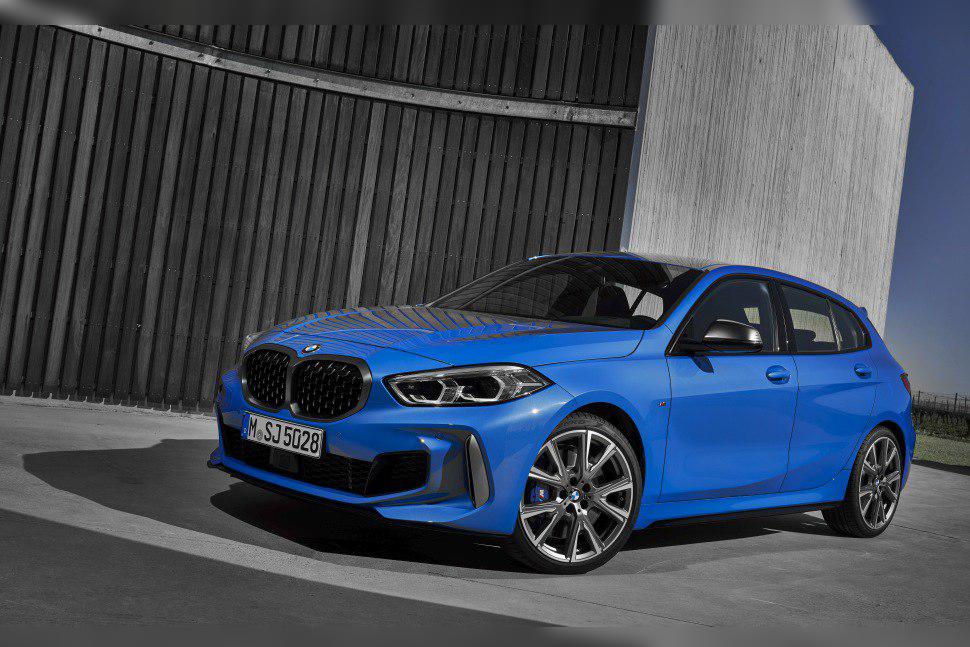
This engine is BMW’s answer to competitors such as the Audi S3 or Mercedes A35/A45 AMG. It is designed for installation in vehicles with a transversely mounted engine (UKL2 platform), which means it is primarily found in front-wheel-drive models or xDrive models based on front-wheel drive. Cars such as the BMW M135i (F40) and Mini John Cooper Works are “rockets” precisely thanks to this powerplant.
Technical Specifications
| Engine code | B48A20E (High Output version) |
| Displacement | 1998 cc |
| Configuration | Inline 4-cylinder |
| Power | 225 kW (306 HP) at 5000–6250 rpm |
| Torque | 450 Nm at 1750–4500 rpm |
| Forced induction | TwinScroll Turbocharger + Intercooler |
| Fuel injection system | Direct injection (High Precision Injection) |
| Timing drive | Chain |
Reliability and Maintenance
Timing system: Chain or belt?
The B48A20E engine uses a timing chain. Unlike the older N20 engines, which had serious issues with chain guides, the B48 series is significantly more robust. However, there is a catch: the chain is located at the rear of the engine (towards the firewall/cabin). Although the chain is not intended to be replaced at a fixed interval, if it stretches or starts rattling (usually at high mileage over 200,000 km or due to poor maintenance), replacement is very expensive because the engine has to be removed from the car.
Most common failures and symptoms
Although the mechanical components (pistons, crankshaft) are very durable, the ancillary systems can cause problems:
- Cooling system: This is the Achilles’ heel. Plastic coolant return hoses become brittle and crack. The oil filter housing (which is integrated with the thermostat/cooler) can also start leaking. Symptoms include a sudden loss of coolant or a “sweet” smell in the cabin.
- VANOS actuators: The solenoids for variable valve timing can fail, leading to rough idle and loss of power.
- PCV valve: It is integrated into the valve cover. If the membrane tears, the engine may start consuming oil, smoking, or you may hear a whistling noise. Often the entire valve cover has to be replaced.
Major and minor service
With chain-driven engines there is no classic “major service” at a fixed mileage like with timing belts. However, a detailed inspection of the chain condition (by sound and diagnostics) is recommended at around 150,000 km. It is also advisable to replace the water pump and auxiliary (serpentine) belt with tensioners preventively around that mileage.
Oil: Quantity, grade and consumption
This engine takes approximately 5.25 liters of oil (check the exact amount by VIN, as oil pans can vary on xDrive models). The recommended grade is usually 0W-20 (for emissions and tight tolerances) or 5W-30 (a better option for warmer climates and more aggressive driving). The standards to look for are BMW Longlife-17 FE+ or Longlife-04.
Oil consumption: A healthy B48 engine should not consume a significant amount of oil. Consumption up to 0.5 liters per 10,000 km is acceptable. If it uses a liter per 1,000 km, that points to problems with piston rings, valve stem seals or the turbo.
Spark plugs and replacement interval
Since this is a high-performance engine (over 150 HP per liter of displacement), the spark plugs are under heavy load. The factory interval is often long, but in practice they should be replaced every 30,000 to 40,000 km. Use only iridium/platinum spark plugs recommended by the manufacturer (e.g. NGK or Bosch). Worn spark plugs can lead to misfires, which can damage the ignition coils.
Specific Parts and Costs
Dual mass flywheel
Yes, this engine is paired with a dual mass flywheel, even in automatic versions (although its function is slightly different than in manuals, it still serves to smooth out vibrations). In automatic cars it lasts significantly longer than in manuals, but replacement is still a cost to keep in mind at high mileage.
Fuel injection system and injectors
The B48 uses high-pressure direct injection. The injectors are generally reliable, but very sensitive to poor fuel quality. Injector failure manifests as fuel leaking into the cylinder (which can wash away the oil film and damage the engine) or as rough running. The price of a single injector is high (depending on the market, often a few hundred euros per piece).
Turbocharger
The engine uses a single large TwinScroll turbocharger. Its service life is long (over 200,000 km) with regular oil changes and proper use (letting the engine cool down after fast driving). Failure is indicated by whining noises, blue smoke from the exhaust or loss of power. Rebuilding is possible, but a new unit is very expensive.
GPF/OPF and EGR
Modern versions of this engine (Euro 6d-TEMP and newer) are equipped with a GPF (Gasoline Particulate Filter), which is the petrol equivalent of a DPF. Unlike diesels, petrol engines reach higher exhaust temperatures, so the GPF regenerates passively much more easily and rarely clogs, except in extreme urban stop-and-go conditions. An EGR valve is present, but in petrol engines it is less prone to soot build-up than in diesels.
AdBlue: Petrol engines DO NOT have an AdBlue system. That is reserved exclusively for diesel engines to reduce NOx emissions.
Fuel Consumption and Performance
Real-world fuel consumption
Do not fully trust the factory figures. This is a 300+ HP engine.
- City driving: Expect between 10 and 13 l/100 km. In heavy traffic and stop-and-go conditions, it easily goes higher.
- Open road (secondary roads): It is possible to get down to around 7–8 l/100 km with moderate driving.
- Motorway (130 km/h): Consumption is around 8–9 l/100 km. At that speed in 8th gear the engine turns a low 2000–2200 rpm, which contributes to acoustic comfort and efficiency.
Driving impressions
Is the engine sluggish? Absolutely not. With 450 Nm of torque available from just 1750 rpm, this engine pulls hard from a standstill. In models such as the M135i or X2 M35i, 0–100 km/h takes under 5 seconds. Throttle response is instant thanks to TwinScroll technology, which minimizes turbo lag. Even heavier SUV models like the X2 or Countryman behave like true sports cars with this engine.
Additional Options and Modifications
LPG conversion
Technically it is possible to install an LPG system, but it has to be a direct injection system in the liquid phase or a system that uses a mixture of petrol and gas (to cool the petrol injectors). Such systems are very expensive (often over 1000–1500 EUR) and complex to tune. Given the sporty nature of the engine and its complexity, most experts do not recommend converting this specific M Performance engine to LPG. The risk of valve overheating and injector issues is increased.
Chip tuning (Stage 1)
The B48A20E responds extremely well to tuning because it already has reinforced internal components.
- Stage 1: With a software remap alone you can safely extract around 340–350 HP and 500+ Nm of torque.
- Risks: Thermal load increases. More frequent oil (every 8–10k km) and spark plug changes are recommended. The gearbox is subjected to higher torque, so regular gearbox servicing is mandatory.
Gearbox
Which gearbox is used?
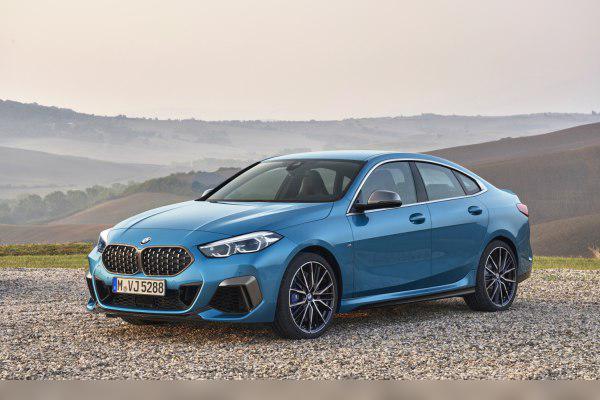
This is a key piece of information: Although BMW traditionally uses ZF gearboxes, the models listed here (1 Series F40, 2 Series Gran Coupe F44, X2, Mini) have a transversely mounted engine. Because of that, they use an Aisin 8-speed automatic gearbox (Steptronic Sport), not the ZF 8HP found in the 3 Series, 5 Series, etc.
Gearbox reliability and failures
Aisin gearboxes are Japanese, very reliable and smooth.
- Failures: Mechanical failures are rare. Potential issues with the valve body can occur if the oil is never changed, which manifests as harsh shifting or slipping.
- Maintenance: BMW often claims the oil is “lifetime fill”. Do not follow that advice. Gearbox servicing (oil change) should be done every 60,000 to 80,000 km. This dramatically extends its lifespan. The service cost is moderate (depends on the workshop, but is not extremely expensive).
Buying Used and Conclusion
What to check before buying?
- Cold start: The engine must be completely cold. Listen for chain rattle in the first 3–5 seconds. A brief rattle is normal until oil pressure builds up, but if it lasts longer, the chain is due for replacement.
- Coolant smell: After a drive, open the bonnet. If you notice a sweet smell, coolant is leaking somewhere (pump, housing, hoses).
- Service history: Due to the high specific output, it is crucial that the oil has been changed on time (max 15,000 km, ideally 10,000 km), and not according to “Long Life” intervals of 30,000 km.
- Signs of modifications: Be cautious with cars that have been chipped. If you are buying such a car, ask for proof of proper maintenance.
Final conclusion
The B48A20E engine is a fantastic engineering achievement. It offers an entry ticket into the world of serious performance without astronomical registration costs (2.0 liters) and with relatively reasonable fuel consumption.
Who is it for? Drivers who want excitement behind the wheel, sharp responses and sound, but also need a practical car (hatchback, Gran Coupe, SUV). It is not for those who just want to “fill up and drive” without caring about maintenance, because this engine punishes neglect with expensive failures. If you find a well-maintained example, you will enjoy every kilometer.
Was this content useful to you?
Your opinion helps us to improve the quality of the content.