B38A15F Engine
- Engine
- 1499 cm3
- Aspiration
- Twin-power turbo, Intercooler
- Fuel
- Petrol (Gasoline)
- Fuel injection system
- Direct injection
- Power
- 136 hp
- Torque
- 220 Nm
- Cylinders
- 3
- Valves
- 12, 4 per cylinder
- Cylinders position
- Inline
- Valvetrain
- DOHC
- Oil capacity
- 4.5 l
- Coolant
- 6.75 l
- Systems
- Start & Stop System, Particulate filter
# Vehicles powered by this engine
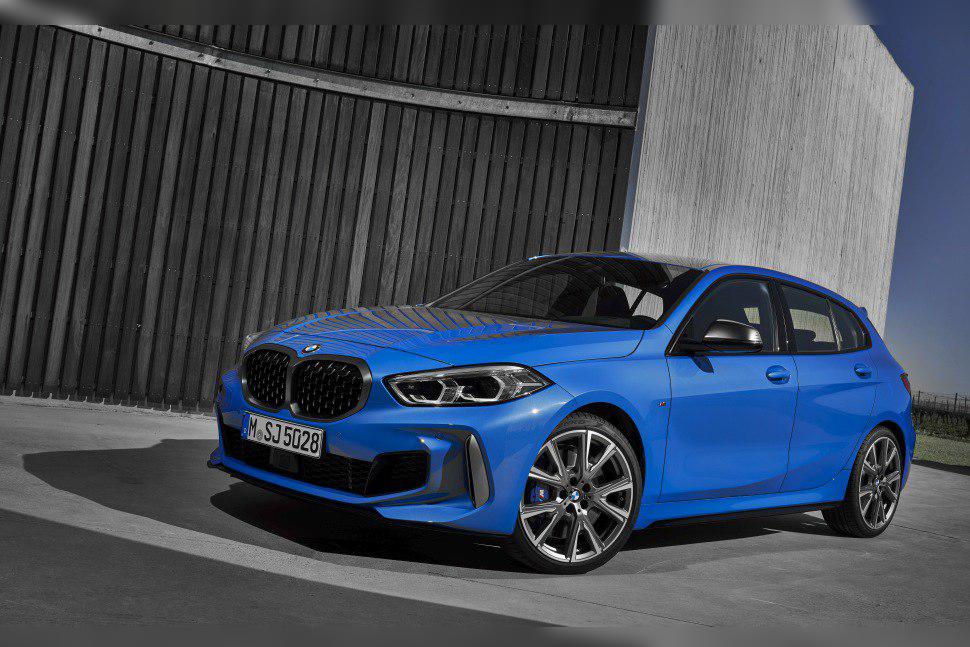
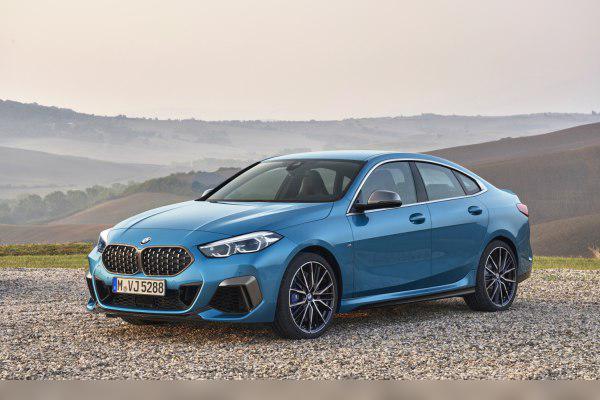



BMW B38A15F (1.5 Turbo) – Experiences, problems, fuel consumption and buying tips
Key points in short (TL;DR)
- 3 cylinders: The engine has a characteristic sound and vibrations, which makes the engine mounts a wear item.
- More reliable timing chain: Unlike older BMW petrol engines, the timing system here is significantly more durable, but not indestructible.
- Cooling system: Plastic thermostat and water pump housings are weak points – keep an eye on the coolant level.
- Direct injection: Excellent performance, but sensitive to poor fuel quality and prone to carbon buildup on intake valves.
- City driving: The ideal environment for this engine, where turbo lag is almost non-existent.
- Maintenance: Requires strict adherence to oil change intervals (maximum 10,000 - 15,000 km); ignore “long life” 30,000 km recommendations.
Contents
Introduction and applications
The B38A15F is a modern three-cylinder petrol engine that serves as an entry point into the world of newer-generation BMW and MINI models. This unit is the successor to older four-cylinder engines (such as the N13) and brings a modular architecture (each cylinder has 500 cc). Although purists may frown at having “only” three cylinders, in models such as the BMW 1 Series (F40) or MINI Cooper this engine offers surprisingly lively performance. The “F” suffix usually denotes newer revisions adapted to stricter emissions standards (Euro 6d), which means the exhaust aftertreatment system is more complex than on earlier B38 versions.
Technical specifications
| Characteristic | Data |
|---|---|
| Engine code | B38A15F |
| Displacement | 1499 cc (1.5 litres) |
| Configuration | R3 (Inline, 3 cylinders) |
| Power | 100 kW (136 hp) |
| Torque | 220 Nm |
| Injection type | Direct (High Precision Injection) |
| Charging | TwinPower Turbo (single-scroll turbo with Valvetronic technology) |
| Emissions standard | Euro 6d-TEMP / Euro 6d |
Reliability and maintenance
Timing system: chain or belt?
The B38A15F engine uses a timing chain to drive the camshafts. Unlike the notorious N-series engines (N47/N20), the chain on B38 engines has proven to be much more durable. It is located at the rear of the engine (towards the gearbox), which makes any replacement more expensive because the engine or gearbox usually has to be removed. However, with regular oil changes, the chain can easily last over 200,000 km.
Most common failures
Although mechanically robust, the peripherals can cause issues:
- Engine mounts: Due to the inherent imbalance of three cylinders, vibrations are more pronounced. Hydraulic engine mounts fail faster than on 4-cylinder engines. The symptom is strong cabin shaking when starting or switching off the engine (the Start-Stop system accelerates this wear).
- Coolant leaks: The oil filter housing and thermostat housing are made of plastic. Over time they become brittle and crack, leading to coolant loss.
- Evap purge valve: A common failure that causes rough idle (“stumbling”) and triggers the “Check Engine” light. The repair is not expensive.
Service intervals and oil
A “major service” in the classic sense (preventive timing chain replacement at a fixed mileage) is not done here; the chain is replaced only if needed – typically when rattling is heard on cold start. However, the serpentine belt (driving the alternator and A/C compressor) should be replaced at around 80,000 - 100,000 km.
This engine takes approximately 4.25 to 4.5 litres of oil. The commonly recommended grade is 0W-20 (BMW Longlife-17 FE+) for fuel economy, but for long-term engine health in warmer climates many experts recommend 5W-30 (BMW Longlife-04). Oil consumption between services should not exceed 0.5 litres per 10,000 km. If it uses more, check the turbocharger or valve stem seals.
Spark plugs and injectors
Since this is a petrol engine with direct injection, the spark plugs are under high stress. It is recommended to replace them every 40,000 to 60,000 km. Do not wait for the engine to start misfiring, as this can damage the ignition coils and catalytic converter.
Specific parts (costs)
Dual-mass flywheel: Yes, models with a manual gearbox have a dual-mass flywheel. Its typical lifespan is around 150,000 km, but this heavily depends on driving style. Replacement is expensive (varies by market, but expect a serious bill). Models with automatic gearboxes (Steptronic/DCT) do not have a conventional dual-mass flywheel in the same way; they use a different solution integrated into the transmission.
Injection system and turbo: The system uses high-pressure piezoelectric or solenoid injectors. They are sensitive to dirty fuel. There is a single turbocharger (twin-scroll technology). The turbo’s service life is long, provided the engine is not switched off immediately after hard driving on the motorway. Symptoms of turbo failure include whistling, blue smoke from the exhaust and loss of power.
Emissions equipment (GPF/EGR): The B38A15F (Euro 6d) is equipped with a GPF (Gasoline Particulate Filter) – the petrol equivalent of a DPF. Unlike diesels, GPF regeneration is much easier due to higher exhaust gas temperatures on petrol engines, and it rarely clogs except in extreme conditions of exclusively short city trips. The engine does not use an AdBlue system (that is reserved for diesels).
Fuel consumption and performance
City driving: Real-world city consumption for models such as the BMW 118i or MINI Cooper is between 7.5 and 9.0 litres per 100 km. Heavier models (e.g. 2 Series Gran Coupe) will be closer to the upper end of that range.
Is the engine sluggish? With 136 hp and, more importantly, 220 Nm of torque available from as low as 1,480 rpm, this engine is not sluggish at all. In the city it feels very eager. A sense of “lack of power” may appear only under full load (4 passengers and luggage) on steep inclines at high speeds.
Motorway: On the motorway the engine behaves smoothly and refined. At 130 km/h in top gear (7th or 8th on automatics, 6th on manuals), the engine spins at around 2,200–2,600 rpm, which ensures quiet operation and good economy. Consumption on open roads drops to around 5.5 - 6.5 litres.
Additional options and modifications
LPG conversion: Since this is a direct-injection engine, LPG installation is complex and expensive (it requires a system that also injects petrol for injector cooling, or a liquid-phase LPG system). The economic benefit is questionable unless you cover very high mileages. Not recommended.
Chiptuning (Stage 1): The B38 engine has power reserves. A safe Stage 1 remap can raise power to around 160–170 hp and torque to 260–280 Nm. However, keep in mind that this puts additional stress on the turbocharger and the cooling system, which is already somewhat sensitive (plastic components). It is recommended only from reputable tuners.
Gearbox
This engine is most commonly paired with three types of gearboxes:
- 6-speed manual: Precise and robust. The main expense is the clutch kit and dual-mass flywheel.
- Steptronic dual-clutch (DCT – 7-speed): Most common in F40/F44 models (manufactured by Getrag). It shifts quickly but can be hesitant or jerky when moving off or during parking manoeuvres.
- Conventional automatic (Aisin 6- or 8-speed): More common on some MINI models or specific BMW variants. Very reliable and comfortable.
Gearbox maintenance: On automatic and DCT gearboxes, oil changes are mandatory every 60,000 to 80,000 km, even though BMW often claims the oil is “lifetime”. Ignoring this leads to expensive mechatronics failures and clutch pack slippage.
Used car buying guide and conclusion
Before buying a used car with the B38A15F engine, pay attention to the following:
- Cold start: Listen for any timing chain rattle during the first 3–5 seconds of operation. Also pay attention to excessive vibrations while the engine is cold (engine mounts).
- Coolant traces: Inspect the engine bay for white residue (dried coolant) around the thermostat and water pump.
- Service history: Avoid cars where the oil was changed every 30,000 km. Look for examples with 10–15k km oil change intervals.
Conclusion: The B38A15F is an excellent small engine for everyday use. It is not a sports engine, but it offers a great balance between performance and running costs. It is ideal for drivers who spend most of their time in city and suburban driving, yet want a premium feel. If you accept that it sounds like a three-cylinder and maintain it regularly, it will serve you reliably for a long time.
Was this content useful to you?
Your opinion helps us to improve the quality of the content.