B48 Engine
- Engine
- 1998 cm3
- Aspiration
- Twin-power turbo, Intercooler
- Fuel
- Petrol (Gasoline)
- Fuel injection system
- Direct injection and Multi-port manifold injection
- Power
- 300 hp
- Torque
- 400 Nm
- Cylinders
- 4
- Valves
- 16, 4 per cylinder
- Cylinders position
- Inline
- Valvetrain
- Double-VANOS, VALVETRONIC
- Oil capacity
- 6.3 l
- Systems
- Start & Stop System, Particulate filter
# Vehicles powered by this engine
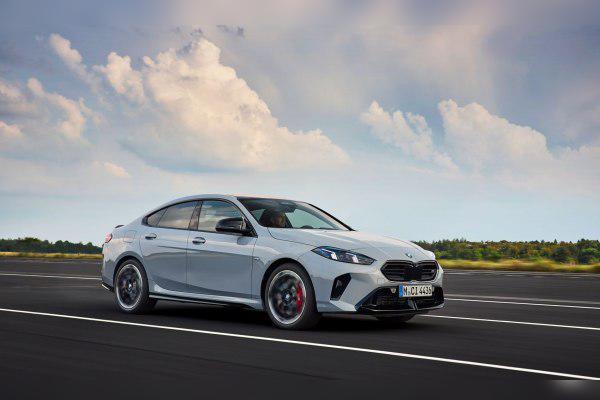
BMW B48 (300 HP) – Experiences, Problems, Fuel Consumption and Used Car Buying Tips
Key points (TL;DR)
- Performance: With 300 HP and 400 Nm, this is an extremely potent engine that moves the 2 Series Gran Coupe body with zero effort.
- Timing chain: Located at the rear of the engine (towards the cabin/gearbox). More reliable than on the old N20 engines, but replacement is labor-intensive and expensive.
- Cooling system: This is the Achilles’ heel of the B48 engine. Coolant leaks at the oil filter housing or water pump are common.
- Gearbox: The Steptronic DCT (dual-clutch) requires strict oil changes every 60,000 km, otherwise mechatronic failures are very costly.
- GPF filter: Newer models (like the F74) have a gasoline particulate filter (OPF/GPF). It is sensitive to short city trips.
- Tuning potential: High, but the engine is already pushed close to its limits from the factory, so you must be careful with temperatures.
- Recommendation: An excellent choice for enthusiasts who want performance, provided that service intervals are followed strictly.
Contents
Introduction and Applications
The engine with the code name B48 is the heart of BMW’s modern lineup when it comes to four‑cylinder petrol units. In the 300 HP version, which we find in the new 2 Series Gran Coupe (F74) M235 xDrive, it is the most powerful factory iteration of this 2.0‑liter engine. This engine has replaced the old inline sixes in smaller models, bringing better weight distribution and lower emissions, while still delivering serious sports performance.
It is important to note that this is a transversely mounted engine, because the F74 is based on a platform with primarily front‑wheel drive (even though xDrive is standard here), which dictates certain service solutions and the choice of gearbox.
Technical Specifications
| Parameter | Value |
|---|---|
| Displacement | 1998 cc (2.0 L) |
| Power | 221 kW / 300 HP |
| Torque | 400 Nm |
| Engine code | B48A20 (High Output variant) |
| Injection type | Direct injection (High Precision Injection) |
| Induction | TwinPower Turbo (single twin‑scroll turbocharger) + intercooler |
| Emissions standard | Euro 6d / Euro 7 ready (depending on model year) |
Reliability and Maintenance
Timing system: Chain or belt?
The B48 engine uses a timing chain. Unlike its notorious predecessor (N20), the chain on B48 engines is much more robust and rarely snaps without warning. However, BMW engineers placed the chain at the rear of the engine (towards the gearbox/cabin). This means that if it needs to be replaced (you usually hear rattling on cold start after 150,000+ km), the engine or gearbox has to come out. This makes the job very expensive due to the labor hours involved (varies by market).
Most common failures
Although the mechanical side (pistons, crankshaft) is very strong (closed‑deck block), the peripherals can cause issues:
- Coolant leaks: The oil filter housing is integrated with the thermostat and often cracks or the gaskets fail. The water pump and return hoses are also weak points. If you smell coolant in the cabin, that’s the first warning sign.
- VANOS solenoids: They can get dirty or fail, leading to rough running or loss of power.
- Crankcase ventilation (PCV): The membrane in the valve cover can tear, causing a whistling noise and increased oil consumption. Often the entire valve cover has to be replaced.
Service intervals and oil
There is no “major service” in the classic sense (no belt replacement) because of the chain, but chain inspection and replacement of the auxiliary belt (for alternator/AC) is recommended at around 100,000 km. The engine takes approximately 5.25 to 5.75 liters of oil (depending on whether the xDrive sump is modified). The recommended viscosity is 0W‑20 or 5W‑30 (BMW Longlife‑17 FE+ or Longlife‑04). My recommendation: Forget the factory 30,000 km interval. Change the oil at a maximum of 10,000–12,000 km. This is a high‑output turbo engine that runs very hot.
Oil consumption
Modern B48 engines are “tighter” than older BMW engines. Consumption of 0.5 liters per 10,000 km is acceptable. If it uses 1 liter per 2,000 km, you have a problem (most often the PCV valve or valve stem seals, less often piston rings at lower mileage).
Spark plugs
On this 300 HP version, the spark plugs are heavily stressed. Replacement is recommended every 40,000 to 50,000 km. Use only OEM or top‑quality aftermarket iridium plugs (NGK/Bosch), because a bad plug can cause detonation (“knocking”), which is disastrous for the pistons.
Specific Parts (Costs)
Turbocharger and injection
The engine uses a single twin‑scroll turbocharger (not two, despite the TwinPower branding). Service life is long (over 200,000 km) if oil is changed regularly and the engine is not shut off immediately after hard driving on the motorway. The injection system is direct (injectors spray directly into the cylinder). The injectors are very precise (piezo), but sensitive to poor‑quality fuel. The price of one injector is high (varies by market). Symptoms of a bad injector are misfiring on cold start and a strong raw fuel smell from the exhaust.
Dual‑mass flywheel
Yes, this model with the DCT gearbox does have a dual‑mass flywheel. Its role is to reduce the vibrations of the four‑cylinder engine before they reach the gearbox. If you hear metallic knocking when shutting the engine off or rattling at idle that disappears when you rev it slightly, the flywheel is near the end of its life.
Emissions equipment (DPF/GPF/EGR)
This model, as a petrol engine for the European market, is equipped with an OPF/GPF (Otto Particulate Filter). It works similarly to a DPF on diesels, but clogs less often because petrol exhaust gas temperatures are higher. Still, frequent short city trips can “choke” it. There is also an EGR valve for exhaust gas recirculation; it is less problematic than on diesels, but direct injection + EGR will eventually cause carbon buildup on the intake valves (requiring walnut blasting or intake cleaning at higher mileage).
AdBlue: No, this is a petrol engine and does not use AdBlue fluid.
Fuel Consumption and Performance
Real‑world fuel consumption
Don’t expect miracles from 300 horsepower and all‑wheel drive.
- City driving: Realistically between 10 and 13 l/100 km, depending on traffic and how heavy your right foot is. In Sport mode even more.
- Country roads: On secondary roads it can drop to around 6.5–7.5 l/100 km.
- Motorway (130 km/h): Consumption is around 7.5–8.5 l/100 km.
Is the engine “lazy”?
Absolutely not. With 400 Nm available from low revs (below 2,000 rpm), the engine responds instantly. The F74 body is not light, but this engine makes it very agile, a true “pocket rocket”.
Motorway cruising
Thanks to the 7‑speed gearbox, at 130 km/h the engine spins at relatively low revs (around 2,200–2,500 rpm), which makes long‑distance driving quiet and comfortable.
Additional Options and Modifications
LPG conversion
Is it possible? Yes. Is it advisable? No. This is a direct‑injection engine. That requires either an expensive liquid‑injection LPG system (Direct Liquid Injection) or a system that uses a mix of petrol and LPG to cool the petrol injectors. Installation is very expensive (varies by market), and the risk of overheating the cylinder head and damaging the costly petrol injectors is high. If fuel consumption is a problem, this is not the right car for you.
Chip tuning (Stage 1)
The B48 is a very tuner‑friendly engine. A Stage 1 remap usually raises power to 330–340 HP and torque to 450–470 Nm. However, keep in mind that the 300 HP factory version is already hardware‑upgraded and close to the efficiency limit of the small turbo. Any power increase puts additional stress on the cooling system and the gearbox. Do this only with reputable tuners.
Gearbox: Steptronic DCT
The F74 M235i xDrive comes with a 7‑speed Steptronic dual‑clutch gearbox (DCT/DKG). This is not a traditional automatic (like the ZF 8HP in the 3 Series), but a robotized dual‑clutch transmission.
Characteristics and failures
- Advantages: Lightning‑fast gear changes, sporty feel, no power loss.
- Disadvantages/failures: It can be jerky when setting off or parking (a typical DCT trait). The most common failures are related to the mechatronics unit (the gearbox “brain”) and oil leaks at the seals.
- Clutches: These are wear items (wet clutch packs). Their lifespan depends on driving style, but replacing the clutch set is expensive (varies by market).
Gearbox servicing
The manufacturer often claims the oil is “lifetime fill”. Do not believe this. On DCT gearboxes, the oil and filters (there are often two filters) should be changed every 60,000 km. Old oil loses its properties, leading to clutch slip and overheating of the mechatronics.
Buying Used and Conclusion
What to check before buying?
- Cold start: Listen to the engine when it is completely cold. Chain rattling for more than 2–3 seconds is a bad sign.
- Signs of leaks: Look under the intake manifold and around the oil filter housing. White traces of dried coolant mean you are facing cooling system repairs.
- Gearbox service history: If the car has over 80,000 km and the gearbox oil has never been changed, be prepared for risk.
- Exhaust smoke: Bluish smoke under hard acceleration or after idling indicates oil consumption (turbo or valve stem seals).
Conclusion
The 300 HP BMW B48 is a fantastic piece of engineering that offers sports‑car performance in a package you can drive every day. It is not immune to failures (especially in the cooling system), but it is far more reliable than older generations. It is aimed at drivers who want excitement behind the wheel and are willing to pay for proper maintenance and premium fuel.
Verdict: Buy, but only a car with transparent service history and documented gearbox oil changes.
Was this content useful to you?
Your opinion helps us to improve the quality of the content.