B58B30O1 Engine
- Engine
- 2998 cm3
- Aspiration
- Twin-scroll turbo, Intercooler
- Fuel
- Petrol (Gasoline)
- Fuel injection system
- Direct injection
- Power
- 382 hp
- Torque
- 499 Nm
- Cylinders
- 6
- Valves
- 24, 4 per cylinder
- Cylinders position
- Inline
- Valvetrain
- DOHC
- Oil capacity
- 6.5 l
- Coolant
- 10.5 l
- Systems
- Start & Stop System, Particulate filter
# Vehicles powered by this engine

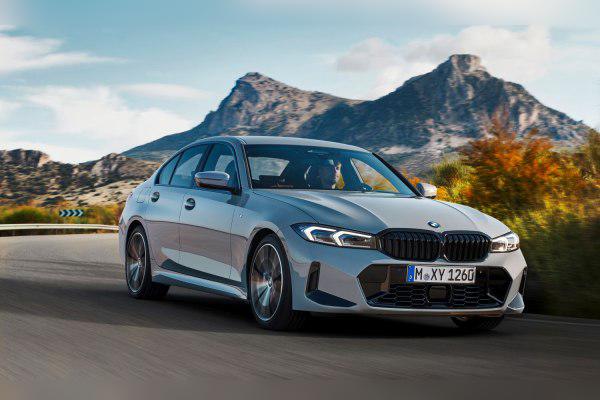
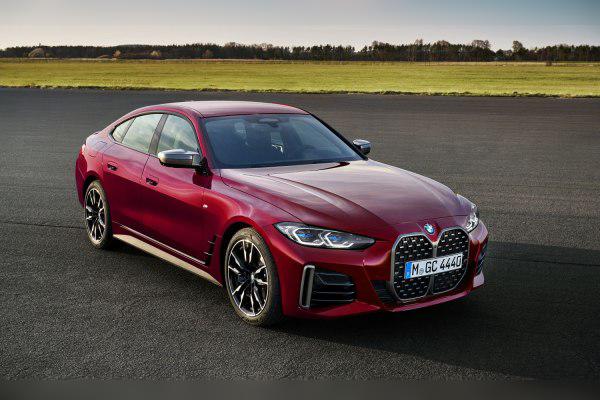
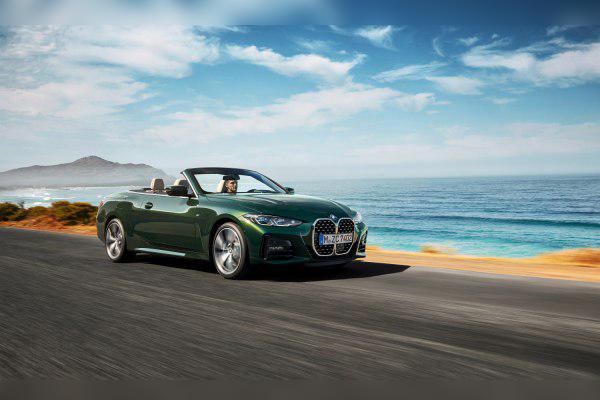
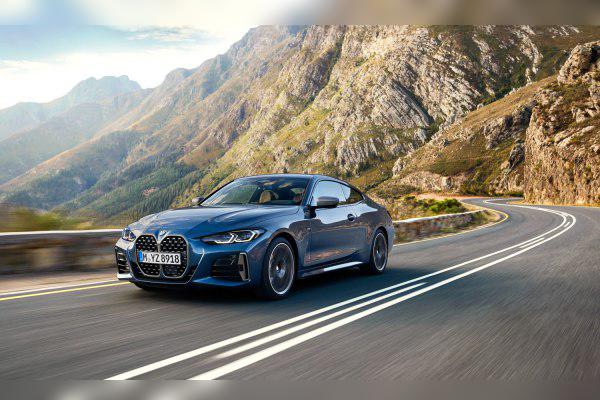




B58B30O1 (3.0 Turbo) – Experiences, issues, fuel consumption and maintenance of the “M-Lite” beast
Key points in short (TL;DR)
- One of the best modern engines: The B58B30O1 is an upgraded (TU1) version of the original B58 and is currently considered the best inline-six on the market.
- Supercar-level performance: With 382 hp (often more on the dyno), this engine offers acceleration that used to be reserved for full M models.
- Timing chain at the back: The timing chain is located at the rear of the engine (towards the cabin). Although very reliable, any replacement requires engine removal, which is expensive.
- Cooling system is a weak point: Watch out for coolant loss, water pump leaks and cracking plastic junctions.
- ZF 8-speed automatic: A perfect match for this engine. Reliable, fast and smooth, but it does require oil changes even though BMW claims it is “lifetime fill”.
- Tuning potential: Often called the “new 2JZ” because of its incredible ability to handle big power on stock internals.
- Fuel consumption: Surprisingly economical on the highway, but expect double-digit numbers in city driving.
Contents
Introduction and Models
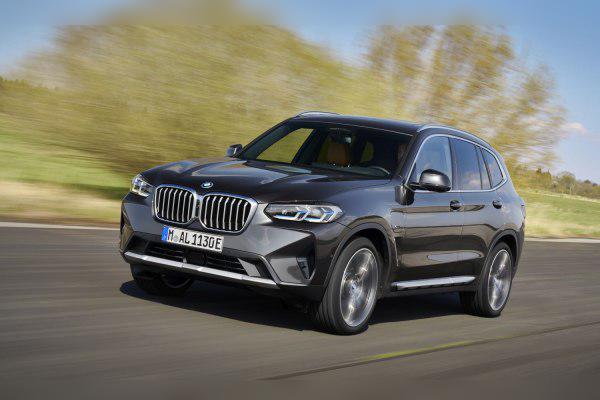
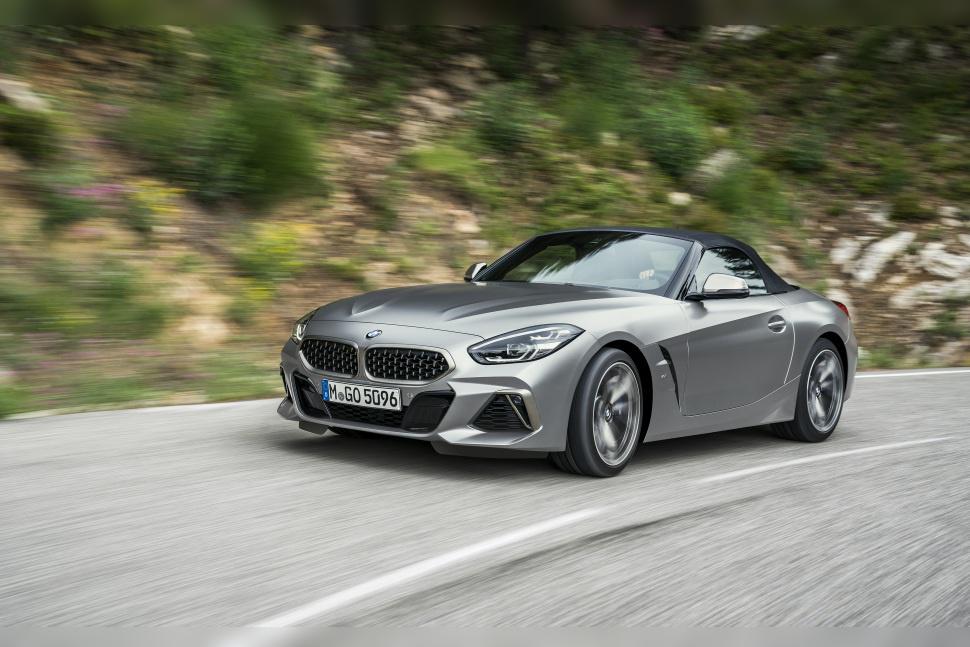
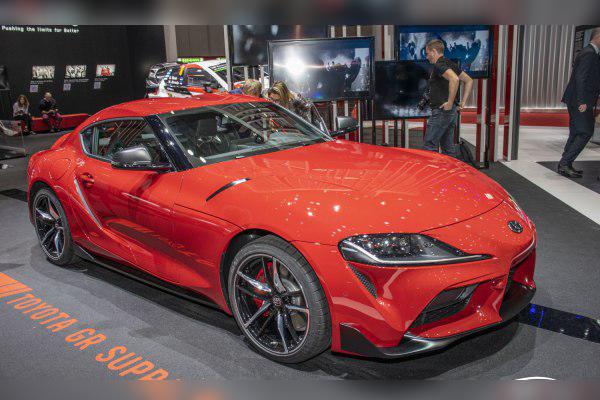
The engine with the code name B58B30O1 represents the pinnacle of engineering in the 3‑liter inline-six class. This is the “High Output” (O1) variant of the technically updated B58 series (B58TU1). It sits under the hood of models badged “M40i” or “M340i/M440i”, as well as the new Toyota Supra. Unlike true “M” engines (S58), this unit is designed to offer the perfect balance between brutal power and everyday usability. It’s important to note that newer variants (from 2020/2021 onwards) are often paired with a 48V mild hybrid system, which further smooths out any “holes” in power delivery and reduces fuel consumption.
Technical Specifications
| Characteristic | Data |
|---|---|
| Engine code | B58B30O1 (B58TU1) |
| Configuration | I6 (inline six-cylinder) |
| Displacement | 2998 cc |
| Power | 285 kW (382 hp) |
| Torque | 499 Nm (500 Nm) |
| Injection type | Direct injection (High Precision Injection) |
| Forced induction | Twin-scroll turbo + water-to-air intercooler |
| Hybrid system | 48V mild hybrid (on most newer models) |
Reliability and Maintenance
Does this engine have a timing belt or a chain?
The engine uses a timing chain. A specific feature of the B58 is that the chain is located at the rear of the engine (towards the transmission and cabin). This was done for better weight distribution and reduced vibrations. The chain is extremely robust and is not part of regular maintenance. However, if it stretches or needs replacement (which is rare before 200,000–250,000 km with proper maintenance), the engine has to be removed from the car, which makes the job very expensive (it depends on the market, but expect a serious number of labor hours).
What are the most common issues with this engine?
Although the B58B30O1 is very reliable, it’s not flawless:
- Coolant loss: This is issue number one. It often happens that the expansion tank cap fails or the tank itself cracks. The heat management module (a complex housing that includes the thermostat and water pump) can also start leaking. Symptoms include frequent “Low Coolant” warnings on the dash and a coolant smell under the hood.
- VANOS solenoids: They can get dirty or fail, causing rough running or power loss. Fortunately, they are located at the front and are easy to access.
- PCV valve (oil separator): Although improved compared to the first-generation B58, the membrane can still tear. This causes strange noises (whistling), increased oil consumption and smoke.
- Oil around the oil filter housing: As with most BMW engines, the oil filter housing gasket can become brittle over time and start leaking.
At what mileage is a “major service” required?
A classic “major service” like on belt-driven engines does not exist here. The chain is designed to last the lifetime of the vehicle, but in practice its condition is checked (rattling on cold start) after around 200,000 km. However, the serpentine belt, tensioners and idler pulleys should be replaced at around 100,000–120,000 km to prevent belt failure, because a broken belt can get sucked into the engine through the crankshaft seal (catastrophic failure).
How many liters of oil does this engine take and which viscosity is recommended?
The engine takes approximately 6.5 liters of oil. The factory recommendation for the B58B30O1 is often 0W-20 (BMW Longlife-17 FE+) due to emissions regulations and efficiency. However, many experienced mechanics and enthusiasts recommend switching to 5W-30 (BMW Longlife-04 or LL-01), especially if you live in warmer climates or drive more aggressively, as it provides better protection at high temperatures.
Does it consume oil between services?
B58 engines are significantly “tighter” than their predecessors (N54/N55). Oil consumption is minimal. It is normal for the level to drop by about 0.5 liters over 10,000 km, especially with spirited driving. If the engine consumes more than 1 liter per 5,000 km, this points to an issue with the PCV valve, turbocharger or, more rarely, piston rings.
At what mileage should the spark plugs be replaced?
Due to direct injection and turbocharging, the spark plugs on this engine are under heavy stress. It is recommended to replace them every 50,000 to 60,000 km. If the engine is tuned (Stage 1 or higher), the interval should be reduced to around 30,000 km, with a recommendation to use colder plugs and a reduced gap.
Specific Parts (Costs)
Does the engine have a dual-mass flywheel?
It depends on the transmission. Versions with an automatic transmission (the majority of the BMW models listed) do not have a conventional dual-mass flywheel, but use a hydraulic torque converter, which is very durable. Versions with a manual transmission (Toyota Supra, BMW Z4, rare M240i) do have a dual-mass flywheel. The cost of replacing the flywheel and clutch kit is high (very expensive, depending on the market) because the parts are specific to these M-lite models.
What kind of fuel injection system does it have and are the injectors problematic?
It uses high-pressure gasoline direct injection (GDI) with pressures up to 350 bar in the TU1 version. The injectors are piezoelectric. In general, they are very reliable, but sensitive to poor fuel quality. A symptom of a bad injector can be fuel “leaking” into a cylinder overnight, which washes away the oil film and can damage the engine on startup. The operation of these injectors is also audible (a characteristic ticking at idle), which is normal.
Does the engine have a turbocharger and what is its lifespan like?
Yes, the engine has a single twin-scroll turbocharger. Twin-scroll technology enables quicker throttle response (less turbo lag) by using two separate exhaust gas channels. The turbo is very durable and, with regular oil changes and proper cooldown after hard driving (even though the engine has an electric water pump that runs after shutdown), it can last well over 200,000 km.
Does this model have a DPF or EGR valve?
Since it’s a petrol engine, it doesn’t have a DPF, but European-market models do have a GPF (OPF) filter (Gasoline Particulate Filter). It significantly muffles the exhaust sound. Clogging is rare because petrol engines reach higher exhaust temperatures more quickly than diesels. EGR in the classic sense (as on older diesels) is handled differently here via variable valve timing and lift (VANOS/Valvetronic), so there is no traditional EGR valve that gets sooted up and sticks.
Fuel Consumption and Performance
What is the real-world fuel consumption in city driving?
Although the engine is efficient, this is a 3.0 turbo with almost 400 hp. In pure city driving, real-world consumption is between 11 and 14 l/100 km. If you have a heavy right foot (stoplight drag races), that figure easily goes to 16+ liters. The mild hybrid system helps keep the figure closer to the lower end in “Eco Pro” mode.
Is this engine “lazy” for the weight of the car?
Absolutely not. With 500 Nm of torque available from as low as 1,550 rpm, this engine pulls hard regardless of whether it’s in a light Supra or a heavier X3/X4. The sensation of acceleration is linear and brutal. 0–100 km/h times for most of these models are under 4.5 seconds, which is firmly in the territory of super sports cars from a few years ago.
What is the engine like on the highway and at what rpm does it cruise at 130 km/h?
This is the engine’s natural habitat. Thanks to the 8-speed gearbox, at 130 km/h the engine spins at a low 1,800–2,000 rpm. This results in a quiet cabin and surprisingly low fuel consumption, which can drop to 7.0–8.5 l/100 km at a constant speed. Overtakes are instantaneous – you don’t even need to downshift thanks to the huge torque.
Additional Options and Modifications
Is this engine suitable for LPG (autogas) conversion?
In theory it’s possible, but in practice it is not recommended. Due to direct injection, you need an expensive liquid LPG injection system or a system that uses a mix of petrol and LPG to cool the injectors. The installation cost is “very high” (depends on the market), and given that this is a performance engine, the risk of overheating valves and electronic issues does not justify the savings. Buyers of these cars usually don’t worry about fuel prices.
How far can this engine be safely tuned (Stage 1)?
The B58B30O1 is a dream for tuners. The stock internals (forged crankshaft, connecting rods) can handle huge power.
Stage 1 (software only): Without any mechanical changes, power can be safely raised to 420–460 hp and around 580–600 Nm. The engine can handle this long-term without issues, provided that oil is changed regularly and high-quality fuel and spark plugs are used.
Transmission
Which manual and automatic gearboxes are used?
- Automatic: ZF 8HP51 (8-speed). This is the standard in 95% of the models on the list. It is considered one of the best automatic transmissions ever made.
- Manual: ZF S6-53 (6-speed). Used in the Toyota Supra and BMW Z4 as an option.
What are the most common issues?
ZF 8HP automatic: Extremely reliable. Mechatronic failures are rare. The most common issue is oil leakage from the transmission pan (which is plastic and integrated with the filter) after 100,000+ km.
Manual: A robust gearbox, but the clutch can be a weak point if the engine is tuned, as the stock clutch struggles with torque above 550–600 Nm.
At what mileage should the transmission be serviced and the oil changed?
Although BMW states that the oil is “lifetime fill”, the transmission manufacturer (ZF) strictly recommends changing the oil and pan with filter every 80,000 to 120,000 km or every 8 years. If you drive aggressively, do it at 60,000 km. Changing the oil drastically extends the life of the gearbox and prevents harsh shifts.
Buying used and Conclusion
What to check before buying?
- Cold start: Listen to the engine when it is completely cold. There should be no chain rattle. Slight injector ticking is normal.
- Cooling system: Open the hood and look for white residue (dried coolant) around the expansion tank cap, on the water pump and hoses. Check the coolant level in BOTH tanks (the main one and the smaller one for the intercooler).
- Service history: Insist on proof of oil changes at a maximum of 15,000 km intervals. If the oil was changed every 30,000 km (Longlife interval), the engine may be full of sludge.
- Signs of tuning: If the car was returned to stock software but driven hard while tuned, that can shorten the life of components. Check the “Launch Control” counter with a diagnostic tool.
Conclusion:
The B58B30O1 engine is probably the “gold standard” of the modern automotive industry. It offers performance that would have been unthinkable for this class 10 years ago, combined with reliability that surpasses older BMW engines. It is ideal for drivers who want a serious sports machine that can be driven to work every day and taken to the track on weekends. Maintenance is not cheap (it is still a premium 3.0‑liter engine), but it is predictable. If you find a well-maintained example – buy it without overthinking.
Was this content useful to you?
Your opinion helps us to improve the quality of the content.