B58B30B Engine
- Engine
- 2998 cm3
- Aspiration
- Twin-power turbo, Intercooler
- Fuel
- Petrol (Gasoline)
- Fuel injection system
- Direct injection
- Power
- 374 hp
- Torque
- 500 Nm
- Cylinders
- 6
- Valves
- 24, 4 per cylinder
- Cylinders position
- Inline
- Valvetrain
- Double-VANOS, VALVETRONIC
- Oil capacity
- 7.2 l
- Coolant
- 10.5 l
- Systems
- Start & Stop System, Particulate filter
# Vehicles powered by this engine
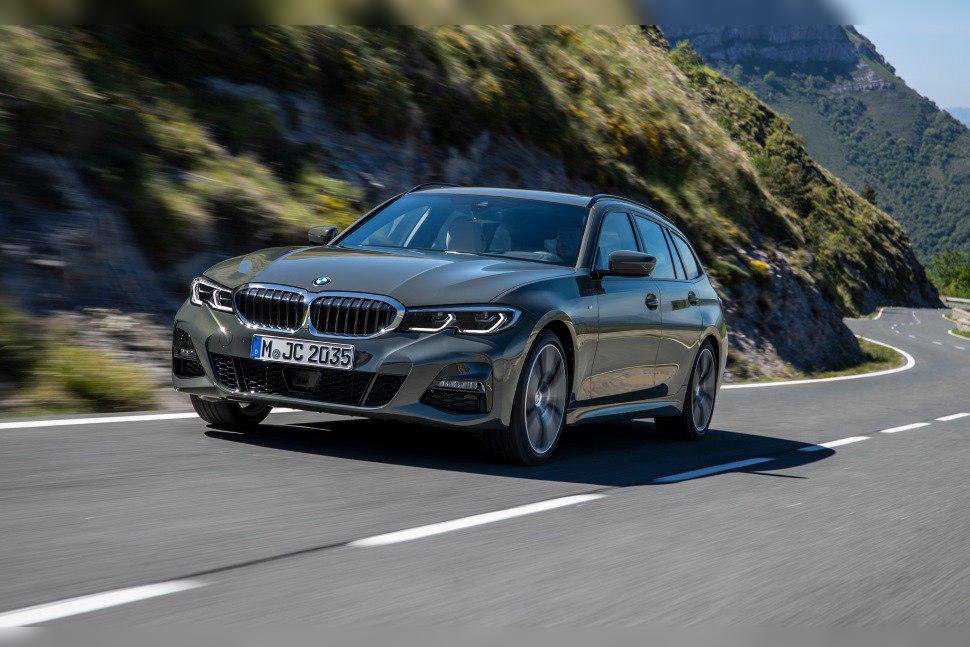
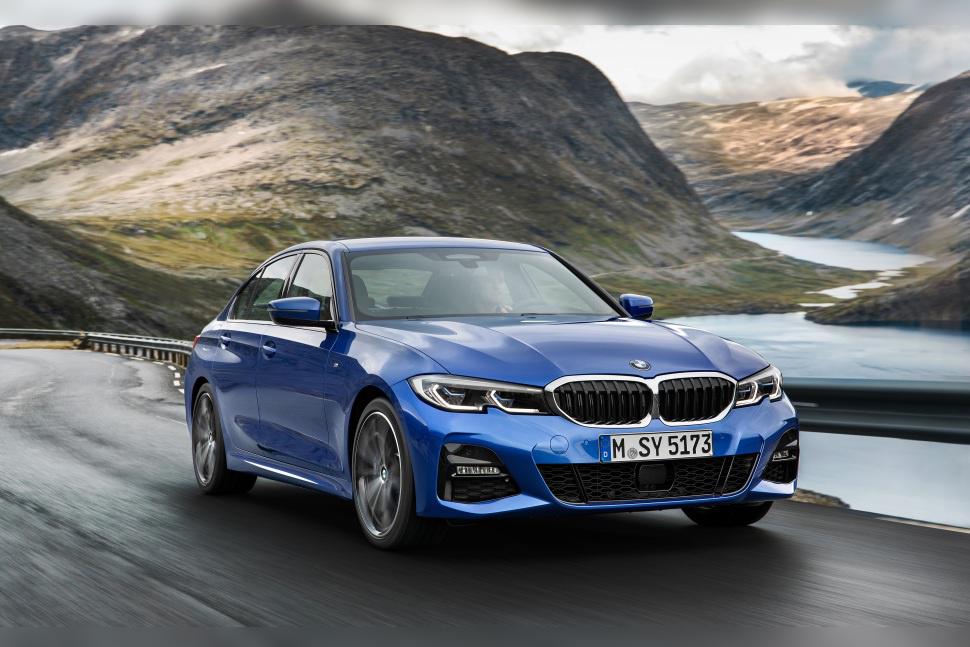
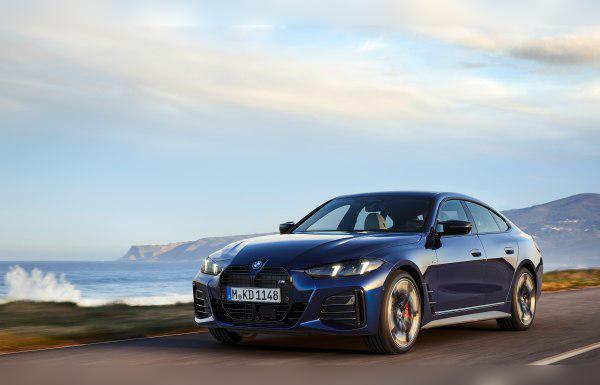
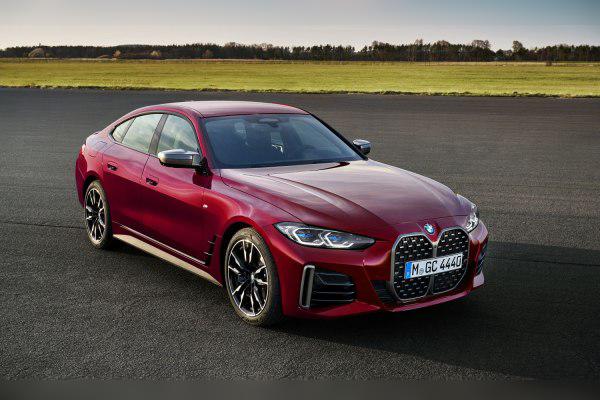
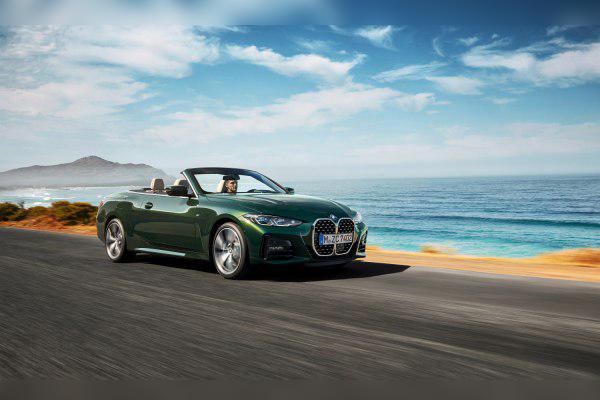
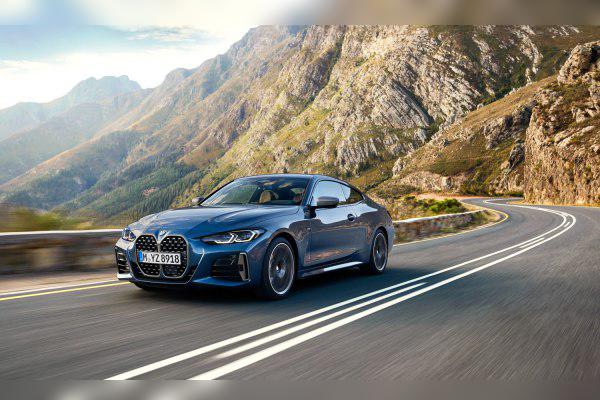
BMW B58B30B (3.0T 374 hp) – Experiences, problems, fuel consumption and used car buying guide
Key points (TL;DR)
- Reputation: Considered one of the best modern BMW engines, a worthy successor to the legendary N54/N55 and a spiritual successor to the 2JZ thanks to its durability.
- Timing drive: The timing chain is located at the rear of the engine (towards the cabin), which complicates replacement if needed, but the system itself is very robust.
- Coolant loss: The most common “issue”, usually not fatal, but it requires regular checks of coolant level.
- Tuning potential: Huge. Forged internal components allow for large power increases without opening the engine.
- Maintenance: Not cheap (depends on market), but failures are not common. It requires strict oil changes every 10–15,000 km, not the factory-recommended 30,000 km.
- Gearbox: Comes exclusively with the ZF 8-speed automatic in these variants, which is arguably the best automatic transmission on the market.
Contents
- Introduction and applications
- Technical specifications
- Reliability and maintenance
- Specific parts and costs
- Fuel consumption and performance
- Additional options and modifications
- Transmission and drivetrain
- Used car buying tips and conclusion
Introduction and applications: BMW’s modern classic
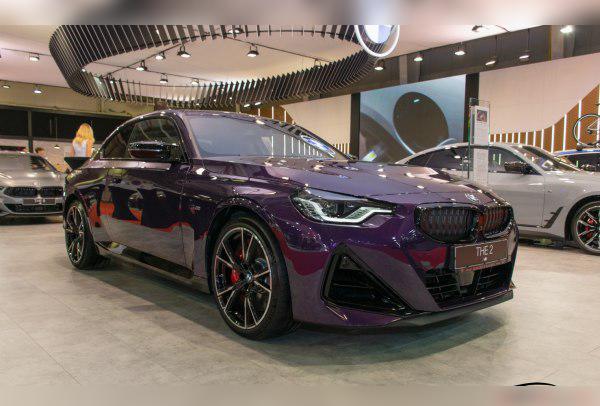
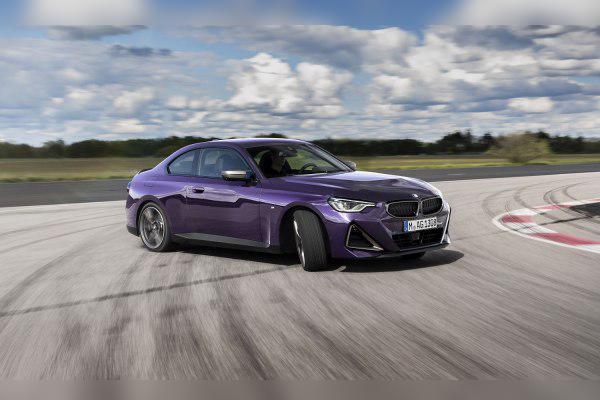
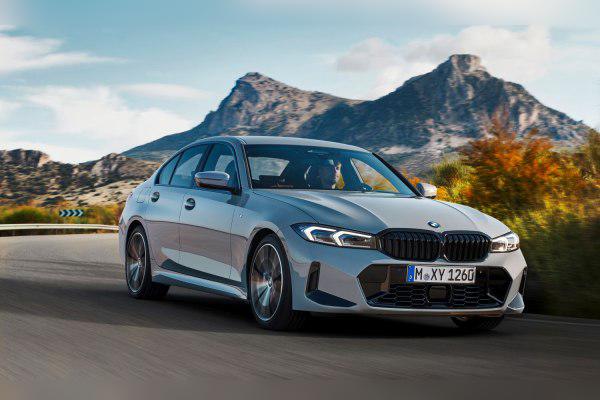
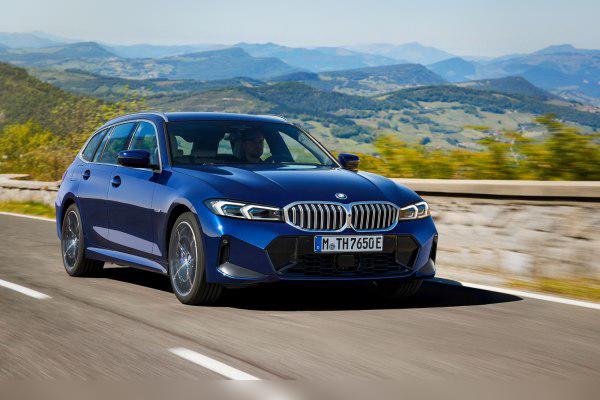
The engine designated B58B30B (often referred to in enthusiast circles as B58 TU1 – Technical Update) is the heart of BMW’s lineup of high-performance models that are not full-fat “M” cars (like the M3 or M4), but belong to the so‑called “M Performance” or “M-lite” segment (M340i, M440i, M240i).
This is an inline-six (R6) that restores faith in BMW engineering after some problematic series in the past. The 374 hp version is specific to the European market (due to OPF filters and emission regulations), while US versions often have 382 hp. What sets this engine apart is its closed-deck design, which gives it incredible rigidity, making it extremely resistant to high pressures and temperatures.
Technical specifications
| Parameter | Data |
|---|---|
| Engine code | B58B30B (B58 TU1) |
| Displacement | 2998 cc (3.0 l) |
| Configuration | Inline 6-cylinder (R6) |
| Power | 275 kW / 374 hp |
| Torque | 500 Nm (at 1900–5000 rpm) |
| Induction | TwinScroll turbo (single turbocharger) |
| Fuel injection | Direct injection (High Precision Injection) |
| Hybrid system | Mild Hybrid 48V (on newer G20 LCI, G26 models) |
Reliability and maintenance
Does this engine have a timing belt or a chain?
The engine uses a chain to drive the camshafts. However, unlike older engines (such as the M54), the chain on B58 engines is located at the rear of the engine (towards the firewall/cabin). This was done for better weight distribution and pedestrian safety (lower hood line), but it makes servicing much more complicated. The good news is that the chain on B58 engines is extremely durable and rarely needs to be replaced before 200,000–250,000 km, unless the engine has been neglected with poor servicing.
What are the most common issues with this engine?
Although it is reliable, the B58 has a few specific issues:
- Coolant loss: This is the most common problem. It can leak at the expansion tank cap, at the thermal management module (a complex housing for the thermostat and pump), or at the turbo itself. If you smell coolant, check the level immediately.
- PCV valve (oil separator): The membrane in the valve cover can tear. Symptoms include a characteristic whistling sound, increased oil consumption and smoke from the exhaust. Unfortunately, on the B58 the PCV is integrated into the valve cover, so the entire cover is often replaced (which is more expensive).
- VANOS solenoids: The variable valve timing actuators can get dirty or stick, which leads to rough running or loss of power. Fortunately, they are located at the front and are easy to access.
At what mileage is a major service required?
A true “major service” in the sense of timing chain replacement does not have a fixed interval. The chain is replaced as needed, when you can hear rattling (“rustling”) on cold start. In practice, this is usually well beyond 200,000 km. However, the accessory belt, tensioners and water pump should be checked regularly and replaced preventively around 100,000–120,000 km.
How many liters of oil does this engine take and which viscosity is recommended?
The B58B30B takes approximately 6.5 liters of oil. The factory often recommends 0W-20 (BMW Longlife-17 FE+ specification) for emissions and fuel economy reasons. However, experienced mechanics and enthusiasts strongly recommend switching to 5W-30 or 5W-40 (BMW Longlife-04 or LL-01), especially if you enjoy spirited driving. Thicker oil provides better protection for bearings and the turbo at high temperatures.
Does it consume oil between services and what is considered normal?
A healthy B58 engine should not consume a significant amount of oil. Consumption of 0.5 liters per 10,000 km is acceptable. If it uses a liter every 1,000–2,000 km, that indicates a problem (most often the PCV valve or valve stem seals, more rarely piston rings). Thanks to the closed-deck design, the cylinders are very stable and do not deform, which protects the rings.
At what mileage should the spark plugs be replaced?
On a stock (factory) engine, spark plugs should be replaced every 50,000 to 60,000 km. If the engine is tuned (Stage 1 or higher), the interval is drastically reduced to 20,000–30,000 km, and it is then recommended to reduce the spark plug gap. Symptoms of worn plugs are “stuttering” under full throttle (misfires).
Specific parts (costs)
Does this engine have a dual-mass flywheel?
Although it is paired with an automatic transmission, the system has a vibration damper on the flexplate/flywheel. It is not a classic dual-mass flywheel as in manuals that “fall apart”, but rather part of the torque converter assembly or connected to it. It is very durable and is rarely replaced separately before a transmission overhaul. Replacement cost is high (depends on market) because the gearbox has to be removed.
What kind of injection system does it have and are the injectors problematic?
It uses high-pressure direct injection (up to 350 bar on newer versions). The injectors are piezoelectric. They are generally reliable but sensitive to poor fuel quality. If an injector “sticks open”, it can wash down a cylinder with fuel and cause engine damage. The price of a single injector is high (depends on market), and there are 6 of them.
Does this engine have a turbocharger (or two) and what is their lifespan?
The “TwinPower Turbo” label is often confusing. This engine has ONE turbocharger, but with twin-scroll technology (the exhaust manifold is split into two channels leading to the turbine, which reduces turbo lag). The turbo is water-cooled and extremely durable. With regular oil changes and allowing the engine to cool down after hard driving before shutting it off, the turbo will last as long as the engine.
Does this model have a DPF filter or an EGR valve that often clogs?
Since it is a petrol engine, it does not have a DPF, but it does have a OPF (GPF) particulate filter (mandatory in the EU). It muffles the exhaust sound (which enthusiasts dislike) and can clog if the car is driven exclusively in the city on short trips, but this is much rarer than with diesels. It also has an EGR system, but petrol EGRs accumulate much less soot than diesel ones.
Does this engine use AdBlue?
No. AdBlue is used exclusively for diesel engines (SCR catalysts). This engine only uses unleaded petrol.
Fuel consumption and performance
What is the real-world fuel consumption in city driving?
In heavy stop-and-go city traffic, you can expect consumption between 11 and 14 liters per 100 km. Thanks to the 48V mild-hybrid system on newer models (G20 LCI, G26), the start-stop system operates more smoothly and can save some fuel by shutting the engine off while coasting to a stop.
Is this engine “lazy” for the weight of the cars it’s fitted to?
Absolutely not. With 500 Nm of torque available from just 1900 rpm, this engine pulls instantly. Models like the M340i or M440i reach 100 km/h in around 4.5 seconds (or even quicker), which is supercar territory from 10 years ago. The driving feel is explosive.
What is the engine like on the motorway and at what rpm does it cruise at 130 km/h?
This is the engine’s natural habitat. Thanks to the 8-speed gearbox, at 130 km/h the engine spins at a very low 1800–2000 rpm (depending on drive mode). Highway fuel consumption can drop to a surprising 7 to 8.5 l/100 km, which is a fantastic result for 374 hp.
Additional options and modifications
Is this engine suitable for LPG (autogas) conversion?
Theoretically yes, but in practice it is not recommended and not cost-effective. Due to direct injection, an expensive liquid LPG injection system is required (using the petrol injectors or separate ones), or a system that still uses a percentage of petrol to cool the injectors. Considering the engine’s complexity and the car’s purpose (performance), LPG conversion is seen as “sacrilege” and a potential source of issues with electronics and sensors.
How far can this engine be safely tuned (Stage 1)?
The B58 is a tuning king. Stage 1 (software only) safely raises power to 420–440 hp and torque to over 600 Nm. The engine can handle this increase without any mechanical modifications. Even the clutches in the automatic gearbox cope with it without issues. For more than that (Stage 2), a downpipe is required (removal of the catalytic converter/OPF), which is illegal in most EU countries.
Transmission
Which transmissions are paired with this engine?
In the mentioned models (M240i, M340i, M440i), the only option is the ZF 8HP (8-speed Steptronic Sport) automatic transmission. A manual gearbox is no longer offered in these “M-lite” xDrive configurations.
What are the most common automatic transmission issues?
The ZF 8HP is probably the most reliable automatic in the world. Failures are rare. Possible issues at high mileage (over 200,000 km) include oil leaks from the transmission pan (which is plastic and integrated with the filter) or wear of the mechatronic solenoids, resulting in harsher shifts.
At what mileage should the transmission be serviced and the oil changed?
BMW claims the transmission oil is “lifetime fill”. Do not believe this. The transmission manufacturer (ZF) strictly recommends changing the oil and pan with filter every 80,000 to 120,000 km (or 8 years). Regular oil changes are the key to the longevity of this gearbox.
Used car buying guide and conclusion
Before buying a BMW with the B58B30B engine, make sure to check the following:
- Cold start: Listen to the engine when it is completely cold. There should be no metallic rattling (chain) or rough idle.
- Signs of coolant leaks: Look around the expansion tank cap and under the intake manifold (where visible) for white traces of dried coolant.
- Service history: Avoid cars where the oil was changed every 30,000 km. Look for those with 10–15k km intervals.
- Modifications: If the car is tuned, check who did the remap. A bad tune can destroy the engine.
Conclusion:
The B58B30B (374 hp) is an engine that offers the best of both worlds: smoothness and luxury for everyday driving, and brutal performance when you want it. Maintenance is more expensive than on an average car (depends on market), but in return you get one of the mechanically healthiest and most exciting engines of today. If you can afford proper maintenance and running costs, this engine is an absolute recommendation.
Was this content useful to you?
Your opinion helps us to improve the quality of the content.