B48B20O1 Engine
- Engine
- 1998 cm3
- Aspiration
- Twin-power turbo, Intercooler
- Fuel
- Petrol (Gasoline)
- Fuel injection system
- Direct injection
- Power
- 255 hp
- Torque
- 400 Nm
- Cylinders
- 4
- Valves
- 16, 4 per cylinder
- Cylinders position
- Inline
- Valvetrain
- VALVETRONIC, Double-VANOS
- Oil capacity
- 5.25 l
- Systems
- Start & Stop System
# Vehicles powered by this engine
BMW B48B20O1 (2.0 TwinPower Turbo) – Experiences, problems, fuel consumption and used car buying tips
When it comes to modern petrol engines wearing the Bavarian propeller, the B48 series is the backbone of the lineup. Specifically, the B48B20O1 variant with 255 hp (190 kW) is the “sweet spot” – powerful enough to embarrass many sports cars from the past, yet civilized enough for everyday commuting. This engine is the direct successor to the N20 series and has corrected many of its predecessor’s flaws.
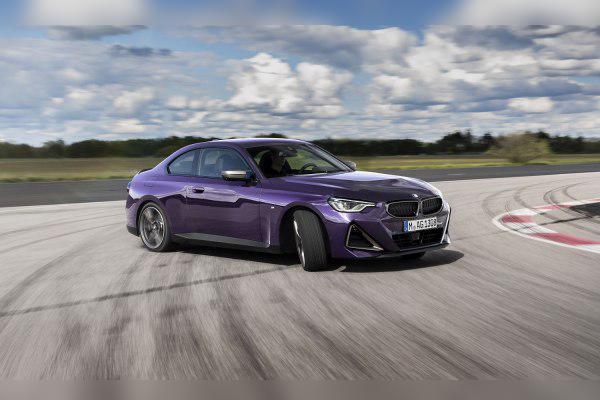
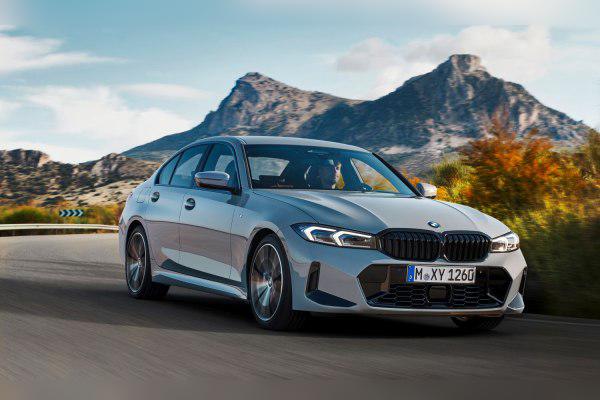
It is installed in the latest 2 Series (G42) models and the facelifted 3 Series (G20 LCI), where it carries the 230i and 330i badges. If you are considering buying a car with this engine, you are in the right place to find out what’s hiding under the hood.
Key points in short (TL;DR)
- Reliability: Significantly more reliable than its predecessor (N20), ranks among robust modern petrol engines.
- Biggest weakness: Cooling system. Plastic housings and hoses are sensitive to heat cycles and can crack.
- Performance: Excellent throttle response thanks to the twin-scroll turbo. It doesn’t feel “lazy” in any body style.
- Maintenance: Requires strictly regular oil changes (every 10–15,000 km at most, not 30,000 km).
- Fuel consumption: Surprisingly economical on the open road, but in the city it likes to drink.
- Recommendation: An excellent choice for those who want diesel-like performance without the tractor sound and AdBlue issues.
Contents
- Technical specifications
- Reliability and maintenance
- Specific parts (costs)
- Fuel consumption and performance
- Additional options and modifications
- Gearbox
- Buying used and conclusion
Technical specifications
| Characteristic | Data |
|---|---|
| Engine code | B48B20O1 |
| Displacement | 1998 cc (2.0 litres) |
| Configuration | Inline, 4 cylinders |
| Power | 190 kW (255 hp) |
| Torque | 400 Nm |
| Forced induction | Twin-scroll turbo (TwinPower Turbo) |
| Injection | Direct injection (High Precision Injection) |
| Camshaft drive | Timing chain |
Reliability and maintenance
Does this engine have a timing belt or a chain?
The B48B20O1 engine uses a timing chain. The good news is that this chain is much more durable than on the notorious N47 diesels or early N20 petrol engines. However, it is important to note that the chain is located at the rear of the engine (towards the gearbox). This means that if it ever needs to be replaced (which usually doesn’t happen before 200,000 km with proper maintenance), the engine has to be removed from the car, which significantly increases labour costs.
What are the most common failures on this engine?
Although reliable, the B48 has its “Achilles’ heels”:
- Coolant leaks: This is problem number one. Plastic components of the cooling system, especially the coolant “Y-pipes” and the water pump housing, become brittle due to high temperatures and crack. If you smell coolant in the cabin or see a puddle under the car, react immediately.
- Oil filter housing: Also made of plastic and prone to cracking, which leads to oil leaks.
- VANOS solenoids: Can get dirty or fail, causing rough engine operation or loss of power.
- Crankcase breather hose (ventilation): Thin plastic hoses become brittle and break at the slightest touch after a few years of use.
At what mileage is the major service due?
Since the engine has a chain, a classic “major service” as on belt-driven engines does not exist at a fixed interval. The chain is replaced as needed – when it starts to make noise (rattling on cold start). It is recommended to inspect and preventively replace the auxiliary belt set (belt, tensioner, idler pulleys) and water pump at around 100,000–120,000 km.
How many litres of oil does this engine take and which viscosity is recommended?
The engine takes approximately 5.25 to 5.75 litres of oil (depending on the exact sump variant and xDrive/RWD drivetrain). BMW officially recommends 0W-20 (LL-17 FE+ specification) for lower fuel consumption and emissions. However, many experienced mechanics and enthusiasts, for engine longevity – especially in warmer climates or with spirited driving – recommend switching to 5W-30 (LL-04 specification).
Does it consume oil between services?
B48 engines are generally “tight” and should not consume a significant amount of oil. Consumption of up to 0.5 litres per 10,000 km can be considered acceptable. If the engine uses a litre of oil every 2,000–3,000 km, this indicates a problem (usually valve stem seals or piston rings, although this is rare at lower mileage) or a leak from one of the gaskets.
At what mileage should the spark plugs be replaced?
On this turbocharged direct-injection engine, the spark plugs are under heavy load. The factory interval is often over-optimistic. It is recommended to replace the spark plugs every 40,000 to 60,000 km. Always use high-quality iridium spark plugs (NGK or Bosch to OEM specification).
Specific parts (costs)
Does the engine have a dual-mass flywheel?
This is a specific case. G20 LCI and G42 models with this engine almost exclusively come with an automatic gearbox. In that case, they do not have a classic dual-mass flywheel as manuals do, but use a torque converter and a flexplate. This is good news, as this system is much more durable. If you happen to find a rare version with a manual gearbox (very rare for newer 330i/230i models), it does have a dual-mass flywheel, and replacement is expensive.
What type of injection system does it have and are the injectors problematic?
It uses direct fuel injection under high pressure. The injectors are piezo-electric and generally reliable, but very sensitive to poor fuel quality. Symptoms of a bad injector include “jerking” under acceleration, rough idle, or black smoke. Replacing a full set of injectors is very expensive (costs vary by market, but expect a serious bill).
Does this engine have a turbocharger and what is its lifespan?
It has a single turbocharger, but the technology is called TwinPower Turbo. This does not mean it has two turbos; rather, the turbo has a twin-scroll housing (two exhaust gas channels) which allows for faster response. The turbochargers (usually Mitsubishi or Garrett) have proven to be very durable and often last over 200,000 km with regular oil changes and proper cooldown after hard driving.
Does this model have a DPF filter or an EGR valve?
As a petrol engine, it does not have a DPF (Diesel Particulate Filter), but European versions of this engine do have an OPF/GPF (Gasoline Particulate Filter) to meet Euro 6d standards. These filters clog less frequently than diesel DPFs because petrol burns cleaner and at higher temperatures. An EGR valve is present, but causes far fewer issues than on diesels because there is no soot to block it.
Does this engine use AdBlue?
No. AdBlue fluid is used exclusively in diesel engines. This is a petrol engine and does not require any additional exhaust treatment fluids.
Fuel consumption and performance
What is the real fuel consumption in city driving?
Do not fully trust the official factory figures. In heavy city traffic, with the A/C on and the weight of a 3 Series or 2 Series body, real-world consumption is between 9 and 12 litres per 100 km. If you have a heavy right foot, this figure can easily go higher.
Is this engine “lazy” for the weight of the car?
Absolutely not. With 255 hp and a hefty 400 Nm of torque available from low revs (around 1,550 rpm), this engine feels very agile. 0–100 km/h acceleration is usually under 6 seconds, which is serious sports car territory. The G42 (2 Series Coupé) is particularly fun with this engine.
How does the engine behave on the motorway and at what rpm does it cruise at 130 km/h?
This is where the B48 really shines. Thanks to the 8-speed automatic gearbox, at 130 km/h the engine spins at a very low 1,800 to 2,000 rpm. This results in a quiet cabin and fuel consumption that can drop to 6 to 7 litres per 100 km, which is impressive for a petrol engine of this power.
Additional options and modifications
Is this engine suitable for LPG (autogas) conversion?
Technically it is possible, but financially and logistically it is not worthwhile and is quite complicated. Due to direct injection, a special system is required (so-called liquid phase or a system that also injects a small amount of petrol to cool the injectors). Installation is very expensive (often over 1000–1500 EUR), and given the complexity of BMW electronics, the risk of sensor issues and engine fault codes is high. Recommendation: Do not install LPG on this engine.
How far can this engine be safely tuned (Stage 1)?
The B48B20O1 is a favourite among tuners. Since this is the factory higher-output version (it has lower compression than weaker variants, which is good for higher boost), a Stage 1 remap can safely extract around 290–300 hp and 450–470 Nm of torque without mechanical modifications. The engine handles this power increase well, provided it has been regularly maintained.
Gearbox
Which gearboxes are fitted?
The 330i (G20 LCI) and 230i (G42) models come as standard with the famous ZF 8HP (8-speed automatic gearbox, Steptronic). Manual gearboxes have been practically dropped from the lineup for these specific models in most countries, or are reserved for M models/entry-level versions in specific markets.
What are the most common automatic gearbox issues?
The ZF 8HP is considered the best automatic gearbox on the market. Failures are extremely rare. Possible issues include oil leaks from the gearbox pan (which is plastic and integrated with the filter) or leaks at the mechatronics connector. Symptoms of problems are harsh shifts between gears or a delay when engaging “D” or “R”.
At what mileage should the gearbox be serviced?
BMW claims the gearbox oil is “lifetime”. Do not believe this. The gearbox manufacturer (ZF) recommends changing the oil and filter (pan) every 80,000 to 100,000 km. If you want the gearbox to last 300,000+ km, this is a must.
Buying used and conclusion
Before buying a used BMW with the B48B20O1 engine, pay attention to the following:
- Cold start: The engine should run smoothly immediately after starting. Any chain rattling in the first 3–5 seconds is a bad sign.
- Coolant traces: Check the engine bay around the hoses and expansion tank. White residue from dried coolant indicates a leak.
- Service history: Check whether the oil was changed every 15,000 km or less. If the car was run on “Long Life” intervals of 30,000 km, the risk of sludge buildup in the engine and turbo issues is higher.
Conclusion: The B48B20O1 engine is a fantastic piece of engineering. It offers performance that used to be reserved for 3.0-litre engines, with fuel consumption that is still acceptable. It is ideal for drivers who want dynamic performance, a premium feel and modern technology, and who are prepared to pay somewhat higher maintenance costs (especially for the cooling system) for that enjoyment. Highly recommended, with a mandatory pre-purchase inspection at a specialist workshop.
Was this content useful to you?
Your opinion helps us to improve the quality of the content.