B38A15P Engine
- Engine
- 1499 cm3
- Aspiration
- Twin-power turbo, Intercooler
- Fuel
- Petrol / electricity
- Fuel injection system
- Direct injection
- Power
- 136 hp
- Torque
- 230 Nm
- Cylinders
- 3
- Valves
- 12, 4 per cylinder
- Cylinders position
- Inline
- Valvetrain
- DOHC
- Oil capacity
- 4.5 l
- Systems
- Start & Stop System, Particulate filter
# Vehicles powered by this engine
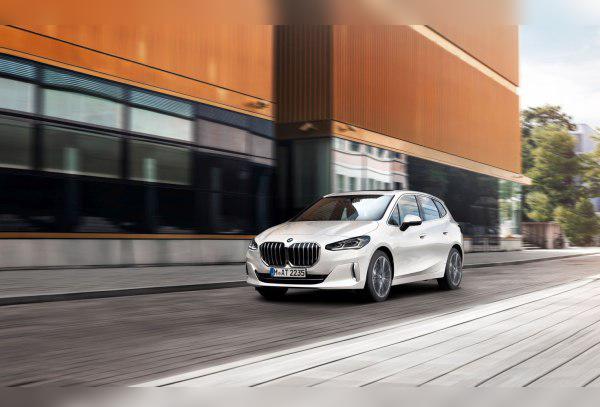
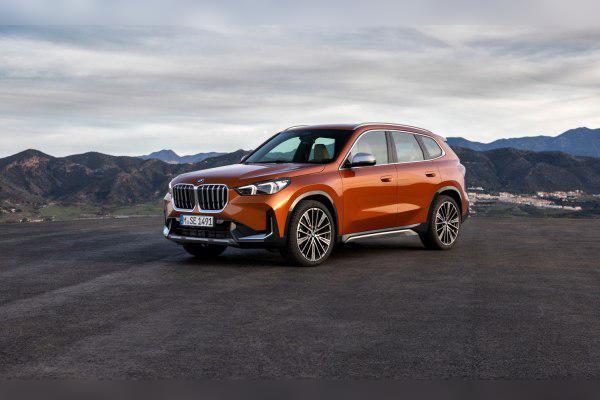
BMW B38A15P (1.5 Plug-in Hybrid) – Experiences, Issues, Fuel Consumption and Used Car Buying Guide
Key points (TL;DR)
- 3-cylinder engine: Although it’s a small 1.5-liter engine, with the help of the electric motor it delivers serious performance (245 hp system output).
- Timing chain: The engine uses a timing chain which is generally reliable, but it requires high-quality oil and regular changes.
- Cold starts under load: As with every plug-in hybrid, the engine is subjected to higher stress because it often starts cold under hard acceleration.
- System complexity: You have two drivetrains (petrol + electric), which means twice as many potential maintenance points.
- Fuel consumption: Fantastic if you charge the battery (below 2L), but if you drive with an empty battery, expect 6.5–8.5 L/100 km.
- Sound and vibrations: Although sound insulation in the U06 and U11 is excellent, the specific 3-cylinder sound can be heard at higher revs.
Contents
- Introduction and application
- Technical specifications
- Reliability and maintenance
- Specific parts and costs
- Fuel consumption and performance
- Additional options and modifications
- Gearbox
- Buying used and conclusion
Introduction and application
The engine with the code B38A15P is at the heart of BMW’s modern electrification strategy for compact vehicles. This is not an ordinary petrol engine; it is a technologically advanced 3-cylinder turbo unit, specifically adapted to work in a Plug-in Hybrid (PHEV) system. The “P” at the end of the engine code indicates precisely this hybrid adaptation.
It is installed in the latest generations of front-wheel-drive-based models (UKL2/FAAR platform), primarily in the BMW 2 Series Active Tourer (U06) and the new BMW X1 (U11). Although enthusiasts often frown at the mention of three cylinders, this engine, combined with a powerful electric motor, offers performance that used to be reserved for 3.0-liter straight-sixes, but with the added benefit of silent city driving.
Technical specifications
| Parameter | Data |
|---|---|
| Engine displacement | 1499 cc (1.5 liters) |
| Configuration | Inline, 3 cylinders |
| Power (ICE engine) | 100 kW (136 hp) |
| Torque (ICE engine) | 230 Nm |
| Total system power | Depends on model, often around 180 kW (245 hp) in 25e versions |
| Engine code | B38A15P |
| Injection type | Direct injection (High Precision Injection) |
| Charging method | TwinPower Turbo (single turbocharger) + intercooler |
| Camshaft drive | Chain |
Reliability and maintenance
Does this engine have a timing belt or a chain?
The B38A15P engine uses a timing chain. In the B38 engine family, the chain is generally more reliable than in the older N-series engines, but it is not immune to stretching, especially if long oil change intervals of 30,000 km are followed. A rattling noise on cold start is the first warning sign. Fortunately, in these newer generations (U06/U11), the chain tensioners have been revised, so a longer service life is expected, often over 200,000 km with regular maintenance.
What are the most common issues with this engine?
As a hybrid power unit, the B38A15P has some specific challenges:
- Cold starts under load: The biggest enemy of this engine. When you floor the throttle (kick-down) while driving on electric power, the cold petrol engine starts instantly and revs high. In the long run, this affects piston rings and bearings.
- VANOS system: The variable valve timing solenoids can get dirty, causing rough running or loss of power.
- Engine mounts: Three-cylinder engines naturally have more vibration. Although balance shafts smooth this out, the hydraulic engine mounts are under higher stress and tend to fail faster than on 4-cylinder engines.
- Coolant leaks: The thermostat housing and water pump are known weak points on the B-series engines.
At what mileage should the major service be done?
With chain-driven engines there is no fixed “major service” interval as with timing belts. However, it is recommended to thoroughly inspect the chain set (chain, guides, tensioners) at around 150,000–180,000 km. If you hear rattling, replace it immediately. The auxiliary (serpentine) belt that drives the ancillaries should be replaced at around 100,000–120,000 km or every 6–8 years.
How many liters of oil does this engine take and which grade is recommended?
The engine takes approximately 4.2 to 4.5 liters of oil (depending on the exact sump revision). For these newer engines BMW strictly recommends 0W-20 (BMW Longlife-17 FE+ specification) to reduce friction and fuel consumption. 5W-30 (BMW Longlife-04) can also be used, especially in warmer climates or on higher-mileage engines, for better protection.
Does it consume oil between services?
Modern BMW engines have tight tolerances. Consumption of up to 0.5 liters per 10,000 km is considered acceptable. However, if the engine uses more than 1 liter over a few thousand kilometers, this often points to issues with piston rings or valve stem seals, which can be a consequence of the aforementioned cold starts. Regular oil changes (every 10–15,000 km, not 30,000) are crucial to prevent this.
At what mileage should the spark plugs be replaced?
Due to direct injection and turbocharging, the spark plugs are under high stress. In PHEV models this is specific – the engine covers fewer kilometers than the car (since part of the distance is driven on electricity), but it has many more start/stop cycles. Replacement is recommended every 40,000 to 60,000 km. Use only iridium spark plugs specified by the manufacturer (NGK or Bosch).
Specific parts (costs)
Does the engine have a dual-mass flywheel?
Yes, it does. Even though it’s a hybrid with an automatic gearbox, the dual-mass flywheel (DMF) is necessary to neutralize the strong torsional vibrations of the 3-cylinder engine before the power is transmitted to the gearbox/electric motor. Its lifespan is around 150,000–200,000 km, and replacement is quite expensive (varies by market).
What kind of injection system does it have and are the injectors problematic?
It uses high-pressure direct injection. The injectors are piezoelectric and very precise. They are generally durable but sensitive to poor fuel quality. Symptoms of failure include rough idle (misfire) and increased fuel consumption. The price of a single injector is high (varies by market, but it falls into the “expensive” category).
Does this engine have a turbocharger and what is its lifespan?
It has a single twin-scroll turbocharger (BMW marketing calls this “TwinPower”, which makes people think there are two turbos). The turbo is water-cooled. Its lifespan is long, often over 200,000 km, provided the engine is not switched off immediately after spirited motorway driving (although the electric water pump helps with cooling after shutdown). Whistling noises or blue smoke are signs of the end.
Does this model have a DPF filter or an EGR valve?
Since it’s a petrol engine, it doesn’t have a DPF, but it does have a GPF (Gasoline Particulate Filter) or OPF, which is the petrol equivalent. It rarely clogs because exhaust gas temperatures on petrol engines are higher. It does have an EGR valve, but on petrol engines it causes far fewer soot-related issues than on diesels.
Does this engine use AdBlue?
No. AdBlue is used exclusively on diesel engines for NOx treatment. This is a petrol/hybrid engine and does not use any additional exhaust treatment fluids.
Fuel consumption and performance
What is the real-world fuel consumption in city driving?
There are two sides to this story:
- With a full battery: Fuel consumption is 0–2.0 L/100 km. Most city driving needs are covered on electricity (real electric range in summer is around 60–80 km on new models).
- With an empty battery: When the battery is depleted and you drive it as a conventional hybrid, city consumption is around 6.5 to 8.5 L/100 km. The weight of the battery and hybrid system (over 1800–1900 kg total vehicle mass) takes its toll.
Is this engine “lazy” for the weight of the body?
The 136 hp petrol engine on its own would be too weak for a body weighing close to 2 tons. However, with the help of the electric motor, the car is very lively. The electric motor provides instant torque from a standstill, so there is no “lag” or sense of heaviness. The total output of 245 hp (in 225e/25e) makes these cars quicker than most “normal” vehicles at the traffic lights.
How does the engine perform on the motorway and at what revs does it cruise at 130 km/h?
On the motorway the electric motor helps less. There the petrol engine carries most of the load. At 130 km/h in top gear, the engine spins at around 2200–2500 rpm. The sound is well insulated. However, at speeds over 140–150 km/h, fuel consumption rises sharply (over 9–10 liters) because the small engine has to push a large and heavy body (especially the taller X1).
Additional options and modifications
Is this engine suitable for LPG conversion?
Absolutely not. Installing LPG on a direct-injection engine is expensive and complicated (it requires a system that also uses petrol to cool the injectors). On top of that, this is a hybrid with complex electronics and no space for a gas tank (because the high-voltage battery is there). You lose the warranty and the risk of electronic failures is huge.
How much can this engine be safely tuned (Stage 1)?
The B38 engine itself has some headroom and can be raised from 136 to around 160–170 hp (for the petrol part alone). However, it is not recommended. The reason is the complex interaction with the hybrid system and gearbox. Increasing torque on the petrol engine can confuse the hybrid control unit that coordinates the two power sources, which can lead to jerks or drivetrain errors.
Gearbox
Which gearboxes are used?
With the B38A15P in the U06 and U11 models you get exclusively a 7-speed Steptronic dual-clutch transmission (DCT). In the hybrid versions, the electric motor is integrated into the gearbox housing (Gen 5 eDrive technology), which saves space and improves efficiency.
What are the most common gearbox issues?
DCT gearboxes are quick but complex. Possible issues include:
- Oil leaks: At the driveshaft seals.
- Mechatronics: The electronic control unit that manages shifting can fail, resulting in harsh shifts or the inability to engage gears.
- Clutch wear: Although the clutches run in oil, stop-and-go city driving wears them out. Symptoms are slipping or a jolt when setting off.
Cost of clutch and flywheel replacement?
Since the electric motor is integrated, any intervention on the gearbox in PHEV models is very expensive (varies by market, but expect four-figure amounts in euros). A clutch kit with labor requires removing the gearbox and using special high-voltage tools.
At what mileage should the gearbox be serviced?
BMW often states that the oil is “lifetime”. Forget that. For long DCT life, change the oil and filters every 60,000 km. This is especially important on hybrids where the gearbox is subjected to the instant torque of the electric motor.
Buying used and conclusion
Before buying a used model with the B38A15P engine (U06 Active Tourer or U11 X1), make sure you do the following:
- Battery diagnostics: Check the high-voltage battery “State of Health” (SOH). Replacing modules is extremely expensive.
- Cold start: Insist that the car is completely cold. Listen to the chain during the first 3–5 seconds of petrol engine operation.
- Test drive on electric and on petrol: Switch driving modes. The transition between electric and petrol should be almost imperceptible, without jerks.
- Charging history: If the car was driven only on petrol without charging, the engine has run many more hours than on a car that was regularly charged.
Conclusion: The B38A15P is a technological gem that allows a family car to use as little fuel as a scooter while going like a hot hatch. It is ideal for those who have a garage with a charger and drive up to 50–60 km per day, and travel further on weekends. It is not recommended for drivers who have nowhere to charge the battery or who cover huge mileages exclusively on the motorway – in that case, a diesel (20d) is still a better and simpler choice.
Was this content useful to you?
Your opinion helps us to improve the quality of the content.