B48A20P Engine
- Engine
- 1998 cm3
- Aspiration
- Twin-power turbo, Intercooler
- Fuel
- Petrol (Gasoline)
- Fuel injection system
- Direct injection
- Power
- 204 hp
- Torque
- 320 Nm
- Cylinders
- 4
- Valves
- 16, 4 per cylinder
- Cylinders position
- Inline
- Valvetrain
- DOHC
- Oil capacity
- 5.25 l
- Systems
- Start & Stop System, Particulate filter
# Vehicles powered by this engine
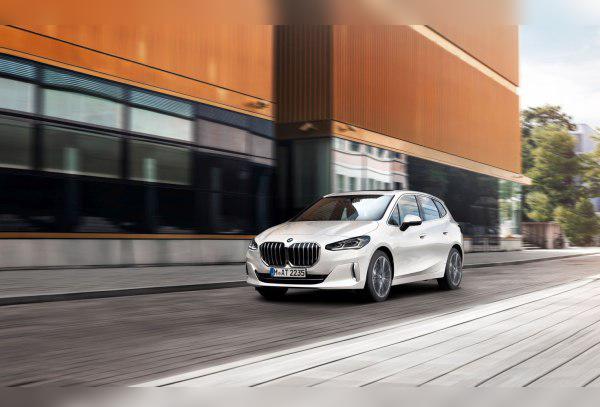
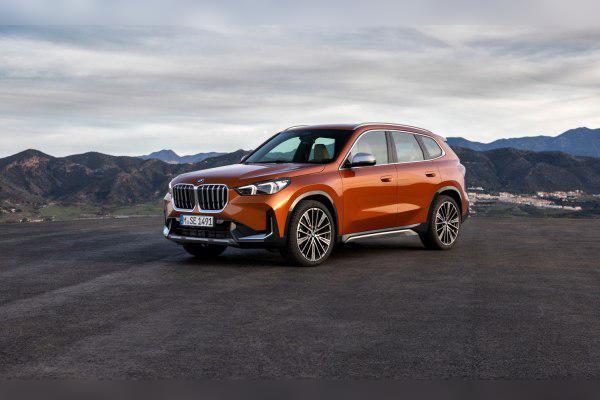
BMW B48A20P (2.0 TwinPower Turbo MHEV): Experiences, Issues, Fuel Consumption and Maintenance
Welcome to a detailed analysis of one of the most important modern engines from Munich. If you’re looking at newer models like the 2 Series Active Tourer (U06) or the new X1 (U11), you’ve probably noticed the badges 23i or 223i. Behind these badges hides the engine with the code name B48A20P. This is not an ordinary petrol engine; this is a Mild Hybrid unit that tries to balance performance with strict emission standards.
As someone who has spent years under the hood, I’ll tell you right away: this is a technological gem, but the complexity it brings requires meticulous maintenance. It’s no longer enough just to fill up and drive.
Key points in short (TL;DR)
- Timing chain drive: Uses a chain that is generally more reliable than on older N20 engines, but it is located at the rear of the engine (towards the cabin), which makes any replacement more complicated.
- Mild Hybrid (48V): The system significantly improves start-stop operation and adds power when setting off, but also adds expensive components (48V battery, starter-generator).
- Cooling system: Plastic thermostat housings and water pump housings are weak points – keep a close eye on coolant level.
- Direct injection: Requires high-quality fuel and regular spark plug replacement to avoid carbon buildup.
- Transmission: Comes exclusively with an automatic transmission (DCT – dual-clutch), which requires regular oil changes every 60,000 km.
- Recommendation: An excellent choice for those who want diesel-like performance without diesel noise, but with slightly higher fuel consumption in the city.
Contents
- Technical Specifications
- Reliability and Maintenance
- Specific Components (Costs and Failures)
- Fuel Consumption and Performance
- Additional Options and Modifications
- Transmission and Drivetrain
- Buying Used and Conclusion
Technical Specifications
| Specification | Data |
|---|---|
| Engine code | B48A20P |
| Displacement | 1998 cc (2.0 L) |
| Configuration | Inline 4-cylinder (R4) |
| Power (ICE only) | 150 kW (204 hp) |
| Total system output (MHEV) | ~160 kW (218 hp) – depends on drive mode |
| Torque | 320 Nm (at 1500–4000 rpm) |
| Charging | Twin-Scroll Turbo + 48V electric assistance |
| Injection | Direct (High Precision Injection) |
| Camshaft drive | Chain |
Reliability and Maintenance
Timing system: Chain or belt?
The B48A20P engine uses a timing chain. Unlike the notorious N47 diesel, the chain on B48 engines has proven to be much more durable. However, there is a catch. The chain is located at the rear of the engine (towards the gearbox/cabin). This means that if it ever needs to be replaced (rattling on cold start), the engine usually has to come out, which drastically increases labor cost. Expected chain life is over 200,000 km with regular oil changes.
Most common issues
Although reliable, the B48 has its quirks:
- Coolant loss: This is problem number one. Plastic hoses, the oil filter housing and the heat management module (thermostat) are prone to cracking due to heat cycles. Symptom: frequent topping up of coolant or a “sweet” smell of vapour under the hood.
- VANOS solenoids: The variable valve timing system is sensitive to dirty oil. If the oil is not changed regularly, the engine can become sluggish and trigger a fault code on diagnostics.
- Oil leak at the filter housing: The housing is plastic and deforms over time, leading to oil leaks that can drip onto hot engine components.
Service intervals and oil
The manufacturer often states intervals of 30,000 km (“Long Life”), but as a technical editor my advice is: forget about that.
- Minor service: Do it every 10,000 to 12,000 km or once a year.
- Oil quantity and type: The engine takes approximately 5.25 liters of oil. The recommended grade is 0W-20 (BMW Longlife-17 FE+) for fuel economy and tight tolerances, although in warmer climates and at higher mileage many owners switch to 5W-30 (BMW Longlife-04) for better protection.
- Oil consumption: Modern BMW engines tolerate a certain amount of oil consumption. Up to 0.5 liters per 5,000 km can be considered acceptable, especially with spirited driving. If it uses a liter per 1,000 km, you likely have an issue with piston rings or valve stem seals.
Spark plugs and ignition system
On petrol engines with direct injection like this one, spark plugs are under heavy stress. The recommendation is to replace them every 40,000 to 50,000 km. Worn spark plugs can lead to overheating of the ignition coils (which are also consumable items) and rough running/misfires.
Specific Components (Costs)
Dual-mass flywheel
Yes, this model has a dual-mass flywheel, because it is paired with a dual-clutch automatic transmission (DCT). Its role is to dampen engine vibrations before they reach the gearbox. Although it lasts longer than on diesels (because a petrol engine runs smoother), replacement is a costly job (exact amount depends on the market, but expect it to be “expensive”).
Fuel injection system
It uses high-pressure direct injection. The injectors are piezo-electric and generally very precise. They are not as problematic as on older models, but they are very sensitive to poor fuel quality. Symptoms of bad injectors include hesitation under acceleration and increased fuel consumption. A single injector is expensive.
Turbocharger
The engine uses a single twin-scroll turbocharger (not two physical turbos, but one with two exhaust gas channels). Its lifespan is usually equal to the life of the engine with proper maintenance. It is critical not to switch the engine off immediately after hard driving on the motorway – let it idle for a minute to cool down.
Emissions: GPF and EGR
This engine does NOT have a DPF (because it’s not a diesel), but it does have a GPF (Gasoline Particulate Filter). This is the petrol equivalent of a DPF. Since petrol burns cleaner, the GPF clogs less often, but constant city driving can still “choke” it. There is an EGR valve, but on petrol engines it causes fewer soot-related issues than on diesels.
AdBlue: This engine does NOT use AdBlue fluid.
Fuel Consumption and Performance
City driving
Even though this is a Mild Hybrid, don’t expect miracles in the city. The models it is fitted to (X1, Active Tourer) are heavy and often have xDrive all-wheel drive.
Real-world city consumption: Between 8.5 and 10.5 l/100 km, depending on traffic and how heavy your right foot is. The electric assistance (around 20 hp) helps make take-off smoother and reduces turbo lag, but it does not drive the car on electricity alone.
Is the engine “lazy”?
Absolutely not. With 320 Nm of torque available from just 1500 rpm, plus electric boost, this engine moves the X1 or 2 Series body with ease. 0–100 km/h acceleration is usually around 7 seconds, which used to be hot-hatch territory.
Motorway and cruising
On the motorway this engine feels right at home. Thanks to the 7-speed gearbox, at 130 km/h the engine spins at a relatively low 2,000–2,200 rpm (depending on drive mode). It is very quiet at that point. Fuel consumption on the open road drops to around 6.5–7.5 l/100 km.
Additional Options and Modifications
LPG conversion
Is it possible? Technically yes. Is it worth it? Probably not. Due to direct injection, you need an expensive liquid-phase LPG injection system (such as Vialle or Prins) that uses the petrol injectors. Installation cost is very high (over 1000 EUR), and the savings are questionable because the engine still uses a certain percentage of petrol to cool the injectors. You also lose boot space, which is already compromised on hybrids.
Chip tuning (Stage 1)
B48 engines are known to have “headroom”. A Stage 1 remap can safely raise power to about 260–270 hp and torque to nearly 400 Nm. However, be careful: newer BMW ECUs (Bosch MG1) are often “locked” and require physical opening or sending abroad for unlocking before tuning. Also, the higher torque puts additional stress on the gearbox.
Transmission
Type of transmission
With this engine in the U06 (Active Tourer) and U11 (X1) models, there is no manual gearbox option. It comes exclusively with a 7-speed Steptronic dual-clutch (DCT). This is not the classic ZF torque-converter automatic (as in the 3 or 5 Series), but a robotised dual-clutch gearbox (similar to VW Group’s DSG).
Maintenance and issues
- Oil change: BMW often claims the oil is “lifetime fill”, but the gearbox manufacturer (usually Magna/Getrag) recommends changing it every 60,000 km. If you ignore this, expect jerky take-off and expensive mechatronics repairs.
- Behaviour: The gearbox shifts extremely quickly, but it can be a bit hesitant or harsh in stop-and-go city traffic, especially when cold. That’s a characteristic of DCT gearboxes, not necessarily a fault.
- Clutches: The clutch pack wears out. If you notice slipping under hard acceleration in higher gears, prepare for a clutch pack replacement, which is very expensive.
Buying Used and Conclusion
When buying a used BMW with the B48A20P engine, make sure to check the following:
- Signs of coolant leaks: Look for whitish residue around hoses and under the intake manifold.
- Cold start: The engine should run smoothly immediately after starting. Any chain rattling in the first 3–5 seconds is a bad sign.
- Transmission service history: If the car has over 60–80k km and the gearbox oil has never been changed, that’s a risk.
Conclusion: The B48A20P is a fantastic engine that offers the best of the petrol world – quietness, refinement and power – with hybrid technology that smooths out its weaknesses in city driving. It is aimed at drivers who want a premium feel and performance, but are not willing to accept the compromises that come with diesel (noise, DPF issues in city use). Maintenance is not cheap, but if you treat it to quality oil and regular servicing, it will serve you for hundreds of thousands of kilometres.
Was this content useful to you?
Your opinion helps us to improve the quality of the content.