B47C20B Engine
- Engine
- 1995 cm3
- Aspiration
- Twin-power turbo, Intercooler
- Fuel
- Diesel
- Fuel injection system
- Diesel Commonrail
- Power
- 197 hp @ 4000 rpm
- Torque
- 400 Nm
- Cylinders
- 4
- Valves
- 16, 4 per cylinder
- Cylinders position
- Inline
- Valvetrain
- DOHC
- Oil capacity
- 6.5 l
- Systems
- Start & Stop System, Particulate filter
# Vehicles powered by this engine
BMW B47C20B (2.0d 197 hp) – Experiences, problems, fuel consumption and buying tips
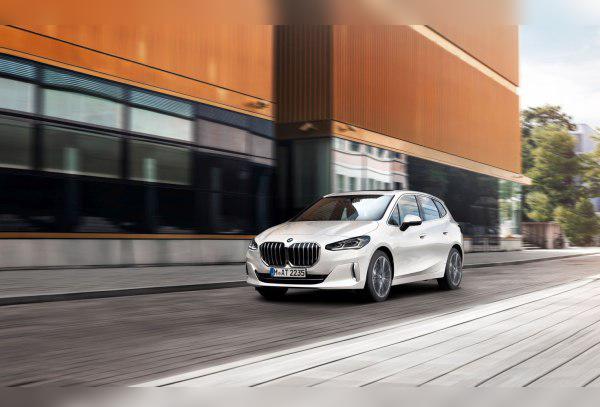
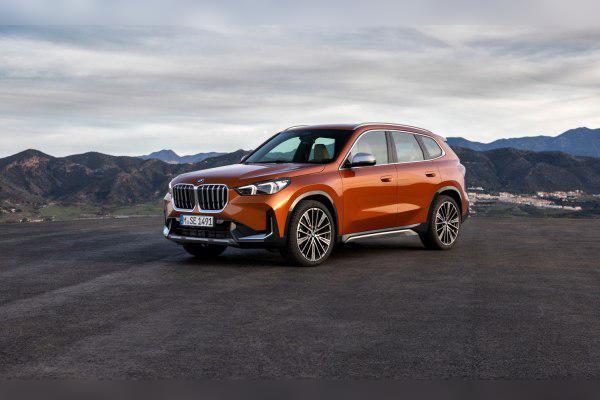
If you’re looking for a modern BMW diesel in newer-generation compact SUV or MPV models, you’re almost certainly looking at the B47C20B. This is not the old, infamous N47 engine that snapped timing chains for fun, but its significantly improved, refined and electrified evolution. It powers the latest generations of models such as the BMW X1 (U11) and Active Tourer (U06), often badged as 23d.
This is an engine for drivers who want serious torque and low fuel consumption, but modern technology also brings modern complexity. Under the bonnet you’ll find not only a diesel engine, but also a 48V mild-hybrid system that complicates (but also improves) things. Is this the right choice for you and what awaits you at the workshop? Find out below.
Key points (TL;DR)
- Performance: Extremely potent engine. The combination of 400 Nm and electric assistance makes it very lively in all conditions.
- Timing drive: The chain is still located at the rear of the engine (towards the gearbox). Although more reliable than before, replacement is still an expensive and complicated job.
- Emissions system: A complex setup with DPF, EGR and the AdBlue system is the Achilles’ heel for predominantly city driving.
- Gearbox: In these models it comes exclusively with a dual-clutch automatic (DCT), which requires regular oil changes.
- Mild hybrid: The 48V system integrated into the gearbox assists when setting off, but increases the cost of any potential repairs.
- Fuel consumption: Ridiculously low for the power it offers, especially on the open road.
Contents
- Technical specifications
- Reliability and maintenance
- Specific parts and costs
- Fuel consumption and performance
- Additional options and modifications
- Gearbox and drivetrain
- Used car buying guide and conclusion
Technical specifications
| Specification | Data |
|---|---|
| Engine code | B47C20B |
| Displacement | 1995 cc (2.0 litres) |
| Power (ICE only) | 145 kW (197 hp) + 14 kW (19 hp) MHEV |
| Total system output | Up to 211 hp (depending on model) |
| Torque | 400 Nm |
| Injection type | Common rail (2500+ bar) |
| Charging | Bi-turbo (twin-stage) |
Reliability and maintenance
Timing chain or belt?
The B47C20B engine uses a timing chain to drive the camshafts. This is a key point with BMW diesels. Although the B47 series is significantly improved compared to the notorious N47, the chain is not eternal. What complicates things is its position – it is located at the rear of the engine, next to the gearbox (firewall side). This means that for any intervention on the chain, either the engine or the gearbox has to come out.
Most common failures
Although mechanically robust, the peripherals are known to cause issues:
- EGR cooler: BMW has had massive recalls due to coolant leaking into the intake manifold, which can lead to the manifold melting or even a fire. Check whether the vehicle has had the recall done.
- Pressure and temperature sensors: Due to the complex exhaust aftertreatment system, sensors often fail.
- Oil leaks: At higher mileages, pay attention to the oil filter housing and valve cover.
- AdBlue system issues: Urea crystallisation can clog the injector or damage the pump in the tank.
Major service
On chain-driven engines there is no classic “major service” at a fixed interval like with a timing belt. However, experienced mechanics recommend that the chain be replaced preventively or at least thoroughly inspected (listening for a “scraping” noise on cold start) between 180,000 and 200,000 km. If you hear rattling when starting, go to a workshop immediately, without delay.
Engine oil: quantity and consumption
This engine takes approximately 5.5 litres of oil (always check the exact amount by VIN, as sumps differ). Only fully synthetic oil of grade 5W-30 or 0W-30 that meets the strict BMW Longlife-04 or newer Longlife-12 FE specifications is recommended.
As for oil consumption, a healthy B47 should not consume a significant amount between services. Consumption of up to 0.5 litres per 10,000 km is considered acceptable. If it uses a litre every few thousand kilometres, that points to an issue with piston rings, valve stem seals or the turbocharger.
Injectors
This engine uses state-of-the-art piezoelectric injectors operating at extremely high pressures (over 2500 bar). They are durable and often last over 250,000 km without issues, but are extremely sensitive to poor fuel quality. Symptoms of failure include rough idle, increased smoke and harder starting. Replacement is very expensive (depending on the market, expect several hundred euros per injector).
Specific parts (costs)
Dual-mass flywheel
Yes, this engine always comes paired with a dual-mass flywheel, even when fitted with an automatic gearbox (to reduce four-cylinder vibrations). It is a wear item. On models with the DCT gearbox, the flywheel usually lasts longer than on manuals, but once it starts “knocking” (metallic noise when switching the engine off or vibrations at idle), replacement is inevitable and expensive.
Turbocharger
In the 197 hp (23d) version, this engine uses multi-stage turbocharging (two turbochargers – a smaller one for low revs and a larger one for high revs). This eliminates turbo lag but doubles the potential problems. Their lifespan is long if the oil is changed every 10–15,000 km. If you stick to the factory intervals of 30,000 km, expect turbo issues already around 150,000 km.
DPF, EGR and AdBlue
This is a Euro 6d (or newer) engine. It features:
- DPF filter: If you drive only in the city, it will clog up. Regular regeneration on the open road is necessary.
- EGR valve: Prone to soot build-up. Cleaning is possible, but replacement of the EGR cooler is often required.
- AdBlue (SCR): Mandatory. The system is sensitive to low temperatures and poor-quality fluid. Repairing the pump or heater in the AdBlue tank is an expensive fix.
Fuel consumption and performance
City driving
Thanks to the 48V mild-hybrid system, which shuts the engine off when decelerating and assists when setting off, city fuel consumption is surprisingly low for this power level. Realistically you can expect between 6.5 and 8.0 l/100 km, depending on how heavy your right foot is and how bad the traffic is. The start-stop system operates very smoothly.
Is the engine “lazy”?
Absolutely not. With 400 Nm of torque available from low revs, plus an instant “boost” from the electric motor (mild hybrid) of another dozen or so horsepower when pulling away, this engine moves the X1 or Active Tourer body with ease. Overtaking is safe and quick.
Motorway
This is the engine’s natural habitat. At 130 km/h it runs at low revs (below 2000 rpm in top gear). Sound insulation is excellent and fuel consumption is around 5.0 to 6.0 l/100 km. It can cruise at 160 km/h without any problem while still keeping consumption at a reasonable level.
Additional options and modifications
Remapping (Stage 1)
This engine has huge potential, but there’s a catch. The latest BMW models (built after June 2020) have locked Bosch engine ECUs which are currently very difficult or impossible to unlock without sending them to specialised labs (for example, in Finland). If your model is “unlockable”, a Stage 1 remap raises power to a safe 230–240 hp and torque close to 480 Nm. However, due to warranty and the sensitivity of the DPF, this is not recommended on new vehicles.
Gearbox and drivetrain
Which gearbox is fitted?
In U06 (Active Tourer) and U11 (X1) models with this engine, there is no manual gearbox option. The standard is a 7-speed Steptronic dual-clutch (DCT). It’s important to note: this is NOT the ZF 8-speed automatic used in larger BMW models (3 Series, 5 Series, X3 with rear-wheel drive). This is a gearbox designed for front-wheel-drive platforms (even though these models are xDrive, the base layout is front-wheel drive).
Most common gearbox issues and maintenance
DCT gearboxes shift lightning-fast, but are mechanically more complex than traditional automatics.
- Maintenance: The gearbox oil should be changed every 60,000 to 80,000 km. Although BMW often claims it is “lifelong”, do not believe that if you want the gearbox to last.
- Failures: Clutch pack wear is normal at high mileages. Also, the mechatronics unit (the “brain” of the gearbox) can cause problems, which manifests as jerking when setting off or delayed gear changes.
Used car buying guide and conclusion
Before buying a used car with the B47C20B engine, pay attention to the following:
- Cold start: Listen to the engine when it’s cold. Any rattling from the rear of the engine points to a timing chain issue.
- Service history: Was the oil changed every 30,000 km (bad) or every 15,000 km (good)?
- Diagnostics: Checking DPF saturation level and injector correction values is a must.
- Drivetrain: Since these are xDrive models, check whether the tyres are worn evenly. Different rolling circumferences can destroy the transfer case (xDrive system).
Conclusion: The BMW B47C20B in 23d guise is an outstanding piece of engineering. It offers hot-hatch performance in a family car body with cigarette-lighter fuel consumption. However, it is a complex machine. It’s not for those who want to “save on maintenance” by using cheap oil and fuel. If you maintain it regularly and with quality parts and fluids, it will serve you flawlessly and provide top-notch driving enjoyment.
Was this content useful to you?
Your opinion helps us to improve the quality of the content.