M9R Engine
- Engine
- 1995 cm3
- Aspiration
- Turbocharger, Intercooler
- Fuel
- Diesel
- Fuel injection system
- Diesel Commonrail
- Power
- 177 hp @ 3750 rpm
- Torque
- 380 Nm @ 2000 rpm
- Cylinders
- 4
- Valves
- 16, 4 per cylinder
- Cylinders position
- Inline
- Valvetrain
- DOHC
- Oil capacity
- 7.4 l
- Coolant
- 7.7 l
- Systems
- Particulate filter
# Vehicles powered by this engine
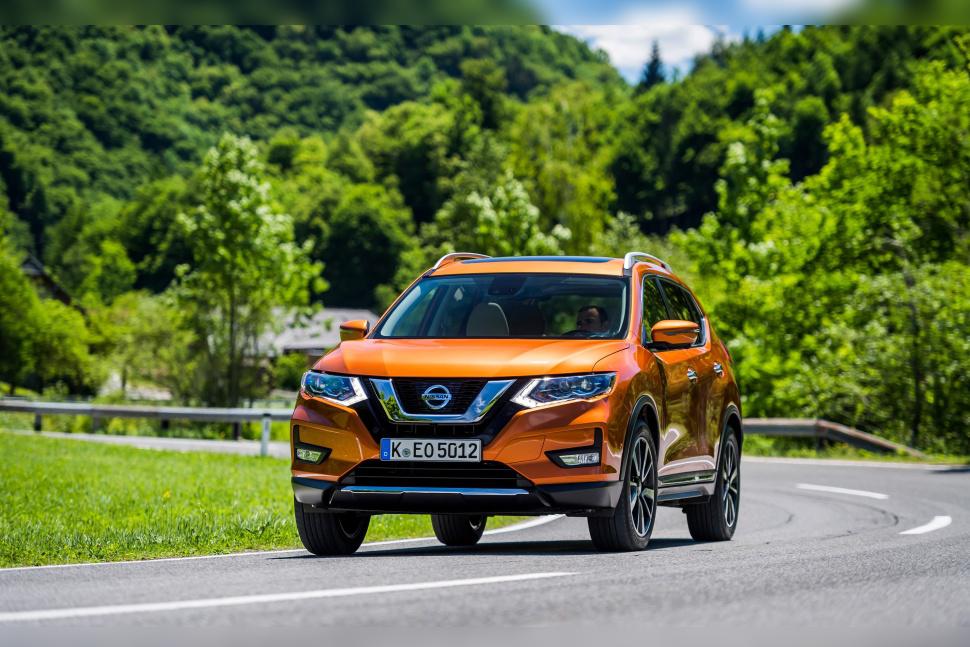
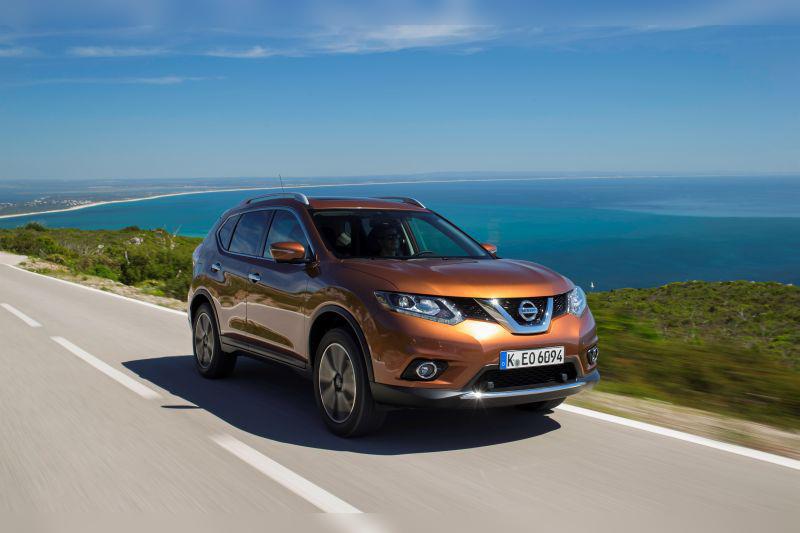
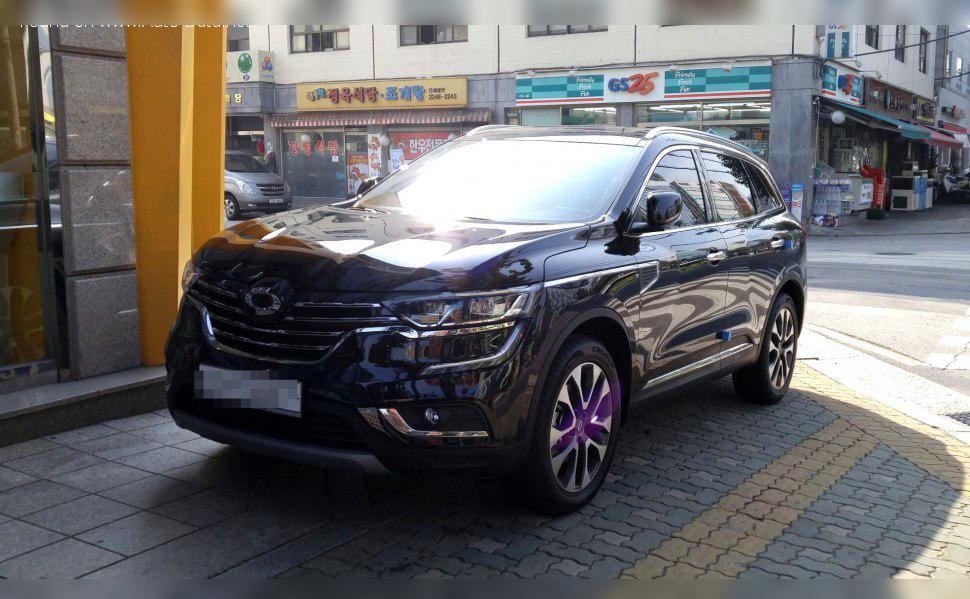
2.0 dCi (M9R) 177 HP – Experiences, Common Problems, Fuel Consumption and Maintenance
Key points in short (TL;DR)
- Timing: Uses a chain instead of a belt, which is very reliable and durable on this engine generation.
- Power: With 177 HP and 380 Nm, this is the best choice for the heavy X-Trail body, especially for towing a trailer.
- Gearbox: The Xtronic (CVT) gearbox requires a specific driving style and regular oil changes – it is not a conventional automatic!
- Emissions: Equipped with a DPF and AdBlue system. It does not like city driving and that can lead to clogging.
- Fuel consumption: Not a low-consumption engine, especially combined with 4x4 and automatic (expect around 9–10L in the city).
- Oil capacity: It takes a huge amount of oil (over 7 liters), which makes a regular minor service more expensive.
- Recommendation: Ideal for open roads and long trips, less suitable as a purely city car.
Contents
- Introduction: About the engine and models
- Technical specifications
- Reliability and maintenance
- Specific Parts and Systems
- Fuel Consumption and Performance
- Gearbox: Xtronic and Manual
- Buying used and Conclusion
Introduction: The return of the diesel king in the X-Trail
The engine we are talking about carries the code M9R. This is a joint product of the Renault-Nissan alliance and is considered one of the most robust 2.0‑liter diesels on the market in the last 15 years. In the Nissan X-Trail (T32) generation, this engine appeared only after the facelift (2017) to fill the gap for buyers who found the 1.6 dCi too weak.
With its 177 horsepower, this unit turns the X-Trail from a sluggish family hauler into a serious SUV capable of confident overtaking and going off the tarmac. However, modern emission standards have brought more complex exhaust after-treatment systems, and pairing it with a specific CVT gearbox introduces certain challenges that future owners need to be aware of.
Technical specifications
| Specification | Data |
|---|---|
| Engine displacement | 1995 cc (2.0 liters) |
| Engine code | M9R (Gen 2 / Euro 6 variants) |
| Power | 130 kW (177 HP) at 3750 rpm |
| Torque | 380 Nm at 2000 rpm |
| Injection type | Common Rail (Piezo injectors) |
| Charging system | Variable geometry turbocharger (VGT) + intercooler |
| Timing drive | Timing chain |
| Emission standard | Euro 6b / Euro 6d-TEMP (with AdBlue) |
Reliability and Maintenance
Timing belt or chain?
The M9R engine uses a timing chain to drive the camshafts. This is one of its strongest points. Unlike some smaller engines, the chain on the 2.0 dCi is extremely robust and rarely causes problems before 250,000 or 300,000 km, provided that the oil has been changed regularly. The symptom of a stretched chain is a metallic rattling noise on cold start that lasts a few seconds. If you hear that, replacement is necessary and not cheap, but fortunately it doesn’t happen often.
Oil: Quantity and intervals
This is where we come to one of this engine’s specific traits. The M9R has a huge oil sump. The engine takes approximately 7.4 liters of oil. This means that a regular minor service will cost significantly more than for an average 2.0 diesel (which usually takes around 4–5 liters).
Recommendation: Use only 5W-30 oil that meets the ACEA C4 standard (because of the DPF filter). Although the manufacturer (Nissan/Renault) often states oil change intervals of 30,000 km, it is strongly recommended to shorten the interval to 10,000 to 15,000 km. Due to the large amount of oil, the engine is well cooled and lubricated, but city driving quickly degrades the oil’s properties.
Oil consumption: This engine is known for not consuming large amounts of oil. Up to 0.5 liters between services (over 10k km) is acceptable. If it consumes more, the problem is usually in the turbocharger or leaks at the oil seals, not in the engine itself (piston rings).
Injectors and fuel injection system
The system uses Bosch Piezo electric injectors. They are precise and quiet, but sensitive to poor fuel quality. Their service life is usually over 200,000 km.
Failure symptoms: Rough idle, harder starting (especially in winter), increased fuel consumption and black smoke under sudden acceleration. Piezo injector refurbishment is possible, but the process is complicated and it is often more cost-effective to buy new or factory-refurbished ones, which falls into the category: expensive (depends on the market).
Specific Parts (Costs)
Turbocharger
The engine uses a single variable geometry turbocharger. The turbo is water-cooled (in most variants of this model year), which extends its service life. Failures are rare and are mostly the result of poor maintenance (old oil) or switching the engine off immediately after hard driving on the motorway. If you hear a siren-like whistling sound, the turbo is nearing the end of its life.
EGR, DPF and AdBlue
This is the “Achilles’ heel” of every modern diesel, including this one.
- DPF Filter: Since the X-Trail is often driven in the city, the DPF can get clogged. The engine has a regeneration system, but if it is driven only on short trips, the warning light will come on. A drive on the motorway usually solves the problem.
- EGR Valve: Prone to soot build-up, which leads to loss of power and jerking. Cleaning is possible.
- AdBlue: Yes, models from 2017 (177 HP) are equipped with an SCR system with AdBlue fluid. The tank is usually located in the boot or next to the fuel filler. Problems can occur with the AdBlue pump heater or the NOx sensor, and these repairs can be very expensive. If the system fails, the car will often refuse to start after a certain number of kilometers until the fault is rectified.
Fuel Consumption and Performance
Is the engine “lazy”?
With 177 HP and 380 Nm, this engine is not lazy. The Nissan X-Trail T32 is a heavy car (especially with 4x4 and a panoramic roof), and the smaller 1.6 dCi struggled under load. The M9R (2.0 dCi) carries this body with ease. In-gear acceleration is convincing and overtaking is safe. The power delivery feels linear, without sudden “kicks” in the back.
Real-world fuel consumption
Do not trust the official figures. The reality is as follows:
- City driving: Expect between 9 and 11 liters/100 km. This is a heavy SUV; the automatic and 4x4 drivetrain take their toll. In winter this can go up to 12 liters.
- Country roads: If you are gentle on the throttle, it is possible to get down to 6.5–7.5 liters.
- Motorway (130 km/h): Consumption is around 8–9 liters. Due to the SUV’s poorer aerodynamics, fuel consumption rises sharply above 120 km/h.
At 130 km/h the engine runs at pleasantly low revs (thanks to the CVT gearbox that simulates a long 7th gear or the manual gearbox), which makes driving quiet and comfortable.
Remapping (Stage 1)
The engine has potential to be “unlocked”. A safe Stage 1 remap can raise power to about 200–210 HP and torque to over 420 Nm. However, be careful if you have the Xtronic (CVT) gearbox. CVT gearboxes are sensitive to high torque, and excessive power increases can shorten the life of the gearbox or the belt inside it. For manual gearboxes this is less of a risk, but the clutch will suffer more.
Gearbox: Manual and Xtronic (CVT)
With the 2.0 dCi 177 HP engine there are two transmission options, and the choice drastically affects the driving experience and running costs:
1. Manual gearbox (6-speed)
A classic, reliable gearbox. It is precise and durable.
Dual-mass flywheel: Yes, the version with the manual gearbox has a dual-mass flywheel. Its lifespan is usually around 150,000–200,000 km, depending on driving style. Replacing the clutch kit together with the flywheel is a costly investment (depends on the market), but this is standard maintenance for all modern diesels.
2. Xtronic (CVT) – The most common choice
Most models with this engine come with the Xtronic gearbox. It is important to understand: this is not a conventional automatic with fixed gears, but a CVT (Continuously Variable Transmission) that simulates 7 gear steps to make the driving feel more natural.
- Reliability: Nissan’s CVT gearboxes (made by Jatco) had a bad reputation in the past. On the model paired with the 2.0 dCi engine, a reinforced version is fitted, which is much more reliable than the one used with smaller petrol engines. Still, it is not indestructible.
- Maintenance: The oil in the CVT gearbox MUST be changed. The recommendation is every 60,000 km. If you do not change the oil, metal shavings will clog the fine channels and the gearbox will start to “jerk”, hesitate or slip.
- Flywheel on the automatic? CVT gearboxes do not have a conventional dual-mass flywheel like manuals, but use a torque converter and a flex plate. This is a cheaper solution and fails less often, but repairing the CVT gearbox itself is extremely expensive (often more expensive than a used engine).
Buying used and Conclusion
Before buying a Nissan X-Trail or Renault Koleos/QM6 with this engine, pay attention to the following:
- Cold start: Listen to the chain. If you hear rattling for longer than 2–3 seconds, the chain needs replacing.
- Test drive (CVT): The gearbox must operate smoothly. Under steady acceleration the revs should not jump up and down without reason. If you smell burning or hear a whining noise from the gearbox, walk away from the deal.
- Diagnostics: Check the DPF filter status (soot loading) and whether there are any faults related to the AdBlue system.
- Oil traces: Look at the intercooler hose joints and around the turbo. A slight “dampness” is normal, but fresh oil is not.
Final verdict
The 2.0 dCi (177 HP) engine is probably the best power unit for the Nissan X-Trail T32 if you are looking for power, safety and towing capability. It is much less stressed and more durable than the 1.6 dCi engine.
Who is it for? Drivers who cover a lot of kilometers on open roads, families who tow a caravan or a boat, and anyone who wants 4x4 with enough power in reserve. If you drive 90% in the city, this engine (and its DPF/AdBlue system) will give you headaches – in that case, consider a petrol version instead.
Was this content useful to you?
Your opinion helps us to improve the quality of the content.