B48B20G Engine
- Engine
- 1998 cm3
- Aspiration
- Twin-power turbo, Intercooler
- Fuel
- Petrol (Gasoline)
- Fuel injection system
- Direct injection
- Power
- 245 hp
- Torque
- 400 Nm
- Cylinders
- 4
- Valves
- 16, 4 per cylinder
- Cylinders position
- Inline
- Valvetrain
- VALVETRONIC, Double-VANOS
- Systems
- Start & Stop System
# Vehicles powered by this engine
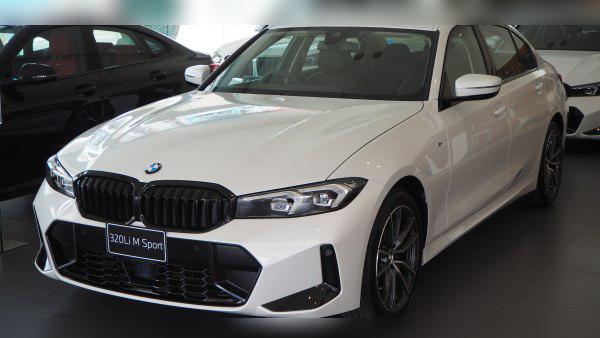
BMW B48B20G (2.0 Turbo) – Experiences, Problems, Fuel Consumption and Maintenance
Most important in short (TL;DR):
- Excellent balance of power and fuel economy: With 245 hp and 400 Nm, this is probably the best 2.0 turbo engine in its class.
- Cooling system is the weak point: Plastic hoses, the oil filter housing and the water pump are prone to leaks after 100,000 km.
- The timing chain is at the back: The timing chain is located towards the cabin (flywheel side), which makes any replacement very expensive (engine removal required), but it is more durable than on the older N20 engines.
- ZF 8HP gearbox: The automatic transmission is phenomenal, fast and reliable, but it does require oil changes even though the factory says it doesn’t.
- GPF filter: Newer models (LCI) have a gasoline particulate filter that does not like short city trips.
- Not suitable for LPG: Due to direct injection, LPG installation is expensive and not cost‑effective.
- Recommendation: Worth buying, but be sure to check the cooling system and the engine oil service history.
Contents:
- Technical specifications
- Reliability and Maintenance
- Specific Parts and Costs
- Fuel Consumption and Performance
- Additional Options and Modifications
- Transmission
- Buying Used and Conclusion
BMW’s B48B20G is a modern four‑cylinder turbo petrol engine that belongs to the modular “B” engine family. The specific code you mentioned is most often associated with the G28 LCI model, which is the long‑wheelbase version of the 3 Series, very popular in Asian markets, but the mechanics and maintenance logic are practically identical for almost all 330i models of the G20 generation worldwide. This engine has corrected many of the flaws of its predecessor (N20) and is considered one of the most reliable modern BMW powerplants, provided it is maintained meticulously.
Technical specifications
| Parameter | Value |
|---|---|
| Displacement | 1998 cc (2.0 L) |
| Power | 180 kW (245 hp) |
| Torque | 400 Nm |
| Engine code | B48B20G (variant of the B48 family) |
| Injection type | Direct injection (High Precision Injection) |
| Induction | TwinPower Turbo (single turbo with twin‑scroll technology) |
| Emission standard | Euro 6d (with GPF filter) |
Reliability and Maintenance
Does this engine have a timing belt or a chain?
The engine uses a timing chain. What you need to know is that on the B48 engines (as well as on the B47 diesels) BMW placed the chain on the rear side of the engine, towards the gearbox and the cabin. Although the system is significantly more robust than on the notorious N47/N20 engines, if it needs to be replaced (rattling, stretching), the engine or gearbox has to come out. This drastically increases labour costs.
What are the most common failures on this engine?
The biggest enemy of the B48 engine is not the internal mechanics, but the plastic around it.
1. Coolant leaks: This is problem number one. The “vent line” hose that runs from the cylinder head to the expansion tank often cracks. Also, the oil filter housing (integrated with the oil cooler) is made of plastic and over time can fail, mixing oil and coolant or leaking externally.
2. Water pump: It is mechanical, but prone to leaking at the seal after 100,000 km.
3. VANOS solenoids: They can get clogged by poor‑quality oil, which leads to rough running and loss of power.
At what mileage is a “major service” done?
Since it has a chain, there is no classic “major service” as with a belt. The chain is replaced as needed, usually when it starts to make noise (metallic rattle on cold start). In practice, on B48 engines the chain often lasts well over 200,000 km with regular oil changes. The auxiliary (serpentine) belt, tensioners and water pump should be inspected around 100,000–120,000 km.
How many litres of oil does this engine take and which grade is recommended?
The engine takes approximately 5.25 to 5.75 litres of oil (depending on whether it is xDrive or rear‑wheel drive, due to the shape of the oil pan). The recommended grade is 0W‑20 (for newer models for fuel economy reasons) or 5W‑30. Always look for the specification BMW Longlife‑17 FE+ or BMW Longlife‑04.
Tip: Do not change the oil every 30,000 km as the on‑board computer suggests. Reduce the interval to a maximum of 10,000–15,000 km.
Does it consume oil between services?
The B48 is a “tight” engine. Consumption of up to 0.5 litres per 10,000 km is acceptable. If it uses more than 1 litre between services, this points to a problem with the PCV valve (which is integrated into the valve cover, so the entire cover is replaced) or to leaks at the turbo/seals.
At what mileage should the spark plugs be replaced?
On direct‑injection turbo engines, spark plugs are under heavy load. It is recommended to replace them every 40,000 to 60,000 km. If the engine is tuned (remapped), the interval should be reduced to 20,000–30,000 km.
Specific Parts (Costs)
Does this engine have a dual‑mass flywheel?
Since your car is an automatic (Steptronic), it does not have a conventional dual‑mass flywheel that is replaced as a wear item like on manual gearboxes. It has a flexplate that connects the engine and the torque converter. This is a long‑lasting solution and very rarely fails.
What kind of injection system does it have and are the injectors problematic?
It uses direct fuel injection under high pressure. The injectors are piezo‑electric. They are generally reliable, but sensitive to poor fuel quality. Symptoms of a bad injector are misfiring on cold start and a strong smell of raw petrol from the exhaust. A single injector is expensive (price depends on the market, but expect a serious cost).
Does this engine have a turbocharger and what is its lifespan like?
It has a single turbocharger, but uses twin‑scroll technology (two exhaust gas channels feeding the turbine). The name “TwinPower Turbo” is a marketing term, it is not a biturbo. Lifespan is excellent, often exceeding 200,000 km with proper cool‑down after spirited driving. The electronic actuator (wastegate) can sometimes fail before the turbo itself.
Does this model have a DPF filter or an EGR valve?
Petrol engines do not have a DPF, but this model (model year 2022) definitely has a GPF (Gasoline Particulate Filter), which is the petrol equivalent of a DPF. It also has an EGR system. The GPF rarely clogs if the car is driven on open roads, but frequent short city trips can trigger a warning light. There is no AdBlue (that is only for diesel engines).
Fuel Consumption and Performance
What is the real‑world fuel consumption in city driving?
Given that the G28 (Long) has a heavier body, you can expect in the city between 9.5 and 12 l/100 km, depending on traffic and how heavy your right foot is. It is not a low‑consumption engine in stop‑and‑go conditions.
Is this engine “lazy” for the weight of the car?
Absolutely not. With 400 Nm available from as low as 1550 rpm, the car pulls very strongly. The 0–100 km/h time is about 6 seconds, which is quicker than most cars on the road. The driving feel is agile and turbo lag is minimal.
How does the engine behave on the motorway?
This is its natural habitat. Thanks to the 8‑speed gearbox, at 130 km/h the engine spins at a low 1800–2000 rpm. This results in a quiet cabin and fuel consumption of around 6.5 to 7.5 l/100 km.
Additional Options and Modifications
Is this engine suitable for LPG conversion?
It is not recommended. Due to direct injection, expensive systems are required (such as liquid‑phase systems or setups that use both petrol and LPG at the same time to cool the injectors). Installation is very expensive (often over 1000–1500 EUR), and the cost‑effectiveness is questionable unless you cover very high mileages.
How far can this engine be safely tuned (Stage 1)?
The B48 is a favourite among tuners. A Stage 1 remap can safely raise power to about 290–300 hp and torque to 450–470 Nm without any mechanical changes. The engine and gearbox can handle this without issues, provided the service intervals are shortened.
Note: On 2022 (LCI) models, the ECU is often “locked” by the factory, so it has to be physically unlocked (opened and modified) before tuning, which adds extra cost.
Transmission
Which gearbox is used?
This engine is paired exclusively with the ZF 8HP (8‑speed automatic with torque converter). This is currently probably the best automatic transmission in mass‑produced cars.
What are the most common automatic transmission issues?
Failures are rare. The most common issue is oil leakage from the transmission pan (which is plastic and is replaced as a complete unit with the filter). If the gearbox “jerks” when shifting from 1st to 2nd or when coming to a stop, it usually only needs a software update or an oil change.
Clutch replacement cost?
As mentioned, there is no conventional clutch. Torque converter overhauls are only done at very high mileage (over 250,000–300,000 km) or in case of neglect, and this is a costly repair (depends on the workshop, but it falls into the higher‑cost category).
At what mileage should the transmission be serviced?
BMW claims the oil is “lifetime”. Do not believe that. The transmission manufacturer (ZF) recommends changing the oil and pan with filter every 80,000 to 120,000 km or every 8 years. This drastically extends the life of the gearbox.
Buying Used and Conclusion
Before buying a BMW with the B48B20G engine, pay attention to:
- White residue under the bonnet: Look around the coolant reservoir and hoses – white traces are dried antifreeze and a sign of leaks.
- Cold start: The engine should run smoothly as soon as the revs drop. Chain rattle lasting longer than 2–3 seconds on startup is a bad sign.
- Service history: If the oil was changed every 30,000 km, be cautious (sludge in the engine, chain condition).
Conclusion: The B48B20G in the G28 body is a fantastic blend of luxury and performance. It offers the power of the old straight‑sixes with less weight and better fuel economy. If you are willing to proactively replace the plastic components of the cooling system and change the oil regularly, this engine will serve you for hundreds of thousands of kilometres. It is not the cheapest to maintain, but it delivers a top‑tier driving experience.
Was this content useful to you?
Your opinion helps us to improve the quality of the content.