B48B20O2 Engine
- Engine
- 1998 cm3
- Aspiration
- Twin-power turbo, Intercooler
- Fuel
- Petrol (Gasoline)
- Fuel injection system
- Direct injection and Multi-port manifold injection
- Power
- 255 hp
- Torque
- 400 Nm
- Cylinders
- 4
- Valves
- 16, 4 per cylinder
- Cylinders position
- Inline
- Valvetrain
- VALVETRONIC, Double-VANOS
- Oil capacity
- 5.25 l
- Systems
- Start & Stop System
# Vehicles powered by this engine
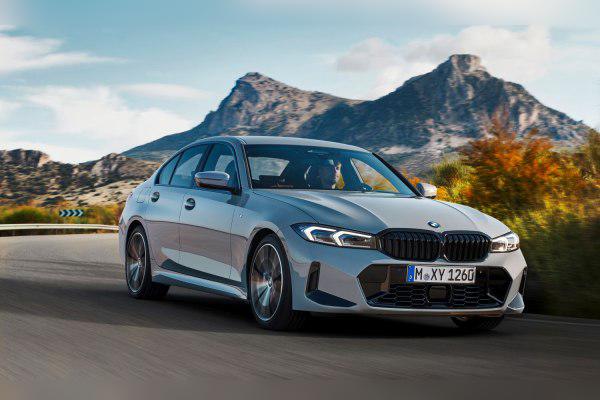
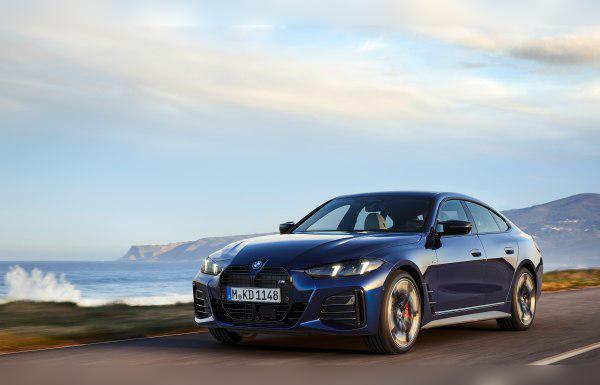
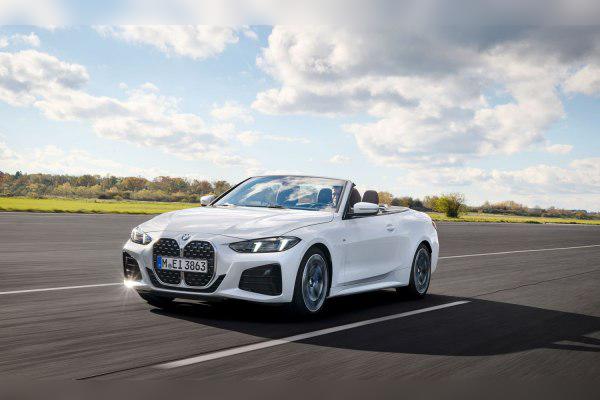
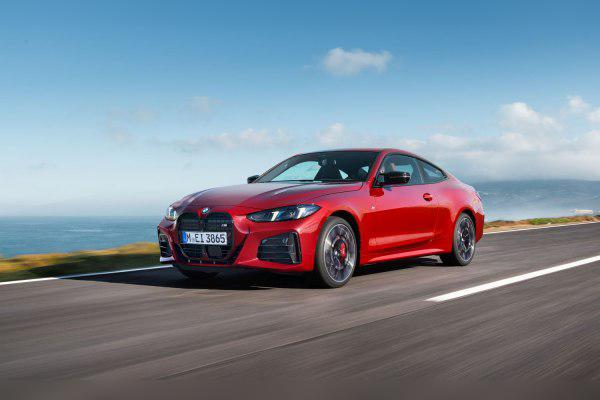
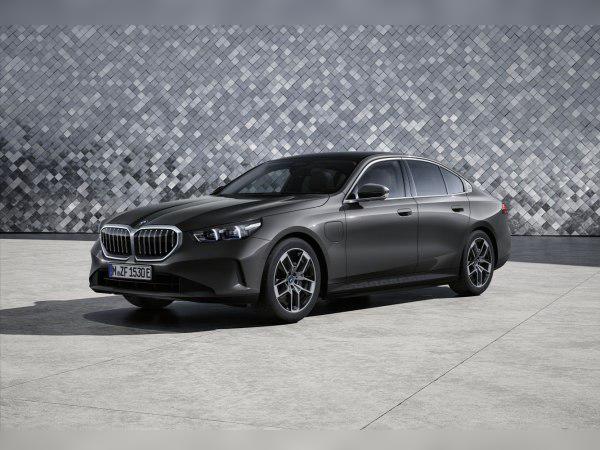
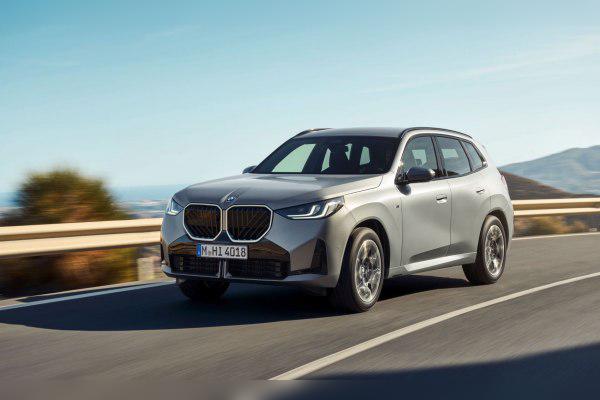
BMW B48B20O2 (2.0 Turbo 255 HP) – Experiences, issues, fuel consumption and buying tips
If you’re looking for the perfect balance between performance and efficiency in the modern BMW lineup, you’re probably looking right at the engine with the code B48B20O2. This is the heart of the models badged 30i in the latest generations (LCI versions of the G20, G22, as well as the new G60 5 Series). It’s a 2.0‑liter turbo petrol engine that inherits the legendary reputation of older models, while bringing modern Mild Hybrid technology.
As someone who has spent years both under the hood and behind the wheel of Bavarian machines, I can tell you this is one of the most complete engines of today. Still, it’s not without flaws, and maintaining modern technology requires a specific approach and does not tolerate neglect. Below is a detailed analysis.
Key points in short (TL;DR)
- Performance: 255 HP is the “sweet spot” – the engine is explosive, yet consumes significantly less than the 6‑cylinder versions.
- Timing drive: The chain is located at the rear of the engine (towards the cabin), which makes any potential replacement very expensive (the engine has to be removed).
- Cooling system: The weakest point. Oil filter housings and hoses are prone to cracking and coolant leaks.
- Mild Hybrid (48V): Improves the start‑stop system and reduces fuel consumption, but adds complexity and more expensive components (separate battery and generator).
- Oil: Requires strict oil changes every 10,000–15,000 km. Long‑life intervals of 30,000 km are a death sentence for this engine in the long run.
- Gearbox: Comes exclusively with the ZF 8‑speed automatic, which is probably the best transmission on the market, provided you change the oil.
- Recommendation: An excellent buy for those who want sporty performance without the registration costs and fuel consumption of a 3.0 engine.
Contents
- Technical specifications
- Reliability and maintenance
- Specific parts and costs
- Fuel consumption and performance
- Additional options and modifications
- Gearbox
- Conclusion and buying advice
Technical specifications
| Specification | Data |
|---|---|
| Engine name | B48B20O2 |
| Displacement | 1998 cc (2.0 L) |
| Configuration | Inline 4‑cylinder (R4) |
| Power | 190 kW (255 HP) at 5000–6500 rpm |
| Torque | 400 Nm at 1550–4400 rpm |
| Induction | TwinPower Turbo (Twin‑Scroll) + Intercooler |
| Injection | Direct injection (High Precision Injection) |
| Hybrid system | 48V Mild Hybrid |
| Emission standard | Euro 6d / Euro 6e (depending on model year) |
Reliability and maintenance
Does this engine have a timing belt or a chain?
The B48B20O2 engine uses a timing chain. This is important to know because the chain is located at the rear of the engine (towards the firewall and cabin), an engineering solution borrowed from its diesel sibling (B47). Although the chain on B48 engines is much more reliable than on the notorious N20 predecessors, it is not eternal.
Symptoms of problems: If you hear rattling or a “rustling” noise at cold start that doesn’t disappear after a few seconds, that’s a red flag. Due to the chain’s position, replacement requires removing the engine from the car, which makes this job very expensive (labor hours are the main cost here). Expected lifespan is over 200,000 km with regular oil changes, but neglect can shorten it to under 100,000 km.
What are the most common failures on this engine?
Although the B48 is generally reliable, the B48B20O2 variant has a few known “weak spots”:
- Cooling system: This is the Achilles’ heel. Plastic hoses, flanges and the water pump housing are prone to cracking due to thermal cycles (heating‑cooling). Symptom: Coolant loss, a sweet smell under the hood or puddles under the car.
- Oil filter housing: It’s made of plastic and often cracks or deforms, which can lead to oil and coolant mixing or oil leaks. This is an urgent repair.
- VANOS solenoids: The variable valve timing system is sensitive to dirty oil. Failure manifests as rough idle, loss of power and a “Check Engine” light.
- Carbon buildup: As a direct‑injection engine, the valves are not washed by fuel. Over time, carbon deposits build up on the intake valves, which can lead to poorer throttle response.
At what mileage should the “major service” be done?
On chain‑driven engines there is no classic “major service” at a fixed mileage like with a belt. However, preventive replacement of the chain, guides and tensioner is recommended between 180,000 and 200,000 km, or earlier if noise appears. At this mileage you should also check the water pump and thermostat module.
How many liters of oil does this engine take and which viscosity is recommended?
The engine takes approximately 5.25 to 5.75 liters of oil (always check the exact amount by VIN, as sumps can vary on xDrive models). The recommended viscosity is 0W‑20 or 5W‑30 with the BMW Longlife‑17 FE+ specification.
Editor’s tip: Due to the high operating temperatures of this engine, 5W‑30 is often a better choice for summer conditions and more spirited driving than the “water‑like” 0W‑20, which primarily serves to save fuel.
Does it consume oil between services and what amount is considered normal?
A healthy B48 engine should not consume a significant amount of oil. Consumption of up to 0.5 liters per 10,000 km is acceptable. If you have to top up a liter every 2–3 thousand kilometers, this points to an issue with the PCV valve (which is integrated into the valve cover and often requires replacing the entire cover) or, in a worse case, a problem with piston rings or the turbocharger.
At what mileage should the spark plugs be replaced?
Due to direct injection and turbocharging, the spark plugs are under heavy stress. It’s recommended to replace them every 40,000 to 60,000 km. If the engine is chipped (tuned), this interval should be halved. Worn spark plugs can lead to coil failure, which are also consumable parts on these engines.
Specific parts (costs)
Does the engine have a dual‑mass flywheel?
In the listed models (G20, G22, G60), this engine is supplied exclusively with an automatic transmission. Automatics do not have a classic dual‑mass flywheel like manuals, but use a torque converter. However, there is a vibration damper on the flexplate that serves a similar purpose. Failures of this part are extremely rare, unlike classic dual‑mass flywheels on diesel engines with manual gearboxes.
What kind of injection system does it have and are the injectors problematic?
It uses an advanced high‑pressure direct injection system (High Precision Injection) operating at pressures up to 350 bar. The piezo injectors are precise but expensive (depending on the market, but think “expensive” category). They are not prone to frequent failure if quality fuel is used, but they are sensitive to contamination. Symptoms of a bad injector include fuel “dripping” into the cylinder (which can wash oil off the cylinder walls) and black smoke from the exhaust.
Does the engine have a turbocharger (or two) and what is their lifespan like?
Although BMW uses the marketing name “TwinPower Turbo”, this engine has a single turbocharger with Twin‑Scroll technology (two exhaust gas channels leading to the turbine). This reduces turbo lag. The turbo’s lifespan is usually over 200,000 km with regular oil changes and, most importantly, letting the engine cool for a minute or two before shutting it off after fast driving. The most common issue is not the turbo itself, but the electronic actuator (wastegate), which can stick.
Does this model have a DPF filter or an EGR valve that often clogs?
Being a petrol engine, it doesn’t have a DPF, but newer models for the European market (including this B48B20O2) do have a GPF (Gasoline Particulate Filter), the petrol equivalent of a DPF, also known as OPF. It rarely clogs because exhaust gas temperatures on petrol engines are higher, but it does mute the engine sound. An EGR valve is present, but it gets much less dirty than on diesels and rarely causes issues before high mileages.
Does this engine use AdBlue?
No. AdBlue is used exclusively on diesel engines to reduce NOx emissions. This is a petrol engine and does not use any additional exhaust treatment fluids.
Fuel consumption and performance
What is the real‑world fuel consumption in city driving?
The 48V mild‑hybrid system plays a major role here, as it assists when setting off and allows the engine to shut off while coasting.
- City (moderate traffic): 8.5–9.5 l/100 km.
- City (rush hour/stop‑and‑go): 10.0–12.0 l/100 km.
- Spirited driving: Easily exceeds 13 l/100 km.
Is this engine “lazy” for the weight of the cars it’s installed in?
Absolutely not. With 400 Nm of torque available from just 1550 rpm, this engine behaves as if it had a larger displacement. In the 3 Series (G20) and 4 Series (G22/G26), 0–100 km/h takes around 5.8–6.0 seconds, which is a serious sports‑car figure. Even in the heavier 5 Series (G60) or X3, the engine moves the body with ease, although in the X3 under full load you can feel it “working overtime” compared to the 3.0 engines.
What is it like on the motorway and at what rpm does it cruise at 130 km/h?
This is the engine’s natural habitat. Thanks to the 8‑speed gearbox, at 130 km/h the engine spins at a low 1800–2000 rpm (depending on drive mode). This means the cabin is quiet, and highway fuel consumption can drop to an impressive 5.5–6.5 l/100 km. Overtaking is easy because the gearbox instantly drops gears and the turbo is always ready.
Additional options and modifications
Is this engine suitable for LPG (autogas) conversion?
Technically it’s possible, but economically questionable. Due to direct injection, a special LPG system is required (so‑called liquid phase or a system that also doses petrol for injector cooling). Such systems are very expensive (often over 1000–1500 EUR) and complicated to install. On top of that, you lose boot space (which is sometimes already reduced on hybrids). My recommendation: do not install LPG on this engine.
How far can this engine be safely “chipped” (Stage 1)?
B48 engines are known for their great tuning potential. Since this is the “O2” version, which already has high stock power, the headroom is smaller than on the weaker 20i models, but it’s still there.
Stage 1 (software only): You can safely get around 290–300 HP and 450–470 Nm.
Warning: New BMW models (produced after June 2020) often have locked ECUs (Bosch MG1) that are difficult or impossible to unlock without sending them to specialized workshops abroad. Also, chipping voids the factory warranty.
Gearbox
Which manual and automatic gearboxes are offered with this engine?
In the models listed in the specs (G20 LCI, G60, etc.), a manual gearbox is not available as an option. All of them come paired with the fantastic ZF 8HP (Steptronic) 8‑speed automatic transmission. In mild‑hybrid versions, the electric motor can be integrated into the gearbox housing (on newer generations) or connected via a belt, which further smooths out gear changes.
What are the most common automatic gearbox issues?
The ZF 8HP is considered the best gearbox in the world in this class. Failures are rare, but possible:
- Oil leaks: The plastic transmission pan can deform and start leaking.
- Mechatronics: If the oil is not changed, the channels in the mechatronic unit can clog, leading to harsh shifts or delays.
- Solenoids: They can fail at high mileages.
At what mileage should the gearbox be serviced and the oil changed?
BMW often states that the transmission oil is “lifetime”. Do not believe this! The gearbox manufacturer (ZF) strictly recommends changing the oil and filter (pan) every 80,000 to 100,000 km. If you drive aggressively or mostly in the city, shorten this to 60,000 km. Changing the oil preserves the gearbox and prevents costly failures. The service cost falls into the “moderately expensive” category, but it is many times cheaper than a gearbox rebuild.
Used‑car buying guide and conclusion
What to check before buying?
- Cold start: The engine must be completely cold. Listen for the chain (rattling from the rear) and turbo (whistling).
- Signs of leaks: Look around the oil filter housing and under the water pump. White residue is a sign of dried coolant.
- Service history: If the oil was changed every 30,000 km, be cautious. Look for a car whose owner changed the oil more frequently (every 10–15 thousand km).
- Diagnostics: Check the condition of the mild‑hybrid battery and system, as repairs on the 48V system are expensive.
Conclusion: The BMW B48B20O2 is an outstanding piece of engineering. It offers performance that used to be reserved for sports cars, while consuming fuel like an average family hatchback. It’s ideal for drivers who want a premium feel, strong overtaking ability and quiet motorway cruising, but are not willing to pay the registration and maintenance costs of a 3.0 (B58) engine. If you find a car that has been regularly maintained (and not on a “Long Life” schedule), it will serve you for years with minimal issues.
Was this content useful to you?
Your opinion helps us to improve the quality of the content.