B57D30B Engine
- Engine
- 2993 cm3
- Aspiration
- Twin-power turbo, Intercooler
- Fuel
- Diesel
- Fuel injection system
- Diesel Commonrail
- Power
- 286 hp @ 4000 rpm
- Torque
- 650 Nm
- Cylinders
- 6
- Valves
- 24, 4 per cylinder
- Cylinders position
- Inline
- Valvetrain
- DOHC
- Oil capacity
- 7 l
- Coolant
- 10.6 l
- Systems
- Start & Stop System, Particulate filter
# Vehicles powered by this engine
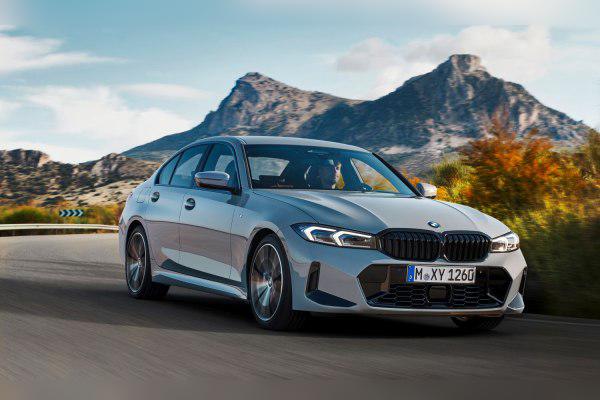
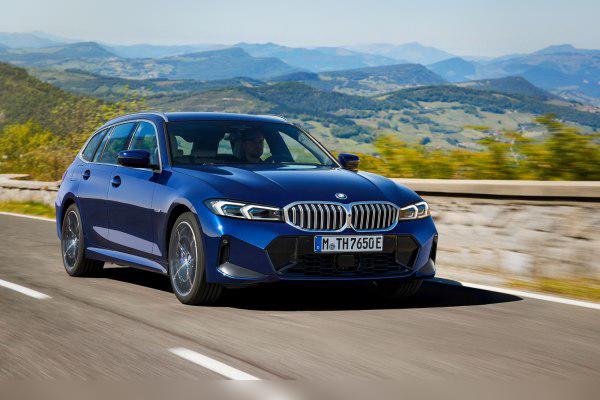
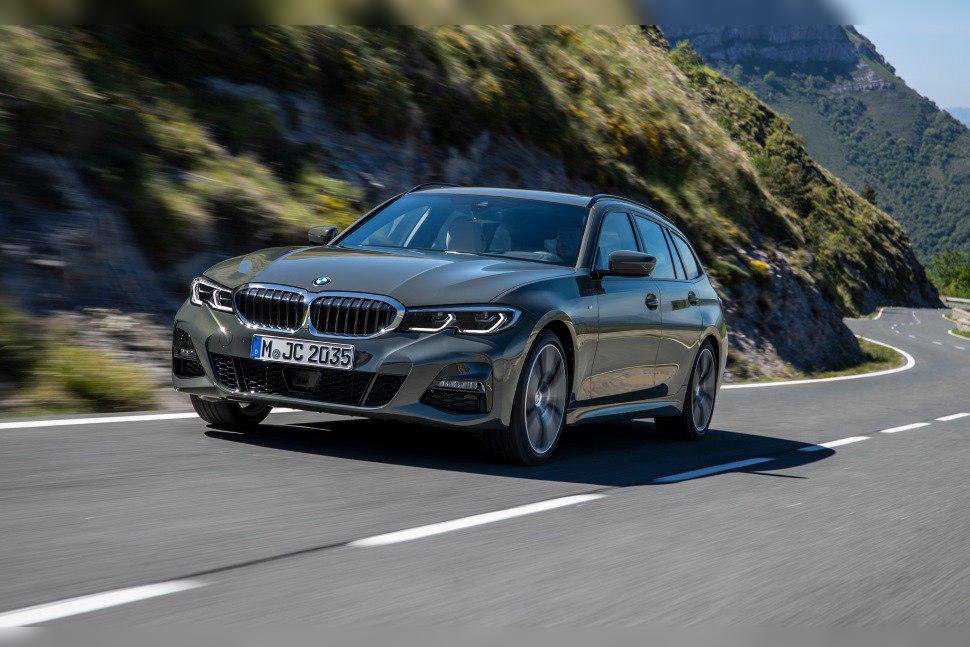
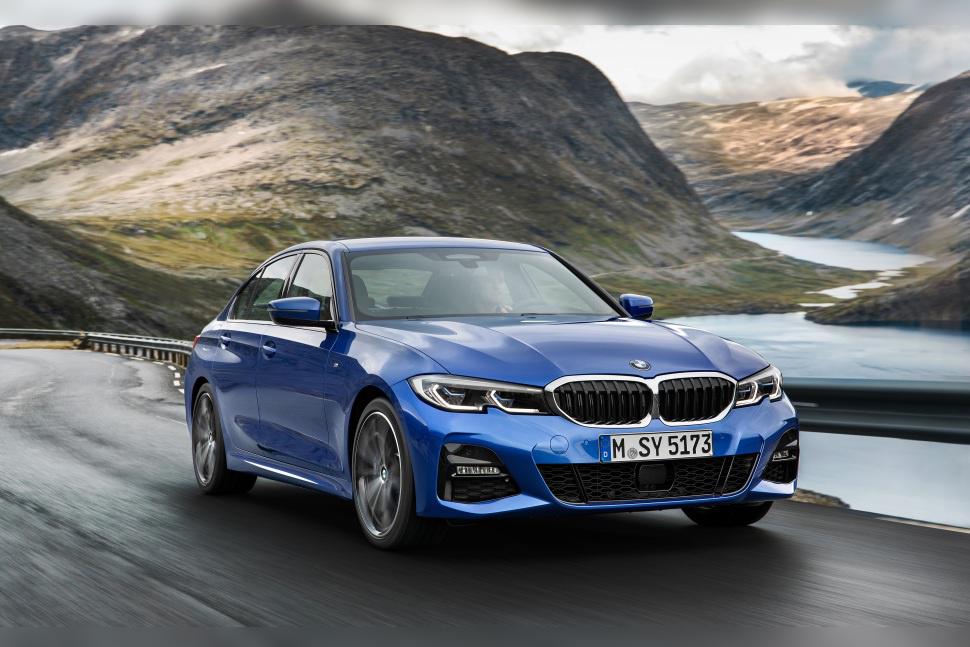
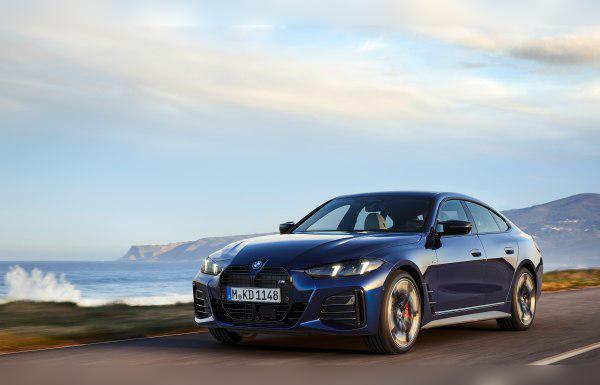

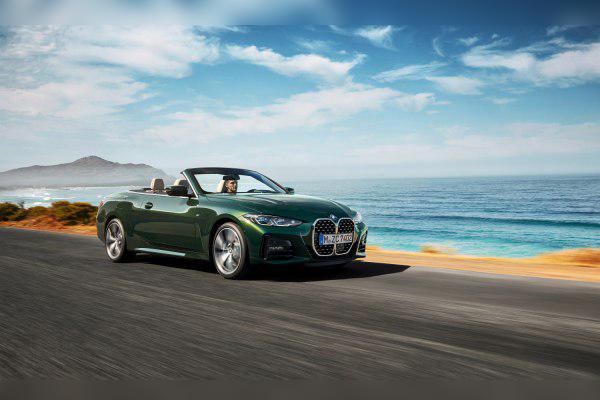
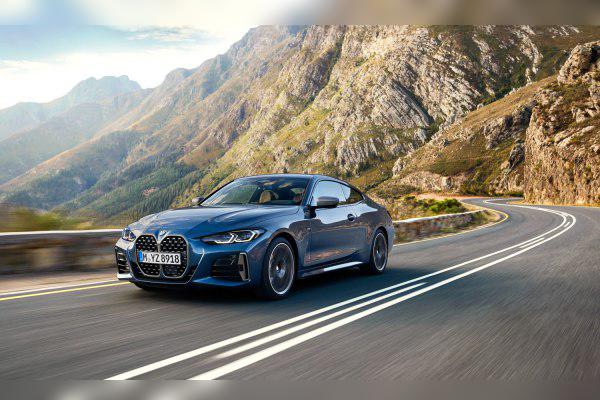

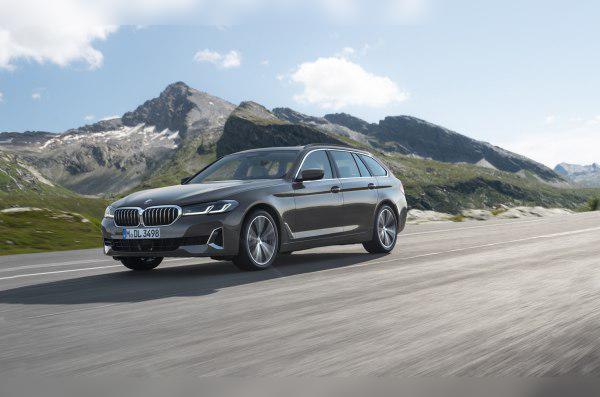
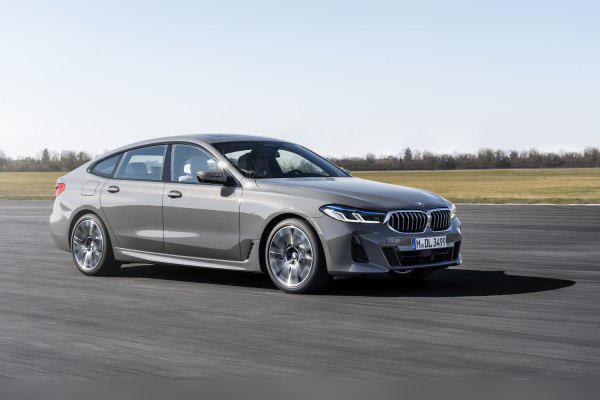
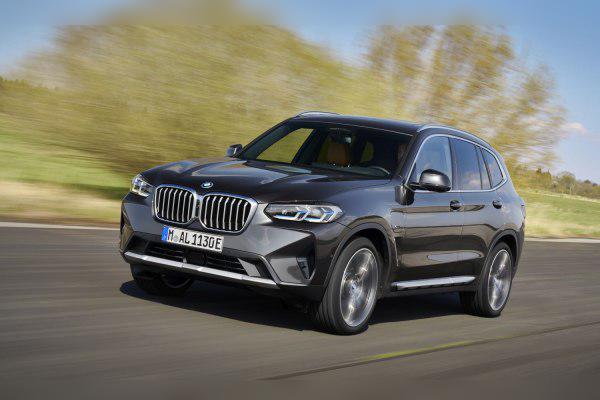




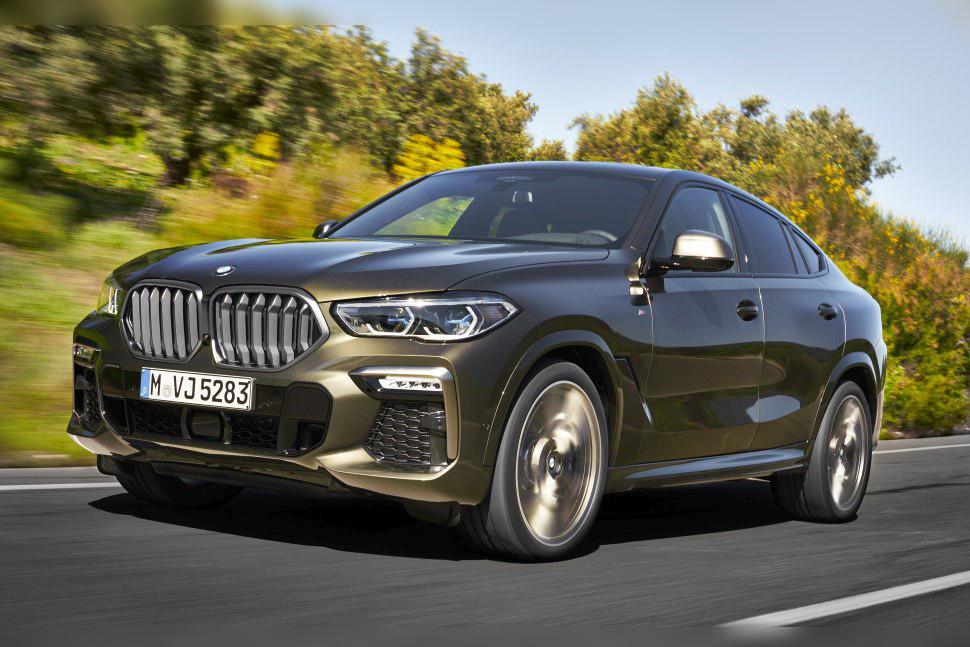
B57D30B (3.0d MHEV): Experiences, Issues, Fuel Consumption and Maintenance
Key points (TL;DR)
- Engine: Inline six-cylinder diesel, one of the best engines in the modern automotive industry.
- Power: 286 hp and a massive 650 Nm of torque provide sporty performance with low fuel consumption.
- Technology: Mild Hybrid (48V) system improves the start-stop function and reduces turbo lag, but adds complexity.
- Reliability: Very high, the timing chain is robust, but the EGR cooler remains a weak point (as with its predecessors).
- Gearbox: Comes exclusively with the ZF 8-speed automatic, which is a benchmark for quality.
- Maintenance: Requires high-quality oil and regular gearbox servicing; parts are expensive (depends on the market).
- Recommendation: Ideal for highway driving and heavier bodies (X5, X6, 5 Series/7 Series).
Contents
- Introduction and Models
- Technical Specifications
- Reliability and Maintenance
- Specific Parts and Costs
- Fuel Consumption and Performance
- Additional Options and Tuning
- Gearbox
- Buying Used and Conclusion
Introduction: BMW’s “Gold Standard” of Diesels
The B57D30B engine with 286 hp is an evolution of the famous B57 series. This is not a “regular” diesel, but a sophisticated unit equipped with Mild Hybrid (MHEV) 48-volt technology. It is installed in a wide range of BMW models after 2020 (LCI models and new generations), from the 3 Series to the massive X6.
Why is this engine important? Because it is probably the last major evolutionary step in diesel technology before full electrification. It combines a multi-turbo system (TwinPower Turbo) with electric assistance in order to meet strict Euro 6d standards, without the driver feeling any loss of power – quite the opposite.
Technical Specifications
| Parameter | Value |
|---|---|
| Engine code | B57D30B |
| Displacement | 2993 cc (3.0 liters) |
| Configuration | Inline six (R6) |
| Power | 210 kW (286 hp) |
| Torque | 650 Nm at 1500–2500 rpm |
| Injection type | Common Rail (Piezo injectors, up to 2700 bar) |
| Charging system | Multi-stage turbo (two turbochargers) + 48V Mild Hybrid |
| Camshaft drive | Timing chain (at the rear of the engine) |
Reliability and Maintenance
Does this engine have a timing belt or a chain?
The engine uses a timing chain. The timing system is located at the rear of the engine (towards the gearbox/firewall). This is important to know because, although the chain on B57 engines is significantly more durable than on the notorious N47/N57 predecessors, any intervention on it requires removing the engine from the car. This means that the price of parts is high, and the labor cost is very high (depends on the market). Fortunately, chain problems before 200,000 km are rare on this version of the engine with regular maintenance.
What are the most common issues with this engine?
Although reliable, the B57D30B has a few characteristic issues:
- EGR cooler: BMW has had a long-running “battle” with coolant (antifreeze) leaks into the EGR cooler. This can lead to a mixture of soot and moisture, creating deposits that in extreme cases can cause a thermal incident (intake manifold fire). Most of these vehicles are covered by a recall, so make sure this has been done.
- Carbon buildup: Like every modern diesel with direct injection, the intake manifold and ports in the cylinder head are prone to soot deposits, especially if the car is used mainly for city driving. Symptoms include rougher running and loss of throttle response.
- Exhaust gas pressure sensors: They can send incorrect data to the ECU, which leads to problems with DPF regeneration.
At what mileage is the major service done?
For chain-driven engines there is no classic “major service” at a fixed interval as with belts. The chain is replaced as needed – when rattling is heard (especially on cold start). In practice, preventive chain replacement is often done between 200,000 and 250,000 km. The auxiliary belt, tensioners and water pump should be inspected and replaced at around 100,000–150,000 km.
How many liters of oil does this engine take and which grade is recommended?
The B57D30B takes approximately 6.5 liters of engine oil. The recommended grade is 0W-30 or 5W-30 with the mandatory BMW Longlife-04 (LL04) specification.
Mechanic’s tip: Although BMW recommends a service interval of 30,000 km (CBS system), for the longevity of the chain and turbos, change the oil every 10,000 to 15,000 km at most.
Does it consume oil between services?
A healthy B57 engine should not consume a significant amount of oil. Consumption of up to 0.5L per 10,000 km is considered acceptable and is often unnoticeable on the (electronic) gauge. If the engine needs a liter of oil every 2,000 km, this indicates a problem with the piston rings, PCV valve (oil separator) or turbochargers.
How long do the injectors last and how reliable are they?
This engine uses advanced Piezo injectors that operate at extremely high pressures (up to 2500–2700 bar). They are very precise and efficient. The expected service life is over 200,000 km with good-quality fuel. Symptoms of faulty injectors include smoke under full throttle, rough idle or difficult starting. Overhauling Piezo injectors is often difficult or impossible, so they are usually replaced with new or factory-refurbished units, which is very expensive (depends on the market).
Specific Parts (Costs)
Does the engine have a dual-mass flywheel?
Since this engine in the mentioned models (G20, G30, X5, etc.) is paired exclusively with an automatic gearbox, it does not have a classic dual-mass flywheel as in manual gearboxes, which is a wear item.
However, the automatic gearbox has a torque converter and there are vibration dampers within the system. These components are far more durable than a dual-mass flywheel on a manual gearbox and are rarely replaced before a full gearbox overhaul.
Does this engine have a turbocharger (or two)?
The 286 hp version (B57D30B) uses two turbochargers in a sequential layout (multi-stage turbocharging). There is a smaller high-pressure turbo with variable geometry for quick response at low revs and a larger low-pressure turbo for power at higher revs.
This system eliminates turbo lag, but it also means you have two turbos that can fail. Still, the turbos on the B57 have proven to be very durable with regular oil changes. Overhauling is possible, but removal and refitting are complex.
Does this model have a DPF filter or EGR valve?
Yes, it has both a DPF (diesel particulate filter) and an EGR (exhaust gas recirculation valve), as well as an SCR catalyst.
- EGR: As mentioned, the EGR cooler is a critical point. The valve itself can get clogged from city driving.
- DPF: If you mostly drive on open roads, the DPF can last well over 300,000 km. City driving clogs it quickly. Replacement is very expensive (depends on the market), while professional cleaning is a cheaper option.
Does this engine have an AdBlue system?
Yes, all models with this engine (Euro 6d standard) use AdBlue fluid to reduce NOx emissions.
Issues: The system is sensitive. Common failures include the heater in the AdBlue tank or the pump. Also, if the car is driven rarely, AdBlue can crystallize and clog the dosing injector. Regular maintenance only involves topping up the fluid, but system repairs are expensive.
Fuel Consumption and Performance
What is the real fuel consumption in city driving?
Thanks to the Mild Hybrid system (48V starter-generator assisting when moving off), fuel consumption is surprisingly low for a 3.0 engine.
- 3 Series (G20/G21): 7.5–9.0 l/100 km.
- 5 Series (G30/G31): 8.0–9.5 l/100 km.
- X5 / X6 (G05/G06): 9.5–11.5 l/100 km (due to weight and aerodynamics).
Is this engine “lazy” for the weight of the car?
Absolutely not. With 650 Nm of torque available from just 1500 rpm, this engine really pulls hard. Even in a heavy BMW X5, 0–100 km/h is under 6 seconds (around 5.5 s for the 3 Series). The driving feel is one of power dominance – overtakes are a matter of a split-second decision, without needing to “build up speed”.
How does the engine perform on the highway?
This is the natural habitat of this engine. At 130 km/h in 8th gear, the engine is spinning at an extremely low 1600–1800 rpm (depending on the model and differential). This results in fuel consumption of about 6.0–7.0 liters on the open road, giving it a range of over 1000 km on a single tank. The engine is quiet, refined and free of vibrations.
Additional Options and Modifications
How far can this engine be safely tuned (Stage 1)?
The B57D30B has huge potential. A Stage 1 remap usually raises power to a safe 330–340 hp and torque to around 720–750 Nm.
Note for MHEV: The presence of the 48V system requires a tuner who knows what they are doing, because the electric motor assists the engine. The gearbox (ZF 8HP) can easily handle this power increase (it is rated at around 700–750 Nm, but can tolerate more in peaks). Still, keep in mind that tuning voids the factory warranty and accelerates DPF wear.
Gearbox
Which gearboxes are fitted?
With this engine (286 hp version) there is no manual gearbox. All models come exclusively with the ZF 8HP (Steptronic) 8-speed automatic gearbox.
What are the most common automatic gearbox issues?
The ZF 8HP is considered the best conventional automatic gearbox in the world. Failures are rare. Possible issues include oil leaks from the gearbox pan (which is plastic and integrated with the filter) or jerking during gear changes if the oil is old. Mechatronic electronics rarely fail.
Gearbox maintenance
This is a key point. Although BMW claims that the gearbox oil is “lifetime”, the gearbox manufacturer (ZF) strictly recommends changing the oil and filter (pan) every 80,000 to 100,000 km. If you are buying a used car with 150,000 km on which the gearbox oil has never been changed, that is a risk. The cost of servicing the gearbox is moderate (depends on the market), but many times lower than a full gearbox overhaul.
Buying Used and Conclusion
Before buying a car with the B57D30B engine, pay attention to the following:
- Cold start: Listen for chain rattling from the rear of the engine. The engine should run smoothly immediately after starting.
- EGR check: Check the coolant level. If coolant is missing and there are no visible leaks, the EGR cooler is suspect.
- Service history: Insist on proof of regular oil changes (ideally every 15k km, not every 30k km).
- Diagnostics: Check the condition of the DPF (soot loading) and injector corrections.
Conclusion
The B57D30B (286 hp) engine is an engineering masterpiece. It offers a perfect balance between brutal power and efficiency. The Mild Hybrid system makes it even smoother in city driving. If you can afford slightly higher regular maintenance and registration costs (due to displacement), this is by far the best choice for models like the 3 Series, 5 Series or X3/X5. Avoid four-cylinder diesels (2.0d) in heavy models like the X5 – this 3.0d is the right measure.
Was this content useful to you?
Your opinion helps us to improve the quality of the content.