B48B16A Engine
- Engine
- 1597 cm3
- Aspiration
- Twin-power turbo, Intercooler
- Fuel
- Petrol (Gasoline)
- Fuel injection system
- Direct injection
- Power
- 170 hp
- Torque
- 250 Nm
- Cylinders
- 4
- Valves
- 16, 4 per cylinder
- Cylinders position
- Inline
- Valvetrain
- VALVETRONIC, Double-VANOS
- Oil capacity
- 5.25 l
- Systems
- Start & Stop System, Particulate filter
# Vehicles powered by this engine
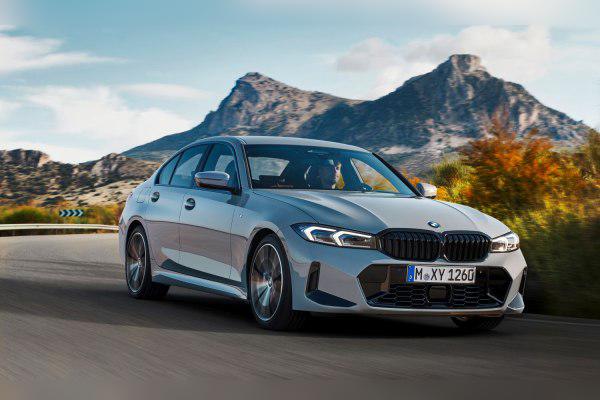
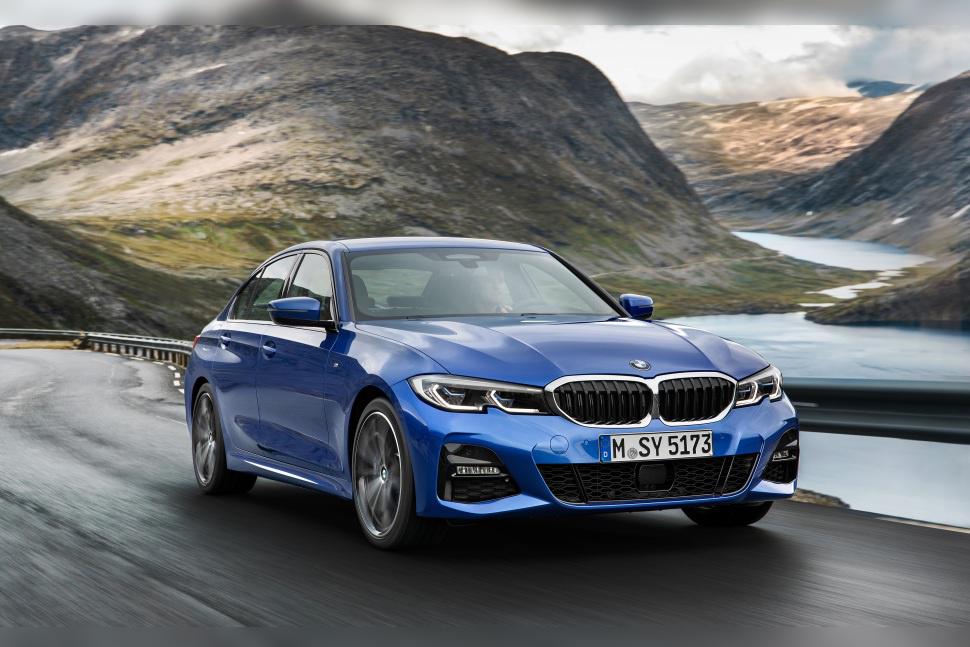
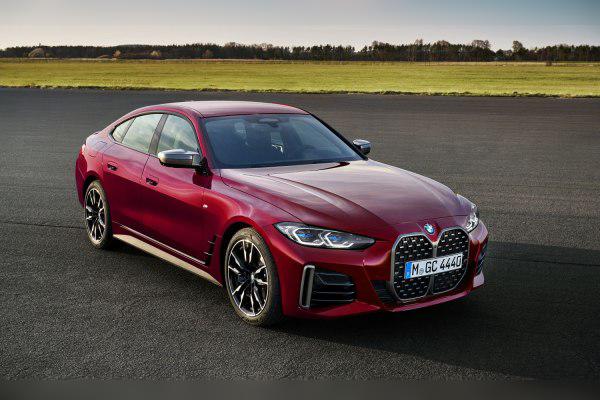

BMW B48B16A (1.6 Turbo) – experiences, issues, fuel consumption and used-buying tips
Key points in short (TL;DR)
- Reduced displacement, same technology: This is the 1.6-liter version of the popular B48 engine, developed primarily for tax benefits in certain markets, but it offers performance similar to the 2.0 version (170 hp).
- Timing chain: It uses a timing chain located at the rear of the engine (towards the gearbox). It is more reliable than on the older N20/N47 engines, but replacement is expensive.
- Thermostat and cooling: Plastic housings and the heat management module are the most common weak points – coolant leaks are a standard problem.
- GPF filter: Newer models (especially G20/G30) have a gasoline particulate filter (GPF/OPF) which is sensitive to frequent short trips.
- Gearbox: Paired with the excellent ZF 8-speed automatic which gets the most out of this smaller engine.
- Recommendation: An excellent choice for those who want the BMW feel with lower registration/tax costs, but in the heavy 5 Series (G30) body it can feel a bit strained.
Contents
- Introduction and applications
- Technical specifications
- Reliability and maintenance
- Specific parts and costs
- Fuel consumption and performance
- Additional options and modifications
- Gearbox and drivetrain
- Buying used and conclusion
Introduction and applications
The B48B16A engine is an interesting engineering move from the Bavarian manufacturer. While most of the world is used to the “20i” badge on the trunk (e.g. 320i, 520i) meaning a two‑liter engine, this unit has a displacement of 1597 cc. It was developed on the basis of the modular B48 platform (successor to the problematic N20), but with a reduced piston stroke and different internal components in order to fit into tax brackets below 1.6 liters, which are strict in countries such as Turkey and Greece, and it occasionally appears in other European markets as well.
Although “on paper” it seems small for sedans like the BMW 3 Series (G20) or even the 5 Series (G30), thanks to the modern TwinPower Turbo system this engine delivers a respectable 170 horsepower, which makes it perfectly competent for everyday driving and even for more dynamic overtaking.
Technical specifications
| Parameter | Data |
|---|---|
| Engine code | B48B16A |
| Displacement | 1597 cc (1.6 L) |
| Power | 125 kW (170 hp) at 5000–6000 rpm |
| Torque | 250 Nm at 1500–4400 rpm |
| Configuration | Inline 4-cylinder |
| Injection | Direct injection (High Precision Injection) |
| Induction | Twin-scroll turbo, intercooler |
| Emissions standard | Euro 6d (varies by model year) |
Reliability and maintenance
Timing system: chain or belt?
The B48B16A uses a timing chain. Unlike older engines where the chain was at the front, here it is located at the rear of the engine, towards the cabin and gearbox. Although BMW has significantly improved chain quality compared to the N‑series engines, the chain’s position means that any replacement is more expensive because it requires removing the engine or gearbox. Still, the chain on B48 engines is not prone to snapping like before, and with regular oil changes it can last over 200,000 km without issues. The first symptom of trouble is a rattling noise on cold start that does not disappear after a few seconds.
Most common failures and symptoms
Although this is one of the more reliable modern BMW engines, it is not immune to problems:
- Coolant loss: This is problem number one. Plastic coolant junctions, hoses and the oil filter housing are prone to cracking due to thermal cycles. If you smell coolant in the cabin or see white residue under the hood, react immediately.
- Heat Management Module: This is a complex electronic thermostat. It often tends to leak or get stuck, which can lead to engine overheating.
- PCV valve (oil separator): Integrated into the valve cover. When it fails, the engine may start consuming oil, emit smoke from the exhaust, or have an unstable idle due to unmetered air.
Service intervals and oil
The factory interval of 30,000 km is a death sentence for this engine, especially in city driving. Do minor services every 10,000 km, 15,000 km at the absolute maximum.
The engine takes approximately 5.25 liters of oil (always check the exact level while filling). The recommended viscosity is 0W-20 (for newer models for fuel economy) or 5W-30 (better protection at high temperatures). Always use oil with the BMW Longlife-17 FE+ or Longlife-04 specification.
Oil consumption: A healthy B48 should not consume significant amounts of oil. Consumption up to 0.5 liters per 10,000 km is acceptable. If you have to top up a liter every 2–3 thousand km, check the valve stem seals or turbocharger.
Spark plugs and injectors
Since this is a gasoline engine with direct injection, the ignition system is sensitive. Spark plugs should be replaced every 40,000 to 60,000 km. If they are not replaced on time, the coils will fail. Symptoms include hesitation under acceleration and the “Check Engine” light coming on.
Specific parts (costs)
Dual mass flywheel
Yes, this engine has a dual mass flywheel, even in versions with an automatic gearbox. Its role is to reduce 4‑cylinder engine vibrations before they are transmitted to the gearbox. In automatics it lasts a very long time, while in manual versions (rare with this engine) it is a wear item.
Fuel injection system and turbo
It uses piezo-electric direct injection. The injectors are precise but sensitive to poor fuel quality. The price of a single injector is high (expensive – depends on the market), but they are not as prone to frequent failures as on diesels. A bigger problem is carbon buildup on the intake valves, because the fuel does not wash the valves. This requires mechanical cleaning (walnut blasting) at higher mileages (over 100k km).
The engine has a single twin-scroll turbocharger (not two; the TwinPower name refers to the technology, not the number of turbos). Turbo lifespan is long with regular servicing and proper cooldown after driving. Rebuild is possible and the cost is mid‑range.
GPF, EGR and AdBlue
This engine does not use AdBlue (that’s for diesels). However, models produced from 2018/2019 onwards are equipped with a GPF (Gasoline Particulate Filter) – the gasoline equivalent of a DPF on diesels. It also has an EGR valve. The GPF can clog if the car is driven exclusively in stop‑and‑go city traffic without going on open roads, which results in power loss and a warning light on the dashboard.
Fuel consumption and performance
City driving and highway
Do not expect miracles from a 1.6 engine in a heavy body (G20/G30). To move a 1.6‑ton car, the engine has to work under load.
- City driving: Real‑world consumption is between 9 and 11 l/100 km. In heavy traffic it can go up to 12 l.
- Open road: This is where the gearbox shines. On country roads it can drop to 6–7 l/100 km.
- Highway: At 130 km/h the engine spins at around 2000–2200 rpm in 8th gear, which is quiet and economical (around 7.5–8.5 l/100 km).
Is the engine “lazy”?
With 170 hp and 250 Nm, the engine is not sporty, but it is not sluggish either. For the BMW 3 Series (G20) it is more than adequate for the average driver (0–100 km/h in about 7.7 seconds). However, in the BMW 5 Series (G30) the lack of torque is noticeable in in‑gear acceleration at higher speeds. The car moves smoothly, but it does not have that “kick in the back” you might expect from a 5 Series.
Additional options and modifications
LPG conversion
Because of direct fuel injection into the cylinders, a conventional sequential LPG system is not a solution. You need a liquid LPG injection system or a system that uses a mixture of gasoline and LPG. Installation is very expensive (often over 1000 EUR) and the cost‑effectiveness is questionable unless you cover huge mileages. In general – not recommended.
Remap (Stage 1)
The B48B16A responds very well to remapping because it is factory “detuned”. A Stage 1 remap can safely raise power to about 200–210 hp and torque to 300–320 Nm. However, caution is needed: this 1.6 engine does not have the same pistons and compression ratio as the 2.0 (B48B20), so do not try to squeeze 300 hp out of it like from its bigger brother – you risk piston failure.
Gearbox
Automatic gearbox (ZF 8HP)
These models almost exclusively come with the ZF 8‑speed Steptronic automatic gearbox. This is probably the best automatic gearbox on the market at the moment. It shifts seamlessly, responds quickly and saves fuel.
- Maintenance: BMW claims the oil is “lifetime fill”. This is not true. The gearbox manufacturer (ZF) recommends changing the oil and pan (which contains the filter) every 80,000 to 100,000 km. The cost of the service is mid‑to‑high (it includes expensive ZF oil and the pan).
- Failures: The most common issues are oil leaks from the gearbox pan (the plastic warps) or from the mechatronics connector. Mechanical failures are rare before 250,000 km if the oil is changed.
Buying used and conclusion
Before buying a used car with the B48B16A engine, pay attention to the following:
- Cold start: Listen to the engine while it is cold. If you hear metallic rattling from the rear of the engine, the chain is due for replacement.
- Signs of leaks: Check the coolant reservoir. Any drop in level or white residue on hoses indicates issues with the cooling system.
- Diagnostics: Check injector corrections and fault codes related to Vanos (variable valve timing) and Valvetronic.
Conclusion
The B48B16A (170 hp) engine is a rational choice. It offers an entry ticket into the world of modern BMW vehicles with lower registration/tax costs (where displacement is taxed) and perfectly decent performance. It is ideal for the 3 Series (G20) or 4 Series (G26). For 5 Series (G30) owners it is adequate for cruising, but if you are looking for real dynamics, you should look for the 2.0 or 3.0 versions instead. Maintenance is not cheap, but the engine is significantly more reliable than its predecessors.
Was this content useful to you?
Your opinion helps us to improve the quality of the content.