B48B20A Engine
- Engine
- 1998 cm3
- Aspiration
- Twin-power turbo, Intercooler
- Fuel
- Petrol / electricity
- Fuel injection system
- Direct injection
- Power
- 163 hp
- Torque
- 300 Nm
- Cylinders
- 4
- Valves
- 16, 4 per cylinder
- Cylinders position
- Inline
- Valvetrain
- VALVETRONIC
- Oil capacity
- 5.25 l
- Coolant
- 6 l
- Systems
- Start & Stop System, Particulate filter
# Vehicles powered by this engine
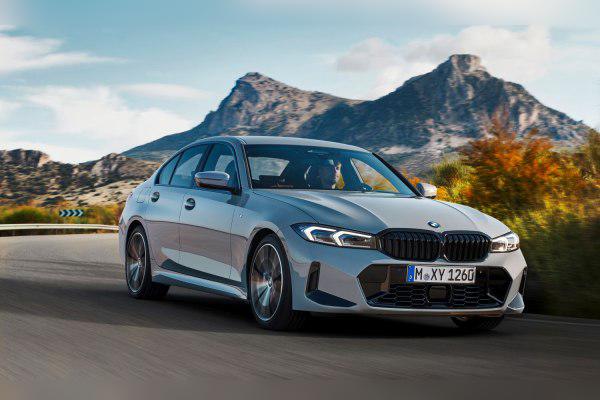
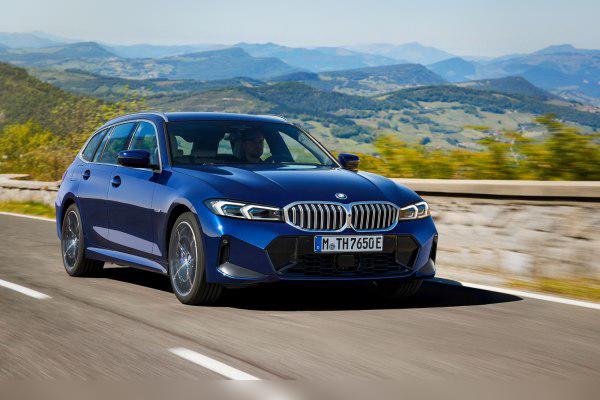
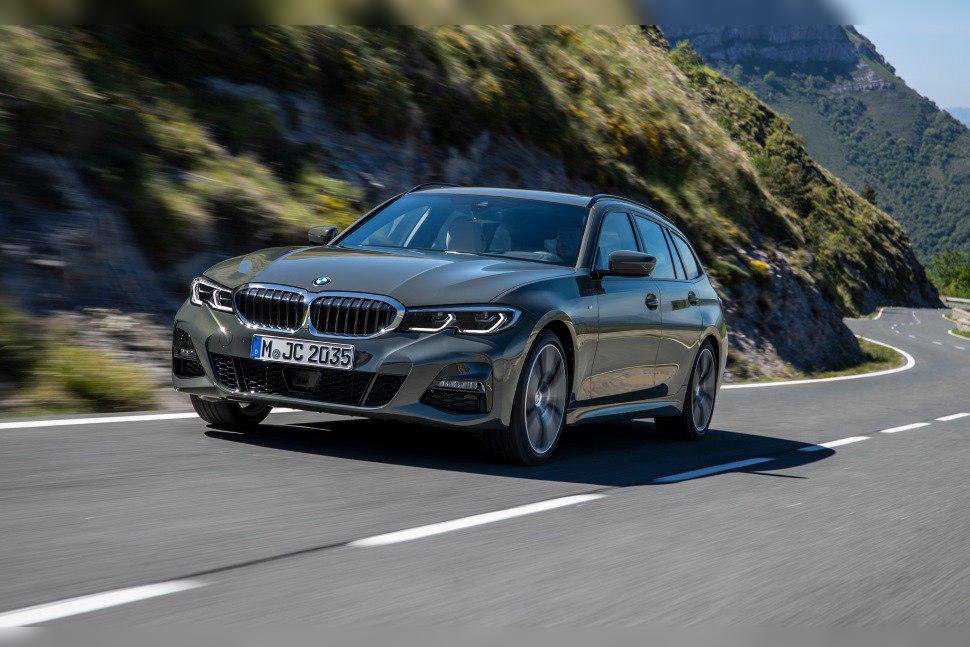
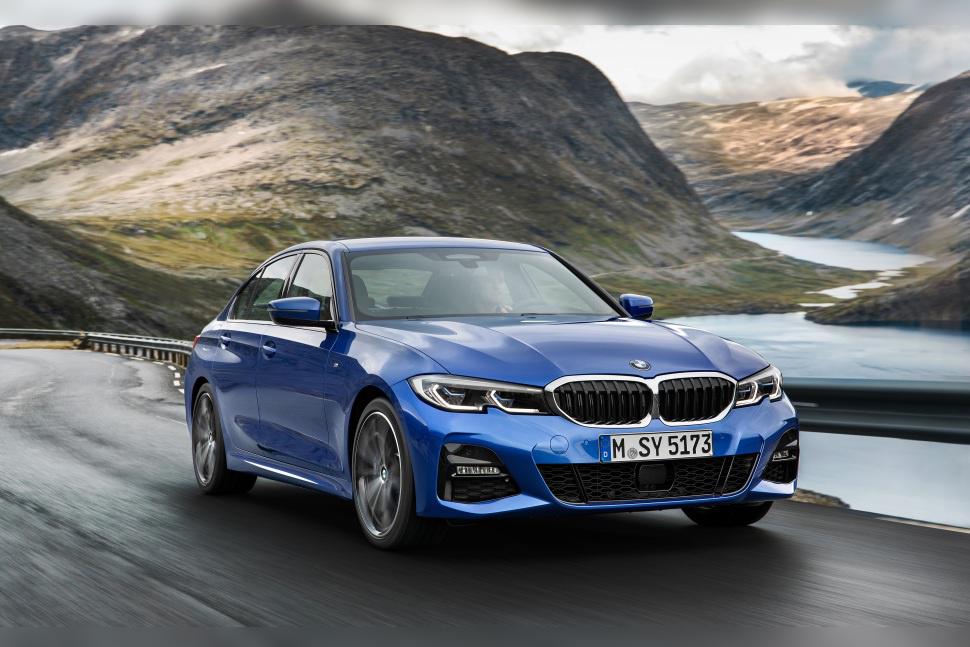

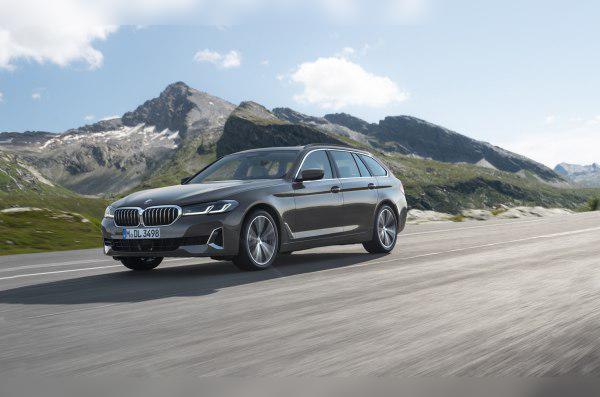
BMW B48B20A (320e / 520e): Experiences, problems, fuel consumption and used car buying guide
1. The most important in short (TL;DR)
- Timing chain drive: The engine uses a timing chain, which is much more reliable than on the previous N20 engines, but it is not immune to stretching at high mileage.
- Cooling system is a weak point: Pay attention to coolant leaks (water pump, thermostat housing, hoses).
- Hybrid specifics: This is an engine adapted to work in a Plug-in Hybrid system. It often starts and stops when cold, which requires top-quality oil and more frequent changes.
- No classic “turbo lag”: Thanks to the electric motor, throttle response is instant, so there is no lack of power felt despite the vehicle’s high weight.
- Direct injection: As with all modern petrol engines, carbon build-up on intake valves is possible.
- Not suitable for LPG: LPG installation is technically extremely complicated and not cost-effective.
Contents
- Introduction: What is the B48B20A?
- Technical specifications
- Reliability and maintenance
- Specific parts and costs
- Fuel consumption and performance
- Additional options and modifications
- Gearbox
- Buying used and conclusion
Introduction: What is the B48B20A?
The B48B20A engine is the heart of BMW’s entry-level new-generation Plug-in Hybrid models, primarily the 3 Series (G20/G21) and 5 Series (G30/G31). Although it is a well-known 2.0-litre B48 modular platform, this variant is “detuned” to 163 hp (120 kW) in order to work in synergy with the electric motor. The total system output usually amounts to 204 hp.
This engine is important because it represents a bridge between traditional driving and electrification. It is designed to be quiet and efficient, but also to provide a sporty feel when paired with electric assistance. However, its complexity (petrol engine + high-voltage system) requires a specific approach to maintenance.
Technical specifications
| Parameter | Value |
|---|---|
| Engine displacement | 1998 cc (2.0 L) |
| Power (petrol engine) | 120 kW (163 hp) |
| Torque (petrol engine) | 300 Nm |
| Engine code | B48B20A |
| Injection type | Direct injection (High Precision Injection) |
| Charging method | TwinPower Turbo (twin-scroll turbocharger) |
| Number of cylinders | 4, inline |
Reliability and maintenance
Does this engine have a timing belt or a chain?
The B48B20A engine uses a timing chain. Unlike its notorious predecessor (N20), the chain on B48 engines has proven to be much more durable. It is located at the rear of the engine (towards the cabin), which makes any replacement expensive because the engine or gearbox has to be removed. Still, with regular oil changes, the chain should last over 200,000 km without issues.
What are the most common failures on this engine?
Although reliable, the B48 has a few characteristic weak spots:
- Coolant leaks: The most common problem. Check the oil filter housing (which is integrated with the thermostat), the water pump itself and the hoses. Symptoms include a sweet smell of coolant or puddles under the car.
- PCV valve (oil separator): The membrane in the valve cover can tear. Symptoms are increased oil consumption, rough idle and a characteristic whistling sound.
- VANOS solenoids: They can get dirty or fail, leading to loss of power and a “Check Engine” light.
- Carbon deposits: Due to direct injection, the intake valves are not “washed” by fuel, so carbon builds up and can choke the engine.
At what mileage is the major service done?
Since it has a chain, a classic “major service” like with a belt does not exist at a fixed interval. The chain is replaced as needed (when rattling is heard at cold start). However, at around 100,000 – 120,000 km it is recommended to replace the auxiliary (serpentine) belt (for alternator/AC), the tensioner and to check the water pump.
How many litres of oil does this engine take and which grade is recommended?
The engine takes approximately 5.25 litres of oil (always check the exact amount via the iDrive system because these engines often do not have a physical dipstick). The recommended grade is 0W-20 or 5W-30. Always use oil with BMW specification Longlife-17 FE+ or Longlife-04. Due to hybrid operation (frequent cold starts), 0W-20 is often a better choice for faster lubrication.
Does it consume oil between services?
B48 engines are generally “tight” and should not consume a significant amount of oil. Consumption of up to 0.5 litres per 10,000 km can be tolerated. If it consumes more, this points to a problem with the PCV valve, valve stem seals or (less commonly) piston rings/turbo.
At what mileage should the spark plugs be changed?
On turbocharged direct-injection engines, and especially on hybrids that frequently start/stop the engine, spark plugs are under heavy stress. It is recommended to replace them every 40,000 to 50,000 km. Do not wait for the factory 60k+ km interval. Use only high-quality iridium spark plugs (NGK or Bosch).
Specific parts (costs)
Does the engine have a dual-mass flywheel?
This is a specific question for the hybrid. The 320e and 520e use an automatic gearbox with an integrated electric motor. Instead of a classic torque converter, there is a clutch system and a torsional damper that performs a function similar to a dual-mass flywheel (it smooths out engine vibrations). This part is very expensive if it fails, but fortunately it fails less often than a classic dual-mass flywheel on diesels with a manual gearbox.
What kind of injection system does it have and are the injectors problematic?
It uses direct injection (GDI) with piezo injectors. The injectors are precise but sensitive to poor-quality fuel. The price of a single injector is high (depends on the market, but expect a few hundred euros per piece). They are not prone to mass failure, but if they leak, they can “wash” oil off the cylinder walls and cause catastrophic damage.
Does this engine have a turbocharger and what is its lifespan?
Yes, it has a twin-scroll turbocharger (Mitsubishi or Garrett). It is very reliable and with regular oil changes and proper cool-down after spirited driving, it will last as long as the engine (200,000+ km). The wastegate actuator is electronic and can sometimes cause issues, but this is often solved by refurbishing the actuator rather than replacing the entire turbo.
Does this model have a DPF or EGR valve?
It does not have a DPF (that’s for diesels), but European models (G20/G30) have a GPF (Gasoline Particulate Filter) or OPF. It rarely clogs because petrol exhaust temperatures are higher. It does have an EGR valve, but on petrol engines it gets much less dirty than on diesels and is rarely the cause of problems.
Does this engine use AdBlue?
No. AdBlue is used exclusively on diesel engines to reduce NOx emissions. The B48B20A is a petrol engine and does not use any additional fluids for exhaust gas treatment.
Fuel consumption and performance
What is the real fuel consumption in city driving?
This is a key question for a PHEV.
With a full battery: 0 l/100 km (while the charge lasts, realistically 35–50 km of range in the city).
With an empty battery: Expect fuel consumption of 8 to 10 l/100 km in the city. The car is heavy (the batteries + electric motor add about 200–300 kg), and when the 2.0 petrol has to pull that mass on its own in stop-and-go traffic, physics does its thing.
Is this engine “lazy” for the weight of the body?
Absolutely not. Although 163 hp on paper seems low for a heavy saloon/estate, the electric motor provides instant torque (XtraBoost function). Throttle response is better than on a standard 320i. The car “jumps” off the line and overtaking is very safe.
How does the engine behave on the motorway and at what rpm does it cruise at 130 km/h?
On the motorway the hybrid system helps less (except during acceleration). Still, the engine is quiet and refined. Thanks to the 8-speed gearbox, at 130 km/h the engine spins at a low 1,800 to 2,000 rpm. Fuel consumption on the open road (empty battery) is around 6.5 – 7.5 l/100 km, which is perfectly acceptable.
Additional options and modifications
Is this engine suitable for LPG (autogas) conversion?
It is not recommended. The engine has direct injection, which requires an expensive “liquid” LPG system or a system that uses both petrol and LPG at the same time. In addition, the hybrid system and lack of space for a tank (the battery is in the boot) make this investment pointless and risky for the electronics.
How far can this engine be safely tuned (Stage 1)?
The B48B20A is software “detuned”. Hardware-wise it is very similar to the more powerful versions (although pistons may differ on the strongest variants). A Stage 1 remap can raise the petrol engine power from 163 hp to a safe 220–240 hp, and torque to over 400 Nm (engine only). However, caution: Increasing power can stress the hybrid transmission, which has its own torque limits. Always have it done by tuners who know how to map PHEV vehicles.
Gearbox
Which gearboxes are fitted?
The 320e and 520e are fitted exclusively with the 8-speed ZF 8HP automatic gearbox (a specific hybrid version where the electric motor is inside the gearbox housing). A manual gearbox is not an option.
Most common failures and gearbox maintenance?
The ZF 8HP is probably the best automatic gearbox on the market. It is very reliable.
Failures: Oil leaks from the gearbox pan (the plastic pan deforms). Mechatronic solenoids can fail at high mileage.
Service: Although BMW says the oil is “lifetime”, ZF (the manufacturer) recommends changing the oil and pan (which contains the filter) every 80,000 to 100,000 km. This is mandatory if you want a long gearbox life.
Cost of clutch replacement?
Here you do not have a classic clutch to replace as on a manual gearbox. Inside the gearbox there are clutch packs that wear out, but this happens only at very high mileage. If it does happen, the gearbox is overhauled, which is very expensive (often over 1,500 – 2,000 EUR).
Buying used and conclusion
Before buying a used 320e or 520e with the B48B20A engine, pay attention to:
- High-voltage battery condition: Check the battery capacity via diagnostics. Battery replacement is extremely expensive.
- Cold start: Listen to the engine when it is completely cold. Any chain rattling in the first 3–5 seconds is a red flag.
- Signs of coolant leaks: Inspect the engine bay around the water pump and expansion tank. White traces mean that coolant is evaporating.
- Charging history: Ideally, find a car that has been regularly charged but also driven on petrol. Cars that were driven only on electricity can have problems with fuel degradation and corrosion in the engine due to condensation (the engine rarely warms up).
Conclusion: The B48B20A in the 320e/520e models is an excellent choice for those who have access to charging (at home or at work). You get the performance of a more powerful petrol engine with minimal fuel consumption in the city. If you do not have a charger, it is better to look for a conventional 320d or 320i, because you will just be hauling unnecessary battery weight. The engine is mechanically robust, but it requires meticulous maintenance of the cooling system.
Was this content useful to you?
Your opinion helps us to improve the quality of the content.