B47D20B Engine
- Engine
- 1995 cm3
- Aspiration
- Turbocharger, Intercooler
- Fuel
- Diesel
- Fuel injection system
- Diesel Commonrail
- Power
- 150 hp @ 4000 rpm
- Torque
- 320 Nm
- Cylinders
- 4
- Valves
- 16, 4 per cylinder
- Cylinders position
- Inline
- Valvetrain
- DOHC
- Oil capacity
- 5.5 l
- Coolant
- 7 l
- Systems
- Particulate filter
# Vehicles powered by this engine
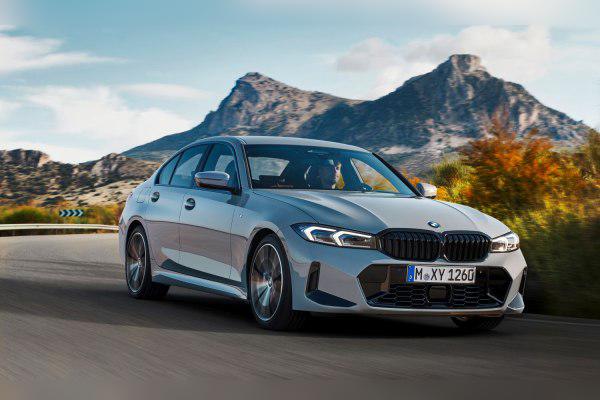
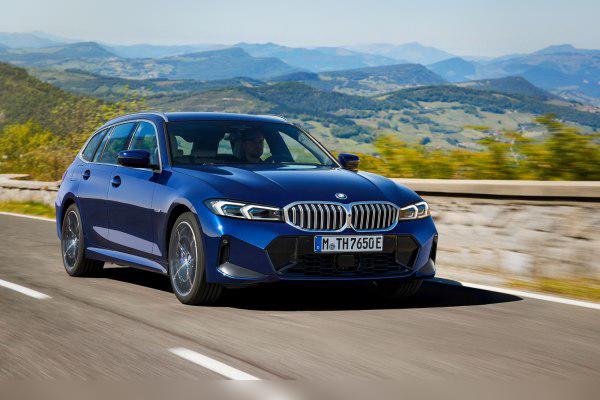
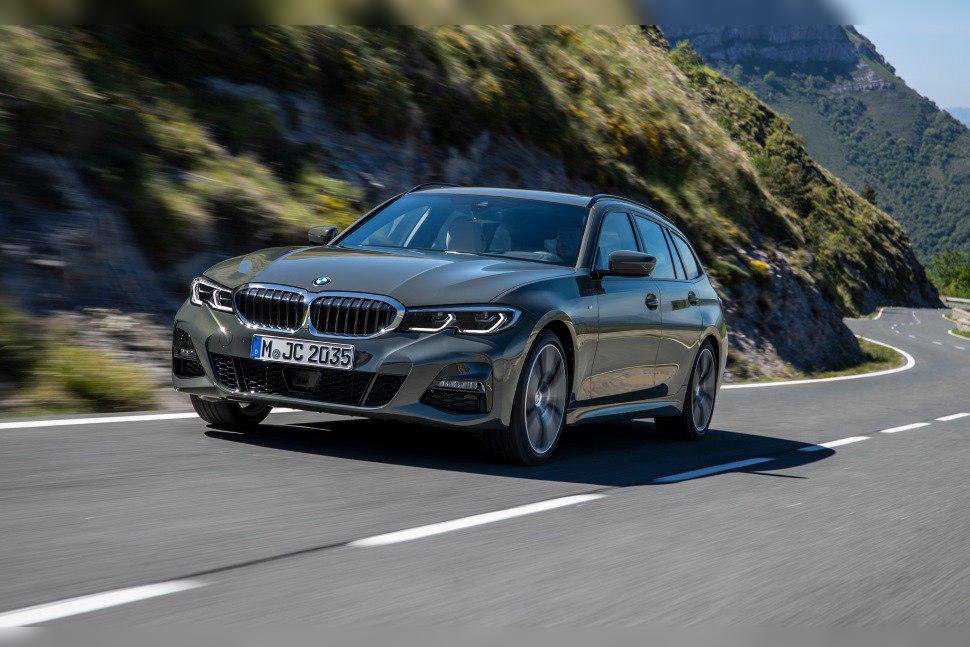
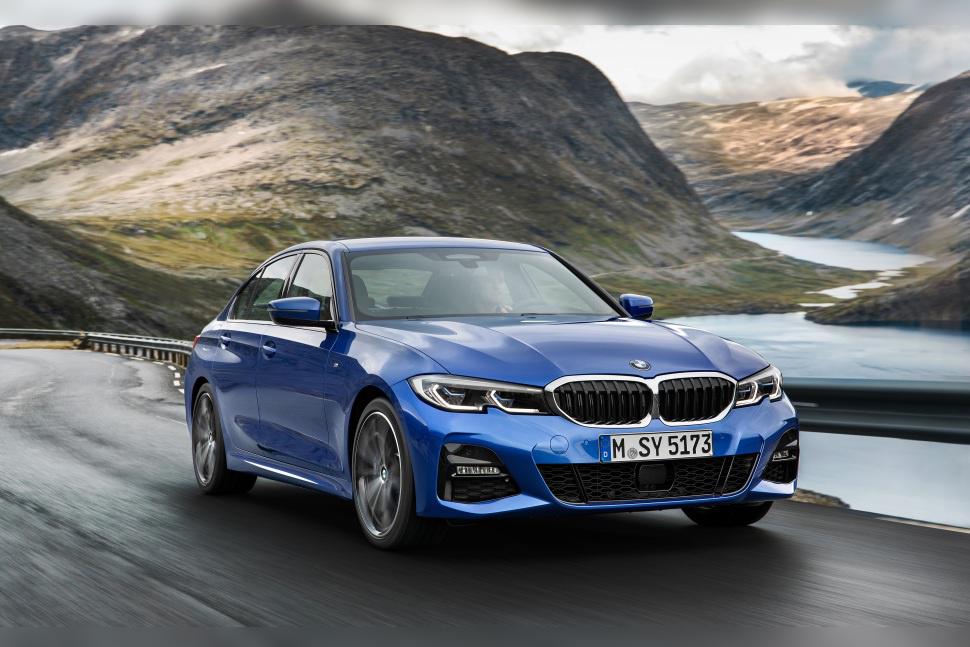
BMW B47D20B (318d G20/G21): Experiences, problems, fuel consumption and used car buying guide
Key points (TL;DR)
- Significantly more reliable than its predecessor (N47): Although it still uses a timing chain mounted at the rear, chain failures are much rarer, but the chain is not eternal.
- EGR cooler is the critical point: This is the most common cause of coolant loss and engine bay fires (there were factory recalls).
- AdBlue system: A sophisticated exhaust aftertreatment system prone to sensor and pump failures, as well as urea crystallization.
- ZF 8-speed automatic: Probably the best gearbox in its class – reliable and quick, but it requires timely oil changes.
- Excellent balance of fuel consumption and power: With 150 hp it’s not a sports car, but for normal driving it is more than sufficient, with laughably low fuel consumption on the highway.
- Mild Hybrid (LCI models): Newer versions (from 2022) have a 48V system that reduces fuel consumption, but increases potential repair costs.
Contents
Introduction and engine applications
The B47D20B engine is the entry ticket into the world of serious diesel units in BMW’s modern lineup, specifically in the 3 Series (G20 sedan and G21 Touring). It is a 2.0-liter four-cylinder that is the direct successor to the notorious N47 engine. With the B47 series, which has a modular design (sharing components with the B48 petrol engines), BMW managed to solve most of the “childhood diseases” and offer an engine that is more refined, quieter and more economical.
The “318d” badge used to mean compromise, but in the G20 generation, with 150 horsepower and serious torque, it has become the most rational choice for drivers who cover high mileages and do not need the sporty performance of the 330d or M340d models. It is especially important to note that post-facelift (LCI) models received Mild Hybrid technology, which changes both the driving dynamics and the complexity of maintenance.
Technical specifications
| Parameter | Data |
|---|---|
| Engine code | B47D20B |
| Displacement | 1995 cc (2.0 liters) |
| Power | 110 kW (150 hp) at 4000 rpm |
| Torque | 320 Nm at 1500–3000 rpm |
| Configuration | Inline, 4 cylinders, 16 valves |
| Injection type | Common Rail (solenoid or piezo injectors, depending on model year) |
| Turbocharger | Single turbo, variable geometry (VGT) |
| Hybrid system | 48V Mild Hybrid (only on LCI models from 2022 and later pre-LCI) |
Reliability, maintenance and failures
Does this engine have a timing belt or a chain?
The B47 engine uses a timing chain. As with its predecessor, the chain is located on the rear side of the engine (towards the gearbox/firewall). Although the system has been significantly improved compared to the N47 and chain failures are much rarer, the chain is not “lifetime”. Replacement requires removing the engine or the gearbox, which makes the job labor-intensive and expensive.
What are the most common failures on this engine?
Although it is reliable, the B47 has its weak spots:
- EGR cooler and valve: This is problem number one. The EGR cooler can fail internally, allowing coolant to enter the intake manifold. Symptoms include coolant loss without visible leaks under the car and exhaust smell in the cabin. In extreme cases, the mixture of glycol and soot can cause a thermal incident (intake manifold fire). BMW issued extensive recalls for this – make sure your car has had the recall work done.
- Soot buildup in the intake: Due to direct injection and EGR, the intake manifold and swirl flaps get clogged over time, which chokes the engine.
- Oil leaks: The oil filter housing and valve cover are common places where leaks can appear over time.
- Exhaust gas temperature sensors: They can provide incorrect readings, which prevents proper DPF regeneration.
Service intervals and oil
A major service (chain replacement) does not have a prescribed interval from BMW, but in practice the chain should be listened to. If you hear rattling on cold start (metallic “rustling”), it’s time for replacement. This usually happens between 200,000 and 250,000 km, although with regular oil changes it can last longer.
Minor service: BMW recommends “Long Life” intervals of 30,000 km. As an editor, I advise you to ignore that. Change the oil every 10,000 to 15,000 km at most, or once a year. This is the key to long life for both the chain and the turbo.
Oil quantity and type: The engine takes approximately 5.0 to 5.5 liters (depending on whether it is RWD or xDrive, and on the oil pan). The recommended grade is 5W-30 or 0W-30 with BMW Longlife-04 (LL04) specification due to the DPF filter.
Oil consumption and injectors
A healthy B47 engine should not consume significant amounts of oil between services (no more than 0.5 liters per 10,000 km). If it consumes more, this points to issues with piston rings, valve stem seals or the turbo.
As for the injectors, the 318d version (150 hp) often uses solenoid injectors, which are more robust and cheaper to refurbish than piezo injectors (more common on higher-output versions). They are very durable and often exceed 250,000 km without issues, provided that quality fuel is used.
Specific parts (costs)
Dual-mass flywheel and clutch
Yes, versions with a manual gearbox have a dual-mass flywheel. It is a wear item and usually lasts around 180,000–200,000 km, depending on driving style (city vs highway). Models with an automatic gearbox do not have a classic dual-mass flywheel, but use a torque converter, which eliminates that expensive maintenance item, although the automatic also has its own vibration-damping components.
Turbocharger
The 318d (B47D20B) uses a single turbocharger with variable geometry. This is good news because the system is simpler than the bi-turbo setups in more powerful models (such as the 325d or newer 320d). Turbo lifespan is long (200,000+ km), and its biggest enemies are old oil and shutting the engine off immediately after hard driving on the motorway.
Emissions: DPF, EGR and AdBlue
This is the “Holy Trinity” of modern diesels and a potential source of headaches:
- DPF: If the car is driven mostly on the open road, the DPF lasts a very long time. City driving kills it. Clogging is solved by cleaning or replacement (expensive).
- EGR: As mentioned, it is prone to clogging and cooler leaks. Regular intake cleaning every 60–80k km is good preventive maintenance.
- AdBlue (SCR): All G20 diesels have AdBlue. The system is sensitive. Heater or pump failures in the AdBlue tank (often supplied as one module) are common. The urea injector can also crystallize and clog. Proper maintenance means using quality AdBlue and avoiding running the tank dry. Repairs are expensive (depending on the market, expect several hundred euros).
Fuel consumption and performance
Real-world fuel consumption
This is the strongest selling point of the 318d.
- City driving: Expect between 6.5 and 7.5 l/100 km. In heavy stop-and-go traffic it can reach 8.0, but Mild Hybrid (LCI) versions help here by shutting the engine off and assisting during take-off, reducing consumption by about 0.5 l.
- Motorway: At a cruising speed of 130 km/h, fuel consumption is extremely low, often around 4.8 to 5.5 l/100 km.
Is the engine “lazy”?
With 150 hp and 320 Nm, the engine is not sporty, but it is not lazy either. The G20 body is aerodynamic, but not light. For the average driver, the power is completely sufficient. The “pinned to the seat” feeling is missing, but in-gear acceleration (80–120 km/h) is perfectly adequate for safe overtaking. A sense of sluggishness may appear only if the car is fully loaded with passengers and luggage on an uphill road.
At 130 km/h in 8th gear (automatic), the engine spins at a low 1800–2000 rpm, which makes driving very quiet and relaxed.
Additional options and modifications
Chip tuning (Stage 1)
The B47D20B is an excellent candidate for remapping. Since it is hardware-wise very similar (often identical in block and head) to the 190 hp version, this engine is factory “detuned” via software.
A safe Stage 1 remap raises power to about 190 hp and 400 Nm. This practically gives you the performance of a 320d. However, before mapping, the gearbox, chain and turbo must be in perfect condition. Note: On newer models (especially after 2020), BMW locked the ECU, so “unlocking” it for tuning is more complicated and more expensive (often requiring sending the ECU to specialized workshops).
Gearbox: manual and automatic
This engine comes with two types of gearboxes, with the automatic being absolutely dominant on the market.
Manual gearbox (6-speed)
A rarer choice in the G20. Reliable, but as mentioned, it has a dual-mass flywheel. Replacing the clutch kit together with the flywheel is an expensive job (depending on the market, it is among the higher maintenance costs). Failures are rare and mostly related to clutch disc wear.
Automatic gearbox (ZF 8HP – Steptronic)
This is the jewel of this car. The ZF 8-speed gearbox (also used by Audi, Jaguar, etc.) is probably the best automatic transmission in the world for regular passenger cars. It shifts imperceptibly and quickly.
Maintenance is crucial: BMW often claims that the gearbox oil is “lifetime”. This is not true. The gearbox manufacturer (ZF) strictly recommends changing the oil and the pan (which contains the filter) every 80,000 to 100,000 km. If you don’t do this, after about 150k km you may start to feel jerks during shifts (noticeable “kicks” when stopping or taking off). The cost of an oil change is in the “moderately expensive” range, but it protects a gearbox whose repair is “very expensive”.
Buying used and conclusion
What to check before buying?
- Cold start: Start the car when the engine is completely cold. Listen for chain rattling at the rear of the engine. The noise should disappear after a few seconds; if it continues, the chain needs replacement.
- Coolant: Check the level in the expansion tank. If it is below minimum, suspect the EGR cooler (major expense or waiting for recall work).
- Diagnostics: Check DPF parameters (soot loading) and injector corrections. Also check for fault codes related to the AdBlue system.
- Gearbox history: If the car has more than 120,000 km and the gearbox oil has never been changed, that is a risk.
Final verdict
The BMW 318d (B47) is a car for rational buyers. It is not as exciting as the 330i or 330d, but it offers a superb driving feel, excellent refinement and the quality of the G20 chassis, with fuel costs on the level of a small city car.
It is ideal for drivers who cover more than 20,000 km per year, mostly on open roads. If you spend most of your time in the city on short trips (under 10 km), avoid this engine because of DPF/EGR issues and look for a petrol model (318i/320i). For everyone else – this is one of the best “long-distance machines” in its class.
Was this content useful to you?
Your opinion helps us to improve the quality of the content.