CVVA Engine
- Engine
- 2967 cm3
- Aspiration
- Turbocharger, Intercooler
- Fuel
- Diesel
- Fuel injection system
- Diesel Commonrail
- Power
- 262 hp @ 4000 rpm
- Torque
- 580 Nm
- Cylinders
- 6
- Valves
- 24, 4 per cylinder
- Cylinders position
- V-engine
- Oil capacity
- 7.7 l
- Systems
- Particulate filter
# Vehicles powered by this engine
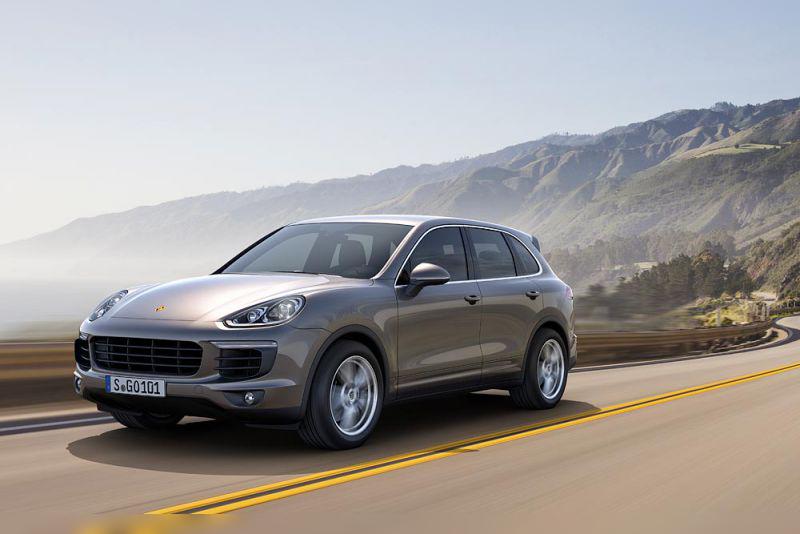
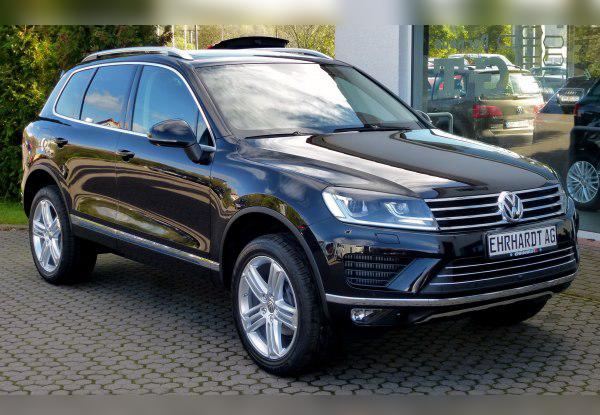
In short: Key facts about the 3.0 V6 TDI (CVVA) engine
- Powerful and refined: With 262 hp and 580 Nm, this is one of the best versions of the 3.0 TDI engine for heavy SUV models.
- Timing chain: Located at the rear of the engine (next to the gearbox). Although more reliable than on older versions, replacement is still very expensive because the engine has to be removed.
- AdBlue system: As a Euro 6 engine, it has an SCR system. AdBlue fluid heaters and pumps are frequent weak points.
- Fluid leaks: Pay attention to coolant leaks in the "V" space between the cylinder heads and oil leaks at the crankshaft rear main seal.
- Gearbox: Comes exclusively with an 8-speed automatic gearbox (Aisin), which is extremely reliable if properly maintained.
- Recommendation: An excellent choice for cruising and towing trailers, but avoid cars with dubious service history due to potentially expensive repairs.
Contents
Introduction: VW 3.0 V6 TDI (CVVA) – The "golden middle" of diesel power
The CVVA engine code represents one of the last and most refined evolutions of Volkswagen’s 3.0 V6 TDI unit before the complete switch to newer generations. Installed primarily in the facelift versions of the Volkswagen Touareg II (7P) and Porsche Cayenne II (958) from 2014 onwards, this engine was designed to meet strict Euro 6 standards while maintaining, and even improving, performance.
This is not an engine for city racers; it is a workhorse wrapped in silk, built to effortlessly haul heavy bodies (over 2 tons) on motorways or off-road. Unlike the weaker versions (204 hp), the CVVA with its 262 hp offers the right balance between the power needed for overtaking and reasonable fuel consumption.
Technical Specifications
| Specification | Data |
|---|---|
| Engine code | CVVA |
| Configuration | V6 (90-degree angle) |
| Displacement | 2967 cc (3.0 L) |
| Power | 193 kW (262 hp) @ 3800–4400 rpm |
| Torque | 580 Nm @ 1750–2500 rpm |
| Injection | Common rail (piezo injectors) |
| Induction | Single variable-geometry turbocharger (VGT) |
| Camshaft drive | Chain (multi-chain system) |
| Emissions standard | Euro 6 (with AdBlue) |
Reliability and Maintenance: What to expect?
Timing system: Chain or belt?
The CVVA engine uses a chain system to drive the camshafts. This is a critical point every owner needs to be aware of. The chains are located at the rear of the engine (between the engine and gearbox). Although the system on the CVVA is more robust than on older generations of the 3.0 TDI (where tensioners often failed before 200,000 km), they are not eternal.
Symptoms of problems: Rattling or metallic noise during cold start that lasts longer than 3–5 seconds.
Cost: If the chain stretches or a tensioner fails, the repair is very expensive (depends on the market, but expect several thousand euros) because the entire engine has to be removed.
Service intervals and oil
This engine holds a large amount of oil, usually around 7.7 to 8.0 liters (always check the exact level on the dipstick or electronic gauge).
Recommendation: Use only fully synthetic 5W-30 oil that meets the VW 507.00 specification.
Although the manufacturer specifies "LongLife" service intervals (30,000 km), as a technical editor I advise you to forget about that. For long chain and turbocharger life, do minor services every 15,000 km at most or once a year. Major service (auxiliary belts, water pump, rollers – at the front) is usually done at around 180,000–210,000 km, but the condition should be checked at every service.
Oil consumption and leaks
A healthy CVVA engine should not consume a significant amount of oil. Consumption of 0.5 to 1 liter per 10,000 km is considered acceptable, especially if driven aggressively. If it consumes more, the problem is usually piston rings or the turbo, but this is rare at lower mileages.
What IS an issue are leaks.
1. Oil cooler/EGR in the V-space: Seals fail, so coolant accumulates in the "valley" of the engine. The symptom is a slow loss of coolant without visible traces under the car (until enough accumulates to overflow).
2. Rear crankshaft seal: Oil leak at the junction of engine and gearbox. Requires gearbox removal.
Specific Components (Costs and Failures)
Injectors and fuel injection
The CVVA uses Bosch piezo common-rail injectors. They are generally very durable and often exceed 250,000 km without issues, provided quality fuel is used.
Symptoms of bad injectors: Rough idle, smoke under full throttle, or rising oil level (an injector is "pissing" fuel into the cylinder). Replacing the full set is expensive.
Turbocharger
The engine has a single variable-geometry turbocharger (VGT). It is very reliable if cool-down procedures after fast driving are respected and the oil is changed regularly. Its lifespan often matches the lifespan of the engine.
DPF, EGR and AdBlue (Achilles’ heel)
This is a Euro 6 engine, which means the exhaust aftertreatment system is complex.
- DPF filter: If driven mostly on open roads, it rarely causes problems. City driving clogs it quickly.
- EGR valve: Prone to soot build-up and sticking, which leads to a "Check Engine" light and loss of power. The EGR cooler often leaks coolant internally.
- AdBlue (SCR): This is a frequent source of frustration. The heater in the AdBlue tank, the dosing pump or the NOx sensors often fail. Repairs are expensive, and if the system fails, the car will often give you a countdown (e.g. "1000 km remaining") after which it will not start.
Flexplate / flywheel
Since this engine in the Touareg and Cayenne is paired with a conventional automatic gearbox (not DSG), it does not have a typical dual-mass flywheel that is replaced as a wear item on manual gearboxes. It has a flexplate that connects the engine to the torque converter. This is a big advantage because it saves money – failures here are extremely rare.
Fuel Consumption and Performance
Is 262 hp enough?
Absolutely. Although the Touareg and Cayenne weigh over 2.1 tons, 580 Nm of torque makes them feel lighter than they are. The engine is anything but "lazy". 0–100 km/h takes about 7.3 seconds, which is excellent for this class. In-gear acceleration is impressive thanks to the torque available from just 1750 rpm.
Real-world consumption (European conditions)
- City driving: Expect between 10 and 12 l/100 km. In heavy traffic and winter, this can go up to 14 l. Do not trust the official figures of 7–8 liters.
- Country roads: It is possible to get down to 7–8 l/100 km with calm driving.
- Motorway (130 km/h): Consumption is around 8.5–9.5 l/100 km. In 8th gear the gearbox keeps the engine at very low revs (below 2000 rpm), which makes driving extremely quiet and comfortable.
Additional Options and Modifications
Chip tuning (Stage 1)
This engine responds very well to remapping ("chipping").
Safe potential: A Stage 1 tune usually raises power to 300–310 hp and torque to over 650 Nm.
Considering that the gearbox is designed for heavy loads (it is also used in V8 versions), it easily handles this increase. Still, keep in mind that higher power will clog the DPF faster if the fuel mixture is poorly calibrated.
Gearbox: Aisin 8-speed (AL1000)
The CVVA engine in the Touareg and Cayenne comes exclusively with an 8-speed automatic gearbox from the Japanese manufacturer Aisin.
- Type: Conventional automatic with torque converter. Not DSG/S tronic.
- Reliability: This is one of the most reliable gearboxes on the market. It shifts very smoothly and is excellent for off-road use or towing (because it has no clutches that can overheat when setting off, as in DSG units).
- Maintenance: Although VW often claims the oil is "lifetime fill", you MUST change the gearbox oil every 60,000 to 80,000 km. If you do that, the gearbox will last as long as the car.
- Failures: Rare. Possible issues with the valve body at very high mileage if the oil has not been changed, which manifests as harsh shifts.
Conclusion and Buying Advice
The 3.0 TDI (CVVA) engine is a fantastic piece of engineering that offers power, refinement and longevity, but it requires a deep pocket for maintenance when things go wrong.
What to check before buying?
- Cold start: Insist that the engine is completely cold. Listen to the chain during the first 3 seconds. Any rattling that lasts longer is a red flag (expensive repair).
- Leaks: Inspect the engine from below (junction of gearbox and engine) and from above (under the plastic cover, in the "V" cut-out). Check if you can smell hot coolant.
- Diagnostics: Check the DPF status (ash loading) and any fault codes related to the AdBlue system.
Who is it for? Drivers who cover a lot of kilometres on open roads, those who tow trailers (boats, caravans) and want a premium driving feel. It is not recommended for people who mostly drive short city trips (due to DPF/EGR issues) or those unwilling to pay premium maintenance costs.
Was this content useful to you?
Your opinion helps us to improve the quality of the content.