B58B30M2 Engine
- Engine
- 2998 cm3
- Aspiration
- Twin-power turbo, Intercooler
- Fuel
- Petrol (Gasoline)
- Fuel injection system
- Direct injection and Multi-port manifold injection
- Power
- 375 hp
- Torque
- 519 Nm
- Cylinders
- 6
- Valves
- 24, 4 per cylinder
- Cylinders position
- Inline
- Valvetrain
- VALVETRONIC, Double-VANOS
- Oil capacity
- 6.75 l
- Systems
- Start & Stop System
# Vehicles powered by this engine
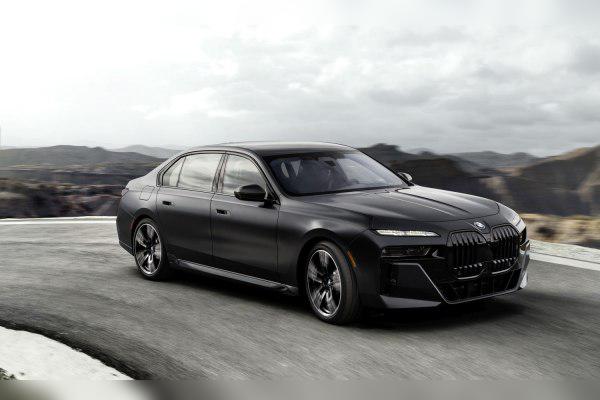
BMW B58B30M2 (3.0 Turbo) – Experiences, problems, fuel consumption and used car buying guide
Key points (TL;DR)
- An engine to respect: The B58 series has already proven itself as a “modern 2JZ legend”, and the M2 (TU2) version brings extra refinement and Mild Hybrid technology. A very reliable engine if properly maintained.
- Timing chain is at the back: The timing chain is located at the rear of the engine (towards the cabin). Although durable, if it ever needs to be replaced, the engine has to be removed, which is very expensive (depends on the market).
- Cooling is a critical point: The thermal management module and coolant leaks are the most common issues you should watch out for.
- Power potential: This is a dream for tuners. Factory forged internals can handle a lot of stress, and a Stage 1 remap makes a drastic difference.
- Hybrid complexity: The 48V system integrated into the gearbox (on newer models) adds another layer of complexity and potential costs beyond the engine itself.
- Recommendation: Definitely “Buy”, but only with a fully documented and verifiable service history.
Contents
- Introduction: What is this really about?
- Technical specifications
- Reliability and maintenance
- Specific parts and costs
- Fuel consumption and performance
- Extras and modifications
- Gearbox and drivetrain
- Buying used and conclusion
Introduction: What is this really about?
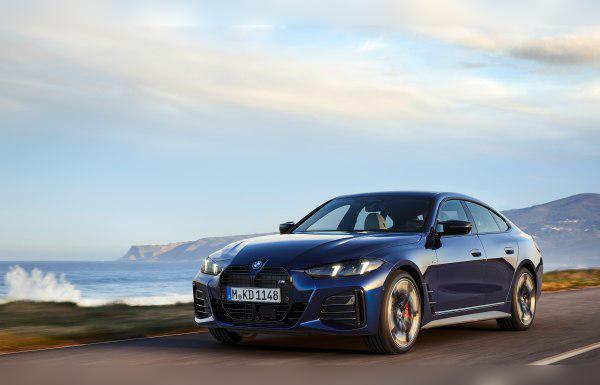
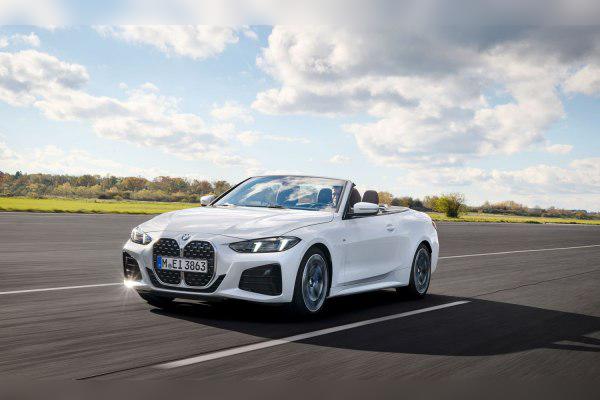
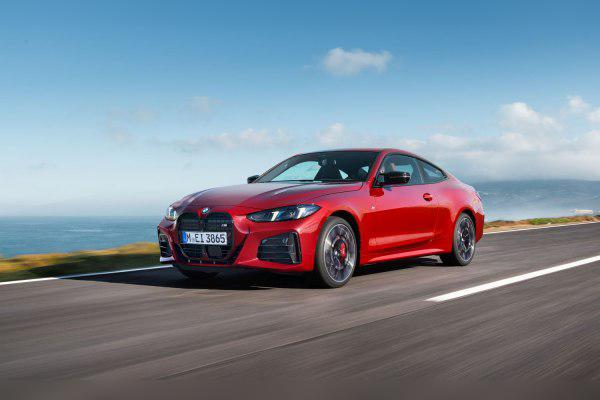
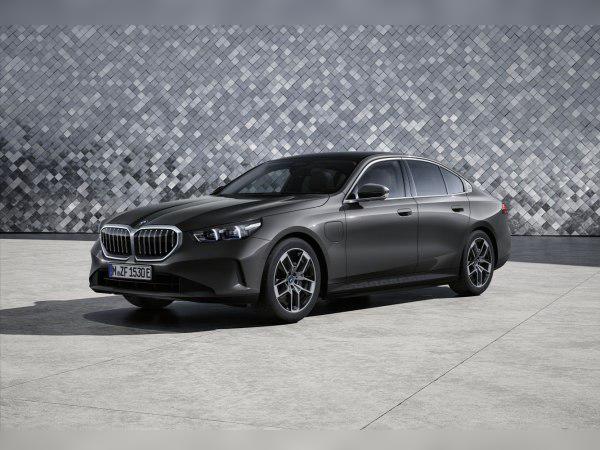
BMW’s B58B30M2 is the latest evolution (often referred to as TU2 – Technical Update 2) of the famous 3.0‑liter inline-six. This engine is not only the heart of new models such as the BMW 5 Series (G60), 7 Series (G70) and the facelifted 4 Series (G22/G23/G26 LCI), but is also very likely one of the last and best internal combustion engines BMW has ever made.
What sets the M2 version apart from its predecessors is the deep integration with the 48‑volt Mild Hybrid system, a redesigned intake system and (depending on market and model) the introduction of dual injection in order to meet strict emissions regulations without sacrificing that recognizable Bavarian power. With power going up to 386 hp in boost mode (thanks to the electric motor), this is a serious machine.
Technical specifications
| Specification | Data |
|---|---|
| Engine code | BMW B58B30M2 |
| Displacement | 2998 cc (3.0 L) |
| Configuration | Inline six-cylinder (R6 / I6) |
| Power | 280 kW (375 hp) + Mild Hybrid boost up to 386 hp |
| Torque | 520 Nm (up to 540 Nm with Mild Hybrid) |
| Forced induction | TwinPower Turbo (single turbocharger with twin-scroll technology) |
| Fuel injection system | Direct injection (High Precision Injection) |
| Camshaft drive | Timing chain (rear of the engine) |
Reliability and maintenance
Chain or belt?
The B58B30M2 engine uses a timing chain. However, the engineers placed it on the rear side of the engine (towards the firewall/cabin). This was done for better weight distribution and pedestrian safety (lower bonnet line), but it gives mechanics a headache. Fortunately, the chain on B58 engines has proven to be very durable and does not fail easily like on the old N47 diesels. Expected lifespan is over 200,000–250,000 km with regular oil changes.
Most common failures
Although reliable, it’s not without flaws. Here’s what you can expect:
- Coolant leaks: This is the Achilles’ heel of B58 engines. The problematic parts are the thermal management module (complex water pump) and plastic hoses that become brittle from heat. Symptoms are low coolant level or puddles/stains under the car.
- PCV valve (oil separator): It is integrated into the valve cover. When the membrane tears, the engine starts to “whistle”, consumes oil and runs roughly. The solution is unfortunately often replacement of the entire valve cover.
- VANOS solenoids: They can get dirty or stick if the oil is changed too infrequently, which leads to loss of power and a “Check Engine” light.
- Oil filter housing: Known to crack or deform, which can cause oil and coolant to mix or oil to leak over the engine.
Major service
On this engine, a classic “major service” in the sense of replacing belts at a fixed mileage does not exist like on older cars. The serpentine (auxiliary) belt and tensioners should be inspected every 80,000–100,000 km. The timing chain is replaced strictly as needed (when you hear rattling on cold start), which rarely happens before 200,000 km.
Oil: capacity and consumption
The engine takes approximately 6.5 to 7.2 liters of oil (depending on the exact sump variant and xDrive/RWD configuration). The recommended viscosity is 0W‑20 or 0W‑30 (BMW Longlife‑17 FE+ standard). Due to the thin oil and high temperatures, oil consumption is possible.
It is considered normal for the engine to consume up to 0.5–0.7 liters per 10,000 km, especially if driven aggressively. If it consumes a liter per 2,000 km, you have a problem (piston rings, PCV or turbo).
Spark plugs and ignition coils
On such a powerful turbo petrol engine, spark plugs are under heavy stress. It is recommended to replace them every 40,000 to 60,000 km. If the car is “chipped” (tuned), the interval should be halved to 20,000–30,000 km. Use only OEM or top-quality NGK/Bosch spark plugs.
Specific parts (costs)
Dual-mass flywheel
Since the B58B30M2 in these models comes exclusively with an automatic gearbox, it does not have a classic dual-mass flywheel like manuals that tends to fail. Instead, it uses a torque converter which has its own dampers. They are long-lasting, but if they fail, torque converter refurbishment is expensive (depends on the market).
Fuel injection system
It uses high-pressure direct injection (High Precision Injection) with pressures up to 350 bar. The injectors are generally reliable, but sensitive to poor fuel quality. If an injector “leaks”, it can wash down a cylinder and destroy the engine. The price of a single injector is high.
Turbocharger
The engine uses a single turbocharger with twin-scroll technology (two exhaust gas channels feeding the turbine). This reduces turbo lag. Service life is excellent, often over 250,000 km with proper cool‑down before switching off and regular oil changes. Rebuilding is possible, but a new unit is very expensive.
GPF, EGR and AdBlue
- GPF (Gasoline Particulate Filter): Yes, all European models (B58B30M2) have it due to Euro 6d standards. It can clog with exclusively city driving, but it regenerates more easily than diesel DPFs.
- EGR: Petrol engines use a different exhaust gas recirculation concept (often handled internally via VANOS), so they don’t have a classic EGR valve that clogs with soot like on diesels.
- AdBlue: NONE. This is a petrol engine. AdBlue is used only on diesel engines.
Fuel consumption and performance
City driving
Don’t expect miracles. Even though it’s a Mild Hybrid, this is a 3.0 engine with around 380 hp in a heavy body (5 and 7 Series weigh over 2 tons). Real-world consumption in heavy traffic is between 11 and 14 liters per 100 km. The start‑stop system helps, but physics is unforgiving.
Is the engine “lazy”?
Absolutely NOT. With 520–540 Nm of torque available from very low revs (below 2,000 rpm), this engine catapults even a heavy 7 Series. The Mild Hybrid system fills in that microsecond before the turbo spools up, so throttle response is instant.
Highway
This is where the B58 shines. Thanks to the 8‑speed gearbox, at 130 km/h the engine is spinning at an extremely low 1,800–2,000 rpm (depending on the final drive). Fuel consumption on the open road can drop to a surprising 7 to 8.5 l/100 km if you stick to speed limits.
Extras and modifications
LPG conversion
Technically possible, but economically unviable and complicated. Due to direct injection, you need a system that uses the “liquid phase” or a system that still injects 20–30% petrol to cool the petrol injectors. The system itself is very expensive (over 1000–1500 EUR), and the savings are questionable. It is not recommended for this type of vehicle.
Remap (Stage 1)
The B58 is a tuning king. A safe Stage 1 (software only) raises power to around 420–450 hp and torque to over 600 Nm. The engine and gearbox can handle this without any mechanical changes. Still, keep in mind that any power increase shortens spark plug life and degrades oil faster.
Gearbox
Type of gearbox
In the mentioned models (G60, G70, G2x LCI), the B58B30M2 is paired exclusively with the latest generation ZF 8HP (Steptronic) automatic gearbox. In Mild Hybrid models, the 48V electric motor is often integrated into the gearbox housing itself, which saves space but complicates servicing.
Gearbox failures and maintenance
- Reliability: The ZF 8HP is considered the best automatic gearbox in the world. Failures are rare before 200,000 km.
- Most common issue: Oil leaks from the gearbox sump (which is plastic and contains the filter).
- Service interval: BMW claims the oil is “lifetime fill”. Do not believe that. The gearbox manufacturer (ZF) recommends changing the oil and sump with filter every 80,000 to 100,000 km. If you don’t, expect jerky shifts and clutch pack slippage inside the gearbox at higher mileages.
Buying used and conclusion
When buying a car with this engine, pay attention to the following:
- Cold start: Listen to the engine when it is completely cold. Any chain rattling in the first 3–5 seconds is a bad sign.
- Coolant traces: Look around the water pump and hoses. Whitish residue means the system is leaking.
- Service history: Check whether the oil was changed every 10–15k km, not every 30k km (which is common with lease vehicles).
- Diagnostics: Check injector corrections and VANOS operation.
Conclusion: The BMW B58B30M2 is an engineering masterpiece. It offers a perfect balance between supercar performance and everyday usability. Maintenance is not cheap, but it’s not catastrophic either, especially compared to some V8 engines. It is aimed at drivers who want serious power under their right foot, yet also refinement for long journeys. If you can afford regular maintenance, this engine will put a smile on your face every single time you start it.
Was this content useful to you?
Your opinion helps us to improve the quality of the content.