B48 Engine
- Engine
- 1998 cm3
- Aspiration
- Twin-power turbo, Intercooler
- Fuel
- Petrol (Gasoline)
- Fuel injection system
- Direct injection
- Power
- 245 hp
- Torque
- 350 Nm
- Cylinders
- 4
- Valves
- 16, 4 per cylinder
- Cylinders position
- Inline
- Valvetrain
- VALVETRONIC, Double VANOS
- Oil capacity
- 5.75 l
- Systems
- Start & Stop System, Particulate filter
# Vehicles powered by this engine
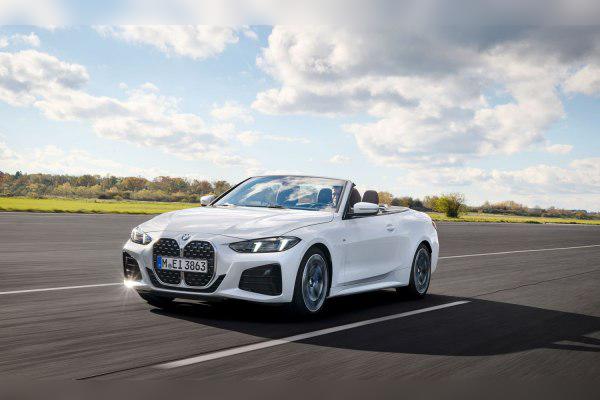
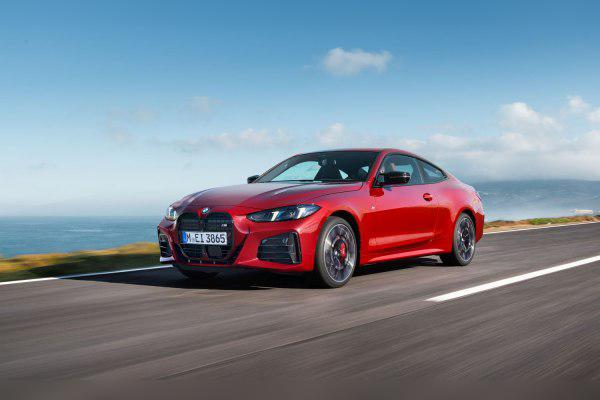
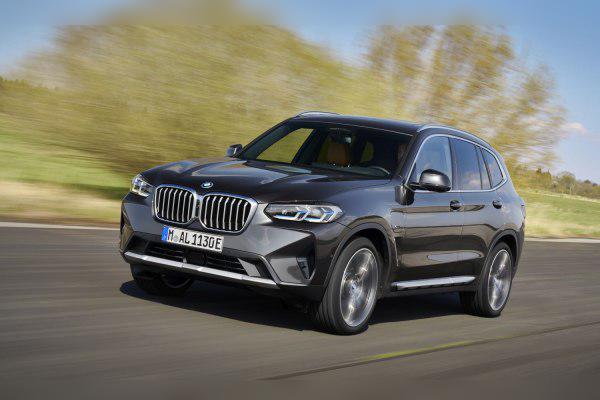

BMW B48 (2.0 TwinPower Turbo) – Experiences, problems, fuel consumption and used-car buying tips
Key points (TL;DR)
- Much more reliable than its predecessor: The B48 has fixed most of the catastrophic issues of the notorious N20 engine (timing chain failure).
- The Achilles’ heel is the cooling system: Plastic housings, hoses and coolant reservoirs are prone to cracking and leaking after a few years.
- Chains are at the back: Although more durable, the timing chain is located at the rear of the engine (towards the cabin), which makes any potential replacement very expensive (engine removal).
- Great performance: With 245 hp, this engine offers an ideal balance between power and efficiency, especially when paired with the ZF gearbox.
- Mild Hybrid technology: In the mentioned X3 and X4 LCI models, the engine comes with a 48V system, which reduces fuel consumption but adds complexity to the electronics.
- Maintenance recommendation: Do a minor service at a maximum of every 15,000 km, and change the transmission oil at 80,000 - 100,000 km.
Contents
Introduction: The heart of BMW’s modern lineup
The engine with the code name B48 is BMW’s answer to the need for a universal, powerful and reliable four‑cylinder. It replaced the problematic N20 engine and brings a modular architecture (sharing components with the three‑cylinder B38 and six‑cylinder B58 engines). In the 245 hp (180 kW) version, this engine represents the “golden middle” – powerful enough to pull heavy SUV models like the X3 and X4, while in the 4 Series it offers genuinely sporty characteristics.
Unlike older generations, the models we’re talking about here (G22/G23 LCI, G01/G02 LCI) come with the latest technological solutions, including a mild hybrid system in the SUV models, which further smooths out turbo lag and reduces fuel consumption in city driving.
Technical specifications
| Parameter | Data |
|---|---|
| Displacement | 1998 cc (2.0 litres) |
| Power | 180 kW / 245 hp |
| Torque | 350 - 400 Nm (depending on overboost function and model) |
| Engine code | B48B20 (most common base) |
| Injection type | Direct injection (High Precision Injection) |
| Turbo system | TwinScroll turbo (single turbocharger with two channels) |
| Hybrid system | 48V Mild Hybrid (in X3 and X4 LCI models) |
Reliability and maintenance
Does this engine have a timing belt or a chain?
The B48 engine uses a timing chain. Unlike the older N20 engines where the chain was a serious issue, here the system is much more robust. However, the engineering decision that gives mechanics headaches is the chain’s position – it is located at the rear of the engine (towards the firewall/cabin). This means that if a replacement is needed (you usually hear rattling on a cold start), the engine often has to come out. Fortunately, on B48 engines the chain rarely causes problems before 200,000 km with regular oil changes.
What are the most common failures on this engine?
Although reliable, the B48 has its “weak spots”:
- Coolant loss: This is problem number one. Plastic hoses, the thermostat housing and even the coolant expansion tank become brittle from heat and crack. If you smell sweet coolant in the cabin or see a puddle under the car, react immediately.
- Oil filter housing: It is also partially plastic and can start leaking oil or even allow oil and coolant to mix if the gasket fails.
- VANOS solenoids: They can get clogged by poor‑quality oil, which leads to rough running and warning lights on the dashboard.
- Pressure sensors: They sometimes fail, but are not expensive to replace.
At what mileage is the “major service” done?
On chain‑driven engines there is no fixed “major service” interval like with a belt. The chain is designed to last the “lifetime” of the engine, but in practice that means around 200,000 to 250,000 km. The condition of the chain should be checked by listening to the sound on a cold start. If you hear metallic rattling or scraping, replacement is urgent. Chain replacement is expensive (depends on the market) due to the large number of labour hours.
Oil: quantity, grade and consumption
This engine takes approximately 5.25 to 5.75 litres of oil (depending on whether it’s xDrive and which exact oil pan it has – always check by VIN). The recommended grade is 0W-20 (BMW Longlife-17 FE+) for newer models for better efficiency, or 5W-30 (BMW Longlife-04) for better protection under higher loads.
Oil consumption: The B48 is a “closed deck” engine and generally does not consume oil to the extent older BMW engines did. Consumption of 0.5 litres per 10,000 km is acceptable. If it burns a litre per 1,000 km, you have a problem with piston rings or valve stem seals (less common) or the turbo.
Spark plugs and injectors
Since this is a petrol engine with direct injection and a turbo, the spark plugs are under heavy load. It’s recommended to replace them every 50,000 to 60,000 km. If the engine is “chipped”, the interval should be reduced to 30,000 km. Use only OEM or top‑quality aftermarket (NGK) spark plugs.
Specific components (costs and maintenance)
Does the engine have a dual‑mass flywheel?
Yes. Although the listed models are automatics, they have a dual‑mass flywheel (or a flex plate with vibration dampers in the torque converter). In automatic transmissions this part lasts much longer than in manuals and is rarely replaced before 250,000 km.
Injection system
The engine uses high‑pressure piezoelectric injectors that spray fuel directly into the cylinder. The injectors are generally reliable, but sensitive to poor fuel quality. Symptoms of failure are hard starting, jerking while driving and a smell of petrol. The price of a single injector is high (depends on the market).
Turbocharger
The B48 uses a single TwinScroll turbocharger (Mitsubishi or Garrett). The turbo’s lifespan directly depends on oil change intervals. If you change the oil every 10–12 thousand km, the turbo can easily last over 200,000 km. Always let the engine idle for 30 seconds after spirited driving before switching it off.
Emissions: GPF and EGR
All the listed models (LCI versions from 2021/2024) have a GPF (Gasoline Particulate Filter), which is the petrol equivalent of a DPF. The GPF rarely clogs because exhaust gas temperatures on petrol engines are higher, so passive regeneration is happening all the time. An EGR valve is present, but it doesn’t get dirty anywhere near as much as on diesels. There is no AdBlue fluid – that’s reserved for diesels.
Fuel consumption and performance
Real‑world fuel consumption
Forget the factory figures. In practice, fuel consumption for the B48 (245 hp) looks like this:
- City driving (BMW 4 Series): 9 - 11 l/100 km.
- City driving (BMW X3/X4): 11 - 13 l/100 km (due to weight and aerodynamics).
- Open road: 6.5 - 8 l/100 km.
- Motorway (130–140 km/h): 7.5 - 9 l/100 km.
Is the engine “lazy”?
Absolutely not. With 350 Nm of torque available from just 1,450 rpm, the engine pulls linearly and strongly. In the 4 Series (Coupe/Convertible), this engine delivers genuinely sporty performance (0–100 km/h in about 6 seconds). In the heavier X3/X4 models, the engine is more than adequate for overtaking and dynamic driving, although you do feel the vehicle’s mass. The mild hybrid system helps when pulling away from a standstill, providing an instant electric “boost”.
Motorway driving
Thanks to the 8‑speed gearbox, the engine is extremely relaxed. At 130 km/h the engine spins at around 2,000–2,200 rpm (in 8th gear), which ensures a quiet cabin and reasonable fuel consumption.
Additional options and modifications
LPG conversion
Not recommended. Due to direct fuel injection, a classic sequential LPG system cannot be installed. You need liquid‑injection LPG systems (LDI) or systems that mix petrol and LPG to cool the injectors. Such setups are very expensive (often over 1,000–1,500 EUR), and given the engine’s complexity, the risk of issues with electronics and injectors is high. Cost‑effectiveness is questionable.
Chiptuning (Stage 1)
The B48 is excellent for tuning. The stock components (forged crankshaft on higher‑output versions, closed‑deck block) can handle a lot of power. A safe Stage 1 remap raises power to around 280–300 hp and torque to 420–450 Nm. It’s recommended to do this only at reputable tuners and to shorten the oil change interval afterwards to 8,000–10,000 km.
Transmission: Best in class
Type of transmission
All models mentioned in your request come with the ZF 8HP (Steptronic) 8‑speed automatic transmission. Manual gearboxes in these configurations (LCI, xDrive, 30i) are practically no longer offered.
Transmission maintenance and failures
The ZF 8HP is probably the best automatic gearbox on the market – fast, precise and reliable. However, BMW claims that the transmission oil is “lifetime”. Do not follow that advice. The transmission manufacturer (ZF) recommends changing the oil and the pan (which contains the filter) every 80,000 to 100,000 km. If you don’t do this, expect jerks when shifting or slipping after around 150k km.
The cost of a transmission oil change is moderate (depends on the market), but it is essential for longevity. Also, since these models are xDrive, it’s important that all four tyres are from the same manufacturer and of similar wear, otherwise the transfer case (VTG) will suffer.
Buying used and conclusion
Before buying a used BMW with the B48 engine, pay attention to the following:
- Signs of coolant leaks: White residue in the engine bay is a sign that the plastic components are failing.
- Chain noise: Listen to the engine when it’s cold. Any rattling from the rear of the engine is a red flag.
- Service history: If the oil was changed every 30,000 km (Longlife interval), be cautious. Ideally, find a car whose owner changed the oil more frequently.
- Diagnostics: Check injector corrections and VANOS operation.
Conclusion: The BMW B48 (30i variant) is a fantastic engine. It offers performance close to the six‑cylinders of the past, with reasonable fuel consumption and significantly better reliability than its predecessor. For drivers who want an enjoyable driving experience but are wary of the high registration and maintenance costs of the 3.0 (B58) engine, this is the best choice.
Was this content useful to you?
Your opinion helps us to improve the quality of the content.