B57 Engine
- Engine
- 2993 cm3
- Aspiration
- Twin-power turbo, Intercooler
- Fuel
- Diesel
- Fuel injection system
- Diesel Commonrail
- Power
- 286 hp @ 4000 rpm
- Torque
- 650 Nm
- Cylinders
- 6
- Valves
- 24, 4 per cylinder
- Cylinders position
- Inline
- Valvetrain
- DOHC
- Oil capacity
- 7 l
- Systems
- Start & Stop System, Particulate filter
# Vehicles powered by this engine
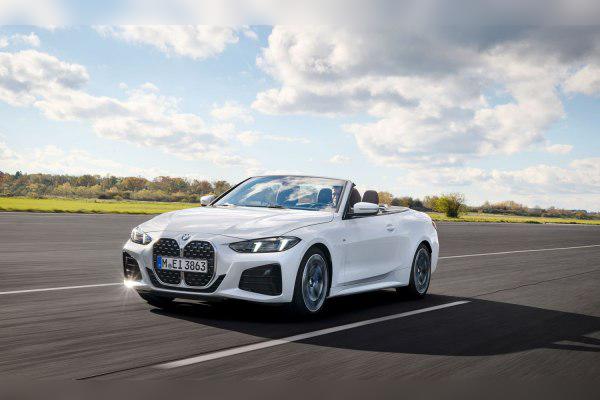
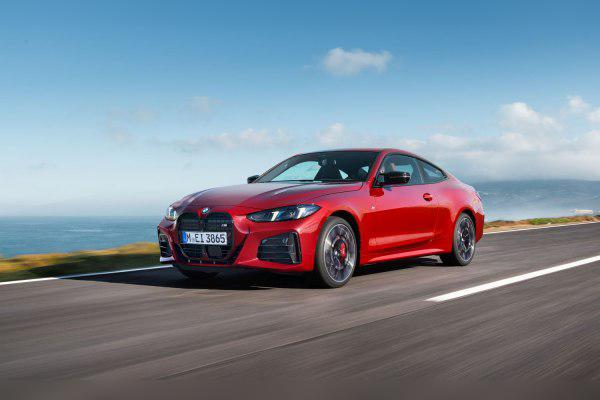
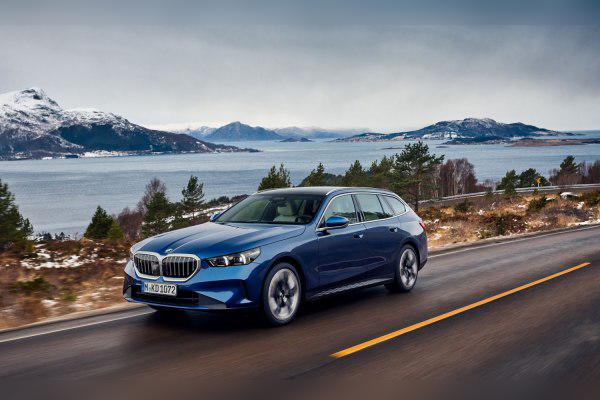
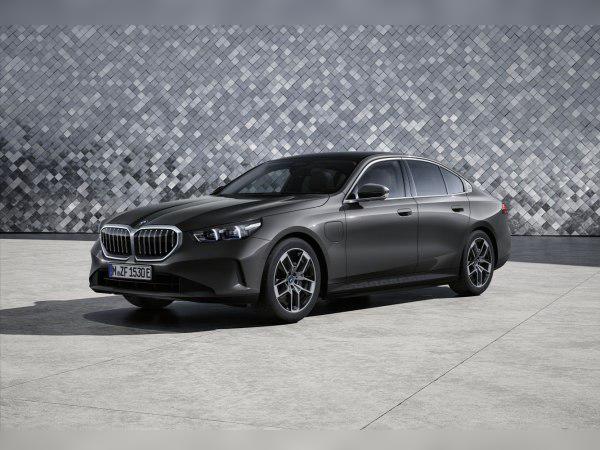


BMW B57 (3.0 Diesel) – Experiences, problems, fuel consumption and used car buying tips
In short, the most important (TL;DR)
- Engine: The B57 is one of the best modern diesel engines on the market – a 3.0-liter inline-six that offers an excellent balance of power and refinement.
- Timing chain: Located at the rear of the engine (next to the gearbox). Although more durable than its predecessor (N57), replacement is expensive because the engine has to be removed.
- EGR cooler: This is the most common “weak spot”. Coolant leaking into the intake can lead to serious failures and even fires (check recalls).
- Mild Hybrid: Newer versions (from 2020 onwards, including 2023/2024 models) come with a 48V system that reduces fuel consumption but increases maintenance complexity.
- Performance: With 650 Nm of torque, this engine “plays” with heavy X5 or 7 Series bodies. It’s not sluggish in any version.
- Gearbox: Comes exclusively with the ZF 8-speed automatic, which is the industry standard for reliability.
- Recommendation: Ideal for highway driving and heavy vehicles. Requires strict maintenance but rewards you with a top-notch driving experience.
Contents
Introduction: BMW B57 – The king of diesels in the G series
The BMW B57 is the direct successor to the famous but problematic N57 engine. It is a 3.0-liter inline six-cylinder (R6) diesel engine that represents the heart of BMW’s lineup for larger and more luxurious vehicles. It debuted in 2015, and the models you mentioned (facelift versions from 2023 and 2024) use the latest, technically refined version with Mild Hybrid technology.
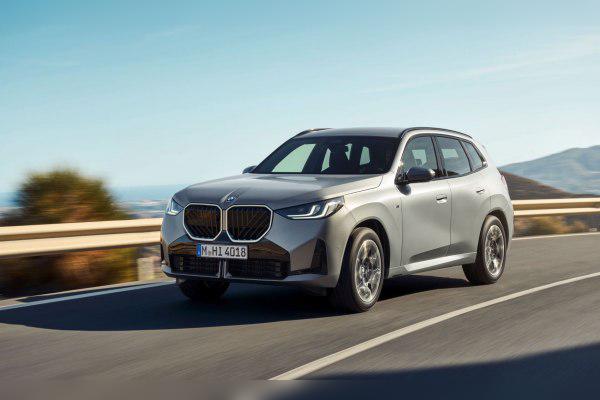
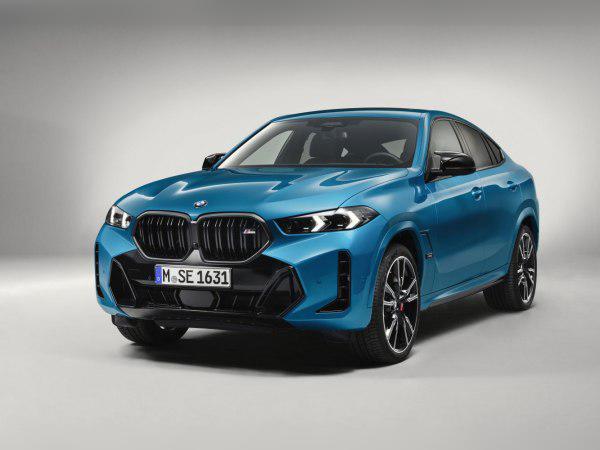
This engine is key because it combines BMW’s traditional “inline-six” philosophy with strict environmental regulations. It is installed in a wide range of models, from the sporty 4 Series, through the 5 and 7 Series sedans, all the way to heavy SUVs like the X3, X5 and X6. For many enthusiasts and high-mileage drivers, this is “the last real engine” before full electrification.
Technical specifications
| Parameter | Data |
|---|---|
| Engine displacement | 2993 cc (3.0 liters) |
| Configuration | Inline 6-cylinder (R6) |
| Power | 210 kW (286 hp) / 223 kW (303 hp) – depends on the model |
| Torque | 650 Nm (available from low revs) |
| Engine code | B57D30 (various revisions for MHEV) |
| Injection type | Common Rail (up to 2500 – 2700 bar) |
| Charging | TwinPower Turbo (single variable-geometry turbo or bi-turbo system, depending on version) |
| Hybrid system | 48V Mild Hybrid (starter-generator) |
Reliability and maintenance
Does this engine have a timing belt or a chain?
The BMW B57 uses a timing chain. As with its predecessor, the chain is located at the rear of the engine (between the engine and gearbox). From an engineering standpoint this is great for weight distribution and reduced vibrations, but it’s a nightmare for mechanics. Although the chain on the B57 is significantly more durable than on the old N47/N57 engines, it is not eternal. If it needs to be replaced (rattling, stretching), the engine usually has to come out, which makes it a labor-intensive and expensive job (very expensive, depends on the market).
What are the most common failures on this engine?
Although reliable, the B57 has its weaknesses:
1. EGR cooler (Exhaust Gas Recirculation): This is the best-known problem. The cooler can leak internally, mixing coolant with soot, which creates a flammable mixture in the intake manifold. BMW has had massive recalls because of this. A symptom is coolant disappearing without visible leaks under the car.
2. Intake manifold and swirl flaps: Due to direct injection and EGR, the intake manifold gets clogged with soot. The flaps can stick or break. Symptoms include loss of power or a “Check Engine” light.
3. Oil leaks at the filter housing: Plastic housings can fail over time due to heat cycles.
4. DPF differential pressure sensors: They can give false readings, which prevents DPF regeneration.
At what mileage is a major service required?
Since the engine has a chain, there is no classic “major service” at a fixed interval as with a belt. However, it is recommended to check the condition of the chain at around 150,000 – 200,000 km. If you hear a characteristic metallic noise (rattling) on cold start, the chain should be replaced immediately. At this mileage you should also check the crankshaft pulley and the auxiliary belt that drives the accessories.
How many liters of oil does this engine take and which grade is recommended?
The B57 engine takes approximately 6.5 to 7.0 liters of oil (check precisely by VIN, as MHEV systems can slightly affect the sump). The recommended grade is 5W-30 or 0W-30. It is mandatory to use oil that meets the BMW Longlife-04 (LL-04) specification, especially because of the DPF filter.
Does it consume oil between services?
The B57 is a modern and precise engine. It should not consume a noticeable amount of oil between services (e.g. more than 0.5 – 1L per 10,000 km). If the engine consumes more than that, it often points to a problem with the turbocharger, piston rings or leaks at the seals. Normal consumption is negligible.
How long do the injectors last and how reliable are they?
The system uses piezoelectric injectors (in some versions solenoid) that operate at very high pressures (over 2500 bar). The injectors have proven to be very durable and rarely cause problems before 200,000 – 250,000 km, provided quality fuel is used. Symptoms of bad injectors include rough idle (shaking when cold) and increased smoke.
Specific parts (costs)
Does the engine have a dual-mass flywheel?
Since all the models you mentioned come exclusively with an automatic gearbox, they do not have a classic dual-mass flywheel like vehicles with a manual transmission. Instead, they have a so-called flexplate and a torque converter. Still, the torque converter is a complex component that can fail, but this rarely happens before very high mileage. Replacement or refurbishment of the converter is expensive (depends on the market).
What kind of injection system does it have?
As mentioned, it’s a latest-generation Common Rail system. The injectors are not problematic by themselves, but they are very expensive to replace (expensive/very expensive). They are sensitive to poor diesel fuel and the presence of water in the fuel. The high-pressure fuel pump (HPFP) is reliable, but if it fails, it can send metal shavings throughout the system, which requires flushing the tank and replacing all lines.
Does this engine have one or two turbochargers and what is their lifespan?
Versions with 286 hp and 303 hp (as in the 430d, 540d, X5 30d) usually use a system with two turbochargers (a smaller one for low revs and quick response, and a larger one for high revs) or a single advanced variable-geometry turbo, depending on the exact sub-version and year. Turbo lifespan is closely tied to regular oil changes. With 10–15k km intervals, the turbos can last over 250,000 km.
Does this model have a DPF filter or EGR valve that often clogs?
Yes, it has both DPF and EGR, plus an AdBlue system.
EGR valve: Prone to fouling and sticking. This is standard with modern diesels.
DPF filter: If the car is driven mainly on open roads (which it is designed for), the DPF lasts a very long time (over 300,000 km). City driving kills it quickly.
Does this engine have AdBlue, does it cause problems and how is it maintained?
All the mentioned models (Euro 6d and newer) use AdBlue (SCR catalyst). The AdBlue system is a common source of headaches. The most frequent failures are the heater in the AdBlue tank or the pump, as well as crystallization of urea in the dosing injector. Repairs are expensive because the entire tank with pump is often replaced (expensive). Maintenance involves regularly topping up quality fluid and avoiding driving on “reserve” AdBlue.
Fuel consumption and performance
What is the real fuel consumption in city driving?
Despite the “mild hybrid” that shuts the engine off during deceleration, don’t expect miracles in the city from a 3.0 engine.
4 Series / 5 Series: 8.0 – 9.5 l/100 km in heavy traffic.
X5 / X6 / X7: 9.5 – 12.0 l/100 km in the city, due to high weight and aerodynamic drag.
Is this engine “lazy” for the weight of the body it’s installed in?
Absolutely not. With 650 Nm of torque, the B57 engine makes even heavy X5s or 7 Series feel light. Throttle response is instant, especially with the help of the 48V electric motor (starter-generator) that adds 11 hp and instant torque to “smooth out” turbo lag. Overtaking is effortless.
What is the engine like on the highway and at what revs does it cruise at 130 km/h?
This is the natural habitat of this engine. On the highway it is quiet, refined and powerful. At 130 km/h, thanks to the 8-speed gearbox, the engine spins at an extremely low 1,600 – 1,800 rpm (depending on the final drive). Fuel consumption on the open road for sedans can drop to 5.5 – 6.5 l/100 km, while for SUVs you should expect 7.0 – 8.5 l/100 km.
Additional options and modifications
How far can this engine be safely tuned (Stage 1)?
The B57 has huge potential. A Stage 1 remap usually raises power from the stock 286/300 hp to 330 – 350 hp, and torque increases to a brutal 750 – 780 Nm.
Note: The gearbox (ZF 8HP) can handle this torque, but the DPF filter will be subjected to higher thermal loads. On newer models (2021+), the ECU is often “locked” by the factory and has to be sent to specialized shops for unlocking before tuning, which makes the process more expensive (very expensive).
Gearbox
Which gearboxes are installed?
All the mentioned models come exclusively with the ZF 8HP Steptronic 8-speed automatic gearbox. Manual gearboxes are not offered with this engine in these body styles.
What are the most common automatic gearbox failures?
The ZF 8HP is probably the best automatic gearbox today. Failures are rare. Possible issues include oil leaks from the gearbox pan (the pan is plastic and integrated with the filter) or mechatronic (gearbox electronics) problems at very high mileage. Symptoms are harsher shifts or delays when changing gears.
At what mileage should the gearbox be serviced?
Although BMW claims the gearbox oil is “lifetime”, the gearbox manufacturer (ZF) strictly recommends changing the oil and filter (pan) every 80,000 to 100,000 km. If you want the gearbox to last 300k+ km, you must change the oil. The cost is moderate (not expensive compared to repairs), and the benefit is huge.
Buying used and conclusion
Before buying, be sure to check:
- Cold start: Listen for chain rattling at the rear of the engine. The engine should run smoothly immediately after starting.
- Coolant level: If the level is low and there are no visible external leaks, suspect the EGR cooler.
- Service history: Due to extended oil change intervals (30,000 km), engines can have sludge deposits. Ideally, find a car whose owner changed the oil every 15,000 km.
- Diagnostics: Check DPF saturation and injector correction values.
Conclusion:
The BMW B57 (3.0d) is an engine for true driving enthusiasts and those who travel a lot. It offers sports car performance with family hatchback fuel consumption on the open road. Maintenance is more expensive than on a 2.0 diesel (more oil, 6 injectors, higher registration, bigger brakes), but reliability and driving experience are on a much higher level. This is the sweet spot of BMW’s lineup.
Was this content useful to you?
Your opinion helps us to improve the quality of the content.