B48 Engine
- Engine
- 1998 cm3
- Aspiration
- Twin-power turbo, Intercooler
- Fuel
- Petrol (Gasoline)
- Fuel injection system
- Direct injection
- Power
- 184 hp @ 5000 rpm
- Torque
- 290 Nm
- Cylinders
- 4
- Valves
- 16, 4 per cylinder
- Cylinders position
- Inline
- Valvetrain
- Double-VANOS, VALVETRONIC
- Oil capacity
- 5.25 l
- Systems
- Start & Stop System
# Vehicles powered by this engine
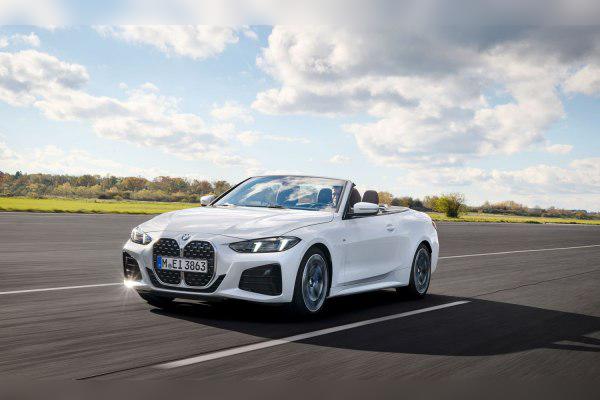

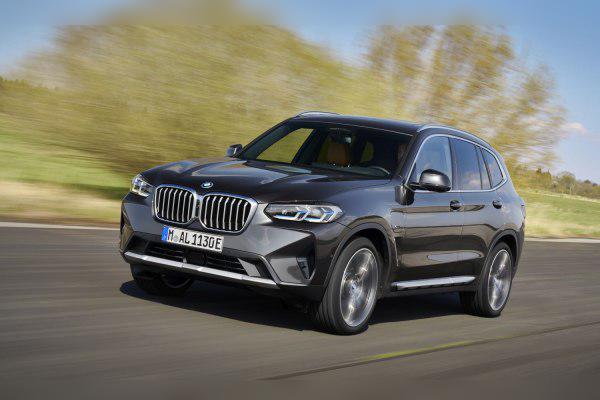

BMW B48 (2.0i 184 hp): Ownership impressions, common issues, fuel consumption and used-buying tips
Key points (TL;DR)
- Much better than its predecessor: The B48 has solved most of the catastrophic issues of the old N20 engine (especially timing chain problems).
- Cooling system is a weak point: Plastic housings, hoses and the water pump are prone to cracking and leaking after 100,000 km.
- Tuning potential: The 184 hp version is software “detuned”, so a Stage 1 remap unlocks a significant power increase.
- Top-notch gearbox: The ZF 8-speed automatic is the best in its class, but it does require oil changes despite BMW claiming otherwise.
- Direct injection: Not suitable for cheap LPG conversions, and it requires quality fuel and regular spark plug replacement.
- Performance in X3 vs 4 Series: In the 4 Series it feels agile, while in the heavier X3 (G01) you can feel the lack of torque during overtakes.
Contents
- Introduction and applications
- Technical specifications
- Reliability and maintenance
- Specific components and injection system
- Fuel consumption and performance
- Additional options and LPG
- Gearbox (ZF 8HP)
- Conclusion and used-buying advice
Introduction: The heart of BMW’s modern lineup
The engine with the code name B48 is the “backbone” of BMW’s modern range. It is a 2.0-liter turbocharged petrol engine that replaced the infamous N20. With the B-series engines (B38, B48, B58), BMW switched to a modular architecture, which means this four-cylinder shares many components with the larger six-cylinder B58, which is excellent news for longevity.
The 184 hp version (20i designation) we’re looking at here is the “entry-level” variant for models such as the BMW 4 Series (G22/G23 LCI) and the SUV BMW X3 (G01). This is an engine for drivers who want a premium feel and the refinement of a petrol engine, but are not chasing track-day lap records.
Technical specifications
| Parameter | Data |
|---|---|
| Displacement | 1998 cc (2.0 L) |
| Configuration | I4 (inline four-cylinder) |
| Power | 135 kW / 184 hp |
| Torque | 290 - 300 Nm (depending on version and model year) |
| Engine codes | B48B20A, B48B20M (variations depending on market) |
| Injection type | Direct injection (High Precision Injection) |
| Induction | TwinPower Turbo (single turbo with twin-scroll technology) |
| Emissions standard | Euro 6d / Euro 6d-TEMP (with GPF/OPF) |
Reliability and maintenance
Does this engine have a timing belt or a chain?
The BMW B48 uses a timing chain. Unlike older engines (N47/N20), the chain on the B48 has proven to be much more durable and rarely snaps or stretches at low mileage. However, there is a catch: the chain is located at the rear of the engine (towards the cabin/gearbox). If it ever needs to be replaced (usually you’ll hear rattling on cold start after 200,000+ km), the engine or gearbox has to come out, which makes the job very expensive in terms of labor.
What are the most common issues with this engine?
Although the mechanical side (pistons, crankshaft) is very robust, the ancillary components can cause trouble:
- Coolant leaks: This is issue number one. Plastic components in the cooling system (thermostat housing, water junctions, return hose from the turbo) become brittle from heat cycles and crack. Symptoms are low coolant level or a puddle under the car.
- Oil filter housing: Oil leaks or oil mixing with coolant are common because the plastic housing degrades.
- VANOS solenoids: The variable valve timing system can throw fault codes, leading to rough running or loss of power.
- PCV valve: It is integrated into the valve cover. When it fails (whistling noise, oil consumption), you often have to replace the entire valve cover.
At what mileage is the “major service” due?
On chain-driven engines there is no fixed “major service” interval like with timing belts. The chain is designed to last the “lifetime of the vehicle”, but in practice that means around 200,000 to 250,000 km. The condition of the chain should be checked by listening for noise on cold start. Replace the serpentine (auxiliary) belt, tensioners and water pump preventively around 100,000 - 120,000 km.
Oil: quantity, grade and consumption
The B48 engine takes approximately 5.25 liters of oil. The recommended grade is 0W-20 or 5W-30 (BMW Longlife-12 FE or Longlife-04 specification).
Does it burn oil? B48 engines are much “tighter” than their predecessors. Oil consumption between services is usually not significant if the engine is healthy. If the engine uses more than 0.5 liters per 1,000 km, that points to a problem (often the PCV valve or valve stem seals at high mileage, or a turbo leak). It is normal to top up to 1 liter per 10,000 km with more spirited driving.
Spark plugs and injectors
Since this is a direct-injection engine, it is sensitive to spark plug condition. It is recommended to replace the plugs every 40,000 to 60,000 km (and more often on tuned engines). The injectors are piezo-electric, very precise but also expensive. In general they are reliable, but they are noisy – the characteristic “ticking” at idle is normal for this engine and should not worry you (people often think it’s the valve lifters, but it’s actually the injectors).
Specific components (costs)
Does the engine have a dual-mass flywheel?
Since the models you mentioned (4 Series, X3) are equipped with a Steptronic (automatic) gearbox, they do not have a conventional dual-mass flywheel that needs to be replaced like on manual transmissions. They use a torque converter. However, there is a vibration damper within the system. The good news is that on ZF automatics these parts very rarely fail and are not a regular maintenance item.
Turbocharger and injection system
The engine uses a single turbocharger with twin-scroll technology (two exhaust gas channels feeding the turbine). Don’t be confused by the “TwinPower Turbo” name – that’s BMW marketing, it is not a twin-turbo. The turbo’s lifespan is long (over 200,000 km with regular oil changes). The most common turbo-related issue is the electronic actuator (wastegate) or cracking of the plastic vacuum lines around it.
GPF/OPF filter and EGR
Modern B48 engines (Euro 6d standard, from 2018 onwards) are equipped with a OPF/GPF filter (Gasoline Particulate Filter – the petrol equivalent of a DPF on diesels).
- Does it clog? Petrol engines reach higher exhaust temperatures faster than diesels, so the OPF regenerates passively much more easily. Clogging is rare, unless the car is driven exclusively on very short trips (2–3 km) for years.
- EGR: There is an exhaust gas recirculation system, but on petrol engines it builds up far less soot than on diesels and rarely causes issues before 150,000 km.
AdBlue
No. This is a petrol engine. AdBlue is used only by diesel engines (18d, 20d, 30d etc.) to reduce NOx emissions. You have no costs or maintenance related to AdBlue.
Fuel consumption and performance
Real-world consumption and city driving
Fuel consumption depends heavily on the model the engine is installed in (due to weight and aerodynamics):
- BMW 4 Series (G22/G23): Expect around 8.5 - 10 l/100 km in the city. On the highway it can drop to 6 - 7 liters.
- BMW X3 (G01): Due to its larger frontal area and weight, realistic city consumption is 10 - 12 l/100 km. On the highway it will struggle to go below 7.5 - 8 liters.
Is the engine “lazy”? (Performance)
With 184 hp and 290 Nm, the engine is very flexible from low revs (maximum torque is available from just 1,350 rpm).
- In the 4 Series: The engine is more than adequate for dynamic driving. 0–100 km/h in about 7.5 seconds is respectable.
- In the X3: Here you can feel the weight. The engine will do the job properly, but for overtakes on country roads or uphill with a full car, you’ll need to rev it harder. It’s not “lazy” in the sense of being unsafe, but it lacks that “kick in the back” you get from the 30i or the 20d diesel.
Motorway driving
Thanks to the 8-speed gearbox, at 130 km/h the engine spins at just 2,000 - 2,200 rpm (depending on the final drive ratio). Cruising is quiet, with no vibrations, ideal for long journeys.
Additional options and modifications
Is it suitable for LPG conversion?
Not recommended. The B48 has direct fuel injection into the cylinders. This requires expensive “direct injection” LPG systems (which also use a bit of petrol while running on gas to cool the injectors) or even more expensive liquid LPG injection systems. Installation costs are high (often over 1000–1200 EUR), and the payback is questionable unless you cover huge mileage. You also risk issues with the sensitive petrol injectors.
Remapping (Stage 1)
This is a favorite topic among 20i owners. The B48 in 20i guise is often a software-limited version of the more powerful engine (although in some series the pistons and compression ratio differ compared to the 30i). A Stage 1 remap safely raises power from 184 hp to around 250 - 260 hp and torque to over 400 Nm. This completely transforms the car, especially the heavy X3. Provided the engine is regularly serviced and runs on quality fuel, the B48 handles this power very well.
Gearbox: ZF 8HP (Steptronic)
Type and characteristics
All of the mentioned models use the ZF 8HP torque-converter automatic gearbox. This is currently arguably the best automatic transmission on the market – as quick as a dual-clutch, yet as smooth as a traditional automatic.
Maintenance and issues
BMW often claims that the gearbox oil is “lifetime fill”. This is not true if you want the car to last. The gearbox manufacturer (ZF) recommends changing the oil and the gearbox pan (which contains the filter) every 80,000 to 120,000 km (or every 8 years).
Most common problems: If the oil is not changed, you may experience jerks during shifts (a “kick” from 1st to 2nd gear) or a delay when engaging “D” or “R”. Oil leaks from the gearbox pan are also possible. The cost of an oil change is moderate (varies by market), but it is essential.
Buying used and conclusion
Before buying, make sure to check the following:
- Coolant traces: Look around the water pump and under the intake manifold for whitish traces of dried coolant.
- Cold start: The engine should run smoothly immediately after starting. If you hear metallic rattling from the rear of the engine for a few seconds, the chain may be due for replacement.
- Gearbox service history: If the car has over 100,000 km, ask whether the gearbox oil has been changed.
Conclusion: The BMW B48 (20i) is an excellent, modern engine that offers a great balance between performance and running costs. It is far more reliable than older BMW petrol engines. It is ideal for buyers who drive up to 20–25,000 km per year and want the smoothness of a petrol engine. For the heavy X3, if you often drive fully loaded, consider the more powerful 30i version or the 20d diesel, while for the 4 Series this engine is the “sweet spot” for everyday enjoyment.
Was this content useful to you?
Your opinion helps us to improve the quality of the content.