B47 Engine
- Engine
- 1995 cm3
- Aspiration
- Twin-power turbo, Intercooler
- Fuel
- Diesel
- Fuel injection system
- Diesel Commonrail
- Power
- 190 hp @ 4000 rpm
- Torque
- 400 Nm
- Cylinders
- 4
- Valves
- 16, 4 per cylinder
- Cylinders position
- Inline
- Valvetrain
- DOHC
- Oil capacity
- 5.5 l
- Systems
- Start & Stop System, Particulate filter
# Vehicles powered by this engine
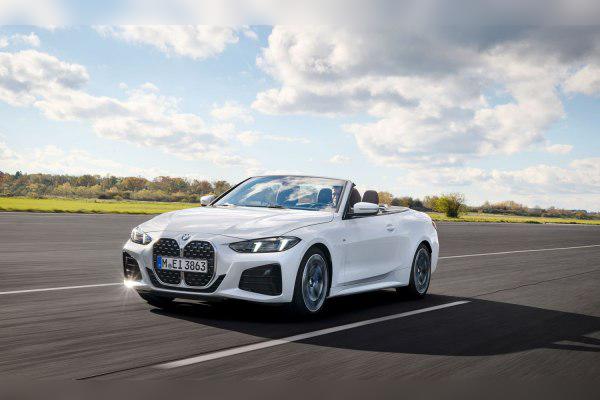
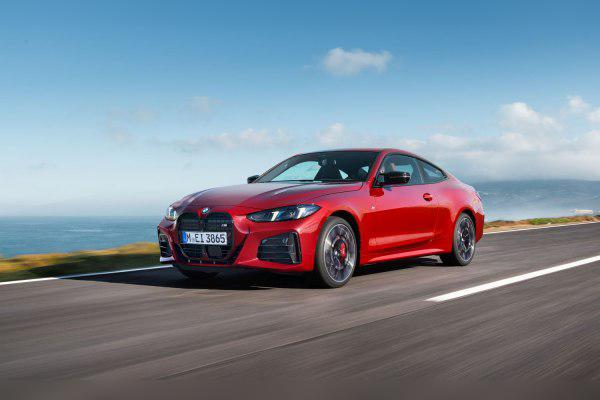
B47 2.0d (190 hp) Mild Hybrid: Experiences, issues, fuel consumption and maintenance
Key points (TL;DR)
- Reliability: The B47 is significantly more reliable than its notorious predecessor, the N47, but it still requires strict maintenance.
- Timing chain: It has a chain located at the rear of the engine (towards the gearbox). Although more durable than before, replacement is expensive due to labour (the engine usually has to be removed).
- Mild Hybrid (48V): Versions in the G22/G23 LCI (2024) come with a 48‑volt system that improves start‑stop operation and reduces fuel consumption, but adds complexity (separate battery, starter‑generator).
- EGR cooler: The Achilles’ heel of this engine. Prone to cracking and coolant leaks, which can lead to serious failures (there are recalls).
- Gearbox: The ZF 8‑speed automatic is probably the best part of the drivetrain – quick, comfortable and robust with regular oil changes.
- Use case: An ideal motorway mile‑eater. Not suitable for short city trips because of the DPF and AdBlue systems.
Contents
- Introduction and applications
- Technical specifications
- Reliability, maintenance and failures
- Specific components and costs
- Fuel consumption and performance
- Additional options and modifications
- Gearbox (ZF 8HP)
- Buying used and conclusion
Introduction and applications
The engine with the internal code B47 is the heart of BMW’s diesel line‑up over the last decade. It is the direct successor to the N47 engine, which was known for its timing chain issues. The B47 was designed to correct those flaws, adding refinement and better performance. In BMW 4 Series (G22 Coupe and G23 Convertible) models, especially in the LCI (2024 facelift) versions, this engine is paired with 48V Mild Hybrid technology.
This is not just “another diesel”. The mild‑hybrid system allows the engine to switch off while driving (coasting) to save fuel, and the electric motor assists during acceleration, eliminating turbo lag. For a driver looking for a balance of dynamics, low consumption and a premium feel, the 420d is often the most sensible choice.
Technical specifications
| Engine code | B47 (B47D20) |
| Displacement | 1995 cc (2.0 L) |
| Configuration | Inline 4‑cylinder |
| Power | 140 kW (190 hp) + 8 kW (11 hp) MHEV assist |
| Torque | 400 Nm at 1750–2500 rpm |
| Injection type | Common Rail (2500+ bar) |
| Charging | TwinPower Turbo (variable geometry or bi‑turbo depending on version) |
| Emissions standard | Euro 6d / Euro 6e (with AdBlue) |
Reliability and maintenance
Chain or belt?
The BMW B47 engine uses a timing chain. However, the engineering decision that frustrates many owners and mechanics is the chain’s position – it is located at the rear of the engine, next to the gearbox (towards the cabin). Although the chain on B47 engines is much more durable than on the old N47 models and rarely snaps without warning, it does stretch over time.
Symptoms of problems: You can hear rattling or a rhythmic rustling noise on cold start (the typical “chain noise”). If you hear this, replacement is urgent. Because of the inaccessible position, replacing the chain often requires removing the entire engine or gearbox, which dramatically increases labour costs.
Most common issues
Aside from the chain, which is now more a matter of regular wear than a factory defect, the B47 has several specific issues:
- EGR cooler: This is the best‑known problem. The exhaust gas recirculation cooler can crack internally. Coolant enters the intake and mixes with soot, creating a flammable mixture. Symptoms: Coolant loss without visible leaks under the car, exhaust smell in the cabin. BMW has issued mass recalls for this, so be sure to check with an authorised dealer whether your car is covered.
- Intake manifold and swirl flaps: Over time, soot builds up and can block the movement of the flaps. In extreme cases, parts of the flaps can break off and enter the engine (less likely than before, but still possible).
- Pressure and temperature sensors: Due to the high complexity of the Euro 6 system, failures of DPF or NOx sensors are not uncommon.
Service intervals and oil
The major service (chain replacement) is not strictly defined by mileage, but by condition (rattling). In practice, this usually happens between 150,000 and 200,000 km. Minor services (oil and filters) should be done at a maximum of 10,000 to 15,000 km, despite BMW recommending 30,000 km (Long Life). Shortening the interval is key to chain longevity.
Oil quantity and type: The engine takes approximately 5.0 to 5.5 litres of oil. Recommended grades are 5W‑30 or 0W‑30 with BMW Longlife‑04 specification (or the newer BMW Longlife‑12 FE for certain markets, but LL‑04 is the safer choice for engine protection).
Oil consumption: A healthy B47 engine should not consume a significant amount of oil between services. Consumption of 0.5 litres per 10,000 km is acceptable. If you have to top up a litre every 2–3 thousand km, that points to an issue with piston rings, valve stem seals or the turbo.
Injectors
This engine uses sophisticated electromagnetic or piezo injectors (depending on year and variant) operating at pressures of 2000 to 2500 bar. They are generally very durable and can last over 250,000 km with good‑quality fuel. Early symptoms of bad injectors are rough idle (“shaking”), increased smoke under acceleration or hard starting. Reconditioning is possible, but replacement with new units (depending on market: very expensive) is often the more long‑term solution.
Specific components and costs
Injection system and turbo
Turbocharger: The term “TwinPower Turbo” often confuses buyers. On 420d (190 hp) models, it usually refers to a single turbocharger with variable geometry (VGT) and a twin‑scroll housing. However, on the latest versions (including some MHEV variants), BMW has introduced a two‑turbo setup (a smaller one for low revs and a larger one for high revs) even on 20d‑badged engines to improve throttle response. Turbo lifespan is directly linked to regular oil changes and driving style (cool‑down after fast driving). Expect 200,000+ km without issues with proper maintenance.
DPF, EGR and AdBlue
Like every modern Euro 6d diesel, this engine is a “chemical factory”.
- DPF (diesel particulate filter): If you drive exclusively in the city, it will clog. Regeneration requires open‑road driving. Replacement is extremely expensive.
- EGR valve: Often gets clogged with soot, causing jerking while driving and the check‑engine light to come on. Cleaning helps, but replacement is often needed.
- AdBlue: Yes, this engine uses AdBlue (SCR system). The system is sensitive to fluid quality and low temperatures. A common issue is failure of the heater in the AdBlue tank or crystallisation of the fluid, which clogs the dosing nozzle. Repairing the AdBlue system can be expensive (market‑dependent), as the whole tank with pump is often replaced.
Fuel consumption and performance
Is the engine “lazy”? Absolutely not. With 400 Nm of torque available from just 1750 rpm, the 420d moves the 4 Series body surprisingly well. Thanks to the mild‑hybrid system, the “hole” when setting off is minimal because the electric motor fills in the lack of power until the turbo spools up. It reaches 100 km/h in about 7 seconds, which is more than enough for a sporty feel.
Real‑world consumption:
- City driving: Expect between 6.5 and 8.0 l/100 km, depending on traffic and how heavy your right foot is. The mild‑hybrid system helps most here by aggressively shutting the engine off during deceleration.
- Open road / motorway: This is where this engine shines. At 130 km/h, the gearbox keeps the engine at a very low 1800–2000 rpm (in 8th gear), and consumption is around 5.0 to 5.5 l/100 km. One tank easily gets you over 1000 km.
Additional options and modifications
Chip tuning (Stage 1)
The B47 engine responds very well to remapping (chipping). Since it is structurally similar to higher‑output versions (e.g. the 25d with two turbos), the basic block can handle more power.
Safe limit: A Stage 1 map usually raises power from 190 hp to 220–230 hp, and torque from 400 Nm to 450–480 Nm. This significantly changes the character of the car. However, keep in mind that the extra power puts additional stress on the DPF and automatic gearbox, so it is recommended only if the car is mechanically perfect.
Gearbox: Steptronic (ZF 8HP)
BMW 4 Series (G22/G23 LCI) models come exclusively with an automatic gearbox. It is the well‑known ZF 8HP (8‑speed torque‑converter automatic).
Reliability and failures
This is probably the best automatic gearbox on the market. It is very reliable. Mechatronic failures are rare and usually occur at high mileages.
Dual‑mass flywheel on automatics?
Technically, automatic gearboxes do not have a classic dual‑mass flywheel like manuals (which wears due to clutch friction). They have a torque converter and a flex plate that can include elements for vibration damping. This is not a consumable part in the same way as on a manual and is rarely replaced, except in the case of serious failure or extremely high mileage where vibrations appear.
Gearbox service
BMW often states that the gearbox oil is “lifetime fill”. Do not believe this. The gearbox manufacturer (ZF) strictly recommends changing the oil and pan (the filter is integrated into the pan) every 80,000 to 120,000 km. If you don’t, expect jerky shifts (“kicking”) and clutch pack slip inside the gearbox after 150–200k km.
Buying used and conclusion
The BMW 420d with the B47 engine is, in its class, one of the most complete packages on the market. It offers an excellent balance of performance and fuel consumption, with improved reliability compared to previous generations.
What to check before buying?
- Cold start: Listen to the engine when it is completely cold. Any rattling from the rear of the engine (chain) is a red flag and means a bill of 1000+ EUR.
- EGR check: Ask for proof of EGR cooler replacement or check whether the vehicle is subject to an active recall. Check the coolant level.
- Diagnostics: Check injector corrections and DPF saturation level (backpressure).
- AdBlue: Check for any errors related to the SCR system or fluid level.
Conclusion: This engine is intended for drivers who cover more than 20,000 km per year, mostly on open roads. If you need a car for short city trips (to work and back, 5 km), avoid diesel and look at petrol variants (420i/430i), otherwise you will be a frequent visitor to the workshop because of the DPF and EGR.
Was this content useful to you?
Your opinion helps us to improve the quality of the content.