B48B20V Engine
- Engine
- 1998 cm3
- Aspiration
- Twin-power turbo, Intercooler
- Fuel
- Petrol / electricity
- Fuel injection system
- Direct injection
- Power
- 190 hp
- Torque
- 310 Nm
- Cylinders
- 4
- Valves
- 16, 4 per cylinder
- Cylinders position
- Inline
- Valvetrain
- VALVETRONIC, Double-VANOS
- Systems
- Start & Stop System, Particulate filter
# Vehicles powered by this engine
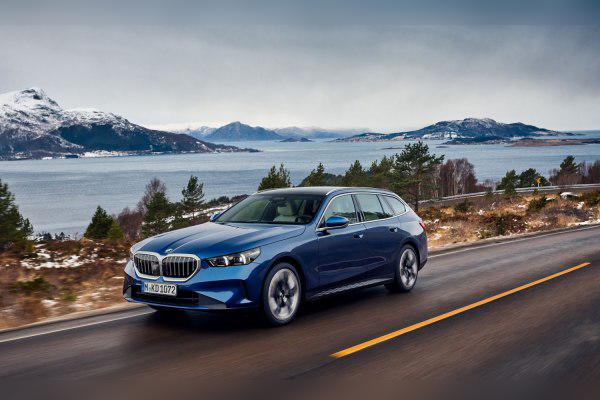
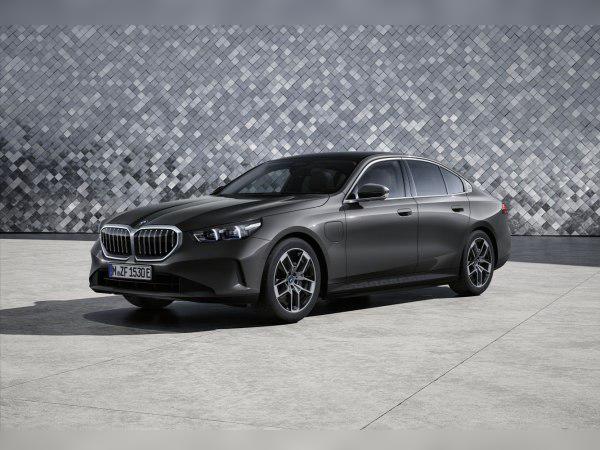
BMW B48B20V (530e) – Experiences, Problems, Fuel Consumption and Used Car Buying Guide
Key points (TL;DR)
- The B48 is one of the most reliable modern BMW engines – Far better than its predecessor (N20), without widespread timing chain failure issues.
- Hybrid complexity – Although the petrol unit itself is excellent, the plug-in hybrid (PHEV) system adds weight and components that require specific maintenance (battery, high-voltage system).
- Coolant leaks – The most common “weak spot”. Plastic hoses and housings become brittle and crack.
- Performance is impressive – The combined system output of 299 hp makes this heavy 5 Series accelerate like a sports car, but fuel consumption is high once the battery is empty.
- The ZF gearbox is a masterpiece – The 8‑speed automatic is integrated with the electric motor, operates smoothly, but requires regular oil changes.
- Direct injection and GPF – The engine is sensitive to fuel quality and short trips where it doesn’t fully warm up (soot buildup).
Contents
- Introduction and applications
- Technical specifications
- Reliability and maintenance
- Specific parts and costs
- Fuel consumption and performance
- Additional options and modifications
- Gearbox and drivetrain
- Buying used and conclusion
Introduction and applications
The engine with the code B48B20V is the heart of modern BMW plug‑in hybrids, specifically in the latest 5 Series (G60 Sedan and G61 Touring). This is not an ordinary petrol engine; it is a 2‑liter turbo unit adapted to work in tandem with a powerful electric motor. The “V” suffix often indicates a specific version for hybrid drivetrains, with a focus on thermal efficiency and smooth starting, because the engine frequently turns on and off while driving.
In 530e models, this petrol engine produces 190 hp, but with the help of the electric motor the total system output jumps to a serious 299 hp (depending on the driving mode). This is an engine for those who want six‑cylinder‑like performance with tax benefits and the ability to drive on electricity in the city. Still, like any complex machine, it requires an understanding of how it works if you want it to serve you well for a long time.
Technical specifications
| Parameter | Value |
|---|---|
| Engine designation | B48B20V |
| Displacement | 1998 cc (2.0L) |
| Power (petrol engine) | 140 kW (190 hp) |
| Torque (petrol engine) | 310 Nm |
| System output (hybrid) | Up to 220 kW (299 hp) – combined |
| Injection type | Direct injection (High Precision Injection) |
| Induction | TwinPower Turbo (twin‑scroll) + intercooler |
| Number of cylinders | 4 (inline) |
Reliability and maintenance
Does this engine use a timing belt or a chain?
The B48 engine uses a timing chain. Unlike older generations (the notorious N47/N20), the chain on B48 engines is moved to the rear of the engine (towards the cabin/gearbox) for better balance and pedestrian safety, but it is significantly more durable. However, its position means that in case of replacement the engine or gearbox has to be removed, which makes the job very expensive (depending on the market, but think “very expensive”). Fortunately, chain issues before 200,000 km are rare with regular oil changes.
What are the most common failures on this engine?
Although robust, the B48B20V has a few weak points:
- Cooling system: This is its Achilles’ heel. Plastic housings, hoses and water junctions become brittle from heat cycles. The oil filter housing (integrated with the oil cooler) or the water pump often fail. Symptoms include coolant loss or the smell of antifreeze in the cabin.
- VANOS solenoids: They can get dirty if oil changes are neglected, which leads to rough running or loss of power.
- Crankcase ventilation (PCV valve): It is integrated into the valve cover. When it fails, the engine may start to “whistle” or consume oil. Unfortunately, the solution is to replace the entire valve cover.
At what mileage is a major service required?
With chain‑driven engines there is no fixed “major service” interval like with timing belts. However, it is recommended to thoroughly check the chain and tensioners (by sound and diagnostics) at around 150,000 – 200,000 km. At this mileage the water pump and auxiliary belt with tensioners also often come due for replacement.
How many liters of oil does this engine take and which grade is recommended?
The B48 engine takes about 5.25 to 5.75 liters of oil (always check the exact amount because sumps can vary on hybrid versions). The recommended grade is 0W‑20 or 5W‑30 with the BMW Longlife‑17 FE+ specification. Due to the turbocharger and hybrid operation (frequent cold starts), high‑quality oil is crucial.
Does it consume oil between services?
In general, the B48 is not known as a heavy oil consumer if everything is in good condition. Consumption up to 0.5 liters per 10,000 km is acceptable. If it uses more, the problem is usually the PCV valve or leaks at gaskets (oil filter housing), and less often piston rings or valve stem seals at lower mileages.
At what mileage should the spark plugs be replaced?
On this turbo petrol engine, spark plugs are heavily stressed. It is recommended to replace them every 40,000 to 60,000 km. On hybrids this is specific – although the engine runs fewer kilometers (because you drive on electricity), it has many more start/stop cycles, which also wears out the plugs. Do not postpone replacement, as a bad spark plug can damage an ignition coil (a common failure).
Specific parts (costs)
Does this engine have a dual‑mass flywheel?
Yes, but in the context of the hybrid (G60/G61 530e), the system is slightly different. Between the engine and the gearbox there is a torsional vibration damper (which performs the function of a dual‑mass flywheel) integrated with the electric motor. This assembly is very expensive (depending on the market: very expensive). If you feel strong vibrations when switching from electric to petrol drive, it may indicate an issue with this assembly or the engine mounts.
What kind of injection system does it have and are the injectors problematic?
It uses High Precision Injection (direct high‑pressure injection). The injectors are piezoelectric and generally reliable, but very sensitive to poor fuel quality. Injector failure manifests as fuel “dripping” into the cylinder (washing oil off the cylinder walls), smoke from the exhaust or rough running. A single injector is expensive (depending on the market: expensive).
Does this engine have a turbocharger and what is its lifespan?
It has a single twin‑scroll turbocharger (TwinPower technology). Lifespan is long (often over 200,000 km) if you respect cool‑down rules and change the oil regularly. The turbo is water‑cooled, which helps durability, but the hybrid operating mode (where the engine can shut off immediately after hard acceleration) can be a challenge. Fortunately, the electric water pump continues to cool the turbo even after the engine is switched off.
Does this model have a DPF filter or an EGR valve?
Since it is a petrol engine, it does not have a DPF, but it does have a GPF (OPF) filter (Gasoline Particulate Filter) due to strict Euro emission standards. It also has an EGR system. In plug‑in hybrids, the GPF can clog more quickly if the car is driven exclusively on short trips where the petrol engine runs only for a few minutes and does not reach operating temperature. It is necessary to occasionally “blow out” the car on an open road in Sport mode.
Does this engine use AdBlue?
No. AdBlue is used exclusively on diesel engines. This model runs only on unleaded petrol.
Fuel consumption and performance
What is the real‑world fuel consumption in city driving?
This is a trick question for a PHEV vehicle.
If you charge the battery regularly: Fuel consumption can be 0 l/100 km.
If the battery is empty (driving in hybrid mode): Expect consumption between 8.5 and 11 liters per 100 km in the city. The 5 Series (G60/G61) is a heavy car (over 2 tons due to the batteries), and when the petrol engine has to pull that weight on its own in stop‑and‑go traffic, it drinks fuel.
Is this engine “lazy” for the weight of the car?
Not at all. Although a 2.0 engine might have sounded “weak” for a 5 Series 15 years ago, here you have electric assistance. The electric motor delivers torque instantly (from 0 rpm). This “masks” any turbo lag or lack of low‑end power from the petrol engine. The combined output of 299 hp provides acceleration on par with older 3.0‑liter engines. Overtaking is lightning‑fast thanks to the “e‑Boost” function.
How does the engine behave on the motorway?
On the motorway it behaves like a classic cruiser. At 130 km/h the engine runs relaxed, usually below 2,000 rpm in 8th gear. Sound insulation is excellent. Fuel consumption on the open road (with an empty battery) is around 7.0 to 8.5 l/100 km, depending on driving style. Above 140 km/h consumption rises noticeably due to aerodynamics and weight.
Additional options and modifications
Is this engine suitable for LPG conversion?
I absolutely do not recommend it. Technically, it is possible to install a liquid‑phase direct injection LPG system (DLM), but: 1) There is nowhere to put the tank (the boot is already reduced because of the hybrid system battery). 2) The system itself is extremely expensive (over 1500–2000 EUR). 3) The complexity of the hybrid system and electronics makes LPG calibration a nightmare. You will lose more nerves than you will save money.
How far can this engine be safely tuned (Stage 1)?
The B48 engine has huge potential. The petrol engine alone (which in this version makes 190 hp from the factory) can easily be raised via software to 250–260 hp and around 400 Nm (just at the crank of the petrol unit). However, CAUTION: On 530e models, the limiting factor is not the engine, but the gearbox and its integration with the electric motor. Excessive torque increase can damage hybrid drivetrain components. Stage 1 is possible, but it must be done by top‑tier specialists who know how to map PHEV vehicles so as to avoid jerks when switching drive sources.
Gearbox
Which gearboxes are fitted?
The 530e comes exclusively with an 8‑speed Steptronic automatic gearbox made by ZF (most likely the 8HP generation, a specific hybrid version where the torque converter is replaced or modified to accommodate the electric motor). A manual gearbox is not available.
What are the most common gearbox issues?
The ZF 8HP is probably the best automatic gearbox in the world at the moment. Failures are rare. When they do occur, they are usually related to:
- Oil leaks from the gearbox pan (which is plastic).
- Mechatronics (the electronics inside the gearbox) can cause issues at high mileage.
- On hybrids, jerks when switching from electric to petrol drive can indicate a problem with clutch adaptation inside the gearbox.
At what mileage should the gearbox be serviced?
BMW often claims that the oil is “lifetime”. Do not believe this. The gearbox manufacturer (ZF) recommends changing the oil and the pan (which contains the filter) every 80,000 to 100,000 km. On hybrids this is especially important because the gearbox is subjected to high torque shocks from the electric motor. The service is not cheap (depending on the market: moderately expensive), but it is far cheaper than a gearbox overhaul.
Buying used and conclusion
When buying a used BMW 530e (G60/G61) with this engine, pay attention to the following:
- White residue around the engine: Check all coolant hoses and joints. White marks are a sign of antifreeze leaks.
- Timing chain noise: On a cold start (when the engine is completely cold), listen for any rattling from the rear of the engine during the first 3 seconds.
- Battery condition: Ask for a diagnostic report on the high‑voltage battery “State of Health” (SoH). Battery replacement is economically unviable (depending on the market: extremely expensive).
- Service history: Check whether the oil was changed every 15k km or 30k km. Cars with 30k km intervals are riskier.
Conclusion:
The B48B20V in the 530e is an excellent choice for business users and anyone who has a garage with a power outlet. You get sports‑car performance with the comfort of a limousine. The engine is mechanically sound and has solved most of its predecessors’ issues. However, if you have nowhere to charge it and drive only on petrol, you will just be hauling unnecessary battery weight and fuel consumption will not be low. For those who drive long motorway journeys, a diesel (520d) may still be the more logical choice, but for a mix of city and open‑road driving, the 530e is a technological gem.
Was this content useful to you?
Your opinion helps us to improve the quality of the content.