B48 Engine
- Engine
- 1998 cm3
- Aspiration
- Twin-power turbo, Intercooler
- Fuel
- Petrol (Gasoline)
- Fuel injection system
- Direct injection and Multi-port manifold injection
- Power
- 190 hp
- Torque
- 310 Nm
- Cylinders
- 4
- Valves
- 16, 4 per cylinder
- Cylinders position
- Inline
- Valvetrain
- VALVETRONIC, Double-VANOS
- Oil capacity
- 5.25 l
- Systems
- Start & Stop System, Particulate filter
# Vehicles powered by this engine
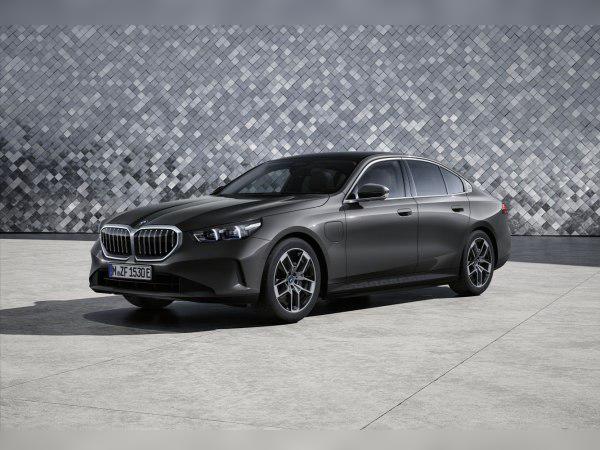
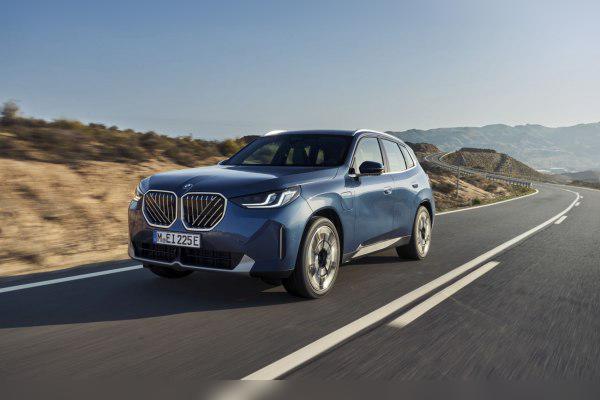
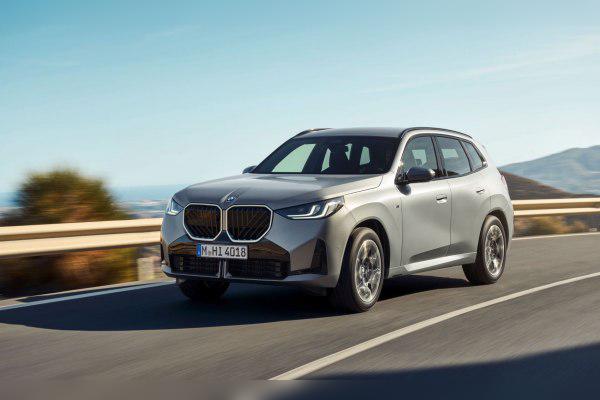
BMW B48 (2.0 TwinPower Turbo) – Experiences, problems, fuel consumption and buying tips
1. Key points in short (TL;DR)
- Engine: Very flexible and refined 2.0‑liter turbo petrol, a worthy successor to the N20 engine.
- Timing: Chain-driven, with the chain located at the rear of the engine (towards the gearbox). More reliable than on older diesels, but replacement is expensive due to labor.
- Cooling: The biggest weakness of this engine are the plastic coolant hoses and housings, which become brittle and crack.
- Hybridization: In G60 (5 Series) and G45 (X3) models, this engine is always paired with an electric motor (Mild or Plug‑in Hybrid), which reduces fuel consumption but increases complexity.
- Oil: Requires strict oil changes at a maximum of 10,000–15,000 km, never at the factory 30,000 km interval, due to the sensitivity of the VANOS system and turbo.
- Recommendation: One of the best 2.0 turbo petrol engines on the market today, provided coolant leaks are dealt with preventively.
2. Contents
- Introduction and engine applications
- Technical specifications
- Reliability, maintenance and failures
- Specific components and injection system
- Fuel consumption and performance
- Additional options, LPG and tuning
- Gearbox and drivetrain
- Buying used and conclusion
Introduction: The heart of the modern BMW
BMW’s B48 engine is part of the modular “B” family (together with B38 and B58) and forms the backbone of the Bavarian manufacturer’s lineup. It is an inline four‑cylinder 2.0‑liter engine with direct injection and a turbocharger. In the models you mention, such as the new 5 Series (G60) and the new X3 (G45), this engine does not work on its own. It is part of a complex hybrid system, whether it’s a 48V Mild Hybrid or a full Plug‑in Hybrid (PHEV). This matters because electric assistance masks any potential low‑rpm torque shortcomings and drastically changes how the engine is used (frequent stop‑start operation).
Technical specifications
| Parameter | Value |
|---|---|
| Engine displacement | 1998 cc (2.0 l) |
| Configuration | Inline, 4 cylinders (R4) |
| Power (ICE) | 140 kW (190 hp) – variable depending on version |
| Torque (ICE) | 310–400 Nm (depending on version) |
| System output (Hybrid) | 208 hp (MHEV) / 299 hp (PHEV) |
| Engine code | B48B20 (various revisions A, B, M) |
| Charging | TwinPower Turbo (twin‑scroll) |
| Injection | Direct (High Precision Injection) |
Reliability and maintenance
Does this engine have a timing belt or a chain?
The B48 engine uses a timing chain. Unlike older engines where the chain was at the front, here it is located at the rear of the engine, towards the cabin and gearbox. This was done from an engineering standpoint for better weight distribution and pedestrian safety, but for the owner it means one thing: if the chain needs to be replaced, the engine (or gearbox) has to come out. Still, the chain on the B48 has proven far more durable than on the notorious N47 diesel. It is not intended for regular replacement, but an inspection is recommended at around 200,000 km or if you hear rattling on a cold start.
What are the most common failures on this engine?
Although reliable, the B48 has its quirks:
- Cooling system (biggest weakness): Plastic components of the cooling system are its Achilles’ heel. The vent line that runs from the cylinder head to the expansion tank becomes brittle and cracks after as little as 4–5 years or 80,000 km. Also, the oil filter housing (which integrates the thermostat/cooler) can start leaking, mixing oil and coolant.
- VANOS actuators: Solenoids for variable valve timing can fail, leading to rough running and loss of power.
- PCV valve: The crankcase ventilation valve is integrated into the valve cover. When the membrane tears (you can hear a whistling sound), the entire valve cover has to be replaced, which is an unnecessarily expensive repair (price depends on the market, but it is not cheap).
At what mileage is the major service done?
With chain‑driven engines there is no classic “major service” at a fixed interval like with a belt. However, it is recommended to replace the water pump and the serpentine belt (auxiliary belt that drives the alternator and A/C) preventively between 100,000 and 120,000 km. On Plug‑in Hybrids (PHEV), the engine often starts cold under load, so regular maintenance of the cooling system is even more critical.
Oil: quantity, grade and consumption
The engine takes approximately 5.25 liters of oil. Fully synthetic oil of grade 0W‑20 (for newer models, for lower fuel consumption) or 5W‑30 (better protection at high temperatures) is recommended, with BMW Longlife‑17 FE+ or Longlife‑04 specification. As for oil consumption, the B48 is dramatically better than older BMW petrol engines. Consumption of up to 0.5 liters per 5,000 km is acceptable, but a healthy B48 often does not require topping up between services (if oil is changed every 10–15k km).
How often are spark plugs replaced?
Since this is a direct‑injection turbo engine, the spark plugs are under higher stress. Replacement is recommended every 40,000 to 60,000 km. If the engine is remapped, the interval should be halved.
Specific components (costs)
Does the engine have a dual‑mass flywheel?
This depends on the gearbox. Since G60 and G45 models come exclusively with an automatic transmission, they do not have a classic dual‑mass flywheel as known from manual gearboxes. Instead, they use a torque converter. In Plug‑in Hybrids (530e, X3 30e), instead of a converter there is a complex clutch system that connects and disconnects the electric motor from the petrol engine. This assembly is very expensive (price varies by market) and is only replaced in the event of a serious failure.
What kind of injection system does it have and are the injectors problematic?
It uses high‑pressure direct injection. The injectors are piezoelectric and generally reliable. However, direct injection has a side effect: carbon deposits on the intake valves, because fuel does not wash the valves. At around 100,000 km, “walnut blasting” of the intake ports may be necessary if you notice a rough idle.
Turbocharger and EGR/DPF
The engine uses a single twin‑scroll turbocharger. It is very durable and usually lasts as long as the engine itself with regular oil changes. In Europe, the B48 is equipped with an OPF/GPF (gasoline particulate filter) to meet Euro standards. Unlike a diesel DPF, the OPF heats up much faster and rarely clogs, unless the car is driven exclusively on very short trips in winter. There is an EGR valve, but petrol engines produce less soot than diesels, so issues are rare.
Does it have AdBlue?
No. The B48 is a petrol engine and does not have an AdBlue system. That’s a concern reserved solely for diesels.
Fuel consumption and performance
Real‑world consumption and city driving
Here we need to distinguish between MHEV (Mild Hybrid) and PHEV (Plug‑in):
- X3 20 xDrive (MHEV): In city driving you can expect 9–11 l/100 km. It is still a heavy SUV with all‑wheel drive.
- 530e / X3 30e (PHEV): If you charge the battery, for the first 40–60 km you use 0 liters of petrol. Once the battery is depleted and the engine runs as a conventional hybrid, city consumption is around 7–9 l/100 km, as energy recuperation helps a lot.
Is the engine “lazy” and how does it behave on the road?
The engine is definitely not lazy. With 310 Nm (plus the torque of the electric motor in hybrids) available from as low as 1,350 rpm, the car pulls linearly and strongly. In Plug‑in versions (299 hp system output), acceleration is sporty (around 6 seconds to 100 km/h). On the motorway at 130 km/h the engine runs relaxed, usually below 2,000 rpm (thanks to 8 gears), and fuel consumption is around 6.5–8 l/100 km (depending on aerodynamics; the X3 uses more than the sedan).
Additional options and modifications
Is it suitable for LPG conversion?
Not recommended. Due to direct injection, installation requires an expensive liquid‑phase injection system (cost varies by market) that also uses petrol to cool the injectors. Considering the complexity and the relatively low fuel consumption of the hybrids, economic viability is questionable.
Chip tuning (Stage 1)
The B48 is excellent for tuning. The engine block is very strong (closed‑deck design).
A safe Stage 1 on the 190 hp version easily raises power to 250–260 hp and 400+ Nm. However, on PHEV models you need to be cautious, as the gearbox and integration with the electric motor can be limiting factors.
Gearbox
Which gearboxes are fitted?
With this engine in the mentioned models (G60, G45) you only get the 8‑speed automatic Steptronic gearbox made by ZF (ZF 8HP). Manual gearboxes are no longer an option in this class.
Most common automatic gearbox issues
The ZF 8HP is probably the best automatic gearbox in the world at the moment. Failures are extremely rare. Oil leaks from the gearbox pan (which is plastic) are possible after 150,000 km. Symptoms would be jerking during shifts or hesitation when setting off.
Gearbox service
BMW claims the gearbox oil is “lifetime”. Ignore that. The gearbox manufacturer (ZF) strictly recommends changing the oil and filter (pan) every 80,000 to 100,000 km. This is crucial for longevity, especially on heavy vehicles such as the X3.
Buying used and conclusion
When buying a used vehicle with the B48 engine, make sure to check the following:
- Traces of white residue: Look around coolant hoses and the expansion tank. White residue is a sign that coolant is evaporating and leaking.
- Cold start: The engine should start instantly and run smoothly. Any rattling in the first 3–5 seconds may indicate an issue with the chain tensioner.
- Service history: Insist on proof of oil changes at intervals shorter than 15,000 km. Long‑life intervals of 30,000 km will kill this engine in the long run.
Conclusion: The BMW B48 is an excellent engine. It has managed to combine performance once reserved for 3.0‑liter engines with diesel‑like fuel consumption (especially in hybrid versions). If you are willing to maintain the cooling system preventively and not skimp on high‑quality oil, this engine will serve you for hundreds of thousands of kilometers. For the modern G60 or G45 body, the 30e (PHEV) variant is the ideal choice, as it offers the best of both worlds – electric silence in the city and petrol power on the open road.
Was this content useful to you?
Your opinion helps us to improve the quality of the content.