B58B30C Engine
- Engine
- 2998 cm3
- Aspiration
- Twin-power turbo, Intercooler
- Fuel
- Petrol / electricity
- Fuel injection system
- Direct injection
- Power
- 286 hp
- Torque
- 450 Nm
- Cylinders
- 6
- Valves
- 24, 4 per cylinder
- Cylinders position
- Inline
- Valvetrain
- VALVETRONIC
- Oil capacity
- 6.5 l
- Coolant
- 15.4 l
- Systems
- Start & Stop System, Particulate filter
# Vehicles powered by this engine
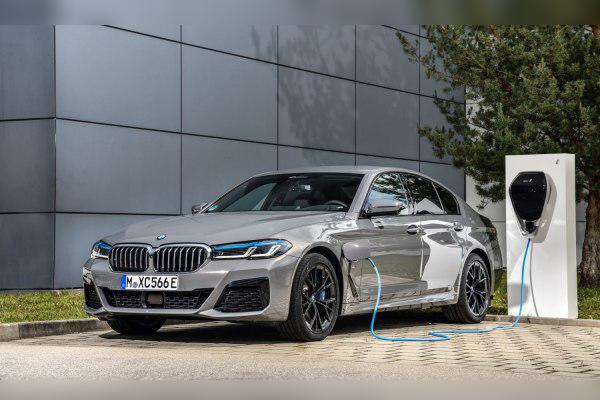
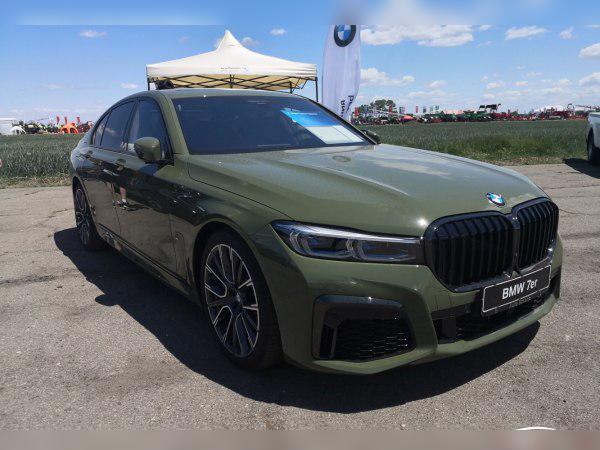
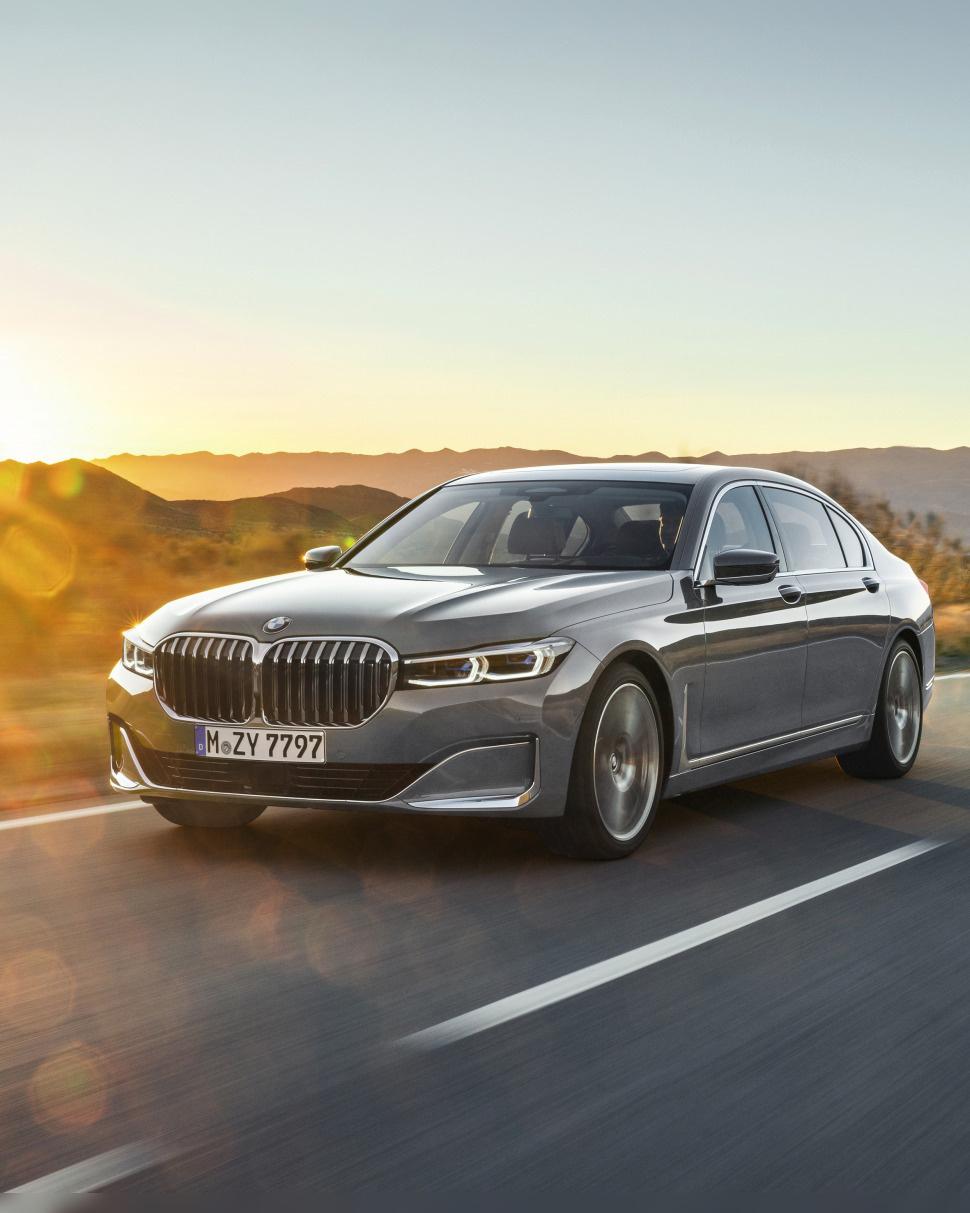

B58B30C 3.0 Hybrid: The Best of Both Worlds – Experiences, Issues and Maintenance
Key points (TL;DR)
- Exceptional reliability: The B58 engine is considered one of the best modern BMW engines, with the flaws of its predecessor (N55) largely ironed out.
- Hybrid complexity: Although the petrol engine itself is excellent, the cooling system and electronics are complex due to the Plug-in Hybrid (PHEV) drivetrain.
- Performance: With a system output of 394 hp, this powertrain turns heavy saloons and SUVs into sports machines, without any feeling of “sluggishness”.
- Timing chain: Located at the rear of the engine (towards the cabin), but very durable and rarely causes problems before high mileage.
- Fuel consumption: Varies drastically – from 0 l/100 km (on electric power) up to 11–13 l/100 km (empty battery in city driving).
- Recommendation: An excellent buy for those who want an inline-six with tax benefits and the option of electric driving.
Contents
Introduction: The heart of modern hybrid cruisers
The engine with the code B58B30C is a specific, slightly “detuned” version of BMW’s legendary B58 inline-six, adapted for use in Plug-in Hybrid (PHEV) systems. While the standard B58 delivers 340 or more horsepower, this variant produces 286 hp, as it is designed to work in tandem with a powerful electric motor integrated into the gearbox.
This engine is crucial because it allows owners of heavy vehicles such as the X5 (G05) or 7 Series (G11/G12) to retain the refinement of a six-cylinder and serious performance, while still meeting strict emissions regulations. It is not a compromise, but rather one of the most successful integrations of petrol and electric power on the market.
Technical specifications
| Specification | Value |
|---|---|
| Engine code | B58B30C |
| Displacement | 2998 cc (3.0 L) |
| Configuration | Inline 6-cylinder |
| Power (petrol engine) | 210 kW (286 hp) |
| System power (hybrid) | 290 kW (394 hp) |
| Torque (petrol) | 450 Nm |
| Induction | TwinPower Turbo (single twin-scroll turbo) |
| Injection | Direct (High Precision Injection) |
| Valve train | DOHC, Valvetronic, Double-VANOS |
Reliability and maintenance
Does this engine have a timing belt or a chain?
The B58B30C uses a timing chain. Unlike some older generations (the notorious N47), the chain on B58 engines has proven to be very durable and is not considered a consumable that needs to be replaced preventively at low mileage. However, it should be noted that the chain is located at the rear of the engine (towards the cabin/gearbox). This means that if it ever needs to be replaced (usually only at very high mileage or due to poor maintenance), the engine or gearbox has to come out, which makes the job expensive (depends on the market, but expect a serious number of labour hours).
What are the most common issues with this engine?
Although robust, the B58B30C has a few specific weak points:
- Coolant loss: This is issue number one. The plastic coolant expansion tank often cracks or the cap fails. On PHEV models the cooling system is extremely complex (it cools the battery, engine, inverter), so even small leaks can be tricky to diagnose.
- Oil filter housing: Made of plastic and over time can crack or deform, causing oil leaks or mixing of oil and coolant.
- PCV valve (oil separator): Integrated into the valve cover. When it fails (you hear a characteristic whistling noise or oil consumption increases), the entire valve cover often has to be replaced, which is not cheap.
- VANOS solenoids: Can get dirty if the oil is not changed regularly, leading to rough running or a “check engine” light.
At what mileage is the “major service” due?
On this engine, the classic “major service” (replacement of belts and tensioners) is not strictly defined as with timing belt engines. The serpentine belt and its tensioners are inspected at every service, and replacement is recommended at around 100,000 to 120,000 km. The timing chain is left alone until it becomes noisy. However, the water pump (mechanical and auxiliary electric pumps) are components that should be monitored after 150,000 km.
Engine oil: quantity, grade and consumption
The B58B30C takes approximately 6.5 litres of oil. BMW recommends 0W-20 (for efficiency and quick lubrication during cold hybrid starts) or 5W-30 (better protection at high temperatures). Always use oil with the BMW Longlife-17 FE+ specification or equivalent.
As for oil consumption, the B58 is significantly better than its predecessors. Consumption of around 0.5 litres per 10,000 km is acceptable, but many owners do not top up a single drop between services. If it uses a litre per 1,000 km, the problem is likely in the PCV valve or, less commonly, the piston rings/turbo.
Spark plugs and service intervals
With hybrids this is a trick question. The engine often starts and stops, and sometimes when cold it immediately goes to high revs when you floor the throttle. That’s why the spark plugs are under more stress than in a regular petrol engine. Replacement is recommended every 40,000 to 60,000 km. Do not skimp on spark plugs – use only OEM or top-quality replacements (NGK/Bosch) specified for this engine.
Specific components (costs)
Does the engine have a dual-mass flywheel?
Yes, but in a specific form. Between the engine and the gearbox there is a torsional vibration damper (similar in function to a dual-mass flywheel) adapted to the hybrid setup. It has to smooth out shocks when the petrol engine starts while driving and when it couples with the electric motor. This part is very expensive (varies by market) and replacement requires removal of the gearbox. Fortunately, failures are rare before 200,000 km.
Fuel injection system and injectors
It uses high-pressure direct injection. Piezo injectors are precise and allow smooth running. They are not particularly problematic, but they are sensitive to poor fuel quality. Symptoms of failure are rough idle (“misfiring”) and a smell of petrol from the exhaust. Replacing a full set of injectors falls into the expensive category.
Turbocharger
The engine uses a single twin-scroll turbocharger (don’t be misled by the “TwinPower Turbo” name – that’s BMW marketing for the technology, not the number of turbos). The turbo is water- and oil-cooled. Service life is very long, often over 250,000 km with regular oil changes. Turbo whine is the first sign of wear.
DPF, GPF and EGR
As a newer-generation petrol engine (Euro 6d-TEMP and later), it is equipped with a GPF (Gasoline Particulate Filter), which is the petrol equivalent of a DPF. Clogging issues are much rarer than on diesels because exhaust gas temperatures on petrol engines are higher, so passive regeneration happens more easily. An EGR valve is present to reduce NOx emissions, but it does not soot up anywhere near as much as on diesels.
AdBlue: No, this engine does not use AdBlue fluid. That is reserved exclusively for diesel engines.
Fuel consumption and performance
Real-world city consumption
Here the situation depends drastically on whether you charge the battery:
- Full battery: 0 l/100 km (as long as the electric range lasts, realistically 40–50 km in the city).
- Empty battery (Hybrid mode): In city driving expect between 10 and 13 l/100 km. Don’t forget, these are heavy vehicles (an X5 45e weighs over 2.5 tonnes), and when there’s no electric assist, the petrol engine has to haul all that mass in stop-and-go traffic.
Is the engine “sluggish”?
Absolutely not. Although the petrol engine alone has “only” 286 hp for such a mass, the secret lies in the electric motor, which delivers torque instantly. The combined 394 hp and system torque catapult these cars. The driving feel is impressive – there is no “turbo lag” because the electric motor fills the gap until the turbo spools up. The X5 45e sprints from 0–100 km/h in 5.6 seconds, which is on par with sports cars from a few years ago.
Behaviour on the motorway
This is the natural habitat of an inline-six. At 130 km/h the engine spins at very low revs (below 2,000 rpm) thanks to the 8-speed gearbox. Motorway consumption, once the battery is depleted, is around 8.5 to 10.5 l/100 km, depending on the model’s aerodynamics (the 7 Series uses less than the X5). The engine is extremely quiet and refined.
Additional options and modifications
Is it suitable for LPG?
Theoretically – yes, because it’s a petrol engine. In practice – not recommended. First, it’s a direct-injection engine, which requires expensive LPG systems. Second, and more importantly: these are plug-in hybrids. The luggage compartment and floor house the high-voltage batteries. There is simply no space for a tank, and any drilling of the bodywork near the batteries is a safety risk. Forget LPG on 45e models.
Chip tuning (Stage 1)
The B58 is a “tuning king”. Even this “C” version has huge potential. A safe Stage 1 remap can raise the petrol engine’s power to the level of the standard B58 (around 340–360 hp), which pushes system output to over 450 hp. Torque also increases.
Warning: The gearbox in hybrids has its own torque limits. Overdoing the remap can damage the hybrid module in the gearbox. A moderate tune is safe, but always have it done by reputable tuners who understand hybrid systems.
Gearbox: ZF 8HP (hybrid specification)
Type and characteristics
This engine is paired exclusively with the automatic ZF 8-speed Steptronic gearbox. Manual gearboxes do not exist in this combination. The specific feature is that the electric motor is located inside the gearbox housing, where the torque converter would otherwise be (on some versions) or integrated with it.
Most common issues and maintenance
The ZF 8HP is probably the best automatic gearbox in the world in terms of the balance between performance and reliability.
- Service: Although BMW claims the oil is “lifetime fill”, real-world practice and the gearbox manufacturer (ZF) say: change the oil every 80,000 to 100,000 km. This is critical for the longevity of the mechatronics.
- Failures: Oil leaks from the gearbox pan (the plastic pan deforms). Less commonly, solenoid issues if the oil has never been changed.
- Clutch wear: As this is an automatic, there is no conventional clutch kit as in a manual. There are clutch packs inside the gearbox that last as long as the gearbox itself (over 300,000 km with proper maintenance). A gearbox overhaul is very expensive.
Used car buying guide and conclusion
When buying a used vehicle with the B58B30C engine, pay attention to the following:
- Cold start: Listen to the engine when it is completely cold. There should be no chain rattle or metallic noises in the first few seconds.
- Signs of leaks: Inspect the engine under the plastic cover – look for white traces of dried coolant (expansion tank, pump) or oily patches from oil leaks.
- Hybrid system: A diagnostic check at an authorised or specialised workshop is mandatory to assess the State of Health (SOH) of the high-voltage battery. Replacing the battery is economically unjustifiable on older vehicles.
Conclusion: Who is this engine for?
The B58B30C in the 545e, 745e and X5 45e is an outstanding choice. It is aimed at drivers who want the luxury and power of an inline-six, while being able to cover most everyday trips (commuting, errands) on electric power. If you can charge the car every night, this is probably the best powertrain you can buy in this class. If you don’t have access to charging and drive only on petrol, you’re better off looking for a conventional diesel (B57) due to lower consumption and weight, or a “pure” petrol engine without the hybrid ballast.
Was this content useful to you?
Your opinion helps us to improve the quality of the content.