B58B30C Engine
- Engine
- 2998 cm3
- Aspiration
- Twin-power turbo, Intercooler
- Fuel
- Petrol (Gasoline)
- Fuel injection system
- Direct injection
- Power
- 333 hp
- Torque
- 450 Nm
- Cylinders
- 6
- Valves
- 24, 4 per cylinder
- Cylinders position
- Inline
- Valvetrain
- VALVETRONIC
- Oil capacity
- 6.5 l
- Coolant
- 12.6 l
- Systems
- Start & Stop System, Particulate filter
# Vehicles powered by this engine

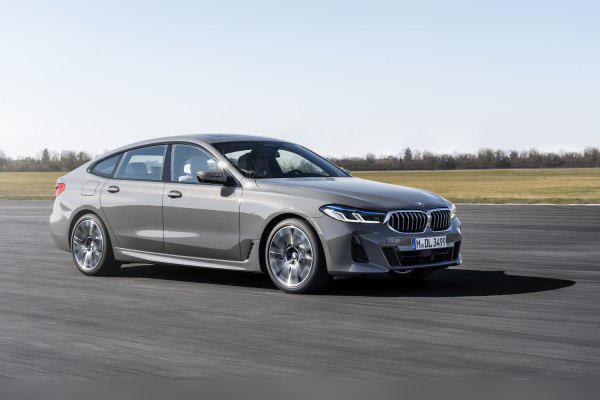


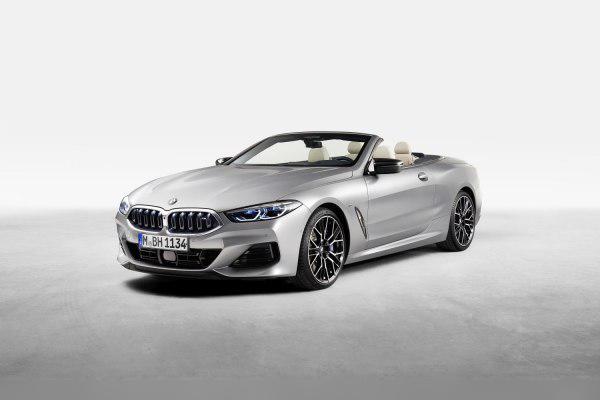
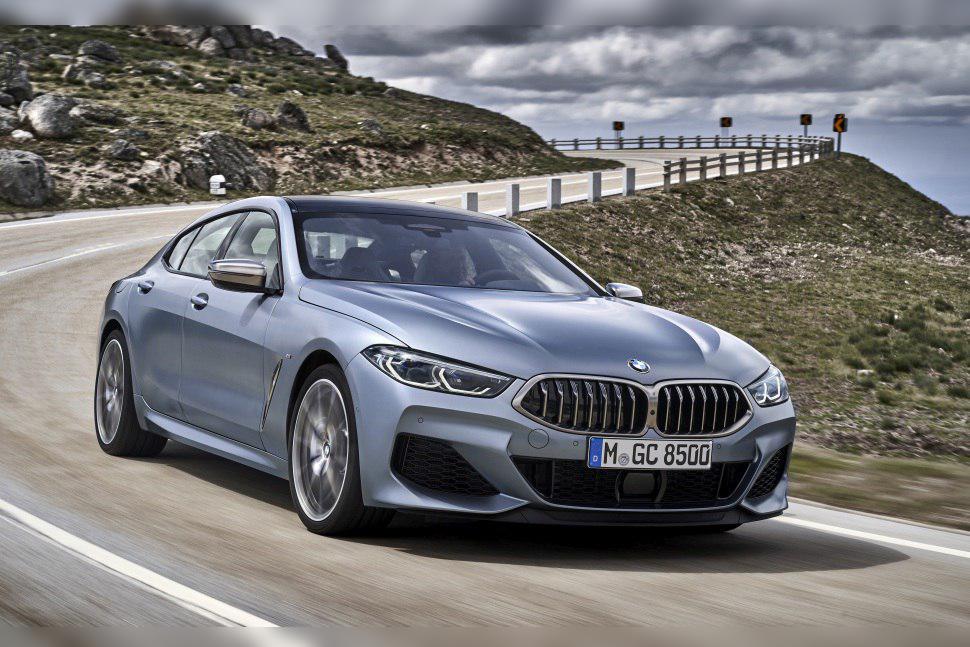
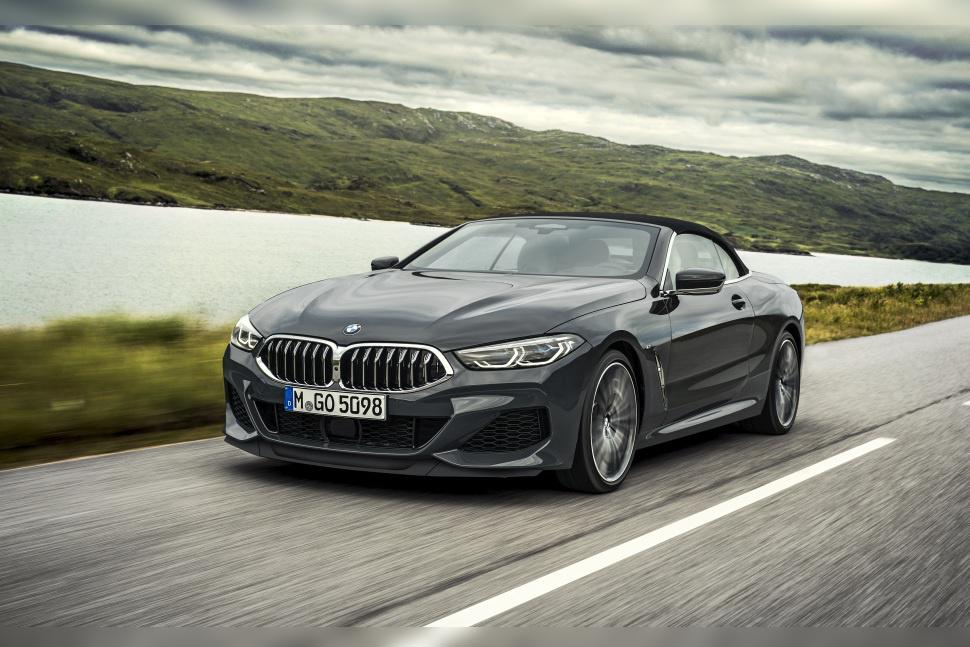
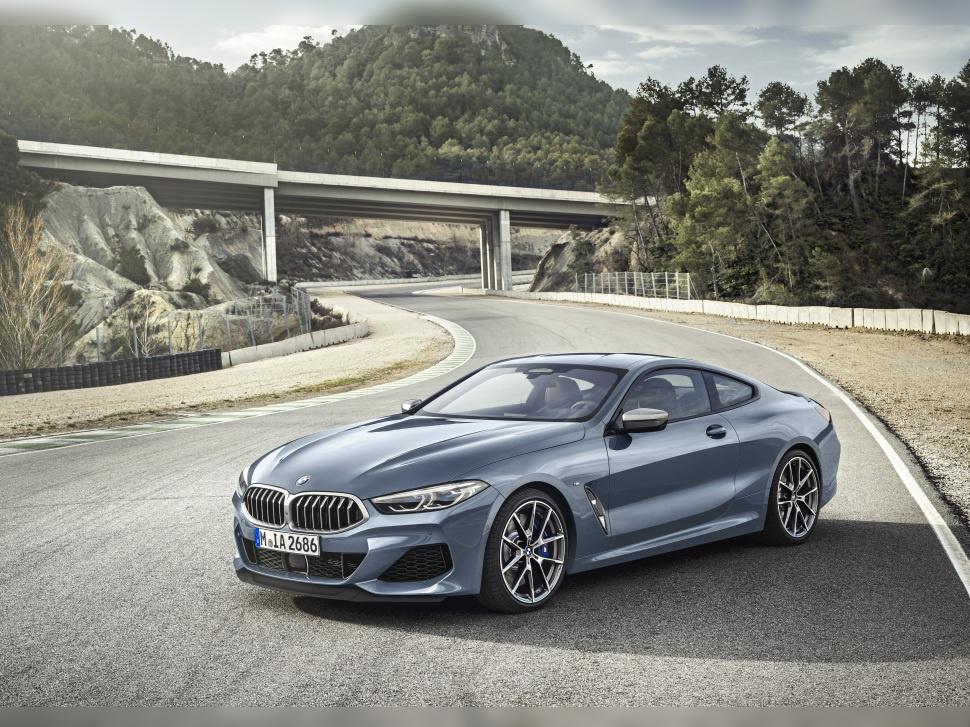

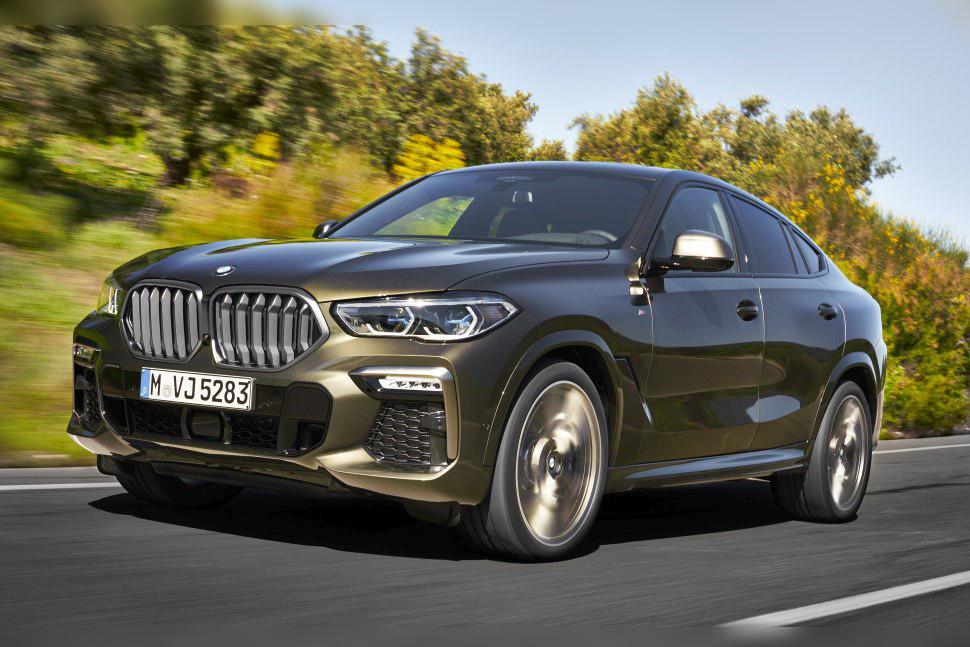

B58B30C (3.0 Turbo) – The last true BMW straight-six? Experiences, issues and maintenance
Key points (TL;DR)
- One of the best modern engines: The B58 series is considered one of the most reliable BMW engines of the last 20 years, a worthy successor to the legendary straight-sixes.
- Mild Hybrid (MHEV) system: The 333 hp variant (B58B30C) comes with a 48V system. This improves the start-stop system and fuel consumption, but adds complexity and expensive components (lithium battery, starter-generator).
- Timing chain is at the back: The timing mechanism (chain) is located at the rear of the engine (towards the cabin). Although durable, if it ever needs to be replaced, the engine has to come out – very expensive labour.
- Coolant leaks: The most common headache for owners. Plastic housings, the thermal management module and the expansion tank cap are weak points.
- Tuning potential: This is an engine that shares its DNA with the new Toyota Supra. It can handle large power increases without opening the engine.
- ZF gearbox: Paired exclusively with the ZF 8-speed automatic, which is a benchmark in its class, but requires regular oil changes despite what the manufacturer claims.
Contents
- Introduction and applications
- Technical specifications
- Reliability and maintenance
- Specific parts and costs
- Fuel consumption and performance
- Extras and modifications
- Gearbox and drivetrain
- Buying used and conclusion
Introduction and applications
The engine with the code B58B30C is an evolution (TÜ1 - Technical Update) of the famous B58 platform. In its 333 hp (245 kW) version, this is an engine adapted to stricter Euro 6d standards and equipped with 48V Mild Hybrid technology. It has been installed in a wide range of BMW vehicles from 2020 onwards, covering everything from the 5 Series (G30 LCI) to the massive X7 SUV.
For many enthusiasts, this is the "sweet spot". It offers performance dangerously close to V8 models, but with drastically lower maintenance costs and greater reliability. Thanks to its inline six-cylinder configuration, it delivers that characteristic BMW smoothness ("Silk Six") that four-cylinders can never achieve.
Technical specifications
| Characteristic | Data |
|---|---|
| Engine name | B58B30C |
| Displacement | 2998 ccm (3.0 L) |
| Configuration | Inline six-cylinder (R6 / I6) |
| Power | 245 kW / 333 hp (at 5500 rpm) |
| Torque | 450 Nm (at 1600–4800 rpm) |
| Type of charging | TwinPower Turbo (single turbo, twin-scroll) |
| Hybrid system | MHEV (Mild Hybrid 48V) |
| Injection | Direct injection (High Precision Injection) |
Reliability and maintenance
Does this engine have a timing belt or a chain?
The engine uses a chain for the timing mechanism. Unlike the older N47 engines, which had a bad reputation, the chain on B58 engines is much more robust and rarely fails. However, the chain is located at the rear of the engine (towards the cabin/gearbox). This means that if it ever needs to be replaced (rattling, stretch at high mileages over 200,000–250,000 km), the engine has to be removed, which makes the job very labour-intensive (depending on the market, expect a lot of labour hours).
What are the most common issues with this engine?
Although reliable, the B58B30C is not immune to problems, mostly related to peripherals:
- Coolant loss: This is issue number one. The symptom is a low coolant level without a visible puddle under the car. The causes are often a porous expansion tank cap, or a leak at the thermal management module (a complex thermostat/pump housing). Also, the small water-to-air intercooler integrated into the intake manifold can fail internally.
- PCV valve (oil separator): The membrane in the crankcase ventilation/oil separator can tear. Symptoms are a strange whistling noise from the engine, increased oil consumption and smoke from the exhaust. On the B58 this is often integrated into the valve cover, so the entire cover has to be replaced (expensive).
- VANOS solenoids: The variable valve timing system is sensitive to poor-quality oil and long change intervals.
At what mileage is a major service due?
This engine does not have a classic "major service" like belt-driven engines. The chain is designed to last the life of the engine, but in practice its condition is checked after 200,000 km. However, replacement of the serpentine belt, tensioner and water pump should be done preventively around 100,000–120,000 km.
How many litres of oil does this engine take and which grade is recommended?
The engine takes approximately 6.5 litres of engine oil. For this newer type (B58B30C) with a GPF filter, BMW usually recommends 0W-20 (BMW Longlife-17 FE+ specification) for fuel economy, but many experienced mechanics and enthusiasts switch to 5W-30 (BMW Longlife-04) for better protection at high temperatures, especially if the car is driven more aggressively.
Does it consume oil between services?
A healthy B58 engine has minimal oil consumption. If the engine uses up to 1 litre per 10,000 km, this is considered acceptable for a turbo engine of this power. If you have to top up a litre every 2,000–3,000 km, this points to an issue with the PCV valve, piston rings or turbo.
At what mileage should the spark plugs be replaced?
The spark plugs on this engine are under heavy load due to turbocharging and direct injection. It is recommended to replace them every 50,000 to 60,000 km. If the engine is "chipped", the interval is halved to about 30,000 km (and colder plugs are often used).
Specific parts (costs)
Does the engine have a dual-mass flywheel?
Since this engine in the mentioned models (5 Series, 8 Series, X5...) is supplied exclusively with an automatic gearbox, it does not have a classic dual-mass flywheel as with manual gearboxes. Instead, it uses a torque converter which serves as a fluid coupling. There is, however, a vibration damper (flexplate), but it very rarely fails. Torque converter failure is possible and a rebuild is expensive (very expensive, depending on the market).
What type of injection system does it have and are the injectors problematic?
It uses the latest generation of high-pressure direct injection (up to 350 bar). The injectors are piezo-electric. They are generally reliable, but sensitive to poor fuel quality. If they fail, they are very expensive to replace and require coding with diagnostics.
Does this engine have a turbocharger and what is its lifespan like?
The engine has one turbocharger, but it uses "twin-scroll" technology (two exhaust gas channels feeding the turbine). This reduces turbo lag. The lifespan is excellent and often exceeds 200,000 km with regular oil changes and, most importantly, letting the engine cool down for a minute or two before switching off after fast driving.
Does this model have a DPF filter or an EGR valve?
Since it is a petrol engine, it does not have a DPF (Diesel Particulate Filter), but it does have a OPF/GPF (Gasoline Particulate Filter) to meet Euro 6 standards. The OPF rarely clogs compared to a diesel DPF, because exhaust gas temperatures are higher on petrol engines. It has an EGR system, but on petrol engines it is "cleaner" and less prone to soot-related issues than on diesels.
Does this engine use AdBlue?
No. It does not use AdBlue fluid. AdBlue is used exclusively on diesel engines for NOx treatment. This is a petrol engine.
Fuel consumption and performance
What is the real-world fuel consumption in city driving?
This is a large engine in heavy cars. In city traffic, real-world consumption is:
- 5 Series / 8 Series: 10–13 l/100 km.
- X5 / X6 / X7: 12–16 l/100 km (weight and aerodynamics take their toll).
The mild hybrid system helps by shutting the engine off earlier when stopping and enabling "coasting", which slightly reduces consumption, but do not expect miracles in the city.
Is this engine “lazy” for the weight of the car?
Absolutely not. With 450 Nm of torque available from just 1600 rpm, the B58B30C pulls strongly from low revs. Even in the massive BMW X7, this engine provides more than enough performance for dynamic driving (0–100 km/h is under 6 seconds for most models). There is no feeling of "straining" like with 2.0 engines.
What is the engine like on the motorway and at what revs does it cruise at 130 km/h?
This is the engine’s natural habitat. Thanks to the 8-speed gearbox, at 130 km/h the engine spins at a low 1800–2000 rpm (depending on the model). Cabin noise is minimal and fuel consumption drops to an impressive 7.5–9 litres per 100 km. Overtakes are instantaneous and usually do not require a downshift.
Extras and modifications
Is this engine suitable for LPG conversion?
Technically it is possible, but it is economically and technically not worthwhile and risky. Due to direct injection, you need an expensive liquid LPG system (injecting through the petrol injectors) or a system that uses a mix of petrol and gas to cool the injectors. Installation costs over 1000–1500 EUR (depending on the market) and complicates an already complex engine.
How far can this engine be safely “chipped” (Stage 1)?
The B58 is a legend on the tuning scene (the same engine is in the Toyota Supra).
- Stage 1: With software only, you can safely get around 380–420 hp and over 550 Nm.
Gearbox
Which gearboxes are paired with this engine?
All models mentioned in your query come exclusively with the automatic Steptronic gearbox made by ZF (model ZF 8HP). A manual gearbox is not an option for these models with this engine.
What are the most common automatic gearbox issues?
The ZF 8HP is probably the best automatic gearbox on the market today. Failures are rare. When they do occur, they are usually due to lack of maintenance:
- Oil leaks: At the gearbox sump (which is plastic and integrated with the filter).
- Jerks when shifting: Usually a sign of old oil or the need to reset adaptations.
At what mileage should the gearbox be serviced and the oil changed?
This is where confusion arises. BMW claims the oil is "lifetime". Do not listen to that. The gearbox manufacturer (ZF) strictly recommends changing the oil and sump with filter every 80,000 to 100,000 km (or 8 years). If you want the gearbox to last, this is mandatory.
Buying used and conclusion
When buying a used BMW with the B58B30C engine, make sure to do the following:
- Cold start: Listen to the engine when it is completely cold. There should be no rattling (chain) even in the first few seconds.
- White traces under the bonnet: Look for white residue of dried coolant around the expansion tank and on the hoses.
- Diagnostics: Check injector corrections and whether the car has been chipped (if it has, check the service history even more thoroughly).
Final conclusion
The 333 hp B58B30C is a phenomenal piece of engineering. It offers sports car power, limousine refinement and reasonable fuel consumption on the open road. Although maintenance is not cheap (it is, after all, a premium-class six-cylinder with a complex hybrid system), it is far more reliable than V8 alternatives and more fun than 2.0 diesels. If your budget allows for regular maintenance, this is an engine that can be wholeheartedly recommended.
Was this content useful to you?
Your opinion helps us to improve the quality of the content.