CUWA, DFMA Engine
- Engine
- 1968 cm3
- Aspiration
- Turbocharger, Intercooler
- Fuel
- Diesel
- Fuel injection system
- Diesel Commonrail
- Power
- 184 hp
- Torque
- 380 Nm
- Cylinders
- 4
- Valves
- 16, 4 per cylinder
- Cylinders position
- Inline
- Oil capacity
- 4.7 l
- Coolant
- 8 l
- Systems
- Particulate filter
# Vehicles powered by this engine
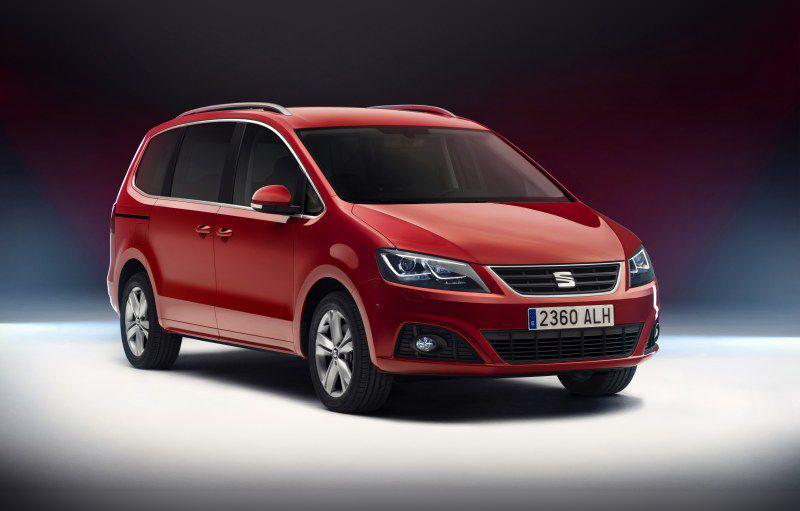
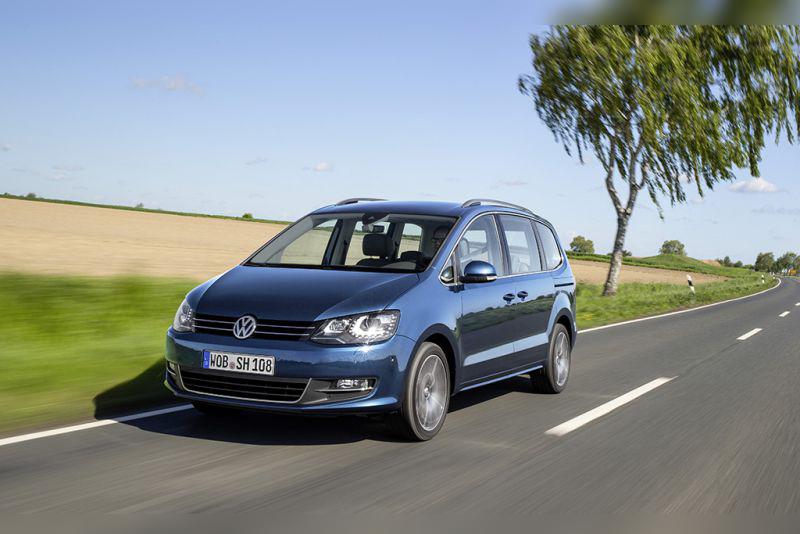
2.0 TDI (CUWA, DFMA) 184 HP: Experiences, problems, fuel consumption and buying used
If you’re looking for the “king” of family MPVs, you’re probably considering a Volkswagen Sharan or Seat Alhambra after the 2015 facelift. Among the many options, the 184 HP engine (codes CUWA and DFMA) sits at the very top of the range (just below the rare Bi-TDI models). This is a power unit that promises to move a heavy body with ease, but it also brings with it the complexity of Euro 6 standards.
This is not the old “tractor” TDI; this is a modern, quieter and environmentally “buttoned‑up” machine. Below you’ll find everything the seller might not tell you – from AdBlue system issues to DSG gearbox maintenance.
Key points in short (TL;DR)
- Performance: The best power-to-consumption ratio for this body style. With 380 Nm, overtaking is safe even when the car is fully loaded.
- Ecology as a cost: It has a complex AdBlue (SCR) system prone to heater and pump failures.
- Water pump: A known weak point of the EA288 engine generation – it can start leaking or seize before the timing service.
- DSG is (almost) a must: Most of these models come with a DSG gearbox that strictly requires servicing every 60,000 km.
- Not for city-only use: The DPF filter and EGR valve will suffer if this car is used exclusively for short city trips.
- Recommendation: An ideal engine for those who often travel on open roads with a full load of passengers.
Contents
- Technical specifications
- Reliability and maintenance
- Specific parts (costs)
- Fuel consumption and performance
- Additional options and modifications
- Gearbox
- Buying used and conclusion
Technical specifications
| Feature | Data |
|---|---|
| Engine displacement | 1968 ccm (2.0 l) |
| Power | 135 kW (184 HP) |
| Torque | 380 Nm at 1750–3000 rpm |
| Engine codes | CUWA, DFMA (EA288 family) |
| Injection type | Common Rail (direct injection) |
| Charging | Variable-geometry turbocharger + intercooler |
Reliability and maintenance
Belt or chain?
Engines with codes CUWA and DFMA use a timing belt. This is good news because modern belts are quieter and cheaper to replace than the complicated chains that plagued some older VW engines. Still, a snapped belt leads to catastrophic engine failure (pistons and valves “colliding”).
Timing service and intervals
The manufacturer often states optimistic intervals of 210,000 km for timing belt replacement. However, real-world experience and mechanics’ practice call for caution. It is recommended to do the full timing service at a maximum of 160,000 to 180,000 km or every 5 to 7 years, whichever comes first. The reason is not just the belt, but also related components such as tensioners and the water pump.
Most common failures
Although the EA288 series (to which this engine belongs) is very reliable, there are some specific issues:
- Water pump: This is the most common problem. Many models have a variable-flow pump (a sliding ring that regulates coolant flow for faster warm-up). That ring can seize, leading to engine overheating. The symptom is a temperature spike under load that returns to normal when you lift off the throttle.
- Coolant leaks: Often occur at the thermostat housing or the pump itself.
- Exhaust gas temperature sensors: They can fail, which triggers the “Check Engine” light and may limit power.
Oil: quantity and consumption
This engine takes approximately 4.6 to 4.7 liters of oil. You must use synthetic oil of grade 5W-30 or 0W-30 that meets the strict VW 507.00 specification (because of the DPF filter).
As for oil consumption, EA288 engines are significantly better than older generations. Consumption of about 0.5 liters per 10,000 km is perfectly acceptable and normal. If it uses more than a liter between services, the turbocharger or leaks should be checked. A minor service (oil change) is recommended every 15,000 km or once a year, despite “Long Life” intervals of 30,000 km, which are too long for city driving.
Injectors
The system uses Bosch solenoid (electromagnetic) or piezo injectors, depending on the exact sub-variant and model year, but they are generally very durable. Their service life is often over 250,000 km with good-quality fuel. Symptoms of bad injectors include rough idle, increased smoke when accelerating, or harder starting. Refurbishment is possible, but replacement with new ones is expensive (depends on the market).
Specific parts (costs)
Dual-mass flywheel
Yes, this engine has a dual-mass flywheel (DMF). Given the high torque of 380 Nm and the heavy Sharan/Alhambra body, the flywheel is under significant stress. In models with a DSG gearbox, the flywheel often lasts longer than with a manual (because the computer “smooths out” gear changes), but when it fails, you’ll hear metallic knocking at idle that disappears when you rev the engine (or changes character in “N” or “P”). Replacement is financially demanding (very expensive).
Turbocharger
The 2.0 TDI 184 HP engine uses a single variable-geometry turbocharger. It is not a Bi-Turbo (like the 240 HP version), which is good news for maintenance. Its service life is long and usually matches the life of the engine with regular oil changes. Early signs of failure are a whining “siren” noise and increased oil consumption.
DPF, EGR and AdBlue
This is a critical section for Euro 6 engines:
- DPF filter: A standard component. It clogs if the car is driven only in the city. Regeneration is automatic, but it requires occasional driving on open roads.
- EGR valve: Prone to soot build-up. Symptoms are loss of power and jerking. Cleaning is possible in the early stages.
- AdBlue (SCR): These models have an AdBlue system. This is a frequent source of headaches. The heater in the AdBlue tank often burns out, and the dosing pump can fail. Repairs are expensive because the entire tank module is often replaced. Also, make sure you never run out of AdBlue, as the car will refuse to start.
Fuel consumption and performance
City driving and “laziness”
Is the engine lazy? Absolutely not. With 184 HP and 380 Nm, this is the most agile diesel option for these models (except for the rare BiTDI). The car pulls strongly from around 1700 rpm. Even fully loaded with 7 passengers and luggage, you won’t feel a lack of power on inclines.
Real-world city consumption: Expect between 7.5 and 9.0 l/100 km. This is a heavy car (almost 1.8 tons empty), and physics does its thing. The DSG gearbox helps a bit with comfort, but not dramatically with reducing city fuel consumption.
On the motorway
This is the natural habitat of the Sharan and Alhambra. At a speed of 130 km/h, the engine (combined with the 6-speed DSG gearbox) runs at about 2,200 rpm (or less if you have the newer 7-speed DSG). The cabin is quiet, and fuel consumption is around 6.0 to 7.0 l/100 km, depending on load and aerodynamics (a roof box will increase consumption).
Additional options and modifications
Remapping (Stage 1)
The 2.0 TDI 184 HP engine is already a factory “stretched” version of the weaker 150 HP engine (different turbo, head, cooling). Still, there is room for a Stage 1 remap. It can safely be taken to about 215–220 HP and 440–450 Nm.
Warning: Increasing torque puts additional stress on the DSG gearbox and dual-mass flywheel. On such a heavy vehicle, remapping is recommended only if you are sure the gearbox and turbocharger are in perfect condition.
Gearbox
Manual vs automatic (DSG)
With this engine you could get:
- 6-speed manual gearbox: Robust, precise, rarely fails. The only major cost is the clutch kit and flywheel.
- DSG gearbox (DQ250 or newer DQ381): The most common choice. This is a wet dual-clutch gearbox.
DSG maintenance and failures
The DSG is brilliant when it works, but expensive when it fails. The most important rule: DSG oil must be changed every 60,000 km! If you’re buying a used car without proof of this, it’s a big risk.
Failure symptoms: Hesitation when setting off, harsh shifts from 1st to 2nd gear, jolts when downshifting, delayed engagement of “reverse”. Mechatronic failure is possible and repairs are expensive (costly – depends on the market).
Buying used and conclusion
Before buying a Seat Alhambra or VW Sharan with this engine, pay attention to:
- Cold start: Listen for metallic rattling (flywheel) while the engine is idling.
- Coolant: Check the color of the antifreeze. It must be clean (pink/purple). If it’s dirty or brown, oil may have mixed in or the oil cooler may be corroded.
- Diagnostics: Check DPF saturation and the condition of the AdBlue system (any fault codes for heaters).
- DSG service history: Insist on invoices for gearbox oil changes.
Conclusion
The 2.0 TDI (184 HP) engine in the Alhambra and Sharan is a fantastic piece of engineering. It offers enough power to make overtaking with a seven-member family non-stressful, while consuming impressively little fuel for such a large car. However, the complex exhaust after-treatment systems and the DSG gearbox require an owner who doesn’t skimp on maintenance. If you’re looking for a reliable long-distance “cruiser” and are ready to pay for proper upkeep – this is the best engine in the range.
Was this content useful to you?
Your opinion helps us to improve the quality of the content.