CZDA Engine
- Engine
- 1395 cm3
- Aspiration
- Turbocharger, Intercooler
- Fuel
- Petrol (Gasoline)
- Fuel injection system
- Direct injection
- Power
- 150 hp @ 5000 rpm
- Torque
- 250 Nm @ 2000 rpm
- Cylinders
- 4
- Valves
- 16, 4 per cylinder
- Cylinders position
- Inline
- Valvetrain
- DOHC
- Oil capacity
- 4 l
- Coolant
- 8 l
- Systems
- Start & Stop System
# Vehicles powered by this engine

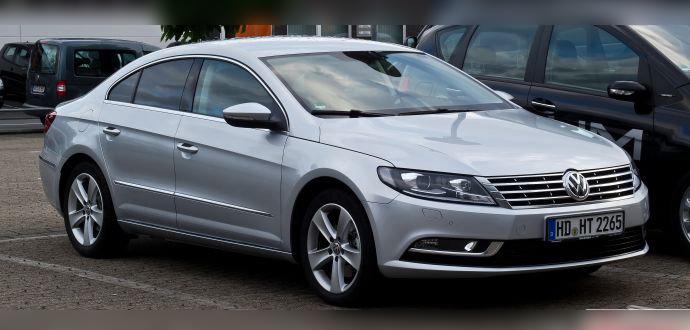
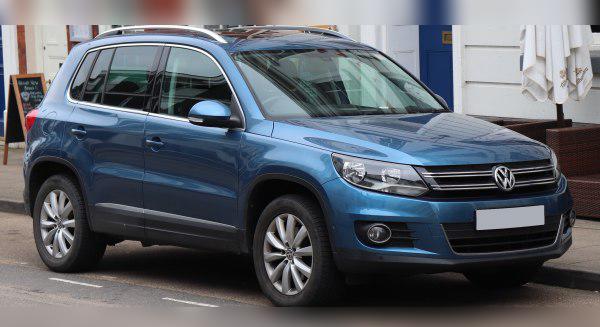
1.4 TSI (CZDA) Experiences, Problems, Fuel Consumption and Used Car Buying Guide
Key points (TL;DR)
- Timing belt instead of chain: This engine is from the EA211 family, which solved the main issue of its predecessor – timing chain failure. It now uses a more reliable belt.
- Coolant leaks: The most common problem is the thermostat housing and water pump. Regularly check the coolant level.
- Oil consumption: Significantly lower than on older generations (EA111), but it can appear at higher mileage.
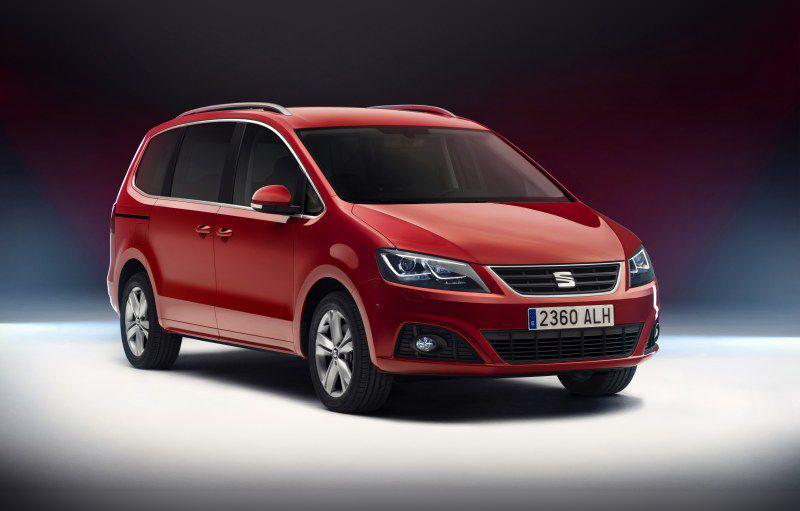
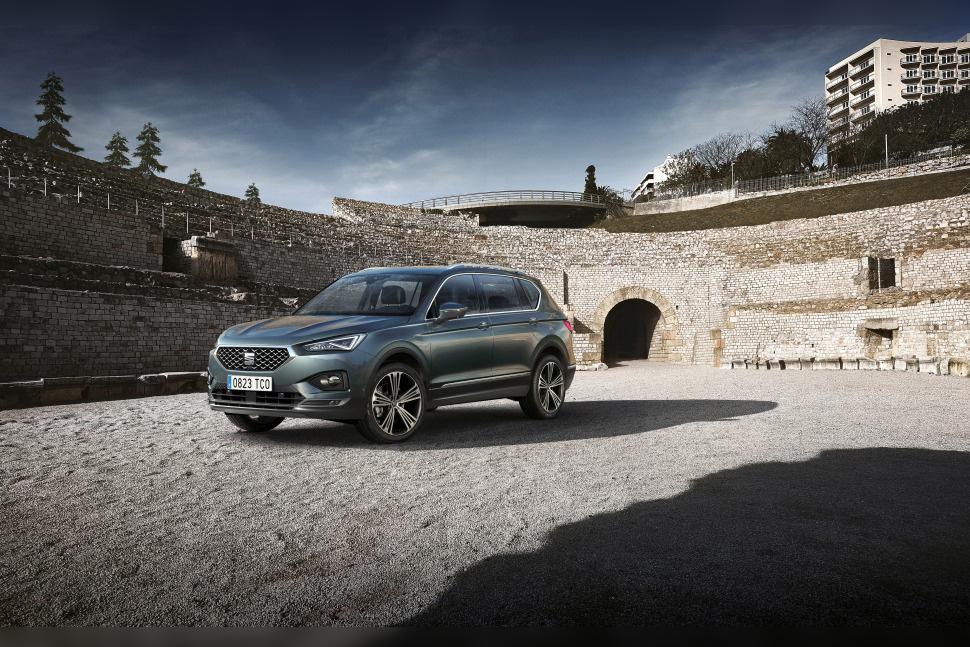
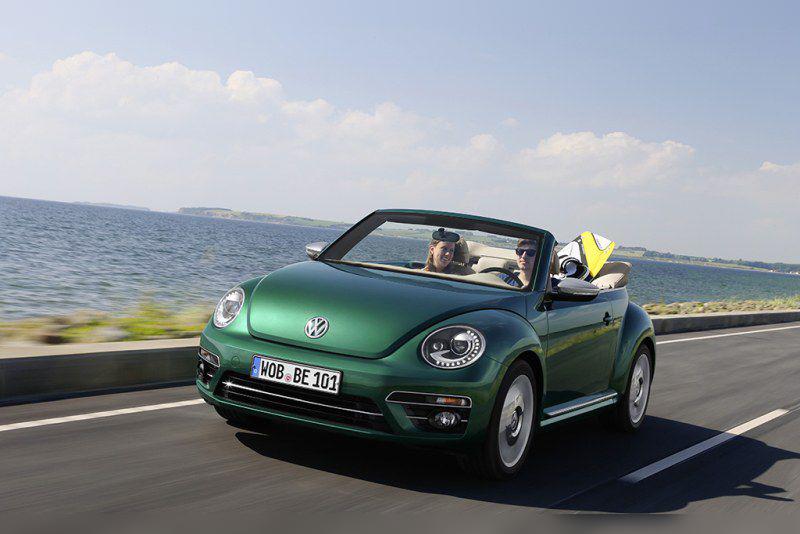
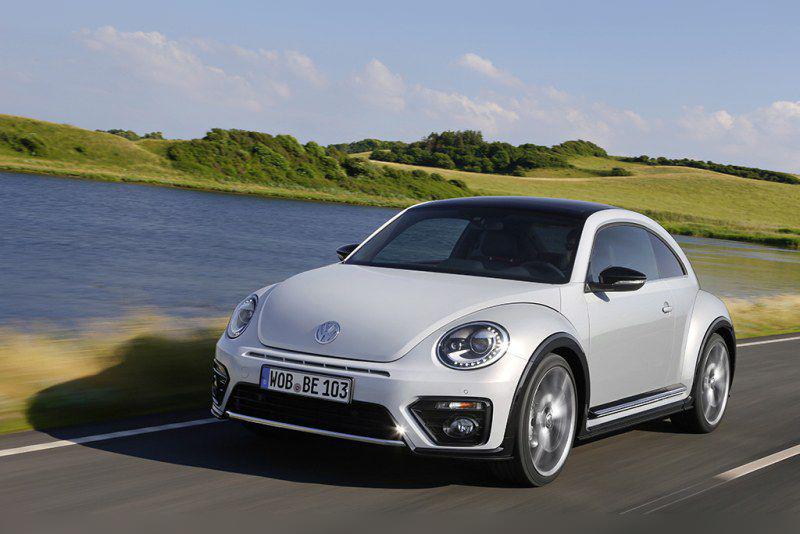
- Performance: Excellent balance of power and fuel economy for the Golf and Beetle, but it struggles more in heavier vehicles like the Alhambra and Tarraco.
- DSG gearbox: Pay attention to the "dry" DSG gearbox (DQ200), which is often paired with this engine – it is sensitive to city stop‑and‑go driving.
- Carbon buildup: As a direct injection engine, the valves are prone to carbon deposits at higher mileage.
Contents
- Introduction and Overview
- Technical Specifications
- Reliability and Maintenance
- Specific Components and Costs
- Fuel Consumption and Performance
- Additional Options and Modifications
- Gearbox: Manual and DSG
- Buying Used and Conclusion
Introduction and Overview
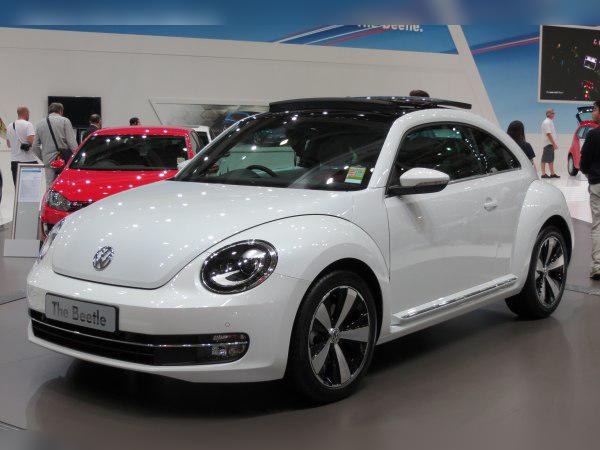
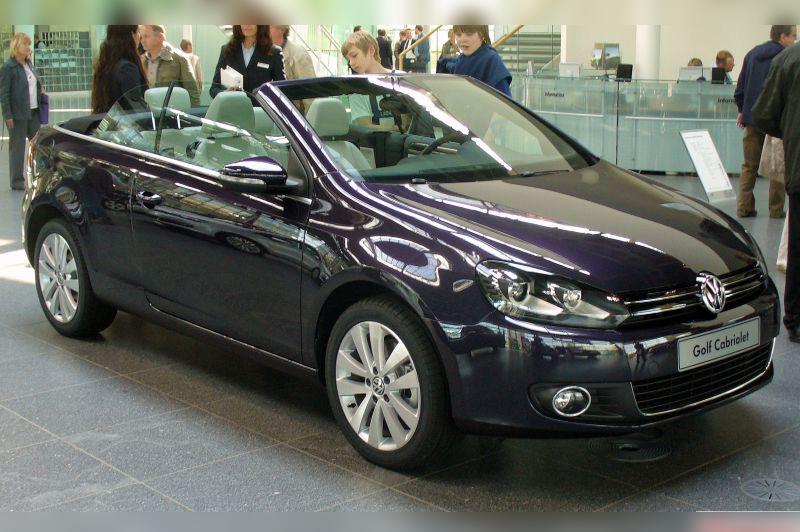
The engine with the code CZDA belongs to the more modern EA211 generation of Volkswagen petrol engines. This is a key piece of information because many drivers still have bad memories of the older 1.4 TSI engines (EA111), which were notorious for timing chain issues. CZDA is, simply put, the "fixed version". It was installed in a wide range of vehicles, from the lighter VW Beetle convertible and bestseller Golf 7, all the way to heavy family cruisers such as the Seat Alhambra and VW Tiguan.
With its 150 hp, this engine represents a golden middle ground – it offers enough power for overtaking, while registration costs and fuel consumption remain reasonable. Unlike some variants that have a cylinder deactivation system (ACT), the CZDA is often more conventional, which many used‑car buyers see as an advantage (fewer complications).
Technical Specifications
| Specification | Value |
|---|---|
| Displacement | 1395 cc (1.4 L) |
| Power | 110 kW (150 hp) |
| Torque | 250 Nm at 1500–3500 rpm |
| Engine code | CZDA |
| Injection type | Direct injection (TSI) |
| Induction | Turbocharger + Intercooler |
| Valve timing drive | Timing belt (belt) |
Reliability and Maintenance
Belt or Chain?
The most important question for any buyer: this engine (CZDA) uses a timing belt. VW abandoned the chain that stretched and caused chaos on the previous generation. The belt here is reliable, runs quietly and reduces friction.
Major and Minor Service
According to factory recommendations, the major service (timing belt kit replacement) is scheduled at up to 210,000 km for some markets. However, speaking from experience, you should forget that interval. A realistic and safe time to do the major service is at 160,000 to 180,000 km or after 6 to 7 years of age. Rubber ages regardless of mileage.
Spark plugs on this petrol engine should be replaced every 60,000 km. Do not wait for the engine to start "jerking", because bad spark plugs can damage the ignition coils (which are also wear items).
Oil and Consumption
The engine takes approximately 4.0 to 4.5 litres of oil (depending on the filter and sump size on the specific model). The recommended grade is usually 5W-30 (VW 504.00 standard) or, in newer service schedules, 0W-20 (VW 508.00). However, for engines with more than 150,000 km, 5W-30 is often the better choice.
Does it burn oil? EA211 engines are dramatically better than the old TSI units. Consumption of around 0.5 litres per 10,000 km is completely normal and acceptable. If it uses more than 0.5 litres per 1,000 km (the figure the factory hides behind), the engine likely has an issue with piston rings or the turbo, but this is not a widespread problem on the CZDA.
Most common failures
The Achilles’ heel of this engine is the thermostat housing and water pump. They are often made of plastic that deforms over time from heat, which leads to coolant leaks. Symptoms include a sweet smell under the bonnet or puddles under the car. Also, the actuator (lever) on the turbocharger can seize, which leads to loss of power and the "Check Engine" light coming on.
Specific Components (Costs)
Dual-mass flywheel: Yes, this 150 hp, 250 Nm engine almost always comes with a dual-mass flywheel, whether it is paired with a manual gearbox or a DSG. Its role is to dampen vibrations. Replacement is not cheap (it falls into the "expensive" category), but it is necessary for comfortable driving.
Fuel injection system: This is a direct injection engine. The injectors are generally reliable but sensitive to poor fuel quality. The issue that appears on all direct injection engines (including this one) is carbon buildup on the intake valves, because fuel does not wash them. This is solved by mechanical cleaning (so‑called "walnut shell blasting"), usually at higher mileage (over 150,000 km).
Turbocharger: The engine has a single turbocharger. Its service life is long, often exceeding 200,000 km with regular oil changes. What can fail before the turbo itself is the electronic wastegate actuator, which on this model can often be replaced separately (which is cheaper than a complete turbo).
Emissions (DPF/GPF/EGR): Since this is a petrol engine, it does not have a classic diesel DPF. However, models produced after 2017/2018 (Euro 6d-TEMP) often have a GPF (Gasoline Particulate Filter). Check according to the production year. If you drive an older model (e.g. Tiguan 2012–2015 facelift or Golf 2015), you probably do not have a GPF, which is one less thing to worry about. There is no AdBlue fluid – that is reserved for diesels.
Fuel Consumption and Performance
City driving: Here physics plays the main role. In a lighter Golf 7 or Beetle, you can expect real‑world consumption of 7.5 to 8.5 l/100 km in the city. However, if you run this engine in a Seat Alhambra or Tiguan, which are heavy and boxy, city consumption easily climbs to 9.5 to 11 l/100 km. Do not believe the factory figures of 6 litres.
Is the engine "lazy"? In the Golf and Beetle, the engine is very lively and fun. Acceleration is linear. However, in a 7‑seater Alhambra full of passengers, 150 hp is "enough", but not impressive. You will feel that the engine is working hard on uphill stretches. It is not sluggish, but it is not a racer in that body either.
On the motorway: This is an excellent cruiser. Thanks to the 6th gear (or 7th on the DSG), at 130 km/h the engine runs at around 2,500 to 2,800 rpm (depending on the gearbox). The cabin is quiet, and fuel consumption on the open road is around 6.0 to 7.5 l/100 km.
Additional Options and Modifications
LPG conversion: Is it possible? Yes, but it is complicated. Since this is a direct injection engine, you need a specific system (Direct Injection LPG kit) that either uses liquid‑phase LPG or injects a small amount of petrol to cool the injectors. Installation is very expensive (often over 1,000 EUR) and only pays off if you cover very high mileage (30,000+ km per year).
Remapping (Stage 1): The CZDA responds very well to remapping. A safe Stage 1 tune raises power to about 175–180 hp and torque to about 300–320 Nm. The engine can mechanically handle this well, but be careful if you have a DSG gearbox (DQ200), as it is factory‑rated for 250 Nm. Increasing torque can drastically shorten the clutch life in that gearbox.
Gearbox: Manual and Automatic
The CZDA engine is paired with two main gearbox options:
- 6‑speed manual gearbox: Very precise and reliable. Failures are rare. The clutch and flywheel set is a wear item; replacement cost is in the mid‑range (depends on the market, but it is not extremely expensive).
- 7‑speed DSG (DQ200 – dry clutch): This is the most common automatic with the 1.4 TSI in lighter vehicles (Golf, Beetle, and some front‑wheel‑drive Tiguans). This gearbox uses "dry" clutches.
- Issues: Jerking when setting off, overheating in stop‑and‑go traffic, mechatronics failure. This is the most sensitive point of the entire drivetrain.
- Maintenance: VW often claims the oil in this gearbox is "lifetime fill", but experts recommend changing the oil in the mechatronics and gearbox every 60,000 km, even though the quantity is small.
- 6‑speed DSG (DQ250 – wet clutch): Found on heavier models (Tiguan 4Motion, Alhambra). This gearbox is significantly more robust and reliable, but requires strict oil and filter changes every 60,000 km. Service cost: mid‑range.
Buying Used and Conclusion
Before buying a car with the CZDA 1.4 TSI engine, pay attention to the following:
- Cold start: Listen to the engine when it is cold. Although it does not have a chain, there should be no metallic knocking (which would indicate an issue with the hydraulic lifters or variable cam pulley).
- Check for leaks: Look at the thermostat housing (on the right‑hand side of the engine when viewed from the front). If you see a pink crust, prepare money for a pump/housing replacement.
- DSG test: If it is an automatic, release the brake on level ground without touching the throttle – the car should start moving smoothly right away. Any hesitation, thump or slipping is a sign of an expensive fault.
- Diagnostics: Check for fault codes related to "misfire", which can indicate carbon buildup on the valves.
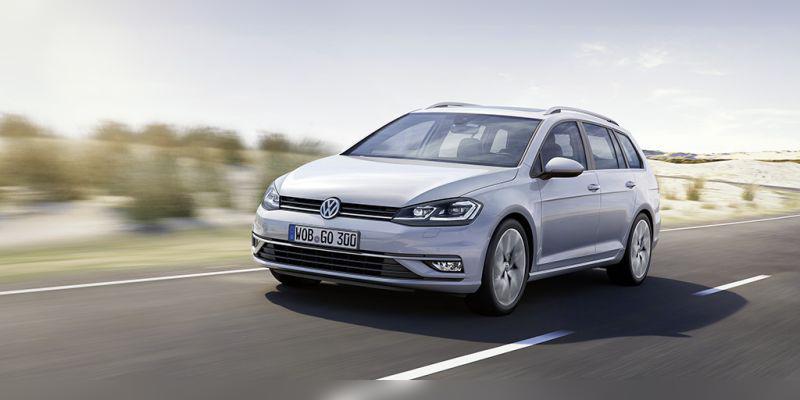
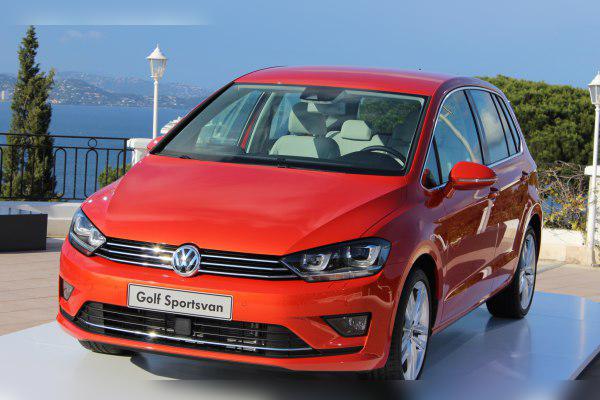
Conclusion: The CZDA is an excellent engine and probably the best iteration of the 1.4‑litre unit before the switch to the new 1.5 TSI. It is much more reliable than the old chain‑driven versions. It is ideal for the Golf Variant, Sportsvan and Beetle. For a heavy Alhambra or a fully loaded Tiguan, it gets the job done, but do not expect sports‑car performance. If you find a car with a well‑documented service history (especially if the DSG has been properly maintained), this engine is highly recommended.
Was this content useful to you?
Your opinion helps us to improve the quality of the content.