CFGC Engine
- Engine
- 1968 cm3
- Aspiration
- Turbocharger, Intercooler
- Fuel
- Diesel
- Fuel injection system
- Diesel Commonrail
- Power
- 177 hp @ 4200 rpm
- Torque
- 380 Nm
- Cylinders
- 4
- Valves
- 16, 4 per cylinder
- Cylinders position
- Inline
- Valvetrain
- DOHC
- Oil capacity
- 4.3 l
- Coolant
- 8 l
- Systems
- Particulate filter
# Vehicles powered by this engine
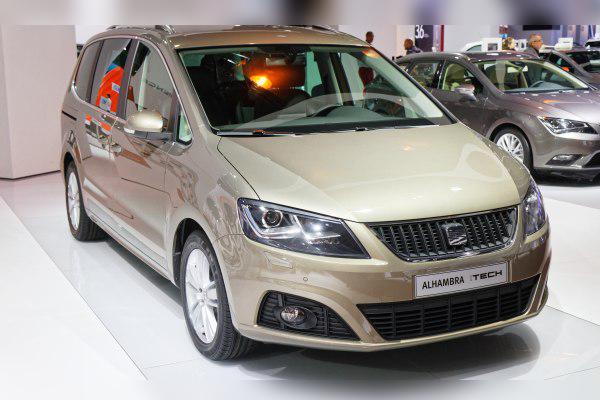
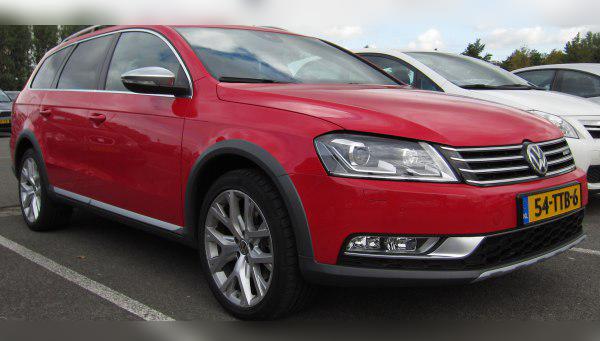
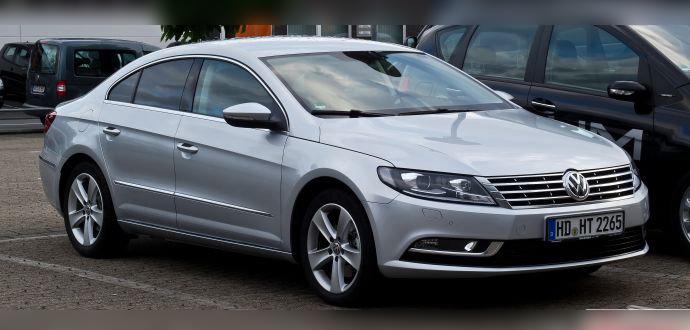
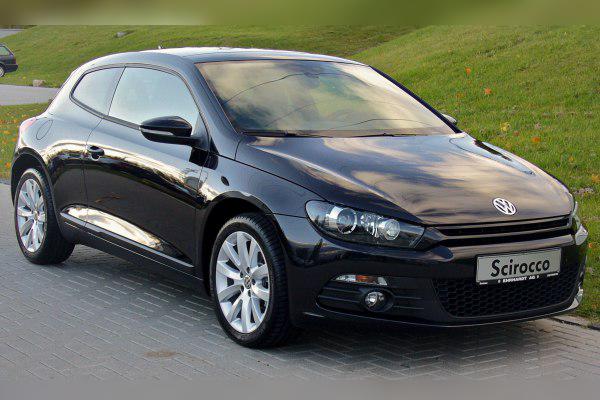
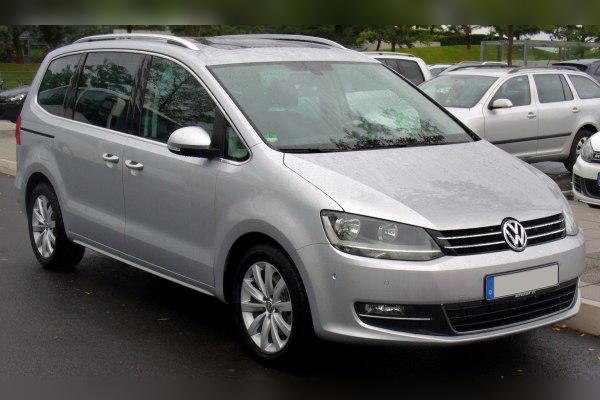
2.0 TDI CFGC (177 HP): Experiences, problems, fuel consumption and used car buying guide
The engine with the code CFGC represents the peak of the second-generation 2.0 TDI evolution before the widespread switch to the newer EA288 series. With 177 horsepower, this unit was designed to carry heavier bodies (such as the Sharan and Alhambra) or to provide sporty performance in models like the CC and Scirocco.
Many consider it the “golden middle ground” – powerful enough not to feel the weight, yet as economical as a classic diesel. Still, like every modern turbodiesel, it comes with specific maintenance requirements and potentially expensive failures if neglected.
Key points in short (TL;DR)
- Performance: Excellent balance of power and fuel consumption, 380 Nm of torque provides great in-gear acceleration.
- Injection: Uses a more reliable Common Rail system (Bosch), significantly quieter and more durable than the old Pump Düse engines.
- Emissions: Sensitive DPF filter and EGR valve, especially in city driving. Models like the Sharan also have an AdBlue system.
- Major service: Driven by a timing belt; it is recommended to shorten the factory intervals.
- Gearbox: Often paired with a DSG gearbox that requires strict maintenance every 60,000 km.
- Recommendation: Ideal for highway and long-distance driving; avoid examples driven exclusively in the city.
Contents
- Technical specifications
- Reliability and maintenance
- Specific parts (costs)
- Fuel consumption and performance
- Additional options and modifications
- Gearbox
- Buying used and conclusion
Technical specifications
| Specification | Data |
|---|---|
| Engine displacement | 1968 cc (2.0 L) |
| Power | 130 kW / 177 HP |
| Torque | 380 Nm at 1750–2500 rpm |
| Engine code | CFGC (EA189 Gen 2) |
| Injection system | Common Rail (Bosch) |
| Induction | Variable geometry turbocharger (VGT) + intercooler |
| Emissions | Euro 5 (some models with AdBlue SCR system) |
Reliability and maintenance
Timing system and major service
The CFGC engine uses a timing belt rather than a chain. This is generally good news because belts on these TDI generations are quieter and more predictable than chains. The factory recommendation for timing belt replacement is often optimistic (210,000 km), but workshop experience and common sense suggest doing the major service earlier.
It is recommended to replace the complete timing kit (belt, tensioners, rollers and the water pump) at intervals between 150,000 km and 180,000 km or every 5 to 7 years, whichever comes first. The water pump is a weak point; if its bearing seizes or the plastic impeller breaks, the engine can overheat or the belt can slip off, which leads to catastrophic engine damage.
Oil and oil consumption
This engine takes approximately 4.3 to 4.6 liters of engine oil (always check the dipstick when topping up). Since the engine is equipped with a DPF filter, it is mandatory to use oil that meets the VW 507.00 specification. The recommended viscosity grade is usually 5W-30.
As for oil consumption, CFGC engines are significantly better than the older PD (Pumpe-Düse) units. Consumption of 0.5 to 1 liter per 10,000 km can be considered acceptable, especially if the car is driven more aggressively or on the motorway at high speeds. If it consumes more than that, the turbocharger and possible oil leaks at the seals should be checked first.
Injection system and injectors
This engine uses a Bosch Common Rail system with piezoelectric injectors. The injectors have proven to be very durable and can easily exceed 250,000 km without issues when good-quality fuel is used. Symptoms of faulty injectors include rough idle, increased fuel consumption and smoke under acceleration.
Most common failures
In addition to the standard emissions-related issues (DPF/EGR), owners should pay attention to:
- Thermostat and thermostat housing: Frequent coolant leaks or an engine that does not reach operating temperature.
- CP4 high-pressure pump: Although less common than on the very first series, Bosch CP4 pumps are sensitive to poor-quality fuel. They can create metal shavings that contaminate the entire fuel system (a very expensive repair).
- EGR cooler: Cracks can lead to coolant loss, with coolant entering the combustion chamber.
Specific parts (costs)
Dual mass flywheel
Yes, the CFGC engine has a dual mass flywheel (DMF), regardless of whether it is paired with a manual or DSG gearbox. Its typical lifespan is around 200,000 km, but city driving can destroy it earlier. Symptoms include a metallic “clattering” noise when switching the engine off or vibrations in the clutch pedal (on manuals).
Turbocharger
The engine uses a single variable geometry turbocharger. It is not prone to sudden failures, but it does require proper treatment (cooling down after fast driving). A sooted-up turbo geometry (due to city driving) can cause the engine to go into “safe mode” (loss of power). Rebuilding is possible and the price is moderate (market-dependent).
DPF and EGR
The vehicle is equipped with a DPF filter and an EGR valve. These systems are the most common source of problems for drivers who mostly do short trips. The EGR valve gets clogged with soot and sticks, which triggers the “Check Engine” light. The DPF can clog if regeneration is not completed. Replacing these parts is expensive, so regular highway driving is highly recommended.
AdBlue (SCR) system
This is an important point. While models like the VW CC or Scirocco with this engine usually have only a DPF, the heavier MPV models listed (Seat Alhambra, VW Sharan) almost certainly have an SCR system with AdBlue fluid to meet emission standards.
Problems: The most common failure is the heater in the AdBlue tank or the level sensor. Often the entire module has to be replaced, which is very expensive (depending on the market). Maintenance includes regularly topping up AdBlue; if it runs out, the car will not start.
Fuel consumption and performance
City driving and motorway
Fuel consumption strongly depends on the body style.
In the city:
- Lighter models (Scirocco, CC): 7.0 – 8.0 l/100 km.
- Heavier models (Sharan, Alhambra): 8.5 – 10.0 l/100 km.
Is the engine “lazy”?
Absolutely not. With 380 Nm of torque available from low revs, this engine pulls even a fully loaded 7-seat Sharan without effort. In models like the Scirocco, it delivers almost sporty performance (it “pins you to the seat”). Overtaking is safe and quick.
Additional options and modifications
Remapping (Stage 1)
This engine responds very well to remapping. Since it is factory “detuned” for emissions and model hierarchy reasons, a safe Stage 1 can raise power to 205 – 215 HP and torque to over 420 Nm.
Warning: For DSG gearboxes, you must check whether the gearbox software can handle the increased torque without clutch slip.
Gearbox
Manual and automatic (DSG)
With this engine you can get:
- 6-speed manual gearbox: Very precise and robust. Failures are rare and mostly limited to the clutch kit and flywheel.
- 6-speed DSG (DQ250): This is a gearbox with “wet” clutches. It is much more reliable than the 7-speed “dry” DSG used with lower-powered engines.
Gearbox maintenance and failures
DSG gearbox: Requires oil and filter changes strictly every 60,000 km. If this is not done, the mechatronics unit (the gearbox “brain”) can fail, and its repair falls into the very expensive category. Also, the clutch pack wears out and will inevitably need replacement at higher mileage.
Clutch replacement cost (manual): A clutch kit with dual mass flywheel is a standard expense for diesel vehicles in this class. Parts and labor fall into the mid-to-high price range (market-dependent).
Buying used and conclusion
What to check before buying?
- Cold start: The engine should start immediately, without long cranking and without clouds of white or blue smoke.
- Flywheel noise: Listen for metallic noises around the gearbox area while the car is idling.
- Diagnostics (VCDS): Check DPF saturation (soot mass/ash mass) and injector corrections (values should be close to 0).
- DSG service history: If there is no proof that the gearbox oil was changed on time, that car is a risky purchase.
- Coolant: Check whether the expansion tank is clean (no traces of oil) and whether the level is stable.
Final conclusion
The 2.0 TDI CFGC (177 HP) engine is one of the best choices in the VW Group from that period. It offers an ideal balance between the power needed for safe overtaking and fuel efficiency. If you are looking for a family hauler (Sharan/Alhambra) or a comfortable long-distance cruiser (Passat CC), this is the right engine.
However, if you plan to drive 90% of the time in the city (“stop-and-go”), DPF, EGR and flywheel issues will catch up with you quickly. This engine was made for open road driving.
Was this content useful to you?
Your opinion helps us to improve the quality of the content.