DFFA Engine
- Engine
- 1968 cm3
- Aspiration
- Turbocharger, Intercooler
- Fuel
- Diesel
- Fuel injection system
- Diesel Commonrail
- Power
- 150 hp @ 3500 rpm
- Torque
- 340 Nm
- Cylinders
- 4
- Valves
- 16, 4 per cylinder
- Cylinders position
- Inline
- Oil capacity
- 4.7 l
- Coolant
- 8 l
- Systems
- Particulate filter
# Vehicles powered by this engine


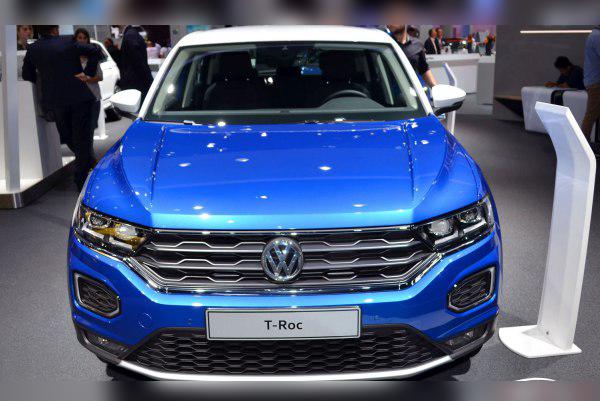
2.0 TDI (DFFA) 150 HP: Experiences, problems, fuel consumption and buying used
When we talk about modern diesel engines that power the “backbone” of the Volkswagen Group, the 2.0 TDI with the DFFA code is an unavoidable topic. It is installed in popular SUV models such as the facelifted Seat Ateca and VW T-Roc. This is an engine that balances between strict environmental standards and drivers’ need for power.
In the rest of the text, as someone who has spent years analyzing technical specifications and listening to the complaints (and praise) of owners and mechanics, I’ll break down in detail what awaits you with this power unit. Is it the “golden middle ground” or a bottomless money pit?
Key points in short (TL;DR)
- Power vs. consumption: 150 HP is an ideal measure for the T-Roc and Ateca; the engine is not sluggish, yet it sips fuel like a lighter in open-road driving.
- Camshaft drive: Uses a timing belt, not a chain, which is generally a cheaper and more reliable solution, provided it is replaced on time.
- AdBlue system: Like every modern Euro 6d diesel, the urea injection system (AdBlue) is a sensitive point and a potential expense.
- Dual-mass flywheel: Present on both manual and DSG gearboxes. Expect replacement at higher mileage.
- Water pump: A common issue on newer 2.0 TDI engines is the electronically controlled water pump, which can seize and cause overheating.
- Recommendation: An excellent choice for those who drive more than 15,000 km per year, mostly on open roads. Not recommended for strict city-only driving.
Contents
- Technical Specifications
- Reliability and Maintenance
- Specific Parts and Costs
- Fuel Consumption and Performance
- Additional Options and Modifications
- Gearbox (Manual and DSG)
- Buying Used and Conclusion
Technical Specifications
| Characteristic | Data |
|---|---|
| Engine code | DFFA (EA288 family) |
| Displacement | 1968 cc (2.0 l) |
| Power | 110 kW (150 HP) at 3500–4000 rpm |
| Torque | 340 Nm at 1750–3000 rpm |
| Fuel type | Diesel (Euro 6 standard with SCR/AdBlue) |
| Injection system | Common Rail (Direct injection) |
| Charging | Variable-geometry turbocharger + intercooler |
| Engine block | Cast iron with aluminum head |
Reliability and Maintenance
Timing belt or chain?
The DFFA engine uses a timing belt to drive the camshafts. This is good news because chains on older generations of VW engines proved problematic. The belt system is quieter and more predictable.
Major service
The factory recommendation for timing belt replacement is often optimistic and is listed at up to 210,000 km. However, as someone who knows what real-world operating conditions and parts quality are like, I strongly recommend doing the major service at a maximum of 150,000–160,000 km or after 5 to 7 years of age. A snapped belt leads to a “collision” between pistons and valves, which is a catastrophic failure.
Most common failures
Although the DFFA is quite refined, it has its “bugs”:
- Water pump: This is the most common issue. The pump has a variable ring (electro-valve) that controls coolant flow for faster engine warm-up. That ring often seizes, which leads to engine overheating or coolant leaks.
- Exhaust gas temperature sensors and DPF sensors: They often fail, triggering the “Check Engine” light.
- Oil leaks: Pay attention to the crankshaft oil seal and valve cover gasket at higher mileage.
Oil: Quantity and consumption
This engine takes approximately 5.5 to 5.7 liters of oil (always check the dipstick after pouring in 5 liters). You must use oil that meets the VW 507.00 specification (Low SAPS due to the DPF filter), most commonly in 5W-30 or 0W-30 grades.
Oil consumption: Modern TDI engines, including the DFFA, can consume a small amount of oil between services, especially if driven aggressively on the motorway. Consumption of up to 0.5 liters per 10,000 km is considered acceptable and normal. If it uses more than a liter per service interval, this may indicate an issue with piston rings or the turbocharger.
Injectors
The DFFA uses advanced Common Rail injectors (most often Bosch solenoid or piezo, depending on the exact sub-variant and year). They have proven to be very durable and can easily cover 200,000–250,000 km with good-quality fuel. Symptoms of bad injectors include rough idle (fluctuating revs), smoke at start-up and increased fuel consumption.
Specific Parts (Costs)
Dual-mass flywheel
Yes, this engine has a dual-mass flywheel (DMF). This applies to both manual gearbox models and those with a DSG gearbox. Its role is to dampen diesel engine vibrations. Its lifespan is usually between 150,000 km and 200,000 km, depending on driving style. Replacement is expensive (varies by market), but necessary when you hear metallic knocking when switching the engine off or rattling at idle.
Turbocharger
The engine has a single variable-geometry turbocharger. Its lifespan is long if you follow the rule of letting the turbo cool down after fast driving and perform regular oil changes. It is not prone to sudden failure, but whistling noises or oil in the intercooler are warning signs.
DPF and EGR
As a Euro 6 engine, it is equipped with both a DPF filter and an EGR valve.
DPF: Sensitive to city driving. If you drive an Ateca or T-Roc only in the city (stop-and-go), the DPF will not passively regenerate and will clog quickly.
EGR: The EGR cooler can leak internally, so the engine loses coolant without visible traces under the car.
AdBlue (SCR)
This model (especially the 2020 facelift T-Roc and Ateca) has an SCR system (AdBlue). The tank is usually located in the boot or next to the fuel tank.
Problems: AdBlue pumps and heaters in the tank are prone to failure. Urea crystallization can clog the dosing nozzle. Repairs are often expensive (varies by market), and without a functioning AdBlue system, the car will refuse to start the engine after a certain number of kilometers.
Fuel Consumption and Performance
City driving
Don’t believe the factory fairy tales. The T-Roc and Ateca are not light cars and they have increased aerodynamic drag. Real-world consumption in heavy traffic ranges between 7.0 and 8.5 l/100 km. If you have a heavy right foot and 4Drive all-wheel drive, it can go up to 9 liters.
Is the engine “lazy”?
Absolutely not. With 340 Nm of torque available from low revs, the DFFA engine copes very well with the body of these SUVs. In-gear acceleration is convincing, overtaking is safe. In my opinion, 150 HP is the ideal figure for this class of vehicle.
Motorway
This is the natural habitat of this engine. At a speed of 130 km/h in top gear (usually 7th gear on the DSG), the engine spins at a comfortable 1,900 to 2,100 rpm. Fuel consumption then is around 5.5 to 6.5 l/100 km. The engine is quiet and refined.
Additional Options and Modifications
Chiptuning (Stage 1)
2.0 TDI engines respond very well to remapping. A safe Stage 1 can raise power to about 185–190 HP and torque to over 400 Nm.
Warning: With DSG gearboxes, you must check whether the gearbox software can handle the increased torque (usually a gearbox remap is also needed). Also, higher power will wear out the DPF filter faster.
Gearbox: Manual vs DSG
Types of gearboxes
The DFFA engine comes with two options:
- Manual: 6-speed gearbox (precise, reliable).
- Automatic: 7-speed dual-clutch DSG (most often the DQ381 code on 2020+ models or DQ250 on older variants). The DQ381 is a “wet” gearbox (clutches run in oil).
Failures
- Manual: Failures of the gearbox itself are rare. The main cost is the clutch kit and dual-mass flywheel.
- DSG (Automatic): The biggest fear is the mechatronics unit (the “brain” of the gearbox). Symptoms are harsh shifts, delay when moving off or jolts. Replacement is very expensive. The clutch pack also wears out, especially in city driving.
Gearbox maintenance
This is crucial.
Manual: The oil is not changed often, but the recommendation is at 150,000 km.
DSG: On “wet” DSG gearboxes (DQ381/DQ250), oil and filter changes are MANDATORY every 60,000–80,000 km (some manufacturers say 120k for the DQ381, but shorten that interval!). If you skip services, the mechatronics unit will suffer from dirty oil.
Buying Used and Conclusion
Buying a Seat Ateca or VW T-Roc with the DFFA engine is, generally speaking, a rational and smart decision. You get proven German engineering wrapped in modern design.
What to check before buying?
- Cold start: Listen to the engine while it’s cold. Do you hear rattling (flywheel) or uneven running (injectors)?
- Water pump and coolant: Look at the coolant expansion tank. The coolant must be clean (pink, G13/G12evo). If coolant is missing, suspect the water pump or EGR cooler.
- DSG behavior: The gearbox should start moving smoothly as soon as you release the brake, without jerks. Check the gearbox service history – if the oil hasn’t been changed, walk away.
- Diagnostics: Always check DPF load (soot mass) and the condition of the AdBlue system.
Final conclusion
The 2.0 TDI DFFA (150 HP) engine is intended for drivers who seek long-term reliability, often travel on open roads and want a vehicle that has enough power not to be boring, yet doesn’t consume too much fuel. If you cover low mileage exclusively in the city, a petrol engine (1.5 TSI) is a better and cheaper option to maintain due to the absence of DPF/AdBlue issues. For everyone else – this is the “gold standard” of the class.
Was this content useful to you?
Your opinion helps us to improve the quality of the content.