DLAC Engine
- Engine
- 999 cm3
- Aspiration
- Turbocharger, Intercooler
- Fuel
- Petrol (Gasoline)
- Fuel injection system
- Direct injection
- Power
- 95 hp
- Torque
- 175 Nm
- Cylinders
- 3
- Valves
- 12, 4 per cylinder
- Cylinders position
- Inline
- Valvetrain
- DOHC
- Oil capacity
- 4 l
- Coolant
- 10 l
- Systems
- Start & Stop System, Particulate filter
# Vehicles powered by this engine
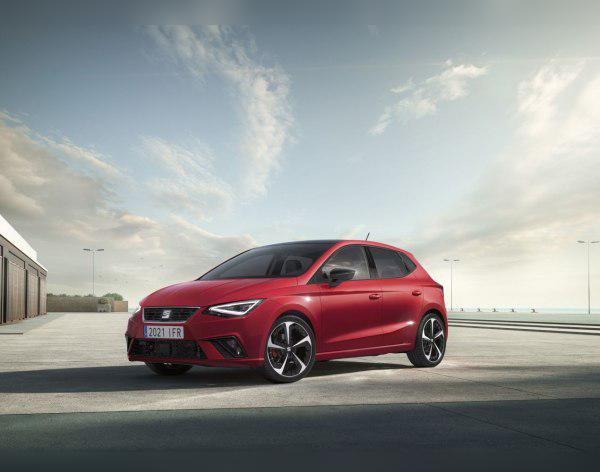
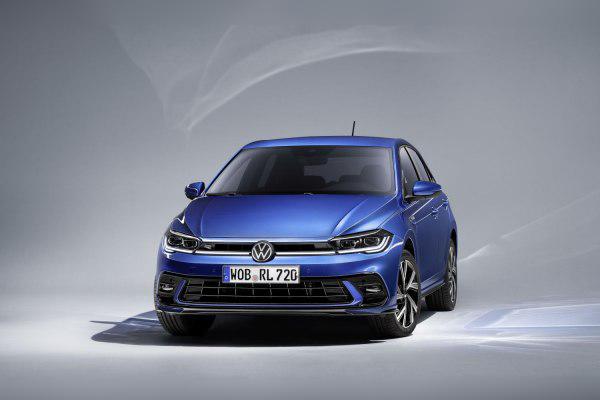

1.0 TSI (DLAC) – Experiences, issues, fuel consumption and buying used
Key points (TL;DR)
- Timing belt: Unlike older TSI engines, this one uses a belt which is more reliable, but requires regular inspection.
- Performance: With 175 Nm of torque, the engine is surprisingly lively in the city, it’s not as “dead” as naturally aspirated engines of similar displacement.
- Emissions and GPF: As a Euro 6d engine (from 2021), it has a gasoline particulate filter (GPF) which can be sensitive to frequent short trips.
- Dual-mass flywheel: The 95 hp version with a manual gearbox usually does not have a dual-mass flywheel, which significantly reduces maintenance costs.
- DSG gearbox: If you choose an automatic, it’s the DQ200 with “dry” clutch, which requires attention and can mean expensive repairs at higher mileage.
- Recommendation: An excellent choice for city cars (Polo, Ibiza, Taigo) with reasonable maintenance costs.
Contents
- Introduction and engine applications
- Technical specifications
- Reliability and maintenance
- Specific parts and costs
- Fuel consumption and performance
- Additional options and modifications
- Gearbox: Manual and DSG
- Buying used and conclusion
Introduction and engine applications
The engine with the code DLAC is a modern evolution of Volkswagen’s EA211 series of three-cylinder turbo petrol engines. It’s a unit that has become the “gold standard” for B-segment VAG cars after 2020 (facelift models). Its role is clear: to replace the older 1.2 TSI and 1.4 naturally aspirated engines, offering better efficiency and stricter emission standards.
This engine is key because it’s found in best-selling models such as the facelifted VW Polo VI, Seat Ibiza V and the popular crossover VW Taigo. What drivers should know is that this is not that infamous 1.0 engine from the early 2000s, but a technologically advanced unit with direct injection and a sophisticated turbocharger.
Technical specifications
| Characteristic | Value |
|---|---|
| Engine displacement | 999 cc (3 cylinders) |
| Power | 70 kW / 95 hp |
| Torque | 175 Nm at 1600–3500 rpm |
| Engine code | DLAC (EA211 Evo family) |
| Injection type | Direct injection (TSI) |
| Charging | Turbocharger + intercooler (water–air) |
| Emission standard | Euro 6d-ISC-FCM (mostly) |
Reliability and maintenance
Timing belt or chain?
This is the most common question. The DLAC engine, like most modern EA211 engines, uses a timing belt. The VAG group abandoned chains, which caused catastrophic problems on the old 1.2 and 1.4 TSI engines (EA111 series). This belt is extremely durable, reinforced with glass fibers, and designed to last long, but it’s not eternal.
Most common failures
Although the engine is generally reliable, there are specific points to pay attention to:
- Water pump and thermostat housing: This is a weak point of EA211 engines. The housing is plastic and over time micro-cracks or leaks at the gasket may appear. The symptom is a dropping coolant level without visible puddles under the car (it evaporates on the hot block).
- Carbon buildup: Due to direct injection, fuel does not wash the intake valves. Over time, carbon deposits build up, which can reduce performance and cause rough running.
- Turbo actuator: The electric actuator that regulates turbo pressure can stick, which leads to the “Check Engine” light and loss of power (safe mode).
Major service
Factory recommendations are often over-optimistic (sometimes they state “lifetime” or 210,000 km for inspection). Experienced mechanics recommend doing the major service (replacement of belt, tensioner and water pump) at 150,000 to 180,000 km or at the latest after 6–7 years of age, whichever comes first. Rubber ages regardless of mileage.
Oil: quantity and grade
This engine takes approximately 4.0 liters of oil (always check the exact amount when filling). For DLAC engines (model year 2021+), the required specification is usually VW 508.00 / 509.00, which is typically a 0W-20 viscosity. This “thin” oil is crucial for turbocharger operation and low emissions.
Oil consumption
Modern TSI engines are much better in this regard than older generations. Consumption of up to 0.5 liters per 10,000 km is considered completely acceptable and normal, especially if the car is driven on motorways at higher revs. If the engine consumes more than 0.3–0.5 liters per 1,000 km, this points to an issue with piston rings or the turbo.
Spark plugs
Since this is a petrol engine with direct injection, the spark plugs are under higher stress. It’s recommended to replace them every 60,000 km or 4 years. Using worn spark plugs can lead to coil damage (there is an individual coil for each cylinder).
Specific parts (costs)
Dual-mass flywheel
Good news for your wallet: the 95 hp (DLAC) engine variant paired with the 5-speed manual gearbox usually does not have a dual-mass flywheel, but uses a conventional solid flywheel. This drastically reduces the cost of clutch kit replacement. However, variants with a DSG gearbox or more powerful versions (110 hp) may use different solutions.
Fuel injection system and injectors
The injectors are high-pressure piezoelectric or solenoid type (up to 350 bar). They are generally reliable, but sensitive to poor fuel quality. Injector failure manifests as jerking, rough idle or increased fuel consumption. Replacement is expensive (depends on market: very expensive per piece).
Turbocharger
The engine has a small single turbocharger that spools up quickly (low inertia). Its lifespan is closely tied to regular oil changes. With proper maintenance (oil changes at a maximum of 15,000 km), the turbo easily exceeds 200,000 km. Cooling is handled by a separate water circuit, which extends its life after the engine is switched off.
DPF (GPF) and EGR
Yes, this engine has a GPF (Gasoline Particulate Filter), which is the petrol equivalent of a DPF on diesels. It also has an EGR valve. The GPF rarely clogs compared to diesels because petrol burns at higher temperatures, which passively cleans the filter. Still, if the car is driven 100% in the city, it’s recommended to occasionally take it on an open road.
AdBlue
No, this engine does not have an AdBlue system. AdBlue is used exclusively on diesel engines (TDI) to reduce NOx emissions. TSI engines use other catalytic methods.
Fuel consumption and performance
Real-world city consumption
Don’t trust the brochure figures of 4.5 liters. In real city driving (stop-and-go, traffic lights), this engine in a Polo or Taigo body uses between 6.5 and 7.5 l/100 km. In harsh winter conditions on short trips, it can go up to 8.5 liters.
Is the engine “sluggish”?
Absolutely not. Thanks to the turbo and 175 Nm of torque available from as low as 1600 rpm, the car pulls much better than the old 1.4 or 1.6 naturally aspirated engines. In the city it’s agile. A feeling of lack of power appears only when the car is fully loaded with passengers and luggage on steep hills.
Behaviour on the motorway
The engine has no problem maintaining 130 km/h. However, the 95 hp version usually comes with a 5-speed gearbox, which means that at 130 km/h the engine spins at about 3,000 to 3,200 rpm. This increases cabin noise and fuel consumption (around 6.0–6.5 l/100 km on the motorway). It really could use a sixth gear for quieter cruising.
Additional options and modifications
LPG conversion
Even though it’s a petrol engine, an LPG conversion is not economically viable for the average driver. Due to direct injection, a special (and expensive) system is required, which either uses liquid-phase LPG or injects a small amount of petrol to cool the injectors (so-called “dotakt”). The system is expensive (costly – depends on market), and the payback period is long.
Chiptuning (Stage 1)
This engine can be remapped. A safe Stage 1 usually raises power to about 115–120 hp and torque to 220–230 Nm. This significantly changes the character of the car. However, you should be careful with the clutch and turbo, and especially with the warranty if the vehicle is still relatively new.
Gearbox: Manual and DSG
Types of gearboxes
- Manual: Usually 5-speed (on the 95 hp version). Code MQ200.
- Automatic: 7-speed DSG dual-clutch. Code DQ200.
Gearbox failures
The manual gearbox is robust and rarely fails. Bearing wear is possible at high mileage, which can be heard as a whining noise.
The DSG (DQ200) is known as the “dry” DSG. Its drawbacks are clutch overheating in city traffic (creeping) and mechatronic (control unit) failures. Symptoms are jerking when moving off or delayed gear changes. Mechatronic repair is very expensive (depends on market).
Clutch replacement
On the manual gearbox, clutch kit replacement is relatively affordable (not expensive) because there is no dual-mass flywheel. On the DSG gearbox, the clutch kit is significantly more expensive and requires special tools and calibration.
Gearbox service
The manual gearbox officially does not require an oil change, but it’s recommended at 100,000 km. On the DSG DQ200, although it’s “dry”, there is oil in the gears and hydraulic oil in the mechatronic. VAG claims it’s maintenance-free, but in practice, changing the oil every 60,000–80,000 km can extend the life of the mechanical parts.
Buying used and conclusion
What to check before buying?
- Cold start: Listen to the engine at the first start. Rattling can indicate a problem with hydraulic lifters or the turbo actuator, even though the chain is not an issue here.
- Coolant level: Check the expansion tank. If the level is low, look for white traces (dried coolant) around the thermostat housing on the right side of the engine.
- Vibrations: Three-cylinders naturally vibrate, but it shouldn’t be excessive to the point of shaking the steering wheel at idle when the engine is warm. This can indicate worn engine mounts.
- Diagnostics: Check GPF saturation and whether there are any fault codes related to the turbocharger.
Final conclusion
The 1.0 TSI (DLAC) engine is an extremely rational choice. It’s intended for drivers who spend most of their time in city and suburban driving, but still want a car capable of occasional longer trips. If you’re choosing between this engine and older naturally aspirated units, the 1.0 TSI is superior in every driving aspect.
Editor’s recommendation: Choose the manual gearbox for maximum reliability and the lowest maintenance costs. If you must have an automatic, be prepared for potentially higher long-term maintenance costs of the DSG system.
Was this content useful to you?
Your opinion helps us to improve the quality of the content.