DGTC Engine
- Engine
- 1598 cm3
- Aspiration
- Turbocharger, Intercooler
- Fuel
- Diesel
- Fuel injection system
- Diesel Commonrail
- Power
- 80 hp
- Torque
- 230 Nm
- Cylinders
- 4
- Valves
- 16, 4 per cylinder
- Cylinders position
- Inline
- Oil capacity
- 4.7 l
- Systems
- Particulate filter
# Vehicles powered by this engine
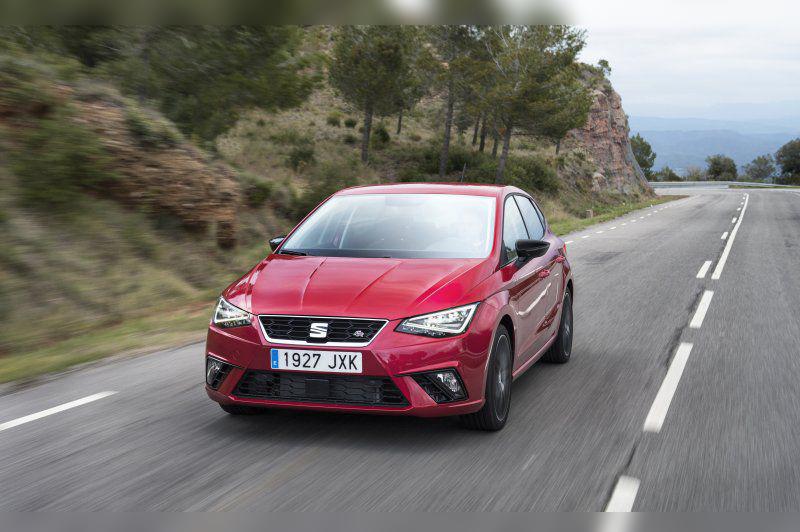
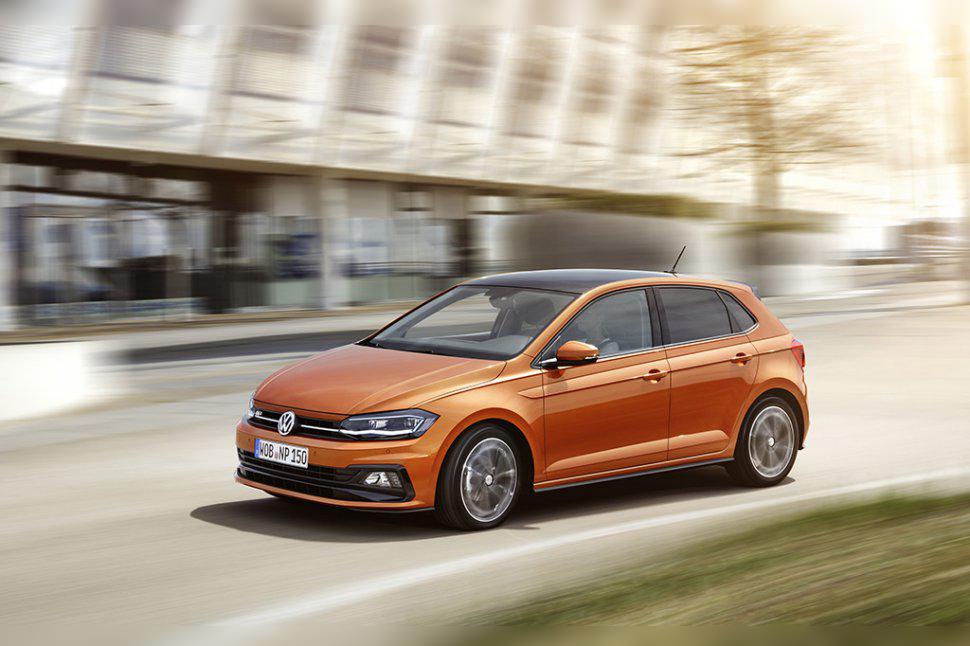
1.6 TDI (DGTC) 80 HP – Experiences, problems, fuel consumption and used car buying tips
1. Most important in short (TL;DR)
- Efficiency: Extremely low fuel consumption, ideal for those who cover high mileage.
- Performance: The factory 80 HP is software “detuned”. By today’s standards the engine feels quite sluggish to drive, but it has huge potential for chip tuning.
- Ecology: Equipped with AdBlue system (SCR), DPF and EGR. The AdBlue system can be prone to failures (heaters, pumps).
- Maintenance: Belongs to the modern EA288 engine family. Generally reliable, but suffers from issues with the water pump and coolant leaks.
- Drivetrain: Uses a timing belt (not a chain), which makes maintenance cheaper compared to some older competitors.
- Recommendation: An excellent choice for city cars like the Polo and Ibiza, provided it is regularly driven on open roads to allow DPF regeneration.
Contents
- Introduction and application
- Technical specifications
- Reliability and maintenance
- Specific parts and costs
- Fuel consumption and performance
- Additional options and modifications
- Gearbox
- Buying used and conclusion
Introduction and application
The engine with the code DGTC is the entry-level version of the 1.6 TDI diesel unit from the VW Group. It is installed in B‑segment models, specifically the Volkswagen Polo VI and Seat Ibiza V. This is a modern diesel (EA288 generation) adapted to strict Euro 6 standards. Its primary purpose is not to provide sporty performance, but maximum efficiency and compliance with environmental standards in city cars. Although it looks weak on paper, this engine is mechanically almost identical to the more powerful 95 HP versions, which makes it an interesting project for those who want cheap registration and later unlocking of power.
Technical specifications
| Parameter | Value |
|---|---|
| Displacement | 1598 cc (1.6 L) |
| Power | 59 kW (80 HP) |
| Torque | 230 Nm |
| Engine code | DGTC |
| Injection type | Common Rail (Direct) |
| Charging | Turbocharger (VGT) + Intercooler |
| Number of cylinders/valves | 4 / 16 |
Reliability and maintenance
Timing drive (belt or chain):
The DGTC engine uses a timing belt. This is good news for owners because the system is quieter and generally more predictable than a chain. The timing belt kit also drives the high‑pressure fuel pump.
Major service:
The factory recommendation for timing belt replacement is often optimistic (sometimes up to 210,000 km for Western markets). However, workshop experience suggests that this interval should be shortened. Replacement is recommended at 150,000 to 160,000 km or every 5 to 7 years, whichever comes first. A snapped belt leads to catastrophic engine damage, so saving money here is risky.
Most common failures:
The best‑known weak point of EA288 engines, including this DGTC, is the water pump. It often happens that the variable ring inside the pump gets stuck, which leads to engine overheating, or that the pump simply starts leaking well before the major service interval. Oil leaks from the crankshaft seal or valve cover are also not uncommon.
Oil and consumption:
The engine takes approximately 4.6 to 4.7 liters of oil. You must use 0W‑30 or 5W‑30 grade that meets the strict VW 507.00 specification (because of the DPF filter). Oil consumption on healthy engines is minimal. Up to 0.5 liters per 10,000 km can be considered acceptable, but most owners do not need to top up between services. If it consumes more than that, the turbocharger or piston rings should be checked.
Injectors (durability):
The system uses Common Rail injection. Injectors are generally durable and can exceed 250,000 km with good‑quality fuel. However, they are sensitive to poor diesel. Symptoms of problems are rough idle (“knocking”) and increased smoke. Refurbishment is possible, but the price depends on the market (moderately expensive).
Specific parts (costs)
Dual‑mass flywheel:
This is a frequent question. Although it has only 80 HP, this engine in most cases does have a dual‑mass flywheel (DMF) to neutralize diesel vibrations and protect the gearbox. However, due to the low torque and power, the flywheel is under much less stress than on stronger versions (2.0 TDI), so it lasts longer. Replacing the clutch kit with flywheel is a costly investment (varies by market), but it is done rarely.
Turbocharger:
The engine uses a turbo with variable geometry (VGT). Service life is long if the turbo cool‑down procedure after fast driving is respected and the oil is changed regularly. Failures are most often related to the actuator (electronics) or fouling of the vanes due to frequent city driving.
Emissions systems (DPF, EGR, AdBlue):
This is the Achilles’ heel of modern diesels.
1. DPF filter: If you drive exclusively in the city, it will clog. You need to regularly go out on open roads.
2. EGR valve: Prone to soot build‑up. Symptoms are loss of power and a “Check Engine” light.
3. AdBlue: This model has an AdBlue system. Problems occur with the heater in the AdBlue tank or with the urea pump/injector itself. AdBlue system repairs can be very expensive (replacement of the entire tank with electronics is a common scenario at authorized dealers).
Fuel consumption and performance
Real‑world consumption:
This is the strongest asset of the DGTC engine.
- City driving: Expect between 5.5 and 6.5 l/100 km, depending on traffic and the Start&Stop system.
- Open road: Driving on main roads brings consumption down to an impressive 3.8 to 4.5 l/100 km.
- Motorway: Due to having only 5 gears (in most cases), consumption rises to around 5.5 – 6.0 l/100 km at 130 km/h.
Performance and “sluggishness”:
Is the engine sluggish? Yes. With 80 HP and 230 Nm in a Polo or Ibiza body, the engine is adequate for the city, but overtaking on main roads requires planning. It’s not dangerous, but it offers no excitement. The lack of power is noticeable on uphill sections when the car is fully loaded.
Behaviour on the motorway:
The engine can maintain 130 km/h without problems, but it lacks a sixth gear. At 130 km/h the engine runs at somewhat higher revs (usually around 2500–2700 rpm in 5th), which increases cabin noise. It is not an ideal long‑distance cruiser, but it can do the job.
Additional options and modifications
Chip tuning (Stage 1):
This engine is a “hidden gem” for tuners. Since it is hardware‑wise almost identical to the 95 HP version (and often shares components with even more powerful variants to a certain extent), it is factory‑limited by software.
It can safely be raised to 130 to 140 HP and around 300 Nm of torque with just a remap (Stage 1). This modification drastically changes the character of the vehicle – the car becomes lively, overtakes more easily and often even consumes less fuel in normal driving. It is recommended to do this only at reputable tuning shops.
Gearbox
Types of gearboxes:
With the 80 HP DGTC engine you most commonly get a 5‑speed manual gearbox (usually MQ250 series). There are also versions with a DSG automatic gearbox (7 speeds, dry clutch), but they are rarer in this weakest version.
Maintenance and failures:
Manual gearbox: Very reliable. No specific failures if not abused. Oil change in the gearbox is not prescribed by the manufacturer (“fill for life”), but it is strongly recommended to change it every 100,000 to 120,000 km for long bearing life.
DSG (if fitted): The DQ200 with dry clutches is known for its sensitive mechatronics. It requires regular checks and clutch adaptation. Failures are expensive.
Buying used and conclusion
What to check before buying?
- Cold start: Listen to the engine for the first few seconds. There should be no metallic rattling (injectors) or uneven running.
- Coolant: Look at the coolant expansion tank. If the level is below minimum or you see traces of leakage around the engine, suspect the water pump.
- Diagnostics: Be sure to check DPF saturation and the condition of the AdBlue system. Faults related to “Reductant heater” or “Pump” can cost you several hundred euros.
- Test drive: Pay attention to the clutch. Does it bite high? Is there any knocking when switching the engine off (flywheel)?
Conclusion:
The 1.6 TDI (DGTC) engine is an ideal choice for drivers looking for an economical workhorse of the newer generation (Euro 6). It is intended for calm drivers, companies and those who cover a lot of kilometres in mixed driving. If you are bothered by the lack of power, a simple remap solves that problem and turns this engine into a very capable machine. Avoid it only if you drive exclusively very short trips of 2–3 km, because you will quickly run into DPF and EGR issues.
Was this content useful to you?
Your opinion helps us to improve the quality of the content.