CJZC Engine
- Engine
- 1197 cm3
- Aspiration
- Turbocharger, Intercooler
- Fuel
- Petrol (Gasoline)
- Fuel injection system
- Direct injection
- Power
- 90 hp @ 4800 rpm
- Torque
- 160 Nm
- Cylinders
- 4
- Valves
- 16, 4 per cylinder
- Cylinders position
- Inline
- Oil capacity
- 4 l
- Coolant
- 8 l
# Vehicles powered by this engine
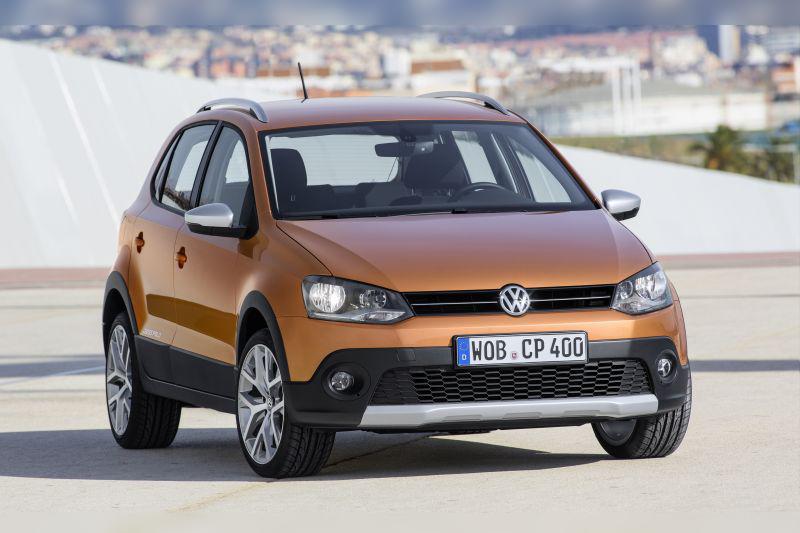
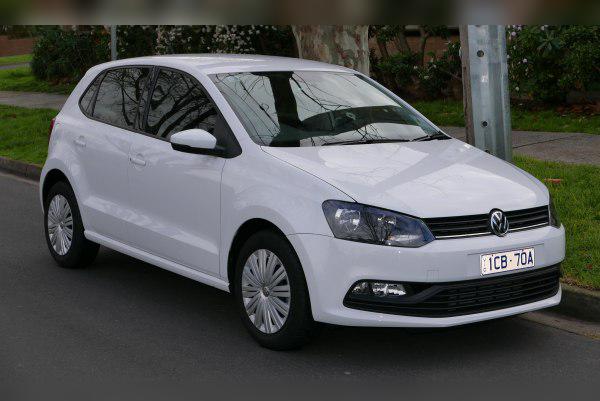
1.2 TSI (CJZC) 90 HP – Experiences, problems, fuel consumption and used car buying guide
Key points (TL;DR)
- Major improvement: This engine belongs to the EA211 family, which means it uses a timing belt, not the problematic chain found in older 1.2 TSI engines.
- Reliability: Significantly more reliable than its predecessor, without catastrophic factory defects.
- City driving: Ideal for urban use, reaches operating temperature quickly, and is flexible thanks to the turbo.
- Potential issues: Coolant leaks (thermostat housing/water pump) and carbon buildup on intake valves.
- Gearbox: The 5-speed manual is practically "indestructible", while the DSG (DQ200) requires caution and can mean expensive repairs.
- Recommendation: An excellent purchase in the small city car class (Polo, Ibiza), provided it has been regularly maintained.
Contents
- Introduction and applications
- Technical specifications
- Reliability and maintenance
- Specific parts and costs
- Fuel consumption and performance
- Additional options (LPG, tuning)
- Gearbox: Manual vs DSG
- Used car buying tips and conclusion
Introduction and applications
The engine designated CJZC represents a turning point in Volkswagen’s range of small petrol engines. It is a 1.2 TSI engine of the EA211 generation, introduced to replace the notorious EA111 series (known for timing chain failures). It was primarily installed in facelifted B‑segment models from 2014 to 2017.
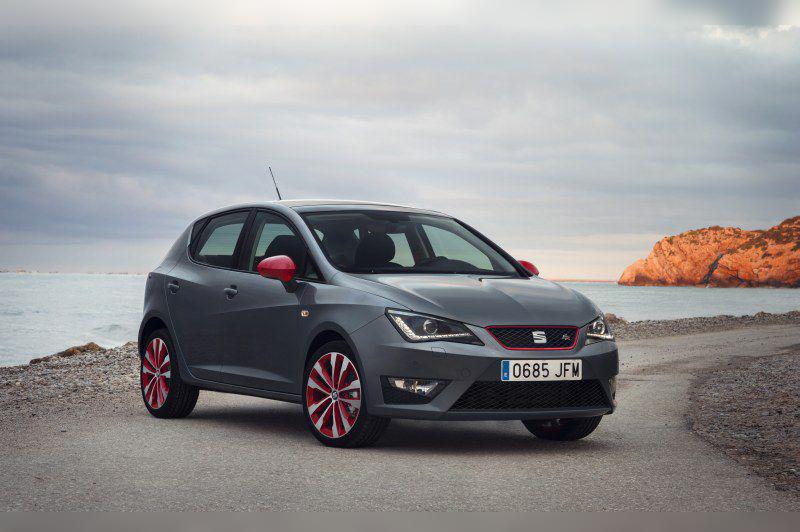
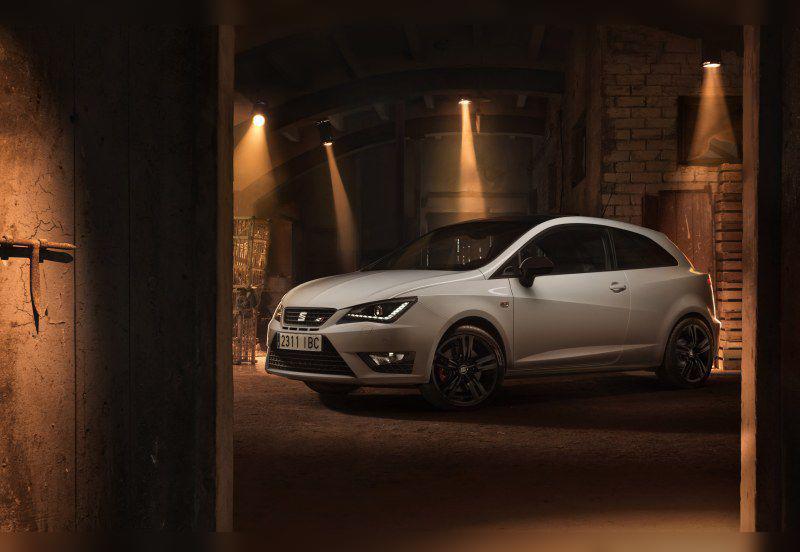
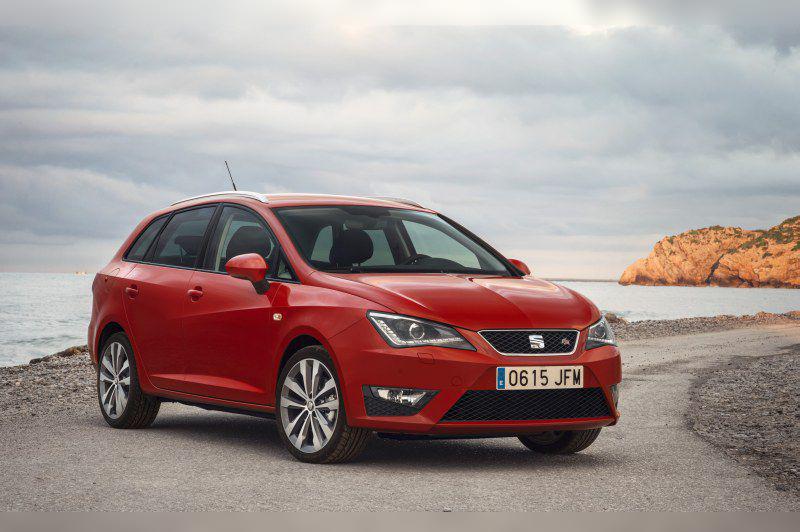
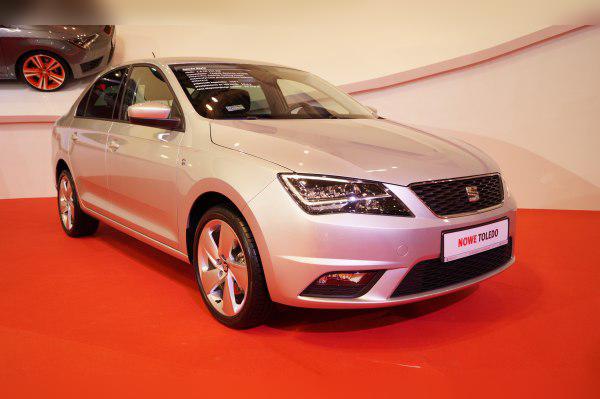
You will find this engine under the bonnet of the VW Polo V (facelift), Seat Ibiza IV and Seat Toledo. With its 90 horsepower, it is the “golden middle ground” – powerful enough not to struggle like naturally aspirated 1.0 or 1.2 litre engines, while remaining economical and cheaper to register than larger 1.4 TSI units. For many drivers in Europe, this is the optimal choice for a daily car.
Technical specifications
| Specification | Data |
|---|---|
| Engine code | CJZC (EA211 family) |
| Displacement | 1197 cc (1.2 L) |
| Power | 66 kW (90 HP) at 4400–5400 rpm |
| Torque | 160 Nm at 1400–3500 rpm |
| Fuel injection system | Direct injection (TSI/FSI) |
| Induction | Turbocharger + intercooler (integrated water‑to‑air) |
| Number of cylinders/valves | 4 cylinders / 16 valves |
| Engine block | Aluminium |
Reliability and maintenance
Belt or chain?
This is the most common question and the key advantage. The CJZC engine uses a timing belt. Volkswagen learned its lesson from the previous generation and switched to a belt on EA211 engines, which has proven to be a very durable and reliable solution. No more fear of “rattling on startup” and skipped timing that used to destroy the old engines.
Most common failures
Although reliable, the CJZC is not immune to problems:
- Water pump and thermostat housing: This is a weak point. The housing is plastic and often cracks or deforms, leading to coolant leaks. Symptoms include a dropping coolant level in the expansion tank or the smell of evaporating coolant under the bonnet.
- Oil consumption: Although less of an issue than before, high‑mileage examples (over 200,000 km) can start consuming oil due to stuck piston rings, especially if oil was changed at long intervals (Long Life).
- Carbon buildup: Like any direct‑injection engine, the intake valves are not “washed” by fuel. Over time, carbon deposits build up, which can reduce performance and increase fuel consumption.
- Turbo wastegate actuator: Sometimes the electric actuator that controls the turbo can seize, causing loss of power and illuminating the “Check Engine” light.
Service intervals and fluids
Major service (timing belt): The manufacturer often quotes optimistic intervals of 210,000 km for checking/replacing the belt. In practice, it is best to replace the timing belt between 150,000 km and 180,000 km, or after 6 to 8 years of age, whichever comes first. A timing kit is not excessively expensive (depends on the market).
Engine oil: The engine takes approximately 4.0 litres of oil. The recommended viscosity is 5W‑30 or 5W‑40 meeting VW 504.00 or VW 502.00 specifications.
Does it burn oil? A healthy CJZC engine should not consume more than 0.2–0.3 litres per 10,000 km. If you have to top up a litre between services, that is a warning sign, even though VW covers itself in the manual with a tolerance of up to 0.5 l/1000 km (which is practically unacceptable).
Spark plugs: As this is a turbocharged petrol engine, the spark plugs are under higher stress. They should be replaced every 60,000 km. Do not skimp here – use quality plugs (NGK, Bosch) specified for TSI engines.
Specific parts and costs
Flywheel
Good news for your wallet: the 90 HP variant (CJZC) combined with a manual gearbox most often uses a solid (single‑mass) flywheel. This makes clutch replacement significantly cheaper. Versions with a DSG gearbox have a different setup, but more on that in the gearbox section.
Fuel injection system and turbo
The engine uses high‑pressure injectors for direct injection. They are sensitive to poor fuel quality. Symptoms of injector failure include rough idle and increased fuel consumption. A single injector is quite expensive (very costly – depends on the market).
It has a single small‑inertia turbocharger integrated with the exhaust manifold. With regular oil changes, the turbo’s lifespan is usually equal to the engine’s lifespan. It is water‑cooled, so it is more resistant to being switched off immediately after driving, but it is still recommended to let the engine idle for a minute after fast motorway driving.
EGR, DPF and AdBlue
This petrol engine does not have a DPF filter (GPF filters came later with newer emission standards). It also does not have an AdBlue system.
As for the EGR valve, it does not exist as a separate, problematic component like on diesels. Exhaust gas recirculation is achieved through variable valve timing (valve overlap). That means – one less part that can fail or clog up!
Fuel consumption and performance
Real‑world fuel consumption
The CJZC is an efficiency champion if driven sensibly:
- City driving: Expect between 6.5 and 7.5 l/100 km. In heavy stop‑and‑go traffic it can reach 8.5 litres, but rarely more than that.
- Country roads: This is where the engine shines and can easily go down to 4.5–5.0 l/100 km.
- Motorway (130 km/h): Consumption is around 6.0–6.5 l/100 km.
Is the engine “sluggish”?
Absolutely not. With 160 Nm of torque available from just 1400 rpm, this engine in a Polo or Ibiza body (weighing around 1100 kg) feels livelier than the old 1.6 naturally aspirated units. In the city it is nippy and agile. On the motorway it starts to run out of breath only above 140–150 km/h, but for normal cruising at 130 km/h it is perfectly adequate. At 130 km/h the revs are usually around 2800–3000 rpm (in 5th gear), which is not excessively noisy.
Additional options and modifications
LPG conversion
Is it possible? Yes. Is it worth it? Probably not, unless you cover very high annual mileage. Since this is a direct‑injection engine, it requires a special (and expensive) LPG system that either injects liquid gas directly through the petrol injectors, or runs on a mixture of gas and petrol (to cool the injectors). Installation is expensive (very costly), and the savings are smaller than on conventional port‑injection engines.
Chiptuning (Stage 1)
The CJZC engine is a software‑detuned version of more powerful 1.2 TSI variants. It can very safely be taken to 110–115 HP and around 200 Nm of torque. This modification drastically changes the character of the car, making it much quicker in in‑gear acceleration, without a negative impact on longevity if the engine is regularly maintained.
Gearbox: Manual vs DSG
Two gearbox options are available with this engine:
- Manual gearbox (5‑speed): Very precise, easy to operate and extremely reliable. Maintenance comes down to changing the gearbox oil (recommended every 100,000 km, even though VW claims it is “lifetime”). Clutch replacement costs are reasonable because, as mentioned, there is usually no dual‑mass flywheel.
- DSG automatic gearbox (7‑speed, DQ200): This is a dual‑clutch gearbox with dry clutches. It offers fantastic comfort and lightning‑fast gear changes, but comes with risks.
- Failures: The most common problem is the mechatronics unit (control unit) and clutch wear in city driving.
- Maintenance: The oil in the mechatronics and gearbox should be changed, even though the capacity is small. DSG repairs are expensive (very costly).
- DSG models may have a dual‑mass flywheel, depending on the specific version and model year, but on the 1.2 TSI this is less common than on diesels.
Used car buying guide and conclusion
When buying a used car with the CJZC engine, pay attention to:
- Signs of coolant leaks: Check around the thermostat housing (on the right‑hand side of the engine when viewed from the front).
- Noise on cold start: Although it has a belt, the hydraulic tappets should not rattle for too long.
- Service history: Insist on proof that the oil was changed at a maximum of 15,000 km intervals. If the car was serviced on 30,000 km “Long Life” intervals, the risk of oil consumption and carbon buildup is higher.
Conclusion:
The 1.2 TSI (CJZC) 90 HP engine is one of the best small petrol engines of that period. With it, VW corrected the mistakes of the past. It is ideal for drivers who spend most of their time in city and suburban driving and want a car that is cheap to register and fuel, yet not sluggish. If you are choosing between this engine and the older 1.4 naturally aspirated unit – the 1.2 TSI is, in every respect (except complexity), the superior choice.
Was this content useful to you?
Your opinion helps us to improve the quality of the content.